
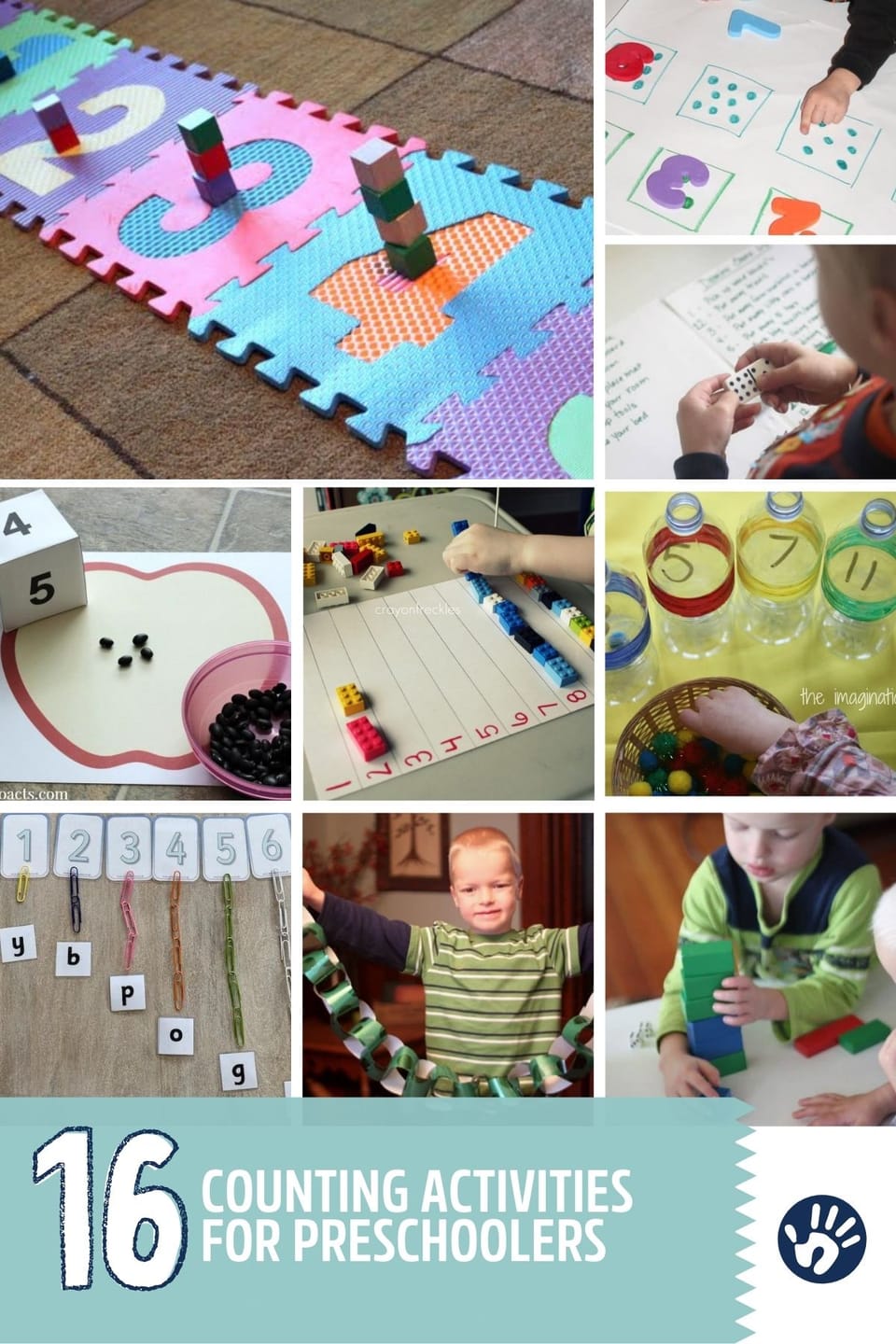

1. Why Incorporate Math into Play?
Ever wondered why incorporate math into play? Well, the answer is simple. It's because play is the most natural way for children to learn. When we blend math with play, we're creating a fun, engaging environment where preschoolers can explore and understand mathematical concepts at their own pace.
Math is everywhere in our daily lives, and it's crucial for our little ones to grasp its basics early on. By incorporating math into play, we're not just teaching numbers or counting. We're helping them recognize patterns, understand shapes, and develop problem-solving skills. It's about making them comfortable with math, so they don't develop a fear of it later in life.
Think about it this way. When a child is playing with blocks, they're not just stacking them up. They're learning about sizes, shapes, and balance. When they're sorting their toys by color or type, they're understanding categories and classifications. These are all fundamental math skills!
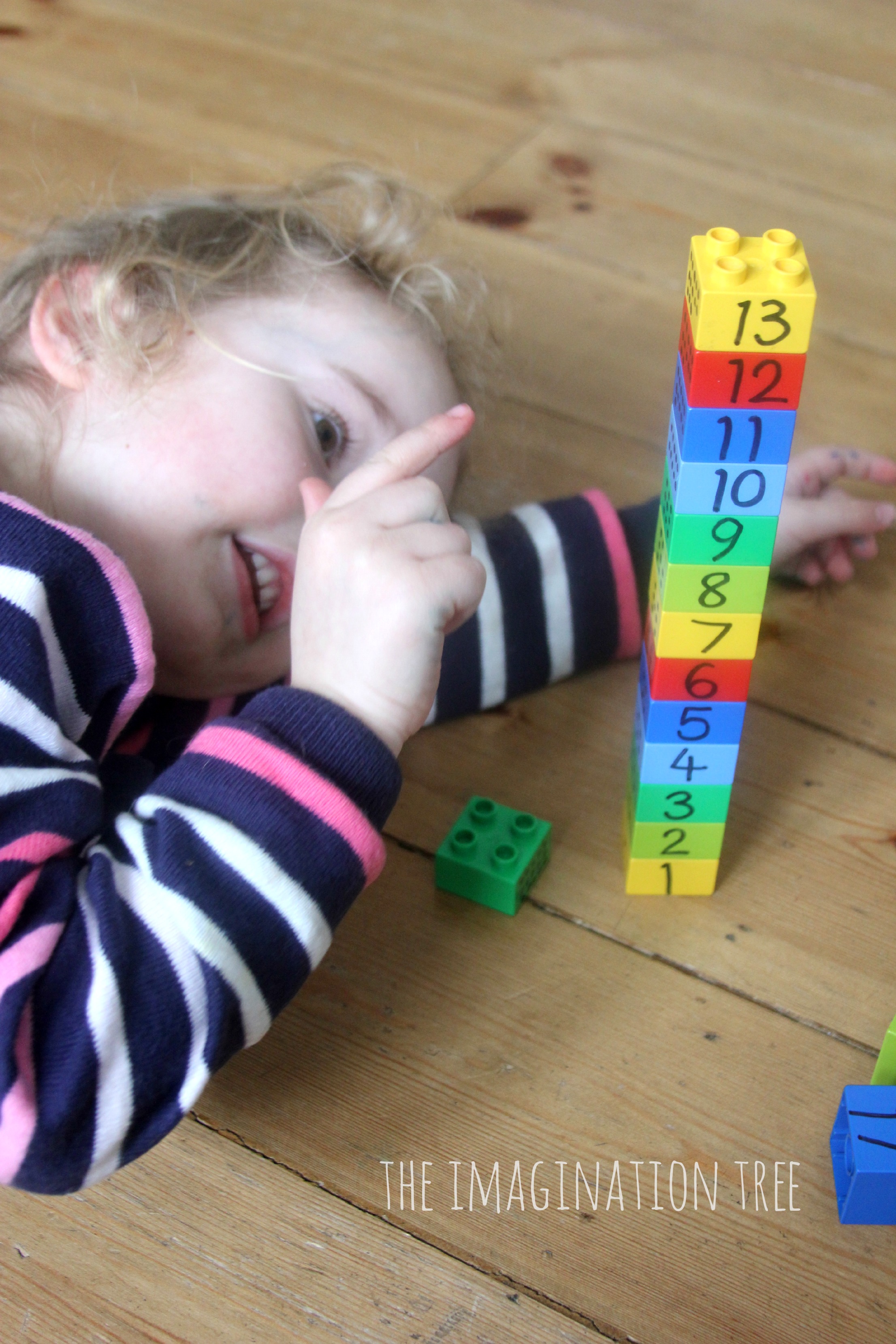
Moreover, educational play activities that incorporate math can be incredibly fun. They can involve puzzles, songs, crafts, or even interactive math games for preschoolers online. The key is to keep it light, playful, and engaging. Remember, at this age, it's not about getting the right answers. It's about exploring, making connections, and developing a love for learning.
So, let's dive into the world of fun math activities for kids and discover how we can make learning math an exciting adventure!
2. Benefits of Fun and Educational Preschool Math Activities
Let's delve into the myriad benefits of fun and educational preschool math activities. These activities are not just about learning numbers or counting, they are about creating a foundation for a lifelong love of learning and exploration.
Boosts Cognitive Development: Preschool math games and activities stimulate your child's brain, fostering cognitive development. They help children understand concepts like size, shape, comparison, ordering, categorization, and patterns. This cognitive development is crucial for their overall growth and understanding of the world around them.
Enhances Problem-Solving Skills: Math play for preschoolers encourages them to think critically and solve problems. When children engage in activities like puzzles or sorting games, they're not just having fun. They're also learning to identify problems and find solutions, a skill that will serve them well throughout their lives.
Improves Fine Motor Skills: Many preschool math crafts involve activities like cutting, pasting, or threading, which are great for developing fine motor skills. These activities not only teach math concepts but also help improve hand-eye coordination and precision.
Encourages Social Interaction: Interactive math games for preschoolers provide a platform for social interaction. Children learn to share, take turns, and work as a team. These social skills are just as important as academic ones in a child's development.
Promotes a Positive Attitude towards Learning: Most importantly, learning math through play helps children develop a positive attitude towards learning. It takes the fear and stress out of math, making it an enjoyable and exciting experience.
So, whether it's through preschool math songs, crafts, or online games, incorporating math into play has numerous benefits. It's a fun, effective, and engaging way to introduce preschoolers to the world of numbers and shapes.
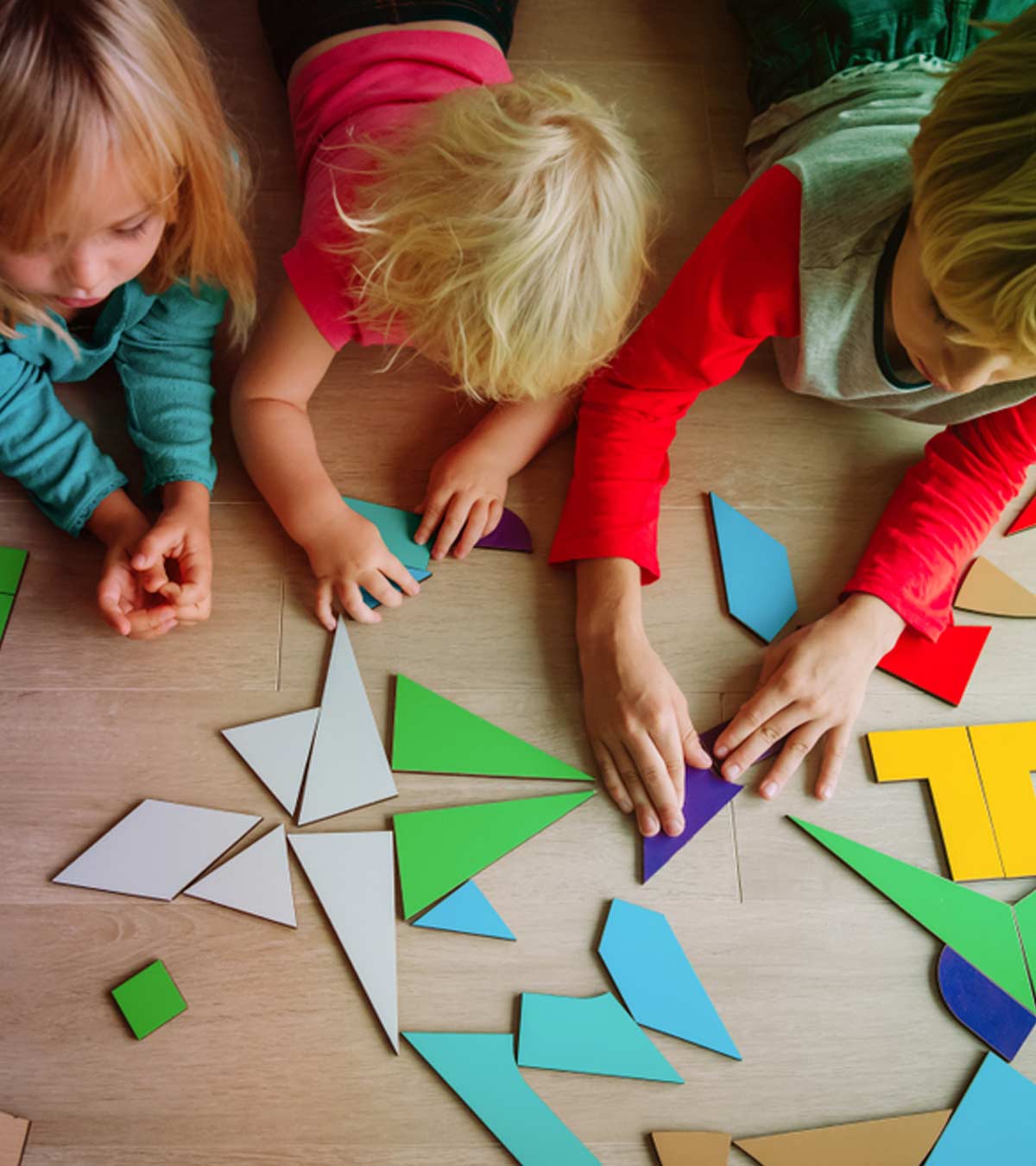
3. Interactive Math Games for Preschoolers
Let's dive into the thrilling world of interactive math games for preschoolers. These games are a brilliant fusion of fun and learning, designed to spark curiosity and foster a love for math in young minds. From online games to hands-on activities, there's a wealth of options to explore.
One of the most popular ways to engage preschoolers in math is through online games. Math games for preschoolers online are a treasure trove of fun-filled learning experiences. They offer a variety of games that cover basic concepts like counting, shapes, and patterns. 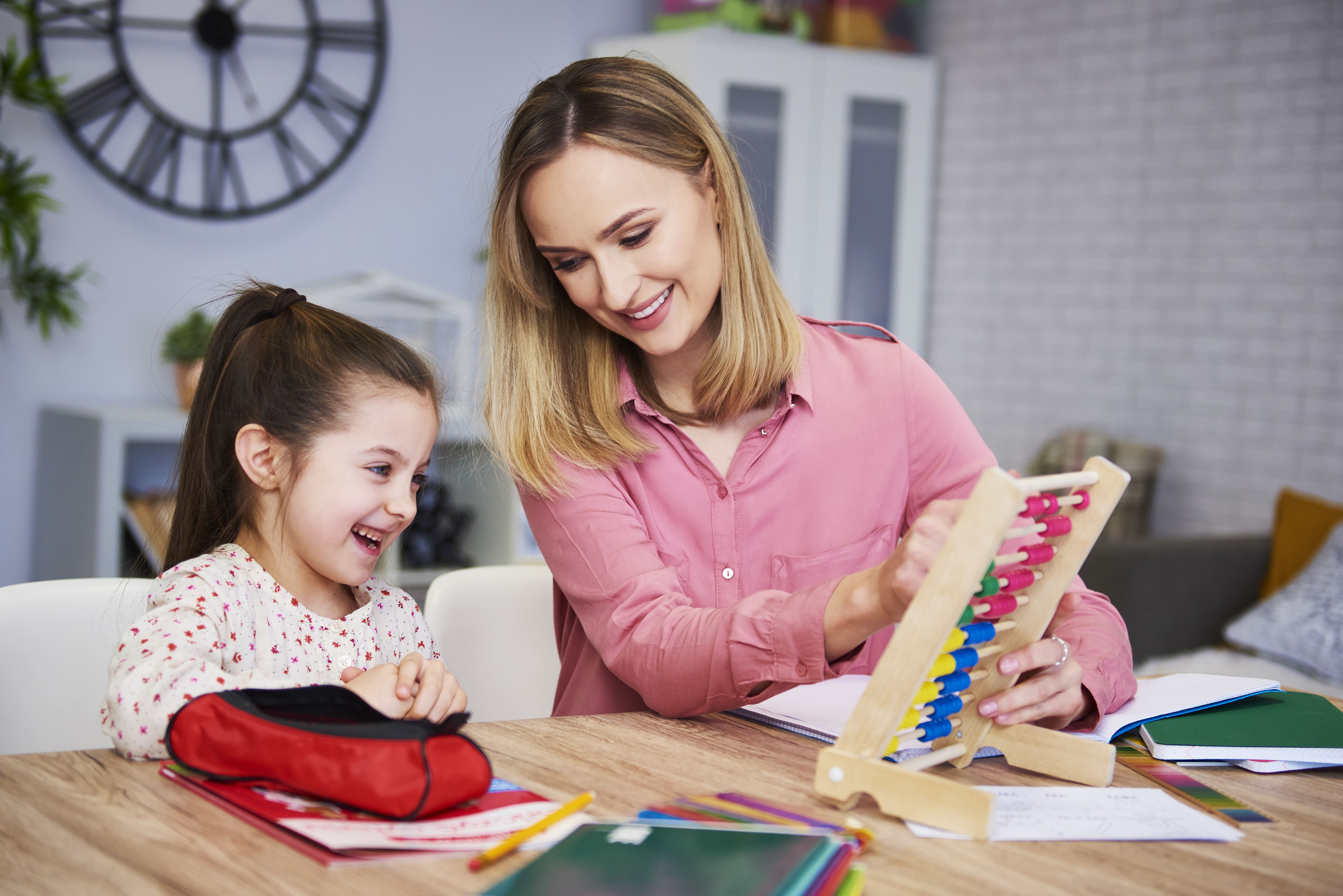
For instance, games like 'Count the Ducks' or 'Shape Match' are not only entertaining but also help children understand numbers and shapes in a playful manner. The colorful graphics and interactive elements make these games more appealing to preschoolers, making learning an enjoyable experience.
But the fun doesn't stop at online games. There's a whole world of physical interactive math games to explore. Games like 'Hopscotch Math' or 'Number Hunt' are perfect for outdoor play. They combine physical activity with math, promoting active learning. 
Indoor games like 'Math Bingo' or 'Dice Games' are also a hit with preschoolers. They promote number recognition, counting, and basic arithmetic in a fun and engaging way. Plus, they also encourage social interaction, as children can play these games in groups.
Remember, the goal is to make math fun and accessible. So, don't be afraid to get creative with these games. The more enjoyable the game, the more engaged your preschooler will be. And the more they play, the more they learn. That's the magic of interactive math games for preschoolers.
4. Engaging Preschool Math Crafts
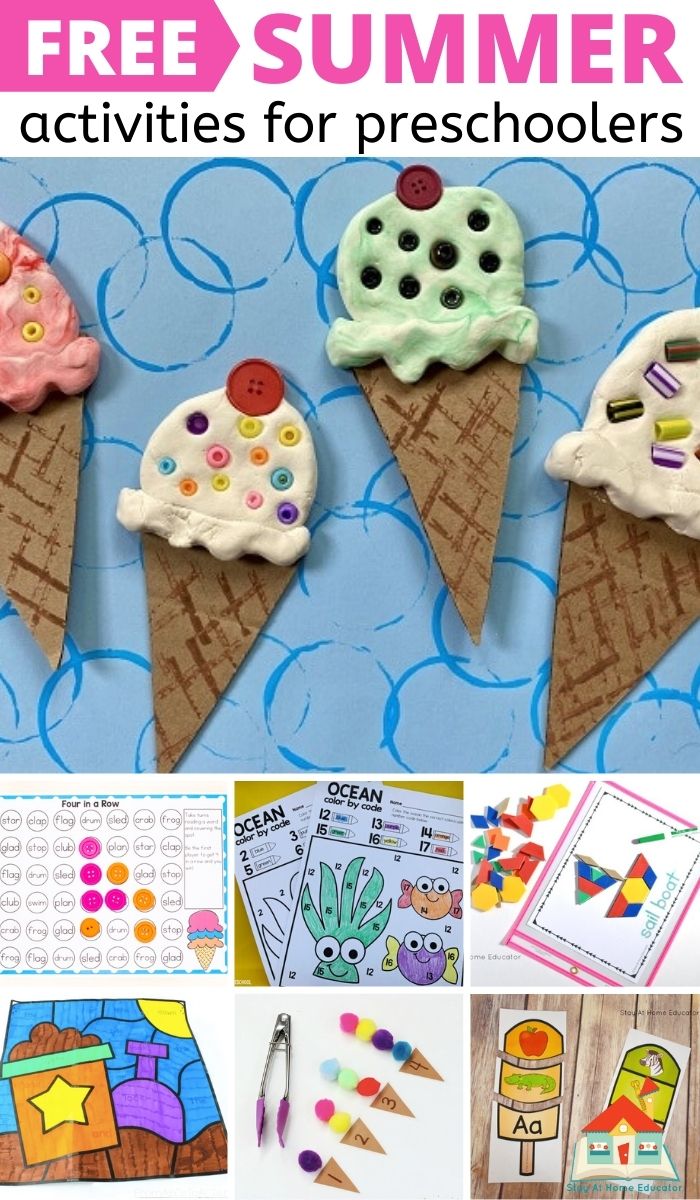
Now, let's turn our attention to the wonderful world of preschool math crafts. These fun math activities for kids are a delightful blend of creativity and learning, making math concepts tangible and exciting for little learners.
One of the most engaging preschool math crafts is the 'Counting Bead Necklace'. This activity involves stringing a certain number of beads onto a necklace, helping children practice counting and number recognition. Plus, they get a colorful accessory to wear or gift! 
Another fantastic math craft is the 'Shape Collage'. In this activity, preschoolers cut out various shapes from colored paper and glue them onto a larger sheet, creating a vibrant collage. This craft helps children recognize and differentiate between shapes, enhancing their spatial reasoning skills. 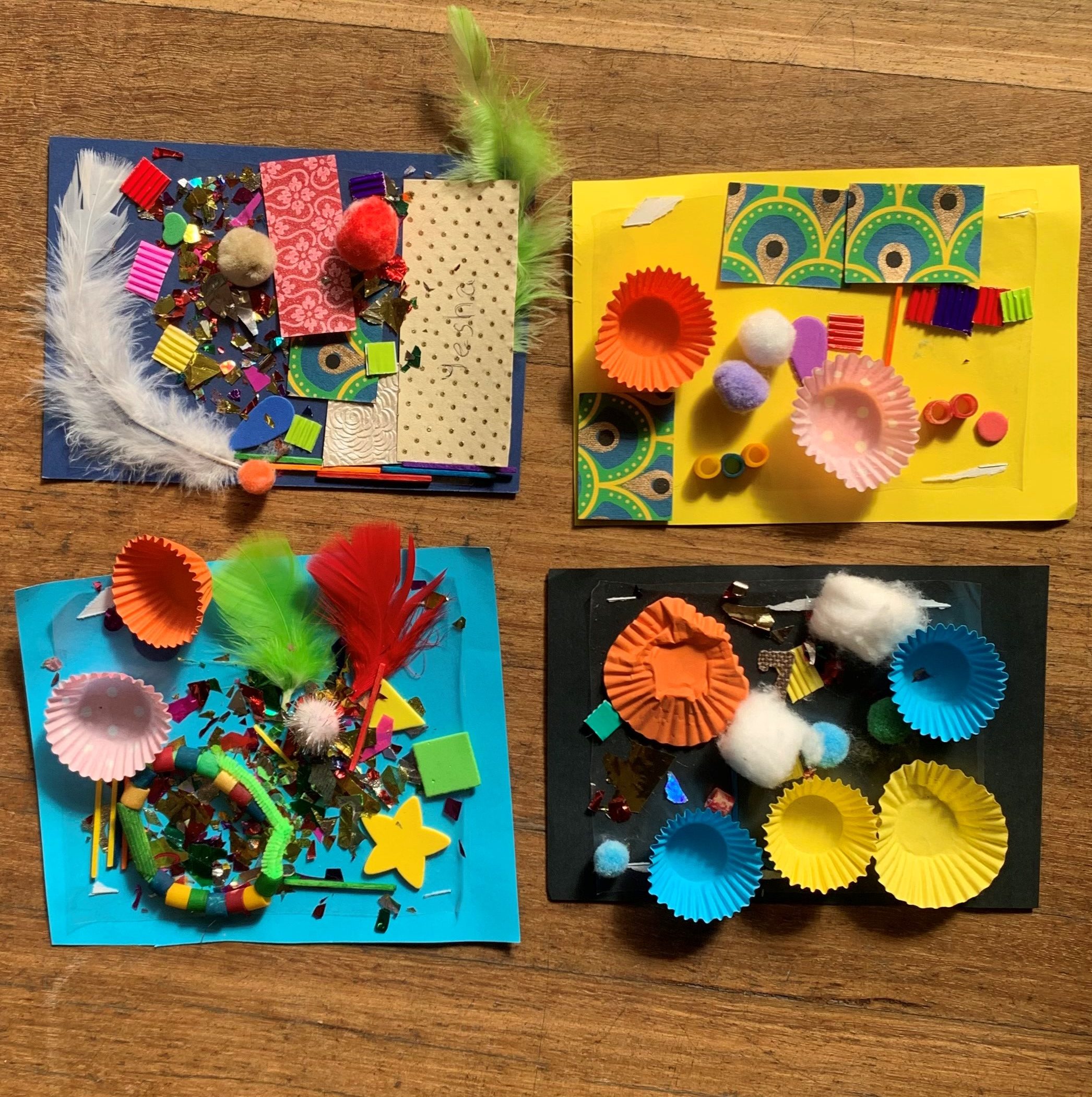
For a more hands-on experience, try the 'Playdough Numbers' craft. Here, children mold playdough into different numbers, helping them understand the concept of numbers in a tactile way. This craft not only aids in number recognition but also develops fine motor skills. 
Lastly, the 'Math Puzzle' craft is a fun way to introduce problem-solving. Children cut out numbers and shapes and fit them together like a puzzle, promoting logical thinking and concentration. 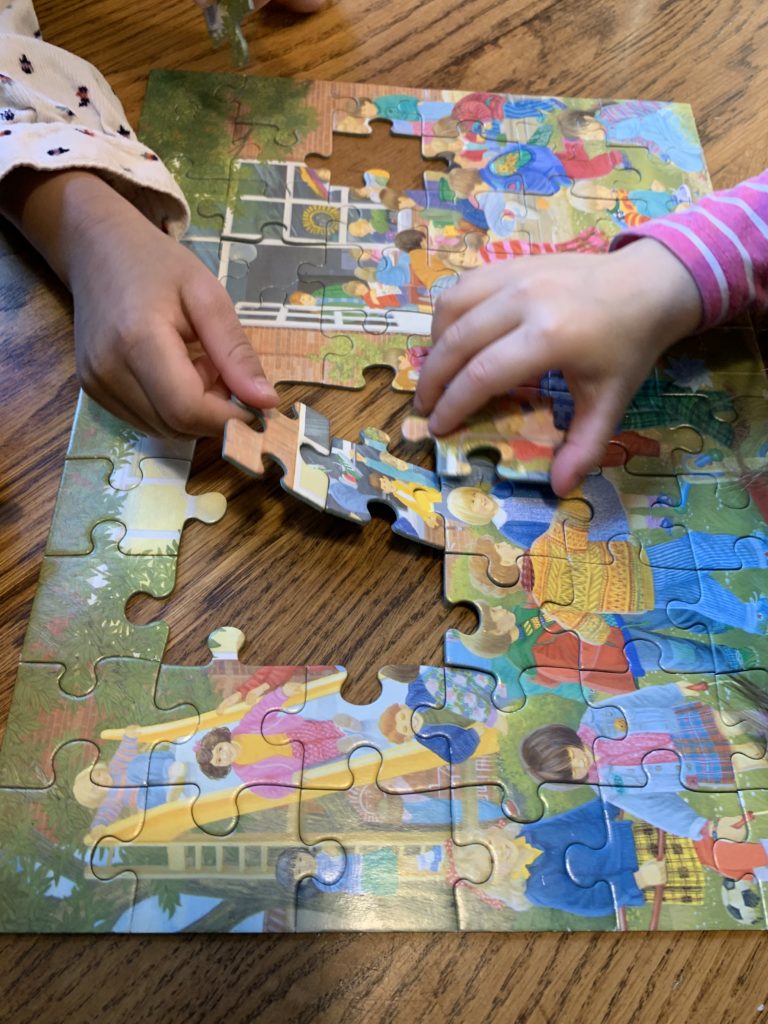
These educational play activities are a testament to the power of learning math through play. They transform abstract math concepts into concrete, hands-on experiences, making learning more meaningful and enjoyable for preschoolers. So, let's get crafting and make math a fun-filled adventure!
6. Incorporating Math into Everyday Play
Section 6: Incorporating Math into Everyday Play
Math is not just about numbers and equations. It's a universal language that's part of our everyday life. And guess what? You can easily incorporate it into your preschooler's playtime, making learning math through play a fun and engaging experience. Let's explore how.
Firstly, consider the simple act of sorting toys. Encourage your child to group their toys by color, size, or type. This is a fun way to introduce the concept of categories and sets, which are fundamental to understanding math. 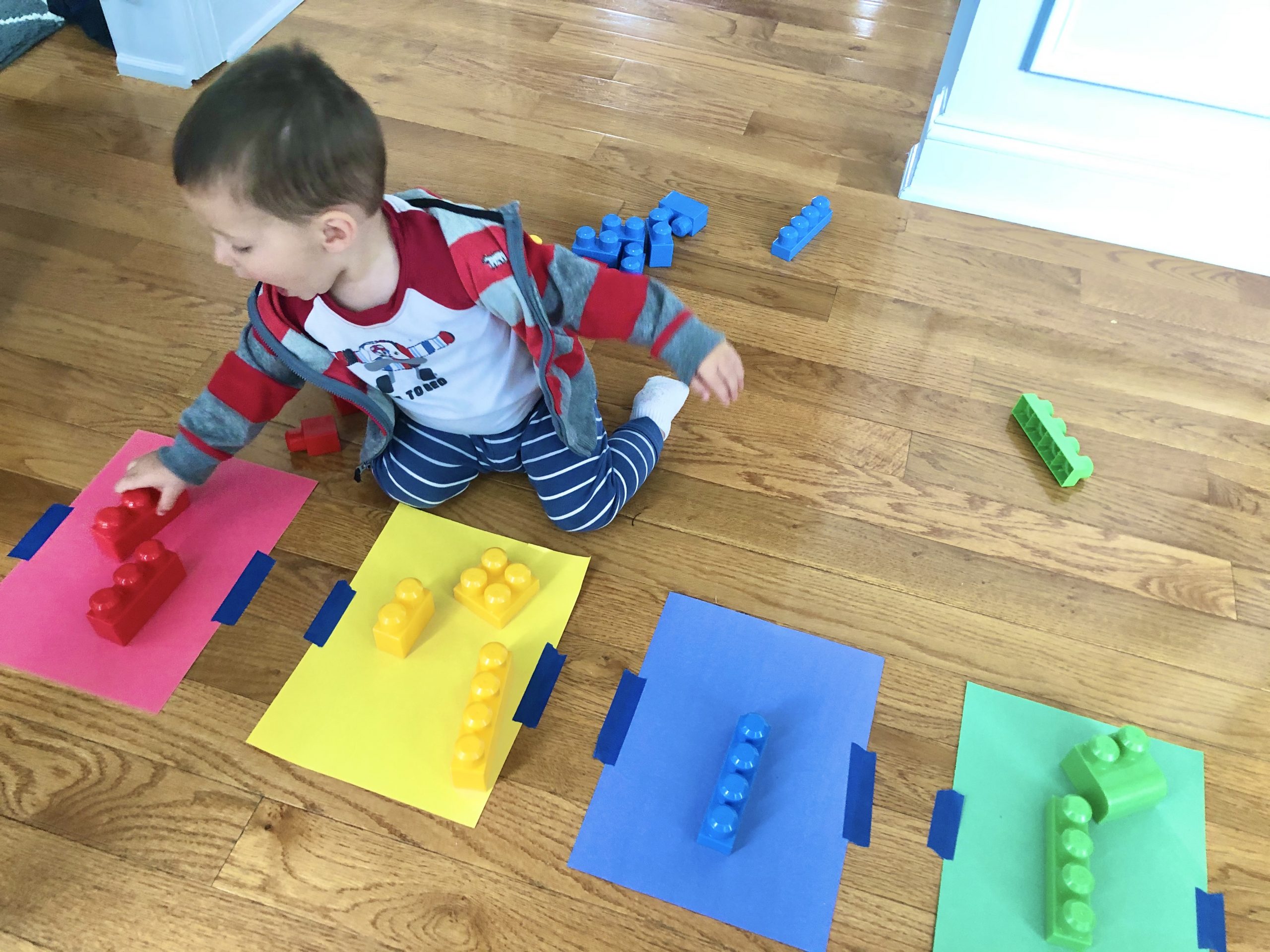
Next, think about the games you play. Many traditional games, like hopscotch or snakes and ladders, involve counting or number recognition. These are excellent interactive math games for preschoolers. You can also create your own games. For example, a treasure hunt where the clues involve simple math problems. 
Even everyday activities like cooking can be a math lesson. Measuring ingredients introduces concepts like volume and quantity, while setting the table can teach counting and one-to-one correspondence. 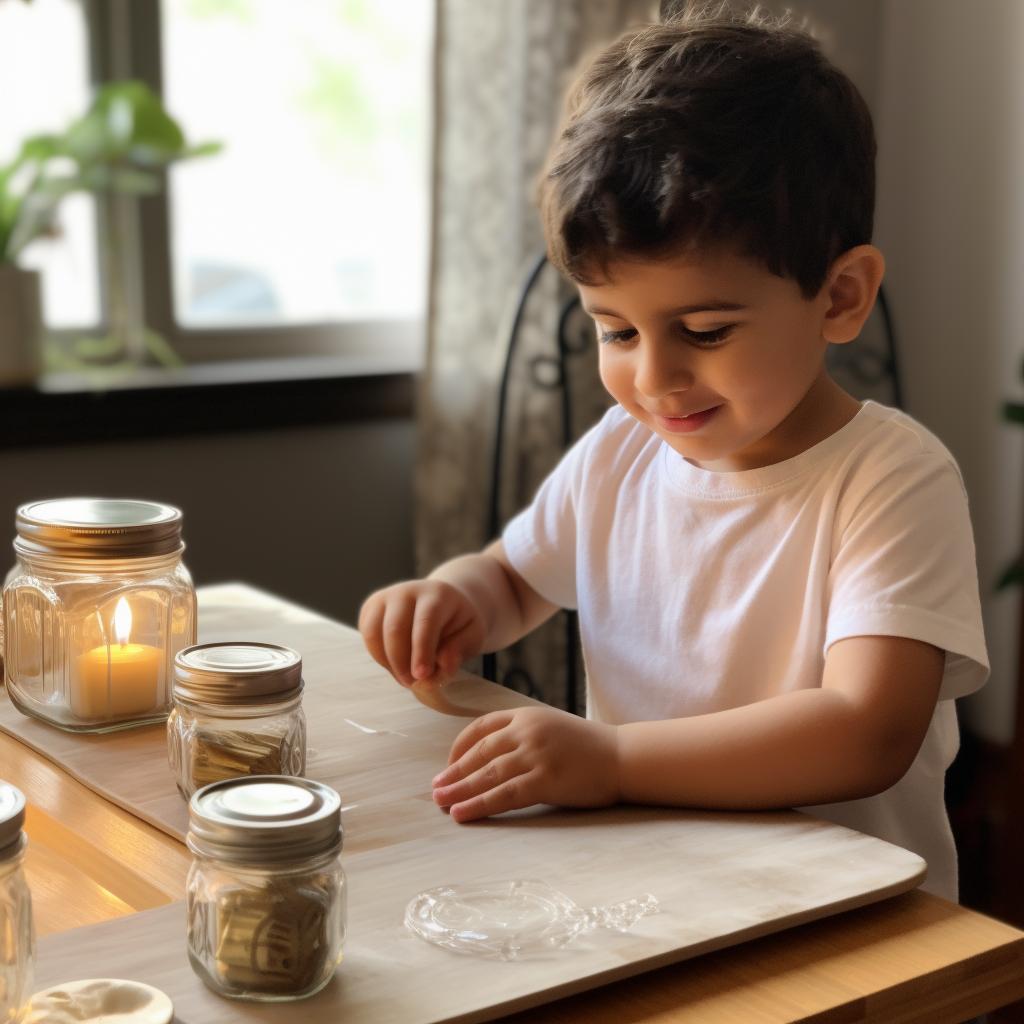
Remember, the goal is to make math fun and relevant. So, get creative and find ways to weave math into your child's play. You'll be amazed at how quickly they pick up these educational play activities. And before you know it, your preschooler will be a math whiz!
7. Recommended Math Games for Preschoolers
Section 7: Recommended Math Games for Preschoolers
Now that we've explored the importance of incorporating math into play, let's delve into some specific math games for preschoolers. These games are not only educational but also fun, interactive, and engaging. They'll help your little ones grasp fundamental math concepts while having a blast!
1. Number Matching Game: This is a simple yet effective game to help preschoolers recognize numbers. Write numbers on small cards and have your child match them with the corresponding number of objects. For example, the card with the number '3' should be matched with three apples or three toy cars. 
2. Shape Sorting: This is a fantastic game to introduce shapes. Provide your child with different objects and ask them to sort them based on their shape. This game enhances their ability to identify and differentiate between shapes. 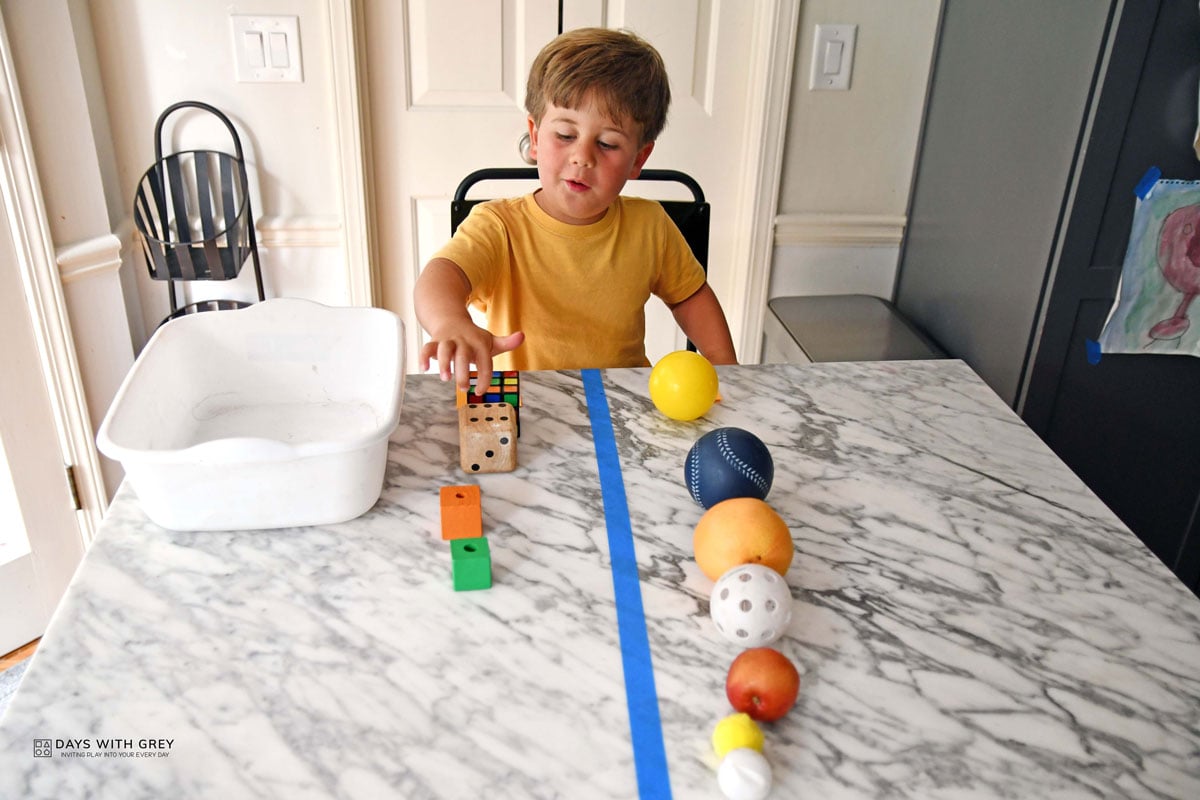
3. Counting Beads: This game is excellent for teaching counting and one-to-one correspondence. Provide your child with a string and some beads. Ask them to thread a specific number of beads onto the string. 
4. Online Math Games: There are numerous math games for preschoolers online. These games are interactive and often involve colorful animations and fun characters, making learning math a delightful experience. Websites like ABCmouse and Starfall offer a variety of games that cover different math concepts. 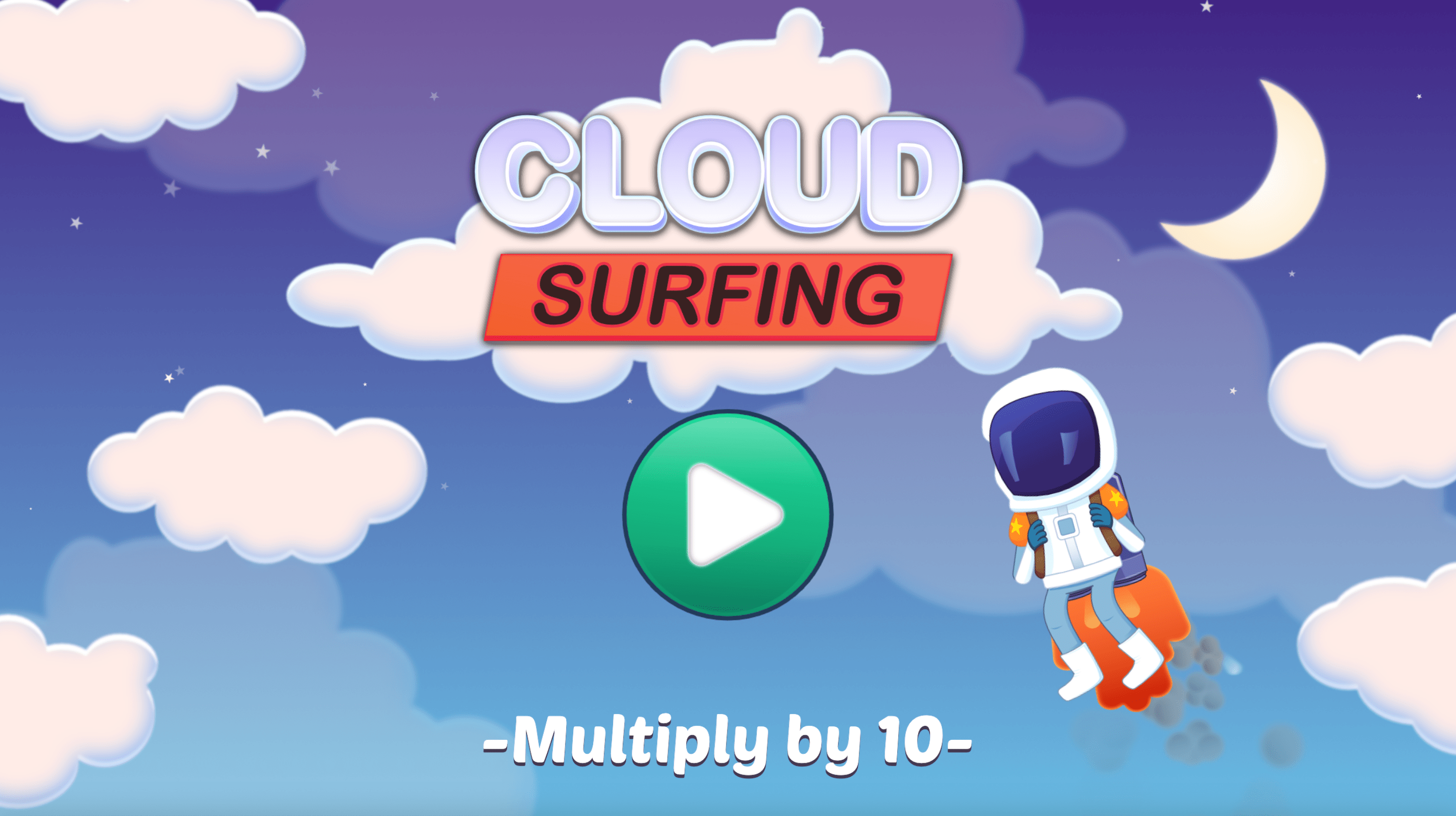
Remember, the key to effective learning is making it enjoyable. These math games for preschoolers are designed to do just that. So, let's turn math time into playtime and watch as your preschooler's math skills flourish!
5. Fun Math Songs for Preschoolers
Now, let's dive into the magical world of fun math songs for preschoolers. Music is a universal language that resonates with children, making it an excellent tool for teaching math. Singing catchy math songs can help preschoolers remember numbers, understand mathematical concepts, and develop a love for math.
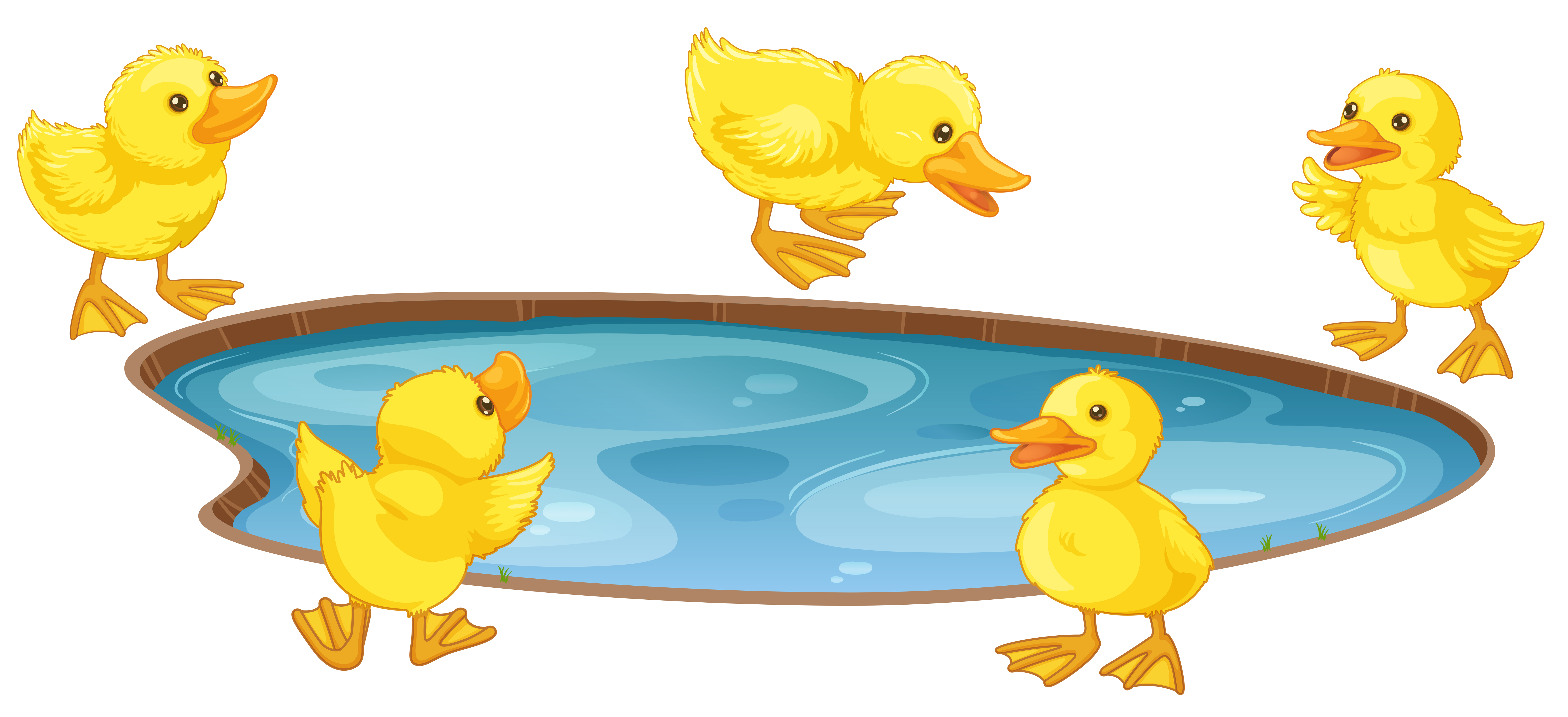
One of the most popular math songs for preschoolers is the classic "Five Little Ducks". This song not only teaches counting but also introduces subtraction in a fun and engaging way. As the little ducks go out to play and don't come back, children learn about decreasing numbers. Plus, the repetitive nature of the song reinforces these concepts.
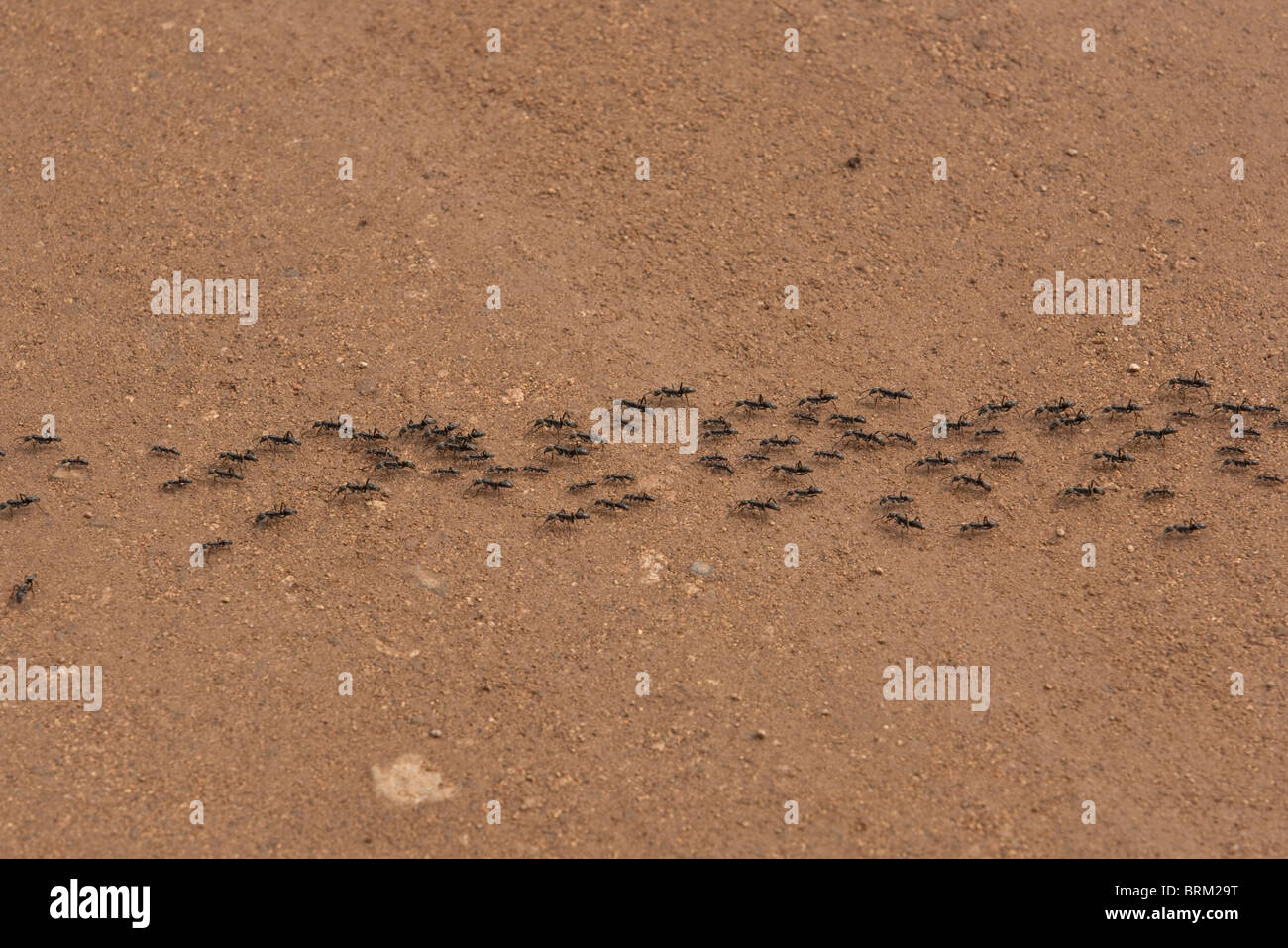
Another favorite is "The Ants Go Marching". This song is a fun way to practice counting and rhythm. As the ants march one by one, two by two, and so on, children learn about number sequences and patterns. The song's rhythm also helps children develop a sense of timing and coordination.
For a song that introduces shapes, "The Shape Song" is a great choice. It's a lively tune that teaches children about different shapes and their characteristics. As they sing along, children can visualize the shapes, enhancing their spatial reasoning skills.
These preschool math songs are a testament to the power of learning math through play. They transform abstract math concepts into memorable, sing-along experiences, making learning more meaningful and enjoyable for preschoolers. So, let's get singing and make math a melodious journey!
No comments yet. Be the first to share your thoughts!