

Celebrating Earth Day with Little Hands
Earth Day, celebrated annually on April 22nd, is a fantastic opportunity to introduce young children to the importance of caring for our planet. It’s not about overwhelming them with complex environmental issues, but about fostering a sense of wonder and respect for nature. The focus for 2026, as in recent years, remains on sustainable practices and reducing our impact on the Earth – a message perfectly suited for little learners.
Even the simplest activities can be incredibly impactful. A craft made from recycled materials isn't just a fun project; it's a tangible lesson in resourcefulness and responsibility. These activities help children develop a connection to the natural world and understand that even small actions, like reusing a cardboard box, can make a difference. I truly believe instilling these values early on is crucial.
This year, let’s move beyond just talking about Earth Day and get hands-on! We’ll explore twelve eco-friendly crafts that are not only fun for preschoolers but also educational. These projects prioritize using readily available, recycled materials, making them accessible and affordable for everyone. Let's create a generation of little environmentalists, one craft at a time.
12 Eco-Friendly Crafts for Preschoolers
Here are twelve Earth Day crafts perfect for preschoolers, designed to be both engaging and environmentally conscious. Each project utilizes readily available materials and promotes creativity while teaching important lessons about sustainability.
1. Seed Bombs: Combine clay, compost, and wildflower seeds to create “bombs” that can be tossed into gardens or empty lots to encourage plant growth. This is a great way to discuss plant life cycles and the importance of pollinators. It helps develop fine motor skills as children mix and roll the ingredients.
2. Recycled Paper Making: Turn old newspapers, magazines, or scrap paper into new sheets of paper. This demonstrates the concept of recycling in a very direct and satisfying way. It requires a bit more setup but is incredibly rewarding. This activity enhances hand-eye coordination and patience.
3. Plastic Bottle Planters: Cut plastic bottles in half, decorate them, and use them as planters for small herbs or flowers. A simple way to repurpose plastic and introduce gardening. Children learn about responsibility as they care for their plants.
4. Egg Carton Animals: Transform empty egg cartons into adorable animals like caterpillars, turtles, or birds. This encourages imaginative play and uses a readily available household item. Great for color recognition and fine motor skill development.
5. Toilet Paper Roll Bird Feeders: Coat toilet paper rolls in peanut butter, roll them in birdseed, and hang them outside. This provides food for birds and teaches children about helping wildlife. It also introduces the concept of ecosystems.
6. Nature Collages: Collect leaves, twigs, flowers, and other natural materials and glue them onto paper to create beautiful collages. A wonderful way to connect with nature and express creativity. Encourages observation skills and appreciation for natural beauty.
7. Painted Rock Garden Markers: Paint rocks with the names of plants or decorative designs and use them to label garden rows. A fun and practical craft that adds a personal touch to the garden. Promotes literacy skills and artistic expression.
8. Crayon Rubbings from Leaves: Place leaves under paper and rub crayons over them to create textured images. A simple way to explore the patterns and textures of nature. Enhances tactile awareness and artistic skill.
9. Upcycled T-shirt Tote Bags: (Adult help needed) Turn old t-shirts into reusable tote bags. This teaches the value of reducing waste and creating something new from something old. It's a bit more complex, requiring adult assistance with cutting and sewing.
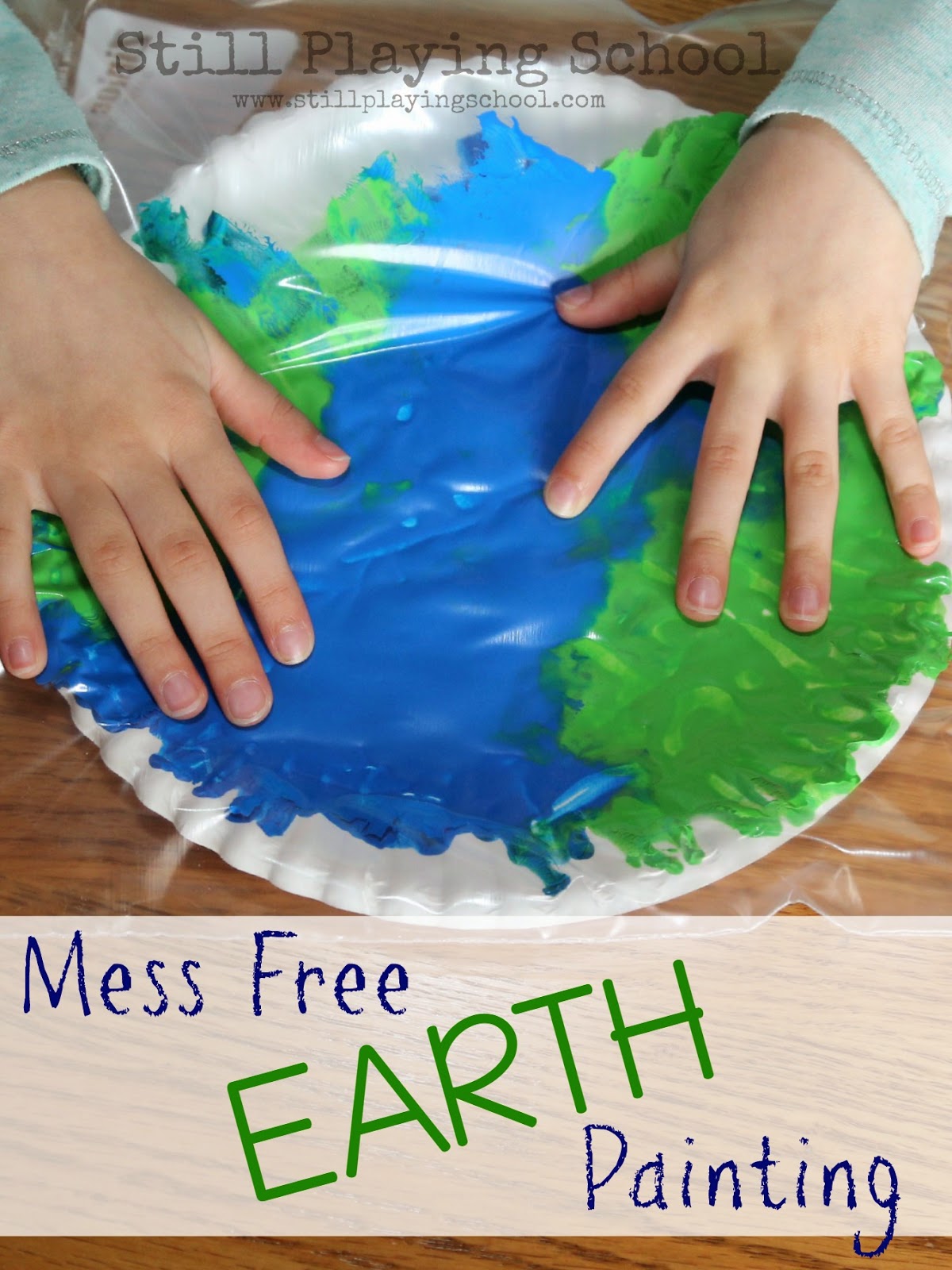
10. Coffee Filter Earths: Paint coffee filters with blue and green paint to create miniature Earths. A simple and visually appealing craft that reinforces the concept of our planet. Promotes color mixing and artistic expression.
11. Cardboard Box City: Collect cardboard boxes of various sizes and let children decorate them to create a miniature city. Encourages imaginative play and problem-solving skills. A fantastic way to reuse packaging materials.
12. Paper Plate Bird Masks: Decorate paper plates with feathers, paint, and other materials to create bird masks. This fosters imaginative play and introduces children to different bird species. Enhances creativity and fine motor skills.
Sourcing Materials: A Guide to Green Supplies
One of the best parts of eco-friendly crafting is that you likely already have many of the materials you need at home! Start by looking at your recycling bin – cardboard boxes, plastic bottles, egg cartons, and newspapers are all excellent resources. Don't underestimate the power of nature either; leaves, twigs, and flowers can be collected on a nature walk.
For items you do need to purchase, consider sustainable alternatives. Look for recycled paper, non-toxic paints, and biodegradable glue. While these options might sometimes be slightly more expensive, the environmental benefits are worth it. You can often find these supplies at art supply stores or online retailers.
I understand that cost can be a concern for some families. To keep things affordable, focus on using what you have and sharing materials with other parents or teachers. A little creativity can go a long way when it comes to sourcing eco-friendly craft supplies.
- Check your recycling bin first.
- Collect natural materials on nature walks.
- Look for recycled and non-toxic supplies when purchasing.
Safety First: Crafting with Young Children
Safety is paramount when crafting with preschoolers. Always provide close supervision, especially when using scissors or glue. Ensure that all materials are non-toxic and age-appropriate. Avoid small parts that could pose a choking hazard.
When working with natural materials, be mindful of potential allergens or irritants. Wash hands thoroughly after handling plants or soil. Adult assistance is crucial for tasks that require cutting, gluing, or any other potentially dangerous steps.
Parents and guardians are solely responsible for ensuring the safety of their children during these activities. This guide provides suggestions, but it is essential to adapt them to your child's individual needs and abilities. Always prioritize safety over creative expression.
Beyond the Craft: Extending the Lesson
Earth Day isn't just about one day of crafting; it’s an opportunity to spark a lasting interest in environmental stewardship. Extend the learning beyond the crafts by reading books about nature, going on nature walks, or starting a small classroom garden. Discuss ways to reduce waste, conserve water, and protect wildlife.
Encourage children to identify ways they can help the environment in their daily lives, such as turning off lights, recycling, and using reusable water bottles. These small actions can have a big impact, and they empower children to feel like they are making a difference.
For more ideas and resources, check out Preschool Packets (preschoolpacketsblog.com). They offer a wealth of activities and educational materials to help you continue the Earth Day celebration throughout the year. Let's nurture a love for our planet in these little ones!
Craft Standouts: Seed Bombs & Paper Making
Let's take a closer look at two crafts that offer a particularly rich learning experience: Seed Bombs and Recycled Paper Making. These projects require a bit more effort but are incredibly rewarding and provide valuable lessons about the natural world.
Seed Bombs: The key to success is finding the right consistency for the clay mixture. It should be firm enough to hold its shape but pliable enough to roll. If it's too dry, add a little water; if it's too wet, add more clay. Experiment with different types of wildflower seeds to attract a variety of pollinators. A common ratio is 5 parts clay, 3 parts compost, and 2 parts seeds.
Recycled Paper Making: This craft requires a screen and a sponge. You'll need to blend the old paper with water to create a pulp. Then, pour the pulp onto the screen, press out the excess water with the sponge, and let it dry. Patience is key here! Troubleshooting tip: if the paper is too thin, use more pulp. If it's too thick, use less. You can also add dried flowers or leaves to the pulp for a decorative touch.
Adapting Crafts for Different Abilities
It’s important to remember that every child develops at their own pace. Adapt these crafts to accommodate different abilities and developmental levels. For children who struggle with fine motor skills, pre-cut materials or provide larger tools.
Simplify instructions by breaking down each step into smaller, more manageable tasks. Offer one-on-one assistance as needed. For children with sensory sensitivities, consider using alternative materials or reducing the number of steps involved. For example, instead of making seed bombs from scratch, children could simply sprinkle seeds into pre-made clay balls.
Preschool Play and Learn (preschoolplayandlearn.com) offers printable adaptations and visual aids that can be helpful for children with special needs. Remember, the goal is to ensure that all children can participate and feel successful, regardless of their abilities.
Share Your Creations!
We'd love to see your little environmentalists in action! Share photos of your Earth Day crafts on social media using the hashtag #PreschoolPlaybookEarthDay. Let’s inspire each other and celebrate the creativity of our young learners. This is a great way to build a community and share ideas.
No comments yet. Be the first to share your thoughts!