

The reality of screen time
It feels like everyone – kids and adults alike – is glued to a screen these days. I see it everywhere, and I bet you do too. Between tablets, phones, and TVs, it’s easy for screen time to creep into every corner of our lives. Digital Detox Week 2026, happening October 5-11, is a fantastic opportunity to intentionally step back and rediscover the joys of unplugged play.
Too much screen time often cuts into the hours kids need for movement and social interaction. Data from screenfree.org suggests that heavy device use correlates with shorter attention spans. When we put the tablets away, kids have to rely on their own brains to solve problems and figure out how to stay entertained.
This isn’t about completely banning screens forever, which isn’t realistic for most families. It’s about finding a healthy balance. Digital Detox Week is a chance to reset, to show our kids (and ourselves!) that there’s a whole world of fun to be had without relying on devices. It’s about remembering the simple pleasures and fostering a love of learning through hands-on experiences.
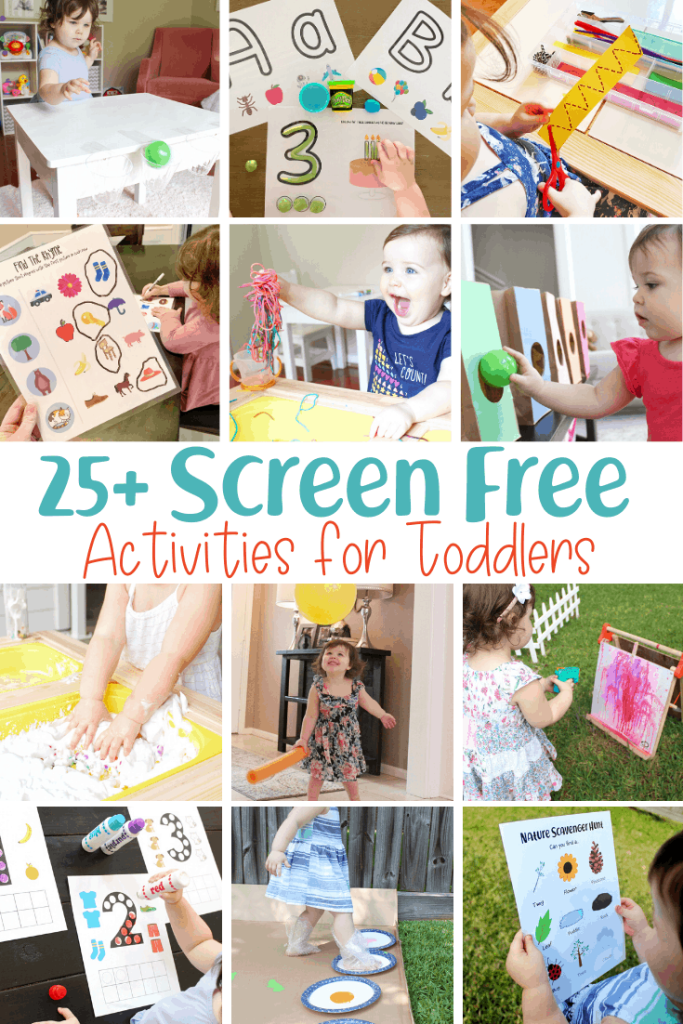
15 Screen-Free Activities
Ready to ditch the devices? Here are 15 screen-free activities to get you started. These are all designed to be engaging, educational, and, most importantly, fun for preschoolers. I’ve included a mix of options to suit different interests and energy levels.
Building Forts: Gather blankets, pillows, chairs, and anything else you can find to create a cozy fort. This encourages problem-solving, spatial reasoning, and imaginative play. It doesn’t need to be elaborate – a simple draped blanket can be a magical castle!
Nature Walks & Scavenger Hunts: Head outdoors and explore! A simple walk in the park can turn into an adventure with a scavenger hunt. Look for specific leaves, rocks, or flowers. This promotes observation skills and appreciation for nature.
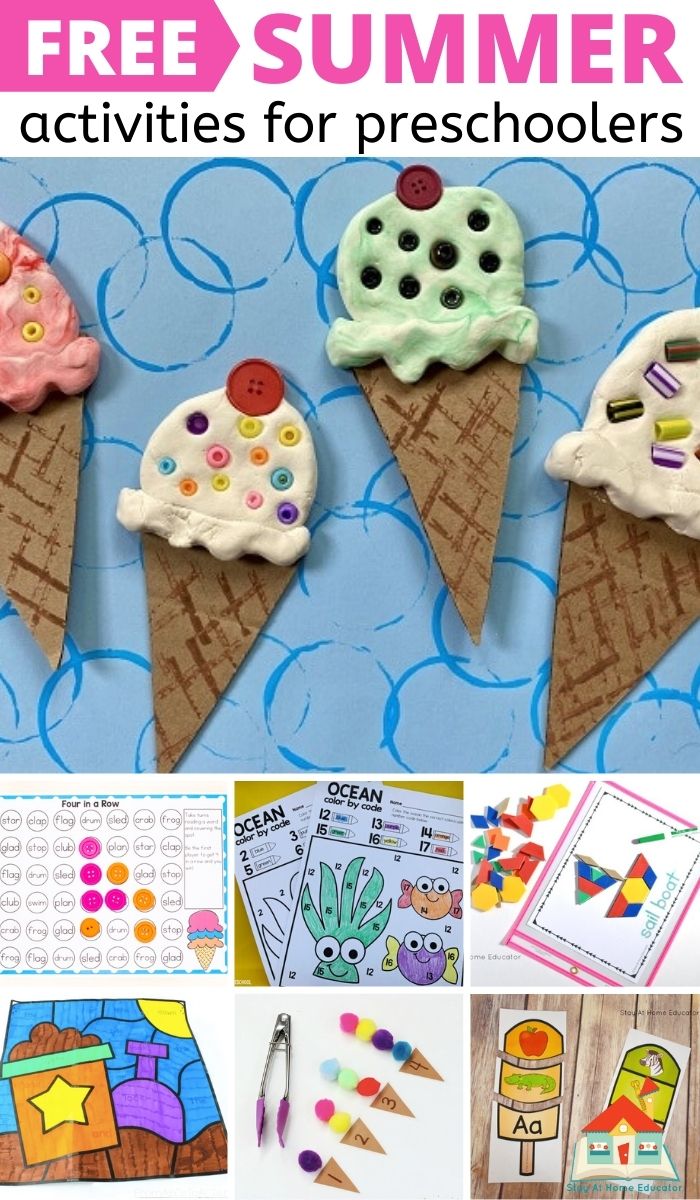
Playdough Creation: Homemade or store-bought, playdough is a classic for a reason. It strengthens hand muscles, encourages creativity, and provides sensory exploration. Add cookie cutters, rolling pins, and other tools for extra fun.
Simple Baking: Get your little one involved in baking cookies or muffins. Measuring ingredients teaches math skills, while following a recipe builds literacy skills. Just be prepared for a little mess!
Storytelling with Puppets: Use socks, paper bags, or store-bought puppets to act out stories. This boosts language development, imagination, and social skills. Encourage your child to create their own characters and narratives.
Dress-Up: Raid your closets (or a thrift store) for old clothes and accessories. Dress-up encourages imaginative role-playing and self-expression. It's a chance to be anyone they want to be.
Painting & Drawing: Provide paper, crayons, markers, and paint. Let your child explore their creativity without strict guidelines. Finger painting can be a particularly engaging sensory experience.
Sensory Bins: Fill a bin with rice, beans, pasta, or water and add small toys, scoops, and containers. Sensory bins provide tactile stimulation and encourage exploration. Supervision is essential with smaller items.
Music & Movement: Put on some upbeat music and dance! This promotes gross motor skills, coordination, and self-expression. You can also play musical games like freeze dance.
Board Games (Age-Appropriate): Simple board games like Candy Land or Chutes and Ladders teach turn-taking, counting, and color recognition. Choose games that are specifically designed for preschoolers.
Simple Science Experiments: Make a volcano with baking soda and vinegar, or explore sinking and floating with different objects. These experiments introduce basic scientific concepts in a fun and engaging way.
Creating Obstacle Courses: Use pillows, blankets, furniture, and toys to create an obstacle course. This promotes gross motor skills, problem-solving, and coordination.
Shadow Puppets: Use a flashlight and your hands to create shadow puppets on the wall. This encourages imagination, storytelling, and creativity.
'Mailbox' for Letter Writing/Drawing: Decorate a box as a mailbox and encourage your child to write letters or draw pictures for family and friends. This promotes literacy skills and communication.
Cardboard Box Creations: Don't throw away those cardboard boxes! A box can become a car, a house, a spaceship – anything your child imagines. This fosters creativity and problem-solving.
Art without the rules
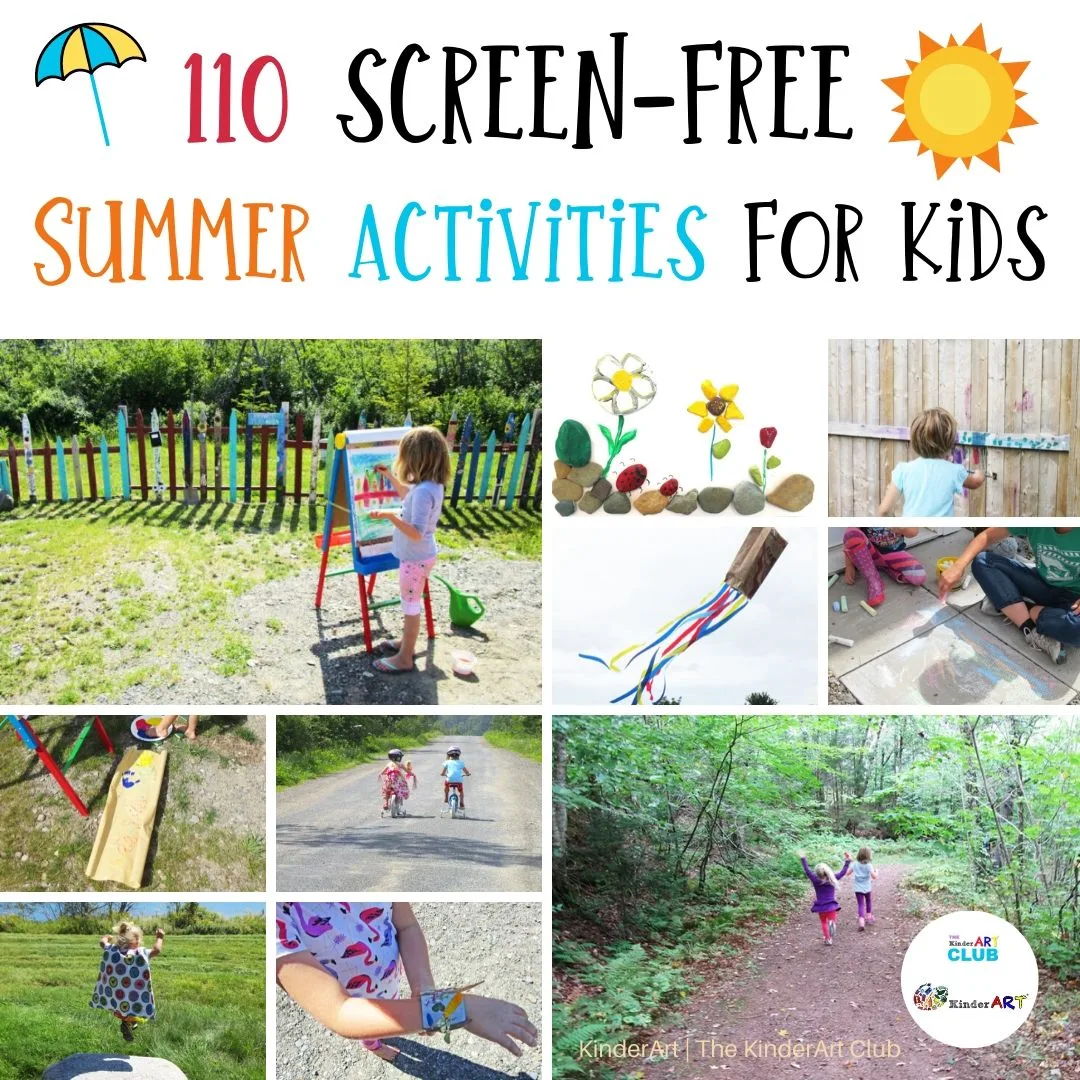
Painting doesn't require a brush. We use sponges, leaves, or even bubble wrap to get different textures. It's messy, but the goal is to let them see how colors mix and move rather than producing a masterpiece.
With playdough, instead of asking your child to make a specific shape, encourage open-ended exploration. What can they build? What stories can they tell with their creations? Provide tools like cookie cutters and rolling pins, but don't dictate how they should be used.
Storytelling with puppets is fantastic, but resist the urge to take over the narrative. Let your child lead the story, even if it’s silly or nonsensical. The process of creating and telling a story is far more valuable than a polished performance. Remember, it's about the process, not the product.
Active Play: Getting Bodies Moving
Running, jumping, and climbing are essential for developing gross motor skills. Building forts isn't just about creating a cozy space; it involves lifting, arranging, and problem-solving. Obstacle courses are another great way to get kids moving, and they can be adapted to any space.
Even a small apartment can accommodate an obstacle course. Use pillows as stepping stones, blankets as tunnels, and furniture as barriers. Outdoors, use natural elements like trees, rocks, and hills. The key is to encourage movement and exploration.
Unstructured outdoor play is incredibly beneficial. Simply letting your child explore a park or backyard allows them to use their imagination, develop social skills, and connect with nature. It's tempting to organize activities, but sometimes the best thing you can do is step back and let them lead the way.
Finding some quiet
Even during a digital detox, it's important to incorporate quiet time into your child's day. Sensory bins are excellent for this, offering tactile stimulation and encouraging focused exploration. A bin filled with rice and small toys can keep a child engaged for a surprisingly long time.
Simple board games, like those designed for matching or counting, can also provide a calming and focused activity. Reading together is, of course, a wonderful way to spend quiet time. Choose books with engaging illustrations and stories.
Creating a calming environment is key. Dim the lights, put on some soft music, and provide a comfortable space for quiet play. Encourage independent play by offering a variety of open-ended toys and activities. Thetoddlerplaybook.com has some excellent ideas for quiet time activities.
Making it Stick: Family Involvement
The most important ingredient for success is family involvement. These activities are much more enjoyable – and beneficial – when parents and caregivers participate with their children. Put down your own devices and fully engage in the fun.
Consider making screen-free time a regular family event. Perhaps designate one evening a week or one weekend day as a “digital detox” day. This will help establish a routine and reinforce the importance of unplugging.
Modeling screen-free behavior is also crucial. If you’re constantly on your phone or computer, it will be difficult to convince your child to put theirs down. Show them that you value their time and attention by being present and engaged.
No comments yet. Be the first to share your thoughts!