

Little Minds, Big Feelings
Preschoolers feel a wide range of emotions. While we might think of these early years as carefree, children experience disappointment, frustration, and anxiety. Supporting their emotional wellbeing is as important as ensuring they get enough sleep and nutritious food. Emotional health is foundational to a child’s development.
Mental health awareness in early childhood is growing. Today's faster, more demanding world can pass stress down to the youngest children. Early experiences shape brain development, and nurturing emotional skills early on offers lasting benefits. The goal is to equip children with tools to understand and manage their feelings, not to label them with diagnoses.
Mindfulness means paying attention to the present moment without judgment, noticing thoughts, feelings, and sensations without getting carried away. Emotional learning, or social-emotional learning, involves developing skills to understand and manage emotions, set positive goals, feel empathy, build positive relationships, and make responsible decisions.
Recognizing Emotional Cues
Recognizing when a preschooler struggles emotionally is important. Young children often lack the words to express their feelings, so we must pay attention to their behaviors. Common emotional expressions like sadness, anger, fear, and anxiety can appear differently in a three-year-old compared to a five-year-old.
Distress shows up as changes in behavior. An outgoing child might become withdrawn, or a calm child might become agitated. Sleep patterns can change, with difficulty falling asleep, nightmares, or frequent waking. Appetite can be affected, with some children losing interest in food while others eat for comfort. Play changes are also telling; a child might abandon favorite activities or play more aggressively. Instead of saying a child is 'exhibiting signs of anxiety,' we can say they’re 'clinging to a parent more than usual.'
Validate a child’s feelings, even if they seem small or irrational. Dismissing emotions by saying “Don’t be sad” or “There’s nothing to be afraid of” can make them feel worse. Instead, acknowledge their feelings: “I see you’re feeling sad that your tower fell down.” This shows the child their emotions are valid and you are there to support them. Acknowledgment doesn’t mean agreeing with the reason for the feeling, just recognizing the feeling itself.
- Withdrawal: Less interaction, playing alone more often
- Irritability: Easily frustrated, quick to anger
- Sleep disturbances: Difficulty sleeping, nightmares
- Changes in appetite: Eating less or more than usual
- Regression: Returning to earlier behaviors (e.g., thumb-sucking)
Breathing Buddies: Mindfulness in Action
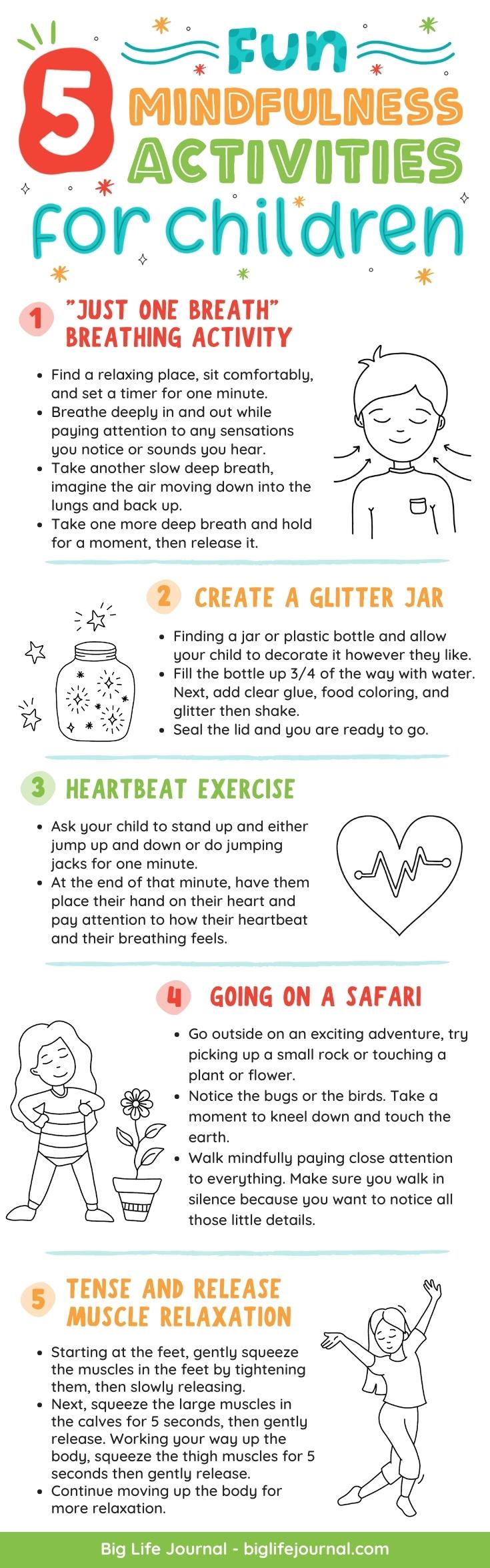
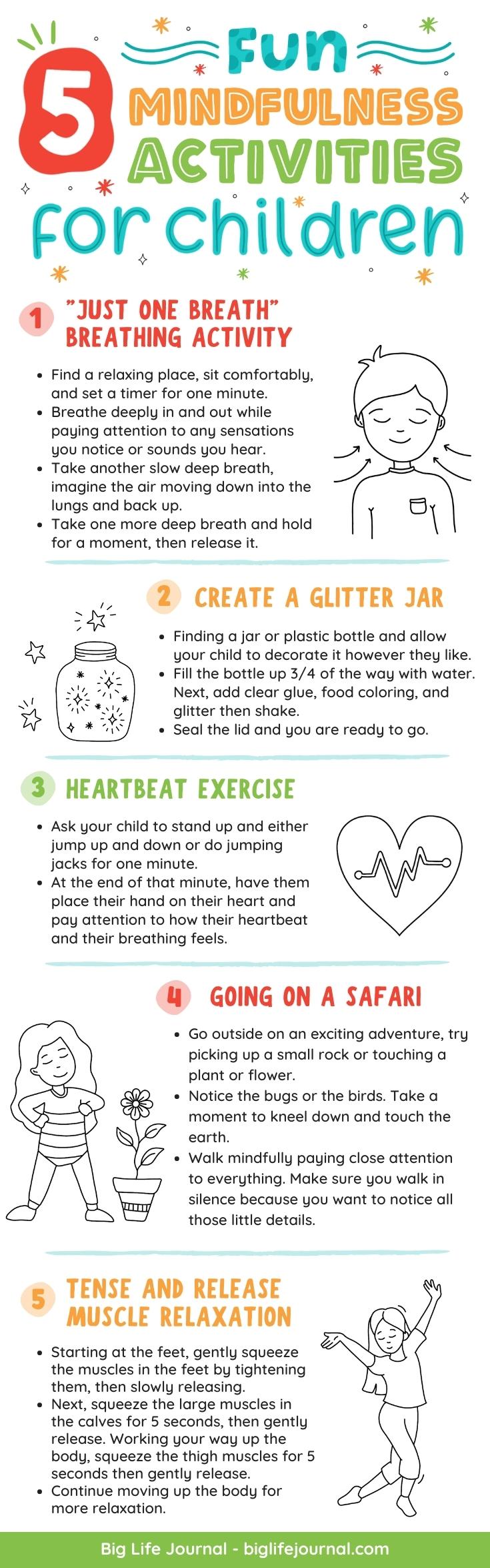
Focused breathing is a simple and effective mindfulness activity for preschoolers. These exercises help children calm down, regulate emotions, and improve attention. Make it playful and engaging, not a chore. We don’t want to add more stress to their day!
Start with "belly breathing.’ Have the child lie down with a stuffed animal on their tummy. Ask them to breathe in deeply, making the animal rise, and then breathe out slowly, making the animal fall. ‘Bubble breaths’ are another fun option – imagine blowing bubbles, taking a deep breath in and then slowly blowing out. ‘Smell the flowers, blow out the candle" is another classic; pretend to smell a beautiful flower and then gently blow out a candle.
Adapt these exercises for different age groups. Three-year-olds might need shorter sessions and more visual cues, while five-year-olds can handle slightly longer exercises and more abstract instructions. A common challenge is getting a wiggly child to sit still. Don’t force it! Start with just a minute or two, and gradually increase the duration as the child becomes more comfortable. Incorporate movement – like gentle stretches or yoga poses – to help them release energy.
Early Impact Learning suggests daily mindfulness practice, even a few minutes, can make a difference. They have had success with these techniques over 10 years of working with preschool children and emphasize the benefits of making it a regular practice. Consistency is more important than perfection.
Emotion Charades & Storytelling
Games are a fantastic way to help children explore and express emotions. Emotion charades is a classic. Write different emotions on slips of paper (happy, sad, angry, scared, surprised) and have children take turns acting them out. Adapt this by having them draw the emotion instead of acting it out, or by using puppets.
Storytelling is another powerful tool. Reading books about emotions starts conversations. Preschool Playbook has a fantastic collection of books for this purpose, including titles that address feelings like anger and sadness. Create collaborative stories together. Start a story with a sentence like "Once upon a time, there was a little bear who was feeling…," and then have each child add a sentence, exploring different emotional scenarios.
Here are a few prompts to get you started with collaborative storytelling:
- “A little bird was feeling lonely. What happened next?”
- “A child was very angry because… How did they solve the problem?”
- “A puppy was scared of the dark. What helped them feel better?”
Emotion-Focused Books
- The Color Monster: A Story About Emotions - This book by Anna Llenas helps children identify and understand different feelings by associating them with colors. It’s a great starting point for emotional literacy. (Age 3-6)
- In My Heart: A Book of Feelings - Jo Witek’s book uses a clever metaphor of a heart that changes shape and size to represent various emotions. It’s visually engaging and helps children connect feelings to physical sensations. (Age 2-5)
- When Sophie Gets Angry—Really, Really Angry… - Molly Bang’s story portrays a child’s experience with intense anger and how she learns to cope with it in a healthy way. It normalizes big feelings. (Age 4-7)
- Alexander and the Terrible, Horrible, No Good, Very Bad Day - Judith Viorst’s classic tale illustrates that everyone has bad days and that it’s okay to feel frustrated or upset. It offers a relatable experience for young children. (Age 4-8)
- Glad Monster, Sad Monster - Ed Emberley and Anne Miranda’s book uses interactive flaps to reveal different monster faces expressing various emotions, encouraging children to identify and mimic those feelings. (Age 3-6)
- Today I Feel Silly: And Other Moods That Make My Day - Jamie Lee Curtis’s book explores a range of emotions through playful rhymes and illustrations, helping children understand that feelings can change throughout the day. (Age 3-6)
- Listening to My Body: A Book to Help Children Learn to Tune into and Respect Their Bodies' Signals - Gabi Garcia’s book helps children connect physical sensations with their emotions, promoting body awareness and self-regulation. (Age 4-8)
Calming Corners & Sensory Play
A "calming corner" provides children a designated space to regulate emotions. This can be a cozy area in the classroom or at home, equipped with items that promote relaxation and self-soothing. Include soft pillows, blankets, calming music, and sensory toys.
Sensory toys are helpful. Stress balls, playdough, textured objects, and a simple jar of water with glitter can provide a calming distraction. The goal isn't to "fix’ the emotion, but to give the child a safe and supportive space to experience and process it. It’s a place to take a break, regroup, and develop coping strategies. A calming corner isn’t punishment; it"s a proactive tool for emotional regulation.
Sensory play is incredibly beneficial. Water play, sand play, and art activities provide opportunities for children to explore their senses and release energy healthily. The repetitive nature of these activities can be soothing, and they encourage creativity and self-expression. Don’t underestimate the power of a simple bucket of sand and some shovels!
Calm Classroom highlights creating a predictable routine around the calming corner. Teach children when it’s okay to use it, and how to use the materials respectfully. This reinforces the calming corner as a positive and supportive resource.
Modeling Emotional Regulation
Children learn by observing, including how to manage their emotions. As parents and teachers, be mindful of the example you set. It’s not enough to tell children to calm down; show them how.
undefined, you might say, “I’m feeling a little frustrated right now, so I’m going to take a few deep breaths.” This demonstrates that it’s okay to experience difficult emotions and that there are healthy ways to cope with them. It also normalizes the act of seeking support.
Staying calm when you’re stressed can be challenging, but it’s essential. Prioritize self-care – make time for activities that help you relax and recharge. This might be reading a book, taking a walk, or spending time with loved ones. Remember, you can’t pour from an empty cup.
When to Seek Extra Support
While most emotional fluctuations are a normal part of childhood, there are times when professional help might be needed. It’s important to trust your instincts as a parent or teacher. If you’re concerned about a child’s emotional wellbeing, don’t hesitate to seek support.
Signs that warrant a conversation with a pediatrician or mental health professional include persistent sadness, extreme anxiety, significant behavioral changes (like aggression or withdrawal), or difficulty functioning in daily life (like refusing to go to school). If a child is experiencing prolonged periods of distress that interfere with their ability to learn, play, or interact with others, it’s time to seek professional guidance.
There are many resources available to help you find qualified professionals. Your pediatrician can provide referrals, and you can also search online directories or contact local mental health organizations. Remember, seeking help is a sign of strength, not weakness.
- National Association of School Psychologists:
- Child Mind Institute:
- Your pediatrician: A great starting point for referrals.
No comments yet. Be the first to share your thoughts!