

Earth Day Fun: A 2026 Kickoff
Earth Day, celebrated annually on April 22nd, is a fantastic opportunity to introduce young children to the importance of caring for our planet. It’s not just about grand gestures; even the smallest actions can instill a lifelong appreciation for the environment. In 2026, we’re seeing a wonderful shift towards more hands-on, eco-conscious learning in preschools and at home.
There's a growing understanding that simply telling children about environmental issues isn't enough. They need to experience nature, get their hands dirty, and actively participate in sustainable practices. This approach fosters a deeper connection and a genuine desire to protect the Earth. I think it's especially important to connect their daily choices to the bigger picture.
Connecting young children with nature has proven benefits – from improved cognitive skills to reduced stress levels. When children spend time outdoors, they’re more likely to develop a sense of wonder and respect for the natural world. This is the foundation for environmental stewardship. We want to empower them to be future environmental advocates.
This year, let’s move beyond simply talking about recycling and delve into a range of engaging activities and crafts that will help preschoolers understand their role in protecting our planet. Below you’ll find 15 ideas, designed to be fun, educational, and easy to implement. Remember, every little bit helps, and even small steps can make a big difference.
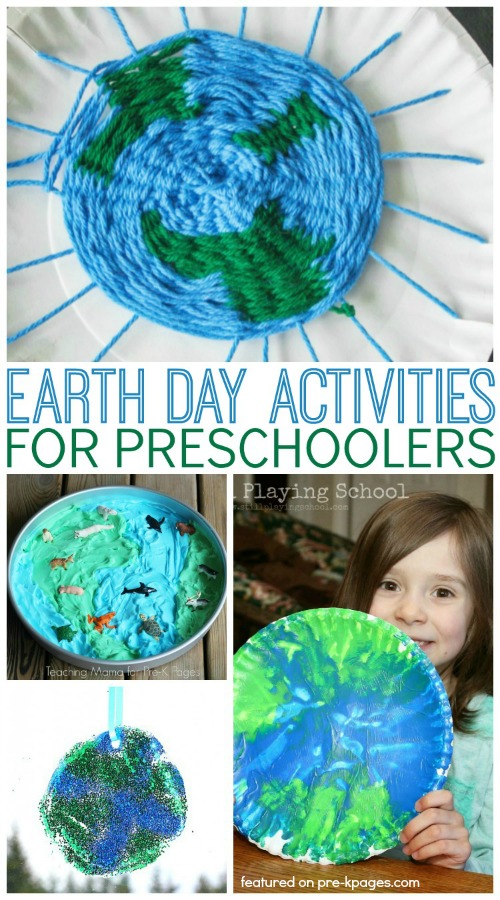
15 Eco-Friendly Activities & Crafts
Here are Earth Day activities and crafts perfect for preschoolers. A mix of options suits different interests and skill levels, drawing inspiration from resources like Pocket of Preschool and Pre-K Printable Fun. Each activity aims to be both educational and enjoyable.
1. Seed Bombs: Mix clay, compost, and wildflower seeds, roll into balls, and let dry. Kids can "bomb" bare patches of ground with these to help wildflowers grow. This is a fun way to talk about pollination and ecosystems.
2. Recycled Bird Feeders: Use plastic bottles or milk cartons to create bird feeders. This teaches children about helping wildlife and reusing materials. Pocket of Preschool has some great examples of adapting common household items.
3. Earth Day Sensory Bin: Fill a bin with natural materials like soil, rocks, leaves, and small plants. Add some toy animals to encourage imaginative play. This is a wonderful tactile experience.
4. Nature Collages: Collect leaves, flowers, and twigs on a nature walk and glue them onto paper to create beautiful collages. This encourages creativity and appreciation for natural beauty.
5. Paper Recycling: Demonstrate how paper is recycled. Have children sort paper scraps and discuss where recycled paper ends up. Pre-K Printable Fun offers a lesson plan around recycling basics.
6. Plant a Tree (or Seedlings): If possible, plant a tree or some seedlings. This is a powerful symbol of growth and renewal. Discuss the importance of trees for clean air.
7. DIY Compost Bin: Start a small compost bin in the classroom or garden. This teaches children about decomposition and reducing waste. It’s a fantastic hands-on science lesson.
8. Ocean Pollution Art: Discuss the impact of pollution on the ocean. Have children create artwork depicting clean vs. polluted oceans. This encourages empathy and awareness.
9. Upcycled Planters: Decorate old cans or plastic containers to create planters for herbs or flowers. This combines art and gardening.
10. Leaf Rubbings: Place leaves under paper and rub crayons over them to create beautiful leaf rubbings. This is a simple but effective art activity.
11. Reduce, Reuse, Recycle Sorting Game: Create a sorting game with pictures of items that can be reduced, reused, or recycled. This reinforces the 3 R’s.
12. Earth Day Hats: Make hats out of paper plates and decorate them with Earth-themed designs. This is a fun and festive craft.
13. Bug Hotel: Build a small "hotel" for insects using natural materials like twigs, leaves, and pinecones. This encourages respect for all creatures.
14. Water Conservation Posters: Have children create posters promoting water conservation. This encourages responsible water usage.
15. Nature Scavenger Hunt: Create a list of natural items for children to find on a scavenger hunt. This encourages exploration and observation.
Recycling Relay & Sorting Games
Let's expand on those recycling-themed activities. A recycling relay race is a high-energy way to teach children about sorting materials. Set up several "recycling bins’ labeled ‘Paper,’ ‘Plastic,’ ‘Glass,’ and ‘Metal.’ Provide a pile of ‘recyclables" (empty containers, cardboard boxes, etc.). Divide the children into teams and have them race to sort the items into the correct bins.
To create sorting games, you can use pictures of different materials or actual objects. For younger children, start with just two categories (e.g., paper and plastic). As they become more confident, you can add more categories. The Stay-at-Home Teacher has ideas for adapting these for literacy centers.
It’s crucial to explain why we recycle, not just how. Talk about how recycling saves resources, reduces landfill waste, and protects the environment. Use simple language and concrete examples. For instance, explain that recycling paper saves trees.
- Set up labeled recycling bins.
- Gather a pile of 'recyclables'.
- Divide children into teams.
- Race to sort items correctly.
Seed Starting & Mini Gardens
Starting seeds indoors is a rewarding experience for preschoolers. Use egg cartons or small peat pots filled with potting soil. Help children plant the seeds and water them gently. Sunflowers and herbs like basil are easy to grow and provide quick results. This also is a good time to talk about the life cycle of plants.
Creating mini-gardens in containers is another great option, especially if you have limited space. Use plastic tubs, old buckets, or even recycled containers. Fill them with potting soil and let children choose what to plant. Encourage them to care for their plants by watering them regularly.
Discuss the importance of pollinators like bees and butterflies. Talk about how they help plants grow by carrying pollen from one flower to another. You can attract pollinators by planting flowers that provide nectar and pollen. I've found that bright, colorful flowers tend to be the most effective.
This isn’t just about the plants themselves; it’s about understanding where our food comes from. Connecting children to the process of growing food fosters a deeper appreciation for healthy eating and sustainable agriculture. A small garden, even a container garden, can be a powerful learning tool.
Best Plants for a Preschool Earth Day Garden
| Plant Name | Sunlight Needs | Water Needs | Ease of Growth (1-5 stars) | Educational Value |
|---|---|---|---|---|
| Sunflower | Full Sun | Moderate | 4 stars | Attracts birds and pollinators; edible seeds |
| Radish | Full Sun to Partial Shade | Moderate | 5 stars | Fast growing; edible root; demonstrates plant life cycle |
| Marigold | Full Sun | Low | 4 stars | Repels some garden pests; bright color attracts attention |
| Lettuce | Partial Shade | Moderate | 3 stars | Edible leaves; demonstrates different leaf shapes and textures |
| Bean (Bush variety) | Full Sun | Moderate | 4 stars | Fast growing; edible pods; demonstrates plant growth |
| Zinnia | Full Sun | Moderate | 4 stars | Attracts butterflies; variety of colors |
| Tomato (Cherry variety) | Full Sun | Moderate | 3 stars | Edible fruit; demonstrates plant growth and fruit development |
Illustrative comparison based on the article research brief. Verify current pricing, limits, and product details in the official docs before relying on it.
Nature Scavenger Hunts & Art
Organize a nature scavenger hunt with a list of items for children to find, such as a smooth rock, a red leaf, a feather, a pinecone, and a twig. Encourage them to observe their surroundings carefully. It's a great way to get them moving and engaged with nature.
Using found natural materials for art projects is a fantastic way to combine creativity and environmental awareness. Leaf rubbings are simple and effective. Nature collages allow children to express their creativity using natural textures and colors. Rock painting is another popular option.
Emphasize the importance of respecting nature and leaving things as you found them. Teach children not to pick flowers unnecessarily or disturb wildlife. Remind them that we are visitors in nature’s home. It’s also a good opportunity to introduce basic plant and animal identification.
Composting Basics for Little Learners
Introduce the concept of composting in a simple way. Explain that composting is like giving food scraps a chance to become something new and helpful for plants. Tell them it's like making 'plant food' from things we don't eat anymore.
Discuss what materials can be composted: fruit scraps, vegetable peelings, leaves, coffee grounds, and shredded paper. Show them examples of each. Explain that certain things, like meat and dairy, shouldn’t be composted. A simple rule of thumb is "if it grew, it goes!"
Composting helps the environment by reducing landfill waste and creating nutrient-rich soil. You can build a simple compost bin using wooden pallets or a plastic container with holes for ventilation. Alternatively, a tumbling composter can be easier to manage. It’s important to show kids that "waste" can become something useful.
- Fruit scraps
- Vegetable peelings
- Leaves
- Coffee grounds
- Shredded paper
Upcycled Crafts: Trash to Treasure
Upcycled crafts are a fantastic way to teach children about resourcefulness and creativity. Turning cardboard boxes into forts, cars, or robots encourages imaginative play and problem-solving. Plastic bottles can be transformed into planters, bird feeders, or pencil holders.
Old t-shirts can be repurposed into reusable shopping bags or cleaning cloths. Newspaper can be used for papier-mâché projects. The possibilities are endless! The key is to look at "trash" with a new perspective and see its potential.
This section isn’t just about making crafts; it’s about changing mindsets. It's about demonstrating that we can reduce waste and create something beautiful and useful from materials that would otherwise end up in a landfill. It’s a powerful lesson in sustainability.
Encourage children to brainstorm their own upcycled creations. Provide a variety of materials and let their imaginations run wild. You might be surprised by what they come up with!
Earth Day Story Time & Discussion
Reading age-appropriate books about Earth Day and environmental themes is a great way to spark discussion and foster a love of reading. Some recommended titles include The Lorax by Dr. Seuss, The Earth Book by Todd Parr, and Compost Stew by Mary McKenna Siddals.
Provide discussion prompts to encourage children to think about their role in protecting the planet. Ask questions like: "What can we do to help the Earth?’ ‘Why is it important to recycle?’ ‘How can we save water?" Encourage them to share their ideas and perspectives.
These books and discussions can help children understand complex environmental issues in a way that is accessible and engaging. They can also inspire them to take action and become environmental stewards. Remember to keep the conversation positive and empowering.
What is your favorite Earth Day book to read with preschoolers?
We love pairing Earth Day activities with a great read-aloud! Tell us which beloved Earth Day picture book is a hit in your classroom or home. Vote below!
No comments yet. Be the first to share your thoughts!