
5 Sensory Play Stations for Spring 2026: Easy Preschool Activities
Spring 2026 brings fresh opportunities for tactile exploration, and the Preschool Playbook curates five sensory play stations designed for easy setup. These concrete activities transform ordinary household items into engaging learning tools that delight young minds.
-
melissa & doug scented markers
Engage preschoolers with the Melissa & Doug Scented Markers, which blend visual art with olfactory discovery. Each marker releases a distinct, safe fragrance like strawberry or lemon, turning simple drawing into a multi-sensory experience. This tool supports the Preschool Playbook by encouraging fine motor control while stimulating scent recognition, making it an ideal addition to any spring-themed creative station. -

crayola washable finger paints
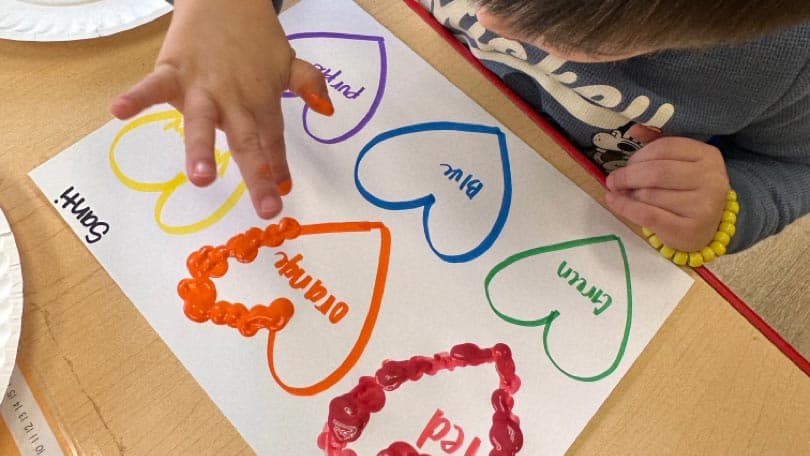
The Crayola Washable Finger Paints offer a vibrant, tactile way for toddlers to explore color mixing without the stress of permanent stains. The smooth, non-toxic formula glides easily across paper, allowing small hands to create bold textures. This activity aligns with the Preschool Playbook by fostering open-ended expression and sensory awareness through direct physical interaction with bright, spring-inspired hues. -
play-doh modeling compound set
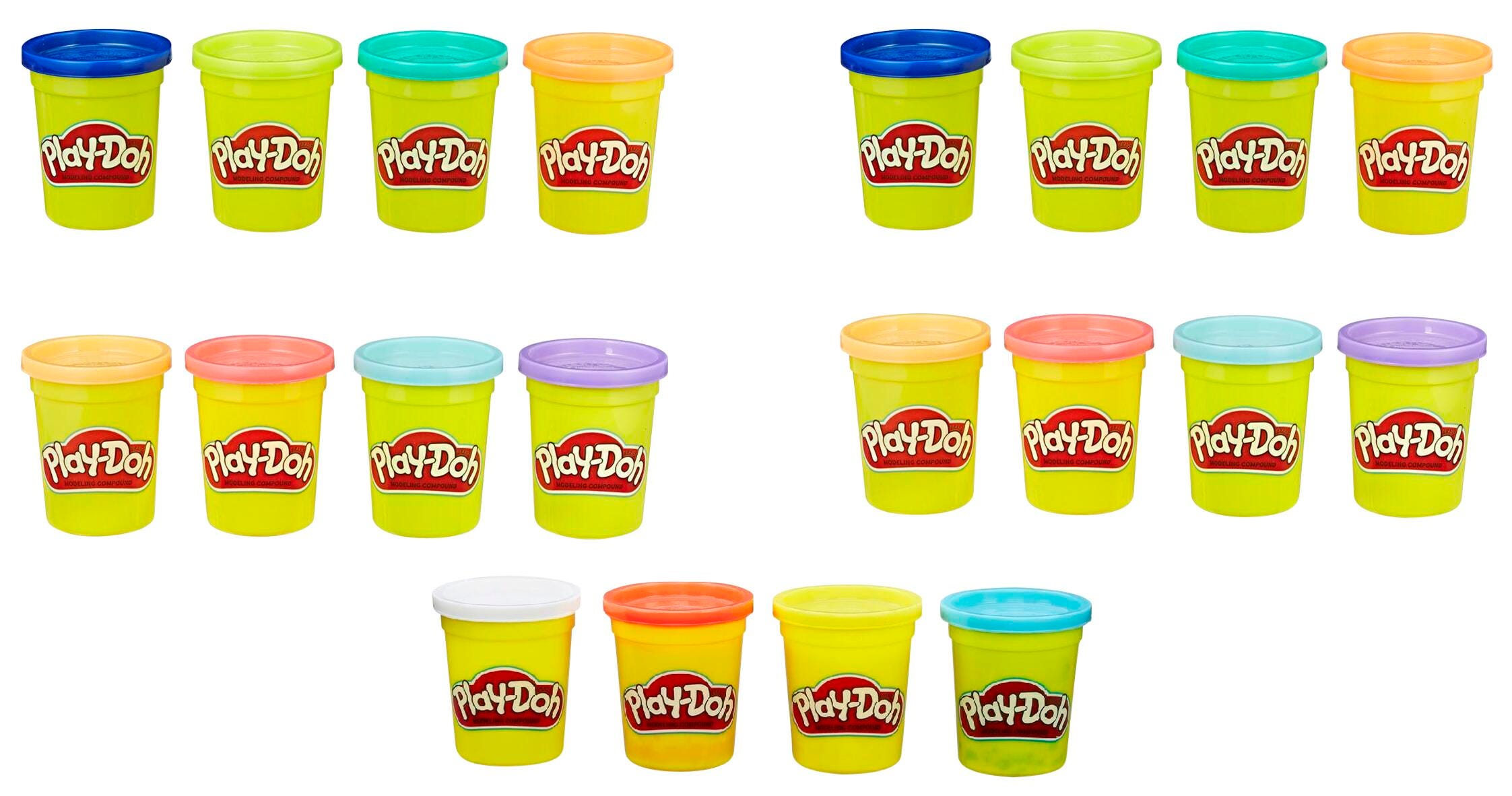
The Play-Doh Modeling Compound Set provides endless sculpting possibilities with its soft, pliable texture that strengthens hand muscles. Children can roll, pinch, and shape the colorful dough into spring flowers or garden creatures. This classic tool supports the Preschool Playbook by enhancing tactile discrimination and creativity, offering a safe, reusable medium for independent artistic exploration and sensory satisfaction. -
crayola kinetic sand bucket
Kinetic sand flows like wet sand but holds its shape, offering a unique tactile experience that soothes and engages young minds. The Crayola Kinetic Sand Bucket includes molds and tools for building intricate spring scenes, from castles to gardens. This activity supports the Preschool Playbook by developing fine motor skills and spatial awareness, allowing children to explore cause and effect through satisfying, moldable texture play. -
melissa & doug shape sorting cube
The Melissa & Doug Shape Sorting Cube challenges preschoolers to match geometric forms to corresponding holes, promoting cognitive development and hand-eye coordination. As children push blocks through the correct slots, they learn problem-solving and spatial reasoning. This sturdy wooden toy supports the Preschool Playbook by providing a concrete, hands-on method for mastering early math concepts and improving dexterity through repetitive, rewarding play.
Why spring sensory play works for preschoolers
Spring sensory play isn't just about getting messy; it's a structured way to build early cognitive and motor skills. The changing season offers natural textures, scents, and visual cues that spark curiosity in ways static classroom tools cannot. By engaging multiple senses at once, young children develop stronger neural connections for language, problem-solving, and emotional regulation.
The Preschool Playbook philosophy centers on low-prep, high-engagement learning. We believe that effective educational materials should be accessible to parents and teachers without requiring hours of preparation. The goal is to create activities that are ready in two minutes, using common household items or simple spring-themed finds.
This approach removes the barrier to entry for quality early education. Instead of searching for expensive, specialized kits, you can turn everyday objects into powerful learning stations. The focus remains on the child's interaction with the material, not the complexity of the setup.
Preschool Playbook Tip: Start with a simple bin. Fill it with dry rice or dried beans and add a few spring-themed scoops or cups. This basic setup encourages fine motor practice and color sorting, requiring zero special equipment.
We prioritize activities that blend learning with play, ensuring that educational goals are met without feeling like a lesson. By keeping the setup simple, you allow the child to dive deeper into the sensory experience, fostering independence and sustained attention.
Setup tips for busy parents
The Preschool Playbook promises activities ready in two minutes, but that speed only happens when your system is in place. You don’t need a dedicated playroom; you need a reliable "launchpad" that holds your supplies within arm's reach.
Keep a rolling cart or a dedicated shelf in your kitchen or living area stocked with the basics. Instead of hunting for items during playtime, keep these concrete staples on hand:
- Zip-top bags: For pre-portioned items like dried beans, rice, or small toys.
- Silicone baking mats: These replace paper towels and catch spills instantly. They wipe clean with one swipe.
- A small handheld vacuum: Keep a compact model near the play zone for quick dust-up.
- A "cleaning caddy": A small bin with a sponge, mild soap, and a towel for immediate post-play sanitization.
When you set up a station, lay down the silicone mat first. This single step contains 90% of the mess. After play, simply fold the mat, shake off dry debris into the trash, and wipe the surface. The Preschool Playbook’s low-prep promise holds true when you remove the friction of searching for supplies and managing the cleanup simultaneously.
Expand with the Preschool Playbook
If you want to move beyond these five sensory stations, the Preschool Playbook offers a structured way to keep learning playful. It is a hands-on curriculum designed for home use that adapts easily to your child’s pace. Rather than rigid lesson plans, it focuses on flexible, play-based activities that grow with your preschooler.
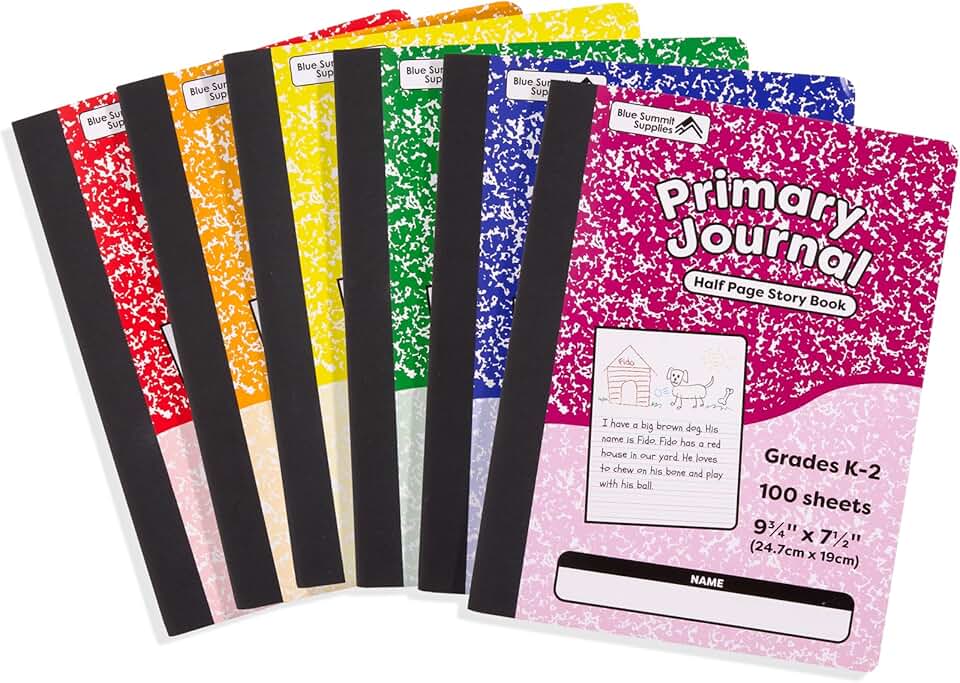
The system breaks down into three main parts: lesson plans, activity kits, and workbooks. The lesson plans provide the daily structure, while the activity kits supply the physical materials needed for each theme. The workbooks, like the Writing Journal, reinforce skills through practice. Together, they create a complete loop of instruction, hands-on play, and review.
Here is how the components compare so you can choose what fits your routine.
| Component | Role | Format | Best For |
|---|---|---|---|
| Lesson Plans | Guides the activity | Digital download | Daily structure |
| Activity Kits | Provides materials | Physical box | Hands-on play |
| Writing Journal | Reinforces skills | Printable workbook | Skill practice |
To get started, you can find the core journals and activity kits on Amazon. These products are designed to pair together, but you can also pick individual items to supplement your current play.


As an Amazon Associate, we may earn from qualifying purchases.
Spring learning: what to check next
Parents often ask how to keep spring sensory play safe and manageable. Here are direct answers to the most common concerns about materials, cleanup, and age ranges.
No comments yet. Be the first to share your thoughts!