
Rethinking preschool messes
Preschool is, by its very nature, a little messy. That’s okay! In fact, it’s wonderful. Mess often signals engagement, exploration, and a child actively constructing their understanding of the world. We sometimes get caught up in wanting everything to be neat and tidy, but a bit of controlled chaos is a good thing when it comes to learning.
When children work with recycled materials, they’re not just crafting; they're problem-solving, imagining, and building. Open-ended play with these materials—a cardboard box becoming a spaceship, a plastic bottle turning into a planter—allows for creativity to flourish, and the outcome isn’t the point. It's the process of creation that matters most.
I know it can be daunting to think about adding "more’ mess to the preschool day. But sustainable preschool crafts don"t need to be elaborate or overwhelming. They can be simple, manageable, and incredibly rewarding. The key is preparation and embracing the beautiful imperfections that come with little hands at work.
Cardboard projects
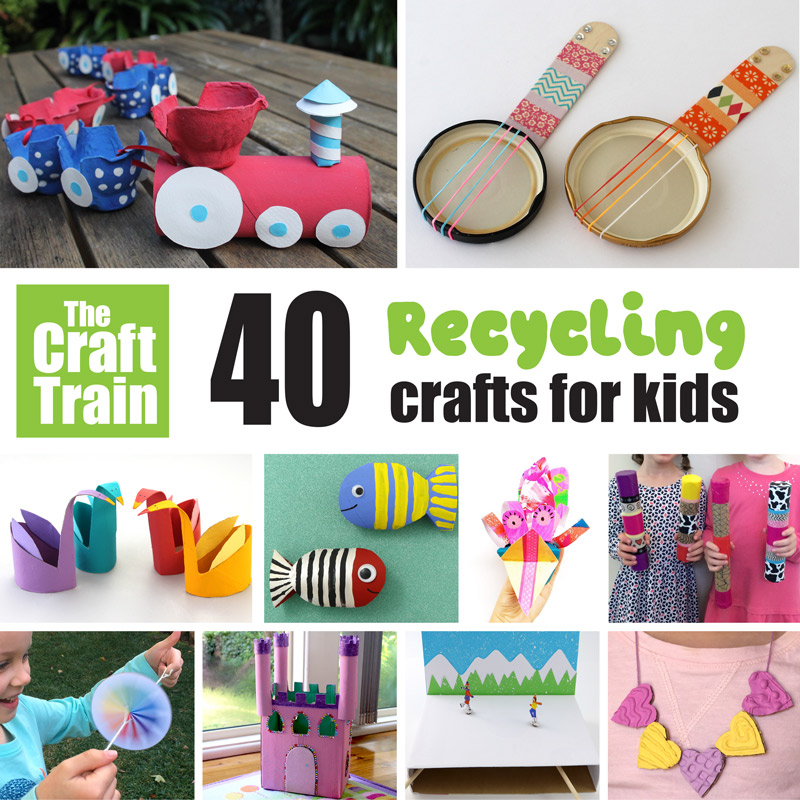
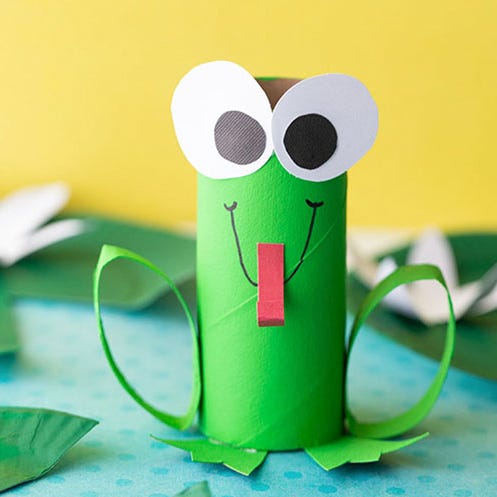
Cardboard is a true gift for preschool crafting. It’s readily available – think shipping boxes, cereal boxes, even toilet paper rolls – and incredibly versatile. It’s also free! Don’t underestimate the power of a simple cardboard box to ignite a child’s imagination.
A classic project is a cardboard tube marble run. Simply cut tubes in half lengthwise and tape them to a wall or large cardboard sheet, creating pathways for marbles to travel. For younger children, focus on simple, straight paths. Older preschoolers can help design more complex routes with turns and drops. It’s a great way to introduce basic physics concepts.
Building a cardboard box city encourages collaborative play. Provide a collection of boxes of various sizes, along with crayons, markers, and paint, and let the children design their own buildings. They can create roads, parks, and even little people to inhabit their city. This fosters social skills and spatial reasoning.
Wearable cardboard costumes are another hit. A box can become a robot, a car, or anything a child can dream up. Adult assistance is needed for cutting out armholes and head openings, but children can take the lead on decorating. Remember, the goal isn’t perfection, it’s fun and self-expression. It’s about the experience, not a perfectly polished product.
Using plastic bottles and containers
Plastic bottles and containers often end up in landfills, but they have a second life waiting to happen in the preschool classroom. Repurposing them not only provides crafting materials but also introduces a valuable lesson about reducing waste. Just be sure to prioritize safety.
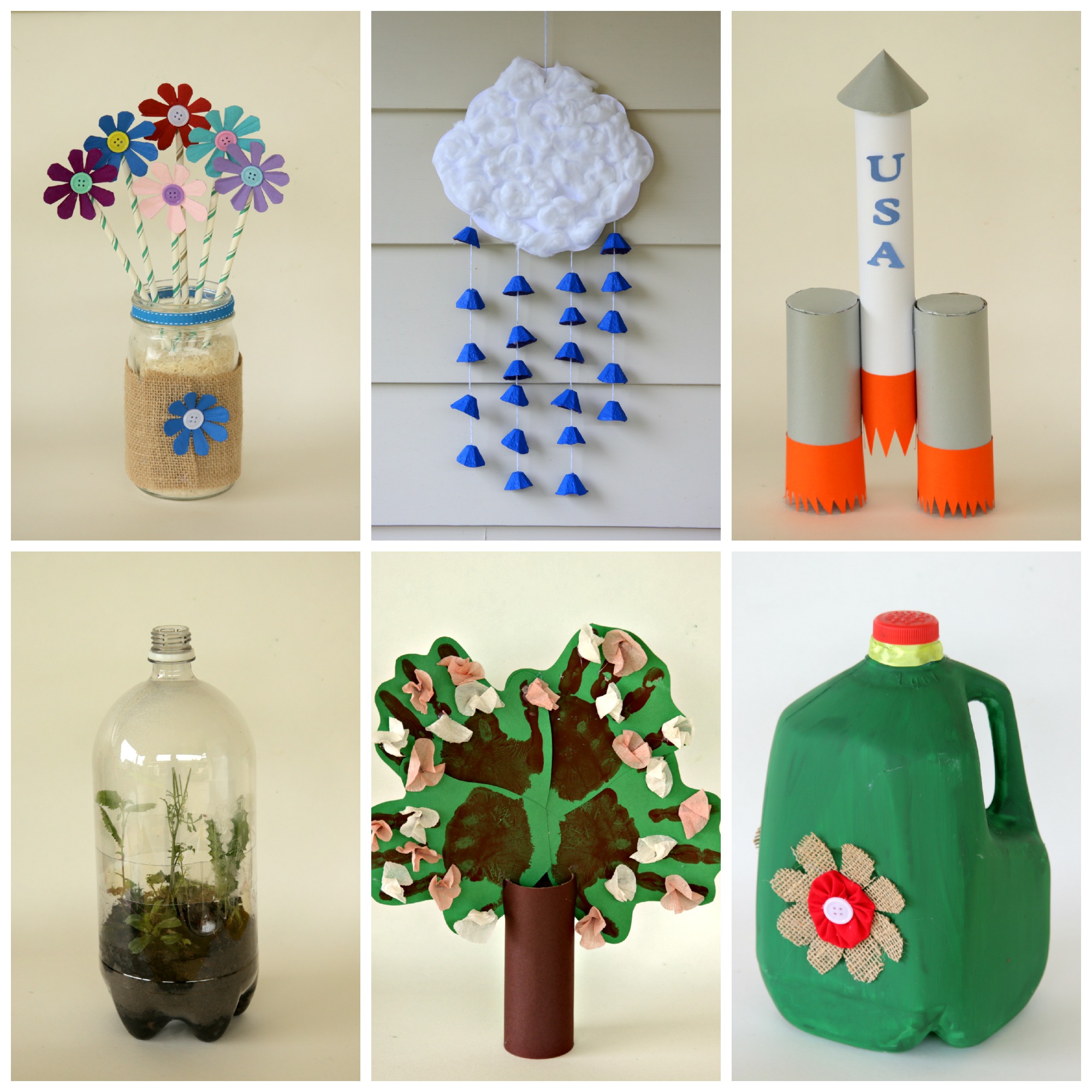
Plastic bottles can be transformed into planters for seeds. Cut the bottle in half, fill with soil, and plant seeds. This is a wonderful way to connect crafting with a simple gardening lesson. Children can learn about plant life cycles and the importance of caring for nature. It's a tangible way to see where food comes from.
Empty plastic containers make excellent musical shakers. Fill them with rice, beans, or pasta, securely seal the lid (tape it for extra security!), and let the children create their own rhythms. This is a fun way to explore sounds and develop musical skills.
Plastic lids make for great mosaic tiles. Cut them into small pieces and glue them onto cardboard to create patterns. Just make sure to wash the containers first and check for sharp edges after cutting.
Fabric scraps and textiles
Don't throw away those fabric scraps! Old t-shirts, leftover fabric from sewing projects, and even worn-out socks can be transformed into engaging art materials. Fabric offers a wonderful variety of textures and colors to explore.
Fabric scraps are perfect for collage. Children can glue them onto paper or cardboard to create pictures, patterns, or abstract designs. This is a great way to develop creativity and fine motor skills. Encourage them to layer different textures and colors.
With adult help, simple sewing projects can be introduced. Using large-eyed needles and yarn, children can practice basic stitching techniques. They can create small pouches, decorate fabric squares, or even make simple stuffed animals. This builds hand-eye coordination and problem-solving skills.
Fabric scraps can also be used to create sensory bins. Fill a bin with different fabrics—silk, cotton, velvet—and let children explore the textures. This is a calming and engaging activity that stimulates the senses. Giving clothing a "second life" is an impactful concept for young children to grasp.
Newspapers and scrap paper
Paper, in all its forms, is a fantastic resource for sustainable preschool crafts. Newspapers, magazines, napkins, and scrap paper can all be repurposed into creative projects. It’s a readily available material, and it's relatively inexpensive.
Paper mache is a classic activity that's always a hit. Children can create sculptures, masks, or bowls using strips of paper and a paste made from flour and water. This is a messy but rewarding process that encourages creativity and patience. It’s also a good way to reinforce shape recognition.
Paper bead necklaces are a fun and colorful project. Cut strips of paper, roll them tightly around a skewer, and glue the ends to create beads. String the beads onto yarn or string to make a necklace. This helps develop fine motor skills and hand-eye coordination.
Simplified origami—folding paper into simple shapes—is a great way to introduce geometric concepts. Start with easy folds, like making a paper airplane or a boat. It’s essential to safely dispose of any leftover materials by recycling them whenever possible. This reinforces the importance of environmental responsibility.
Leaves, sticks, and stones
Expanding the definition of "recycled’ to include natural materials brings another dimension to preschool crafting. Leaves, sticks, stones, and flowers can all be used to create beautiful and unique art projects. It"s a wonderful way to connect children with nature.
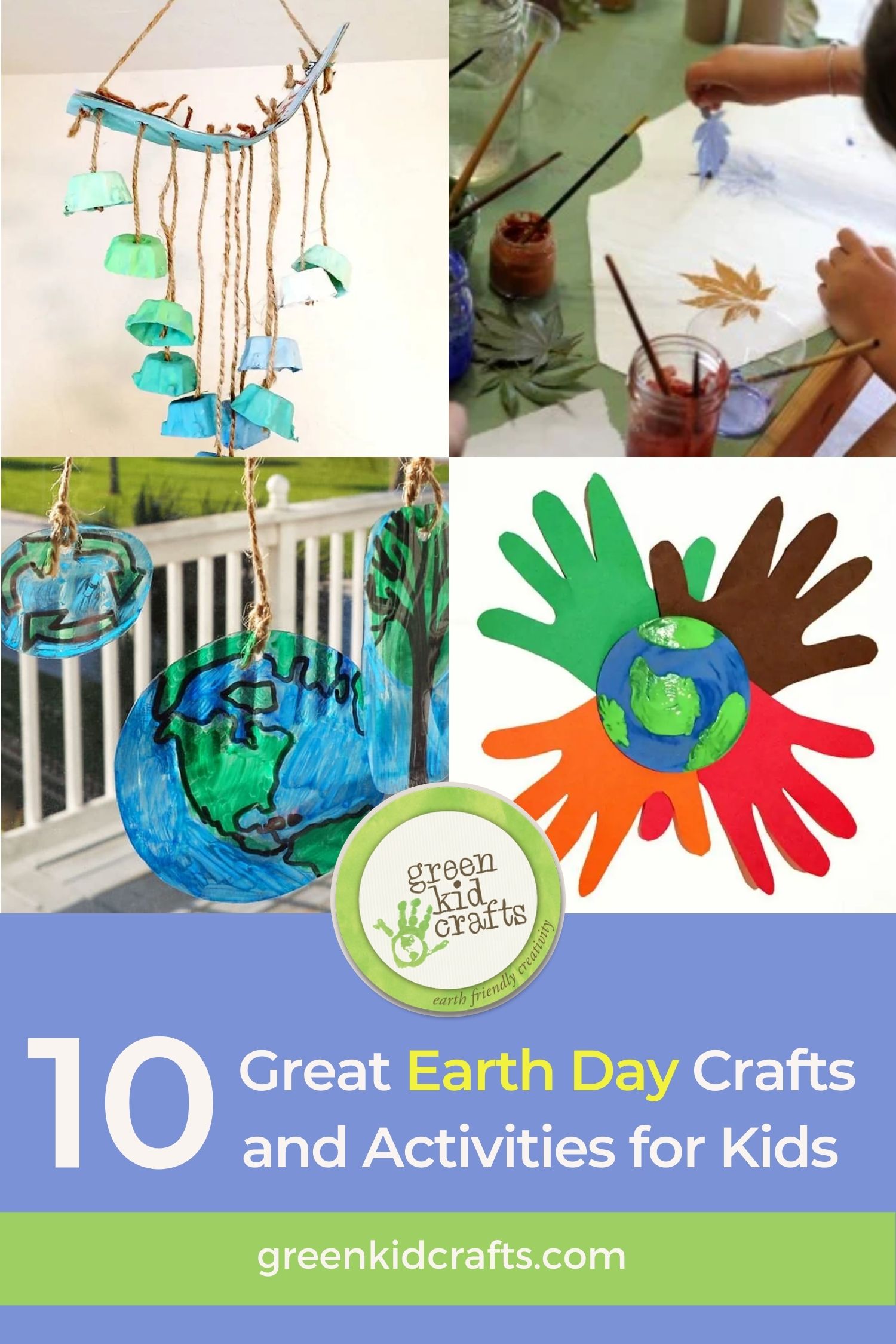
Leaf rubbings are a simple and engaging activity. Place a leaf under a piece of paper and rub over it with crayons to create an impression of the leaf’s veins. This is a great way to explore textures and patterns.
Stick sculptures can be created by gluing sticks together to form different shapes and structures. This encourages creativity and spatial reasoning. It’s a great way to build problem-solving skills.
Painting rocks is a fun and easy project. Children can use acrylic paints to decorate rocks with colorful designs. This is a great way to explore color and pattern. I'm not sure how long these crafts will last outdoors, but they provide immediate engagement and sensory exploration.
Sourcing and storage
The success of sustainable preschool crafts relies on having a consistent supply of recycled materials. Asking families to contribute is a great starting point. Send home a list of desired materials – cardboard boxes, plastic containers, fabric scraps, newspapers – and encourage them to save items that would otherwise be thrown away.
Local businesses may also be willing to donate materials. Restaurants often have cardboard boxes, and fabric stores may have scrap fabric. Don't be afraid to ask! Recycling centers can also be a good source of materials, but always check with them first to ensure it’s allowed.
Storage doesn’t need to be elaborate. Simple bins, boxes, or shelves can be used to organize materials. Label the containers clearly so children know what goes where. The goal is to make materials accessible and encourage independent exploration. It doesn’t need to be Pinterest-perfect – functional is key.
Keep a bin for scraps and talk about why we're using the old cereal box instead of buying new paper. It's a simple way to show kids that 'trash' still has value.
No comments yet. Be the first to share your thoughts!