

Crafting for Earth Day
Earth Day is a special time to show our planet some love! Celebrated annually on April 22nd, 2026, it’s a day to think about all the wonderful things Earth provides for us – the air we breathe, the water we drink, and the beautiful world around us. For preschoolers, this means learning simple ways to take care of our planet, and what better way to do that than through fun, creative crafts?
We can teach young children about responsibility and environmental awareness by turning everyday “trash” into treasures. Recycling and reusing materials isn't just good for the Earth; it sparks imagination and develops fine motor skills. These crafts aren’t about perfection, they’re about the process of learning and appreciating what we have.
This year, let's make Earth Day a hands-on experience for our little ones. These 15 eco-friendly crafts using recycled materials will not only keep them entertained but will also instill a sense of respect for our environment. It’s a chance to connect, create, and celebrate the planet we all share.
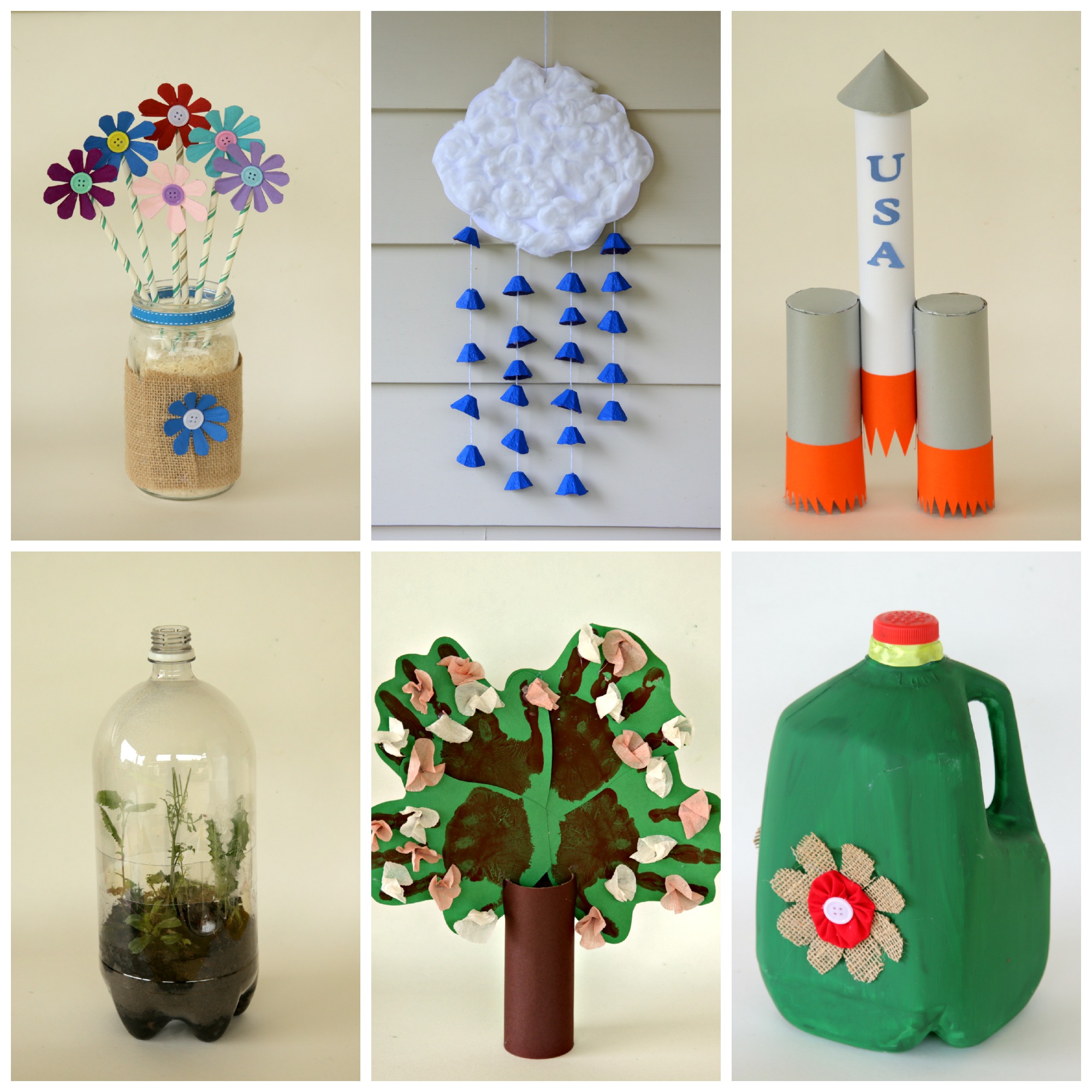
14 recycled crafts for Earth Day
Rummage through your recycling bin for these accessible and engaging preschool crafts. The projects range from simple activities for younger children to slightly more challenging ones. Adult supervision is recommended for all crafts.
Egg Carton Animals: Transform an empty egg carton into adorable animals! Cut out individual egg cups, let your child paint them, and then add googly eyes and construction paper features. This is excellent for developing fine motor skills and imaginative play.
Toilet Paper Roll Bird Feeders: Cover a toilet paper roll in peanut butter (check for allergies!), then roll it in birdseed. Thread a string through the roll and hang it outside. It’s a simple way to attract birds and teach children about wildlife.
Plastic Bottle Planters: Cut a plastic bottle in half, decorate it, and fill it with soil to grow seeds or small plants. This demonstrates the cycle of life and the importance of plants.
Cereal Box Puzzles: Draw a simple picture on a cereal box, then cut it into large puzzle pieces. This is a great way to reuse cardboard and practice problem-solving skills. It’s also a good opportunity to talk about shapes.
Paper Roll Caterpillars: Paint paper rolls and add pipe cleaner antennae and googly eyes to create colorful caterpillars. This is a fun and easy craft that encourages creativity.
Painted Milk Jug Planters: Similar to the bottle planters, milk jugs can be cut and decorated. These are sturdier and can hold larger plants. Be careful with cutting the plastic!
Recycled Paper Beads: Cut old magazines or newspapers into strips, roll them tightly around a toothpick, and glue the ends. String the beads together to create a unique necklace or bracelet. This is a bit more challenging but rewarding.
Tin Can Drums: Clean and decorate empty tin cans, then let your child use wooden spoons to create their own musical instruments. This is a noisy but fun way to explore sound and rhythm.
Newspaper Hats: Crumple newspaper into a hat shape and secure it with tape. Let your child decorate it with paint or markers. A classic craft that encourages imaginative play.
Bottle Cap Mosaics: Glue bottle caps onto a piece of cardboard to create a colorful mosaic. This is a good way to practice patterns and color recognition.
Cardboard Tube Marble Runs: Cut slits in cardboard tubes and tape them to a wall or large piece of cardboard to create a marble run. This encourages problem-solving and spatial reasoning.
Plastic Bag Weaving: Cut plastic bags into strips and weave them together to create a mat or basket. This is a more advanced craft that requires patience and dexterity.
Old T-Shirt Reusable Bags: Cut and sew an old t-shirt into a simple reusable shopping bag. This teaches children about reducing waste and being eco-conscious. Adult assistance is essential for the sewing part.
Yogurt Container Sorting Game: Decorate several yogurt containers with different colors or shapes, then have your child sort small objects into the corresponding containers. This is a great way to practice sorting and categorization skills.
Extending the lesson
Craft time is a wonderful starting point, but the learning shouldn’t stop there. Take the opportunity to discuss where trash goes after we throw it away. Talk about landfills and the importance of reducing the amount of waste we create. Simple explanations are best – focusing on keeping our planet clean and healthy.
Encourage children to think about small changes they can make in their daily lives to help the environment. Turning off lights when leaving a room, saving water while brushing their teeth, and reusing containers are all great examples. These actions, when practiced consistently, can make a big difference.
Creating a classroom or home recycling station is a fantastic way to reinforce these concepts. Clearly label bins for different materials (paper, plastic, glass) and involve the children in the sorting process. You can find additional Earth Day ideas and printables at preschoolplayandlearn.com to further enhance the learning experience.
- Talk about where trash goes.
- Discuss ways to reduce waste.
- Create a recycling station.
Safety First: A Note for Grown-Ups
Adult supervision is absolutely essential during all craft activities, especially when working with preschoolers. Scissors, glue, and other materials can pose safety hazards if not used properly. Take the time to demonstrate safe techniques and provide guidance as needed.
Before using any recycled materials, make sure they are thoroughly cleaned and sanitized. This will help prevent the spread of germs and ensure a safe crafting experience. Be mindful of potential allergies to materials like latex or certain types of paper.
You are responsible for ensuring the safety of the children in your care during these activities. Please exercise caution and common sense, and adapt the crafts to suit the individual needs and abilities of the children involved.
No-Mess Earth Day Fun
Let’s be honest, cleanup can sometimes be the least fun part of crafting. Luckily, several of these Earth Day activities are relatively mess-free! The 'No Mess Painting in a Bag Earth Craft' from Still Playing School is a perfect example – simply place paint and a piece of paper inside a sealed bag and let your child create their masterpiece without getting their hands dirty.
Using pre-cut shapes for mosaics or collages also minimizes mess. Similarly, the paper bead craft, while requiring some dexterity, doesn’t involve any wet materials. Focusing on activities that contain the mess within a defined space, like the bag painting or the yogurt container sorting game, can make craft time more enjoyable for everyone.
Even the plastic bottle planters can be relatively clean if you pre-cut the bottles and let the children focus on decorating them. A little planning can go a long way in keeping the mess under control.
Adapting Crafts for Different Ages
Preschoolers develop at different rates, so it’s important to adapt the crafts to suit their individual abilities. For younger preschoolers (around 3 years old), focus on simpler activities with larger materials. Think egg carton animals with minimal cutting, or painting paper rolls with large brushes.
Older preschoolers (around 5 years old) can handle more complex steps and benefit from opportunities to express their creativity. Encourage them to design their own mosaics, sew simple seams on the t-shirt bags (with assistance), or create more intricate marble runs. Providing choices and allowing them to lead the process can foster a sense of ownership and accomplishment.
Differentiation is key. Offer a range of materials and tools to cater to different skill levels. For example, some children might prefer to use pre-cut shapes for the mosaics, while others might enjoy cutting their own. The goal is to create a positive and engaging learning experience for all.
- Younger preschoolers (3 years old): Simpler activities, larger materials.
- Older preschoolers (5 years old): More complex steps, opportunities for creativity.
- Differentiation: Offer a range of materials and tools.
Adapting Earth Day Crafts for Different Preschool Ages
| Craft Activity | Age 3 Adaptation | Age 5 Extension |
|---|---|---|
| Paper Roll Seed Starters | Adult pre-cuts paper rolls; child fills with soil and adds seeds with assistance. | Child independently cuts paper rolls (with safety scissors), fills with soil, and plants seeds, labeling the plant type. |
| Cereal Box Puzzles | Adult cuts a cereal box into 4-6 large, simple puzzle pieces. Child matches and fits pieces together. | Adult cuts a cereal box into 8-12 smaller, more intricate puzzle pieces. Child assembles the puzzle and can decorate the back with Earth-themed drawings. |
| Plastic Bottle Bird Feeders | Adult pre-cuts holes in a plastic bottle. Child decorates the bottle and assists with adding birdseed. | Child, with supervision, uses scissors to carefully create holes in the plastic bottle and designs a more elaborate feeder, potentially researching preferred birdseed types. |
| Newspaper Seed Paper | Adult tears newspaper into small pieces and mixes with water to form pulp. Child helps spread the pulp onto a screen. | Child independently tears newspaper, mixes pulp, and forms seed paper, experimenting with different types of seeds embedded within the paper. |
| Egg Carton Earths | Child paints sections of an egg carton green and blue with assistance, creating a simple Earth representation. | Child independently paints an egg carton to represent Earth, adding details like continents and oceans, and discussing geographical features. |
Illustrative comparison based on the article research brief. Verify current pricing, limits, and product details in the official docs before relying on it.
Sourcing Materials: Where to Find Recyclables
The beauty of these crafts is that the materials are often free and readily available! Start by asking friends, family, and neighbors to save their recyclables for you. Empty cereal boxes, plastic bottles, toilet paper rolls, and tin cans are all valuable resources.
Local recycling centers or businesses that generate a lot of packaging waste may also be willing to donate materials. Don't be afraid to reach out and ask! You might be surprised by what people are happy to share.
Remember, the hunt for materials is part of the learning experience. Encourage children to look for unconventional items that can be repurposed. This fosters creativity and reinforces the idea that almost anything can be given a new life.
No comments yet. Be the first to share your thoughts!