

Beating the summer slide
Remember that first week of summer? The joy of no schedule, sleeping in, and endless possibilities? It’s wonderful, and kids deserve that break. But I’ve noticed, as a parent myself, that a little too much of a break can sometimes lead to a bit of a slowdown when it comes to skills they’ve been working on during the school year. It’s not that they’re losing ground, exactly, but things can get a little rusty.
Educators call this the 'summer slide.' A 2023 Rand Corporation study found that students lose about a month of learning over break. While that data focuses on older kids, the same dip happens with preschoolers. Their brains are moving fast, and stopping cold for three months makes the return to school harder than it needs to be.
The good news is that preventing summer learning loss is often easier than trying to catch up in the fall. It doesn’t require formal schooling or hours of worksheets. It’s about weaving learning into fun, engaging activities that keep their minds active and curious. Think of it as maintaining momentum, not making up for lost time. We want to keep those little brains stimulated!
Focusing on playful learning experiences is key. These don’t need to be complicated or expensive. Simple activities like reading, playing games, and exploring the outdoors can make a big difference. Proactive engagement during the summer can set your child up for success when they return to preschool in the fall. It's about building a love of learning, not creating stress.
30 ways to play and learn
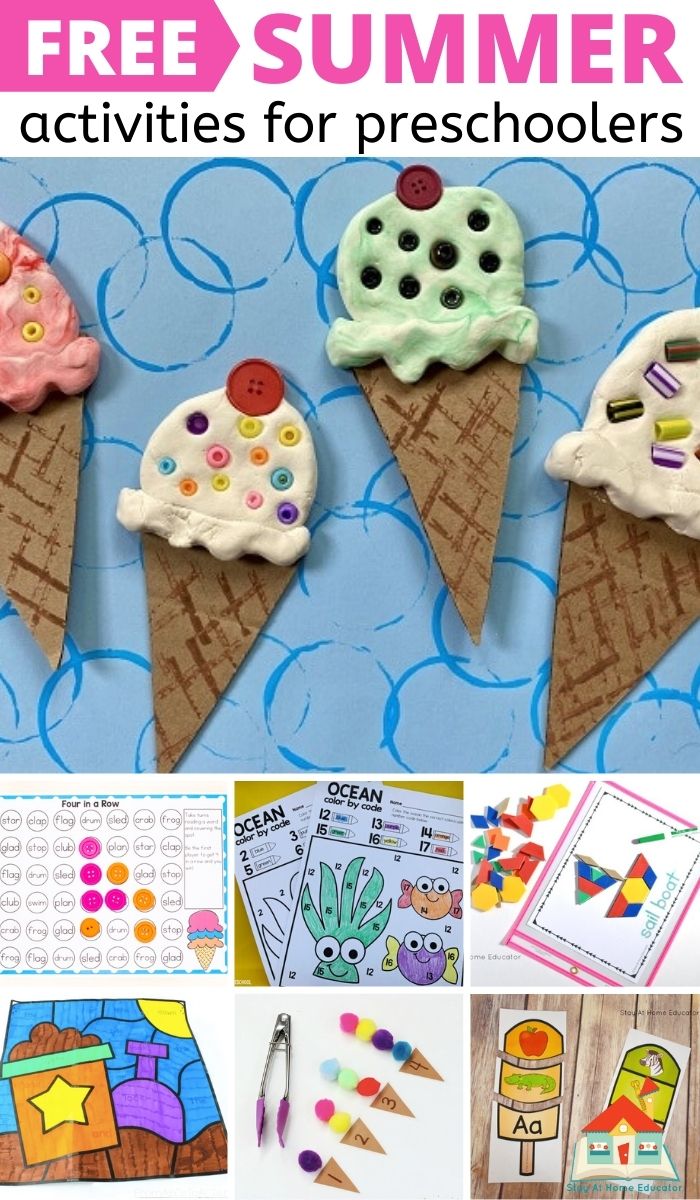
Let’s get to the fun part! Here are 30 ideas to keep your preschooler learning and engaged all summer long. I’ve tried to include a variety of activities that cater to different interests and learning styles. Many of these can be adapted to suit your child’s age and abilities.
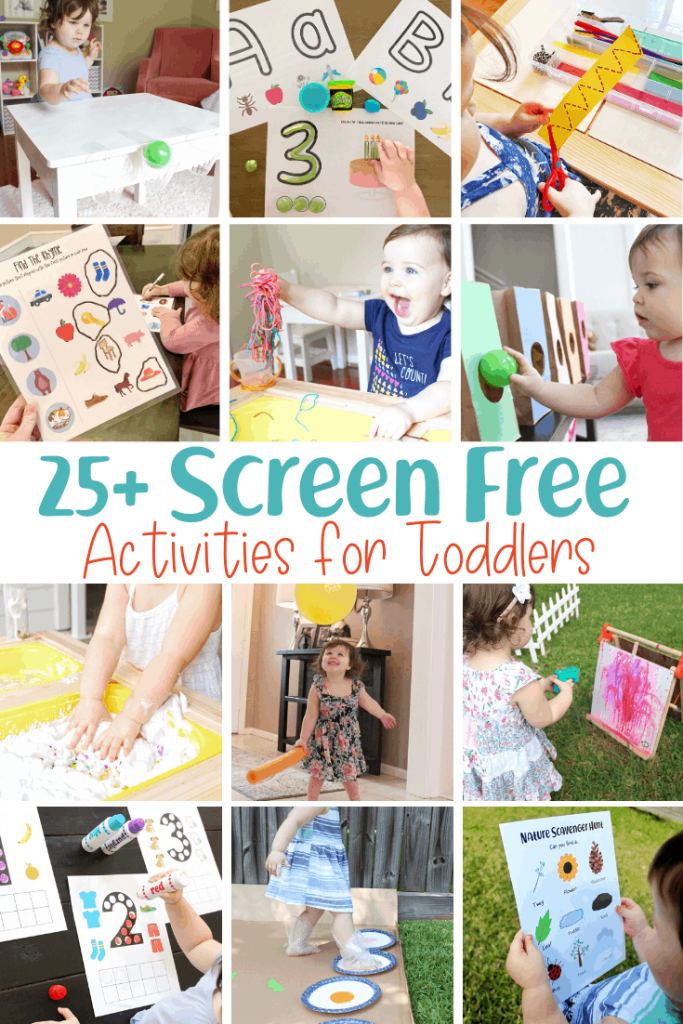
Nature Scavenger Hunt: Create a list of items for your child to find outdoors (a leaf, a rock, a flower, something red). This encourages observation skills and vocabulary development. Best for ages 3-5.
DIY Storytelling Puppets: Use socks, paper bags, or craft sticks to create puppets. Then, encourage your child to make up their own stories. This boosts creativity, language skills, and imaginative play. Ages 3-5.
Bubble Math: Count bubbles as you blow them, or have your child arrange bubbles in patterns. This introduces early math concepts in a playful way. Ages 3-4.
Sensory Bin Exploration: Fill a bin with rice, beans, pasta, or water and add small toys. This provides sensory stimulation and encourages exploration. Ages 3-4.
Sidewalk Chalk City: Create a city on your driveway with sidewalks, roads, and buildings. This fosters creativity, spatial reasoning, and social interaction. Ages 4-5.
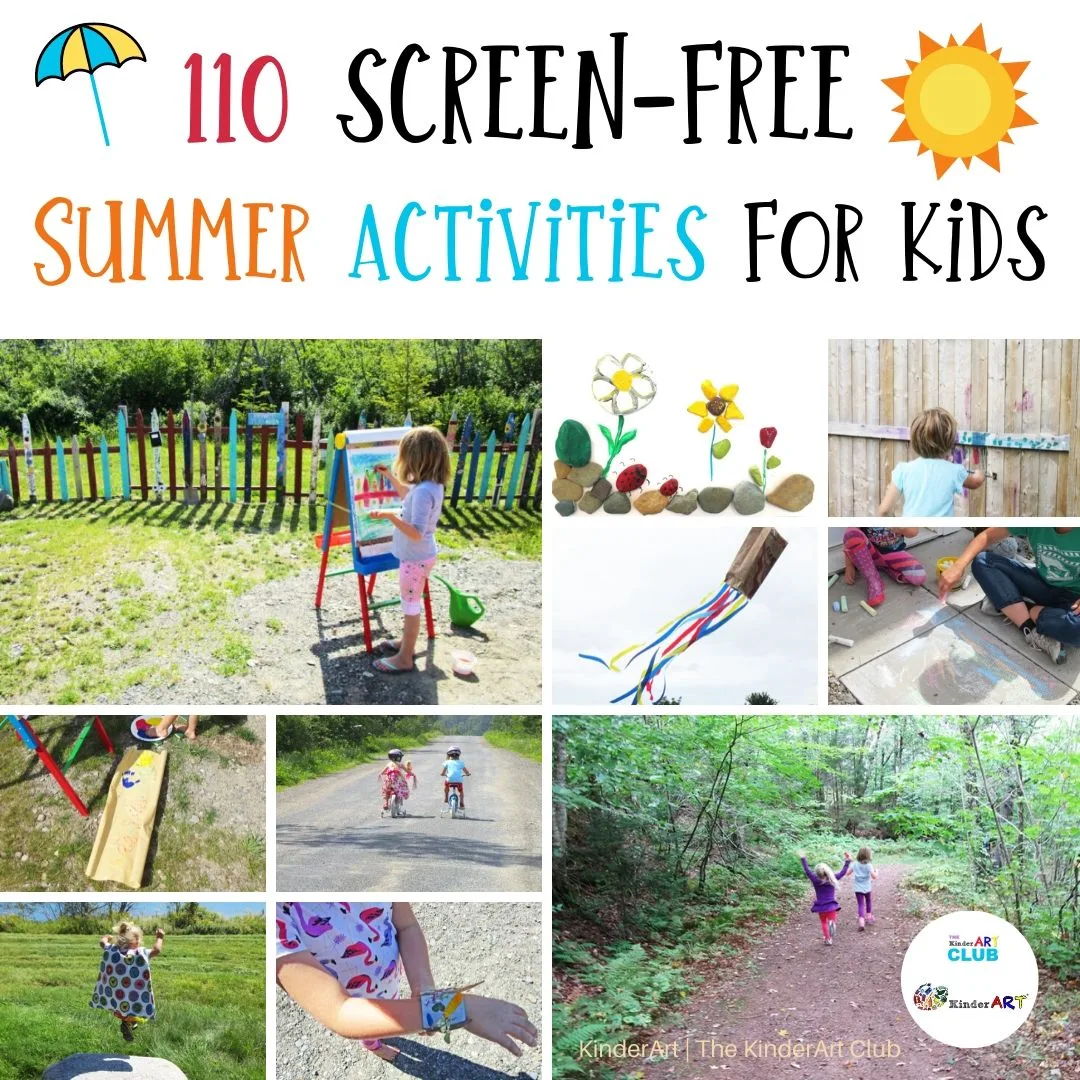
Water Painting: Provide a bucket of water and a paintbrush, and let your child 'paint' on a fence or sidewalk. This encourages creativity and fine motor skills. Ages 3-5.
Shape Sorting: Use different shaped objects (blocks, toys, cut-out shapes) and have your child sort them into categories. This reinforces shape recognition and classification skills. Ages 3-4.
Color Mixing: Experiment with mixing different colors of paint or playdough. This introduces color theory and encourages experimentation. Ages 4-5.
Building with Blocks: Encourage your child to build towers, houses, or other structures with blocks. This develops spatial reasoning, problem-solving skills, and fine motor skills. Ages 3-5.
Singing & Rhyming: Sing songs and read rhyming books. This enhances phonological awareness and language development. Ages 3-5.
Dress-Up & Role Play: Encourage your child to dress up and role-play different characters. This fosters imagination, social skills, and language development. Ages 3-5.
Simple Cooking: Involve your child in simple cooking tasks, such as washing vegetables or stirring ingredients. This introduces math concepts (measuring) and life skills. Ages 4-5 (with close supervision).
Gardening: Plant seeds and watch them grow. This teaches responsibility, patience, and an appreciation for nature. Ages 3-5.
Nature Walk & Collection: Take a walk in nature and collect leaves, rocks, and flowers. This encourages observation skills and an appreciation for the natural world. Ages 3-5.
Obstacle Course: Create an obstacle course in your backyard or living room. This develops gross motor skills and problem-solving skills. Ages 4-5.
Story Time at the Library: Visit your local library for story time. This encourages a love of reading and provides social interaction. Ages 3-5.
Letter Recognition Games: Play games that focus on letter recognition, such as matching letters or finding letters in books. Ages 4-5.
Counting Games: Play games that involve counting, such as counting toys or counting steps. Ages 3-4.
Sorting by Size: Have your child sort objects by size (small, medium, large). This reinforces size comparison skills. Ages 3-4.
Playdough Creations: Encourage your child to create different shapes and objects with playdough. This develops fine motor skills and creativity. Ages 3-5.
Homemade Musical Instruments: Make musical instruments out of recycled materials (e.g., shakers from plastic bottles filled with beans). This encourages creativity and musical exploration. Ages 3-5.
Shadow Play: Play with shadows using a flashlight and your hands. This encourages imagination and creativity. Ages 3-5.
Bird Feeder Creation: Build a simple bird feeder and observe the birds that visit. This encourages an appreciation for nature and observation skills. Ages 4-5.
Simple Science Experiments: Conduct simple science experiments, such as making a volcano with baking soda and vinegar. Ages 4-5 (with adult supervision).
Map Making: Create a map of your house or backyard. This develops spatial reasoning and map skills. Ages 4-5.
Pattern Building: Use beads, blocks, or other objects to create patterns. This introduces pattern recognition skills. Ages 4-5.
Animal Charades: Act out different animals and have your child guess what they are. This encourages creativity and physical activity. Ages 3-5.
Flashlight Tag: Play flashlight tag in a darkened room. This encourages physical activity and problem-solving skills. Ages 4-5.
Building a Fort: Build a fort indoors or outdoors using blankets, pillows, and furniture. This fosters imagination and creativity. Ages 3-5.
Cloud Watching: Lie on your back and watch the clouds, identifying different shapes and objects. This encourages imagination and observation skills. Ages 3-5.
Workbooks & Kits: Smart Summer Support
Sometimes, a little extra structure can be helpful, and that's where workbooks and activity kits come in. They can be a great way to reinforce skills learned during the school year, but it’s important to choose them carefully. You want something that’s engaging and educational, not just busywork.
The Highlights Summer Learning pack is a solid choice if you want something physical. It covers the basics like letters and counting without feeling like a chore. I like that kids can move through it at their own speed rather than following a strict curriculum.
Another option is to look for themed activity kits. These often include a variety of materials and activities related to a specific topic, such as dinosaurs or space. These can be a fun way to deepen your child’s understanding of a particular subject. However, remember that workbooks and kits are supplements to play-based learning, not replacements for it.
The key is balance. Workbooks can be good for focused practice, but make sure your child also has plenty of time for free play, outdoor exploration, and creative activities. If a child is becoming frustrated or bored with a workbook, it’s okay to take a break or switch to something else. Learning should be enjoyable, even in the summer.
Summer 2026 Preschool Learning Workbook/Kit Comparison
| Brand/Name | Focus | Age Range | Key Features | Parent Involvement Level | Price Range |
|---|---|---|---|---|---|
| Highlights Summer Learning Fun | General | Ages 4-6 | Includes multiple workbooks covering reading, math, and puzzles. Focuses on building skills for kindergarten readiness. | Medium | $$ |
| Kumon Preschool Summer Challenge | Math & Literacy | Ages 3-5 | Daily activities designed to reinforce early math and literacy skills through repetition and practice. | Low to Medium | $$ |
| Brain Quest Workbook: Preschool | General | Ages 3-6 | Question-and-answer format covering a broad range of preschool topics. Brightly illustrated and engaging. | Low | $ |
| Scholastic Summer Express Between Preschool & Kindergarten | General | Ages 4-5 | 12 weeks of activities to prevent summer learning loss, with a focus on reading, writing, and math. Includes stickers and a completion certificate. | Medium | $$ |
| Carson Dellosa Spectrum Preschool Summer Learning | Literacy & Math | Ages 4-6 | Workbooks with colorful illustrations and age-appropriate challenges. Covers letter recognition, counting, and problem-solving. | Medium | $ |
Illustrative comparison based on the article research brief. Verify current pricing, limits, and product details in the official docs before relying on it.
Weekly themes
Organizing activities around weekly themes can add an extra layer of excitement and cohesiveness to your summer learning. It allows you to explore a topic in depth and connect different activities together. This approach can be particularly helpful for preschoolers, who thrive on structure and repetition.
Ocean Week: Focus on all things ocean! Read books about sea creatures, create ocean-themed art projects, build a 'coral reef' with blocks, and play ocean-themed sensory games. You could even visit an aquarium if possible. Link back to the 'Nature Scavenger Hunt' – maybe look for shells on a beach trip!
Construction Week: Explore the world of building and construction. Read books about construction vehicles, build structures with blocks and LEGOs, and create a 'construction site' in your backyard. This ties in well with the 'Building with Blocks' activity from our list.
Dinosaur Week: Journey back in time to the age of dinosaurs! Read dinosaur books, create dinosaur fossils out of playdough, and go on a 'dinosaur dig' in your backyard. The 'Simple Science Experiments' section could be adapted to make 'volcanoes'!
Space Week: Blast off into outer space! Read books about planets and stars, create a 'solar system' with paper plates and paint, and build a 'rocket ship' out of cardboard boxes. For more ideas and detailed theme packs, preschoolplanit.com is a fantastic resource. They offer comprehensive plans with activity suggestions, printables, and more.
Reading All Summer Long
Reading aloud to your preschooler is one of the most important things you can do to support their development. It exposes them to new vocabulary, expands their imagination, and fosters a love of reading. Make reading a regular part of your summer routine.
Visit your local library and let your child choose their own books. Create a cozy reading nook where your child can relax and enjoy a book. Act out stories together, using different voices and props. Encourage your child to ask questions about the story and make predictions about what will happen next.
Don't limit reading to traditional books. Magazines, newspapers, and even menus can be used to build literacy skills. Remember that reading doesn't have to be formal. Incorporate reading into everyday activities, such as reading a recipe while cooking or reading a map while traveling. Reading with your child, not just to them, is what truly makes a difference.

No comments yet. Be the first to share your thoughts!