

Summer's Call: Unplug and Explore
Summer often brings a reliance on screens to keep preschoolers entertained. This summer, disconnect and explore the outdoors.
Preschoolers learn best through hands-on outdoor experiences. Nature offers sensory exploration, gross motor skill development through running and climbing, and social-emotional learning opportunities like sharing and cooperation.
This guide offers 30 screen-free summer activities to spark imagination, encourage learning, and create memories. The aim is more sunshine, laughter, and connection with the world.
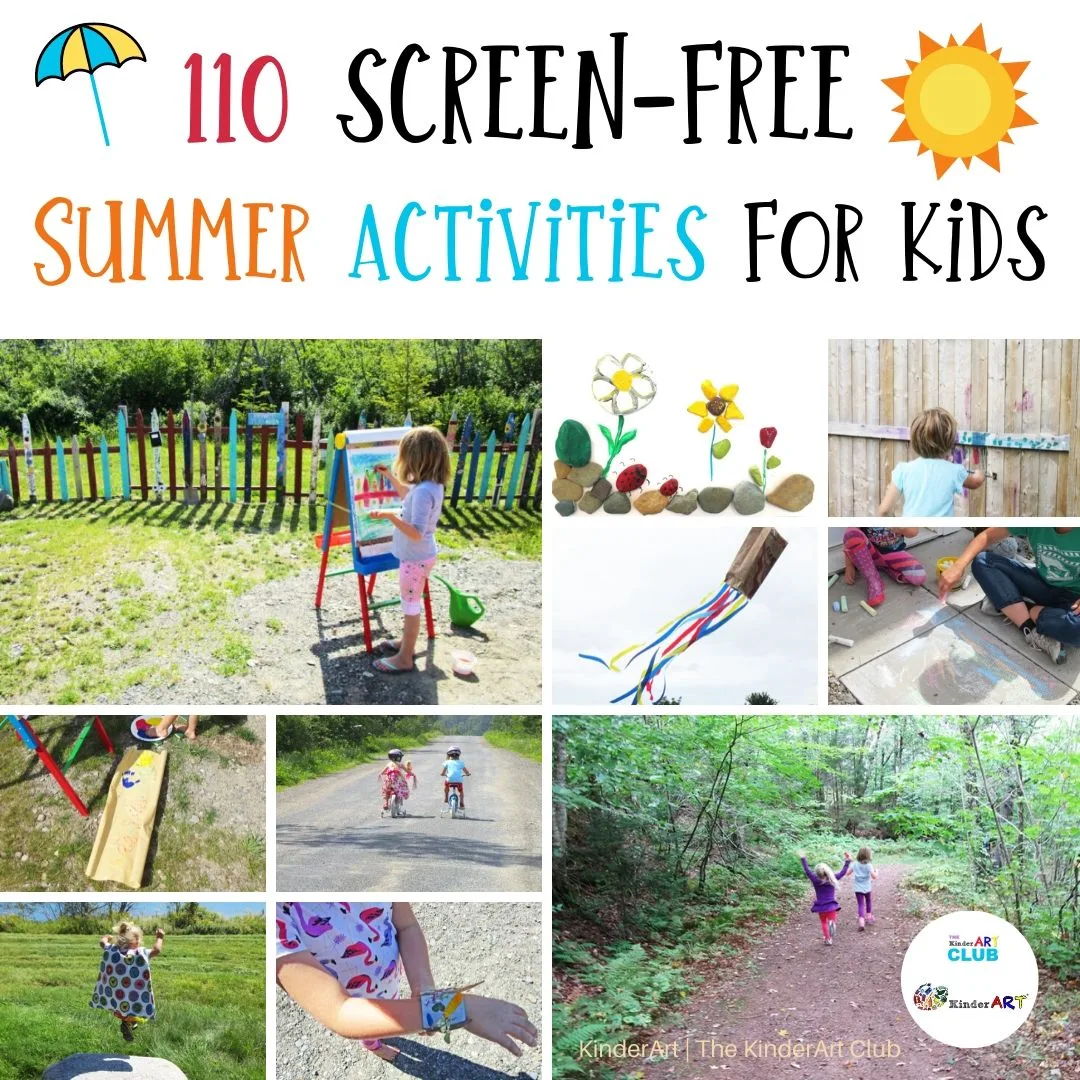
30 Screen-Free Summer Adventures
Here are 30 screen-free outdoor learning activities for preschoolers. Activities vary in preparation time and complexity; adapt them to your child's age and abilities.
Activities are categorized into nature exploration, art and creativity, water play, and building and construction. Choose activities that appeal to you and your preschooler.
- Nature Scavenger Hunt: Create a list of items to find (leaf, feather, smooth stone) – develops observation skills.
- Bubble Blowing: Classic fun that encourages chasing and popping – enhances gross motor skills.
- Sidewalk Chalk Art: Unleash creativity with colorful chalk – promotes artistic expression.
- Flower Picking (with permission): Learn about different types of flowers and practice gentle handling – fosters respect for nature.
- Cloud Watching: Lie on the grass and identify shapes in the clouds – stimulates imagination.
- Bird Feeder Building: Construct a simple feeder and observe the birds it attracts – introduces basic engineering and wildlife observation.
- Mud Kitchen: Set up a “kitchen” outdoors using mud, water, and natural materials – encourages imaginative play.
- Nature Collage: Collect leaves, flowers, and twigs to create a collage – develops fine motor skills and creativity.
- Leaf Rubbings: Place leaves under paper and rub with crayons – explores textures and patterns.
- Rock Painting: Decorate rocks with paint or markers – promotes artistic expression and fine motor skills.
- Water Table Play: Fill a table with water and provide cups, containers, and toys – encourages sensory exploration.
- Sponge Painting with Water: "Paint" surfaces with water using sponges – a mess-free art activity.
- Making "Potions": Mix water with flowers, leaves, and other natural materials – stimulates imaginative play.
- Washing Toys: Let your child wash their outdoor toys – teaches responsibility and practical life skills.
- Simple Boat Building & Racing: Construct boats from natural materials and race them in a puddle or stream – introduces basic engineering concepts.
- Fort Building (Branches & Blankets): Create a cozy fort using branches, blankets, and pillows – fosters imagination and problem-solving.
- Obstacle Course: Design an obstacle course using natural elements – enhances gross motor skills and coordination.
- Tower Building (Stones/Blocks): Construct towers using stones or blocks – develops spatial reasoning and problem-solving.
- Fairy House Building: Create a miniature house for fairies using natural materials – encourages imaginative play.
- Gardening (Planting Seeds): Plant seeds and care for them – teaches responsibility and introduces the life cycle of plants.
- Backyard Camping: Set up a tent in the backyard and "camp" overnight – fosters a sense of adventure.
- Nature Walk & Talk: Go for a walk and discuss what you see, hear, and smell – encourages observation and language development.
- Shadow Drawing: Trace shadows with chalk – explores shapes and light.
- Bug Hunt (Gentle Observation): Search for bugs and observe them carefully (release them afterward) – introduces entomology.
- Pinecone Bird Feeders: Coat pinecones with peanut butter and birdseed – combines art and nature.
- Homemade Playdough (Natural Colors): Make playdough using natural ingredients for coloring – a sensory and creative activity.
- Flower Crowns: Weave flowers into crowns – develops fine motor skills and creativity.
- Nature Mandalas: Arrange natural materials into symmetrical patterns – promotes creativity and mindfulness.
- Sound Scavenger Hunt: Identify different sounds in nature – enhances auditory skills.
- Texture Walk: Walk barefoot on different surfaces (grass, sand, stones) – stimulates tactile senses.
Nature's Art Studio
Nature offers abundant inspiration and materials for young artists. These activities emphasize the creative process, encouraging exploration of textures, colors, and shapes.
For a nature collage, collect leaves, flowers, and twigs. Glue them onto paper or cardboard to create a unique design. For leaf rubbings, place a leaf under paper and rub the side of a crayon over it to reveal its pattern and texture.
Mud painting uses mud, water, and brushes for painting on
Water Play Wonders
Water play is a classic summer activity for a reason. It’s incredibly engaging for preschoolers and offers a wealth of sensory benefits. From the cool, soothing sensation of water on their skin to the sound of splashing and pouring, water play stimulates multiple senses.
A simple water table filled with cups, containers, and toys can provide hours of entertainment. Encourage your child to pour, scoop, and measure. Sponge painting with water is a mess-free way to explore art. Let them "paint’ surfaces like fences or sidewalks with water and sponges. Making ‘potions" is another favorite – simply provide water and a collection of natural materials like flowers, leaves, and pebbles. They can mix and stir to create their own magical concoctions.
Always prioritize safety during water play. Never leave a child unattended near water, even in shallow containers. A simple homemade bubble solution is a hit: mix 1 cup of water, 2 tablespoons of dish soap, and 1 tablespoon of glycerin (or corn syrup). Supervision is key, even with shallow water. The sensory experience of water play is incredibly valuable for early development.
Building & Constructing: Little Engineers
Building and construction play is essential for developing problem-solving skills, spatial reasoning, and creativity. It allows preschoolers to experiment with different structures, test their ideas, and learn from their mistakes.
Fort building is a classic activity that never gets old. Encourage your child to use branches, blankets, pillows, and furniture to create a cozy hideaway. Building with stones or blocks is another great option. Challenge them to build the tallest tower they can or to create a specific shape. A fairy house is a whimsical project that encourages imaginative play. Use natural materials like twigs, leaves, and moss to create a miniature home for fairies.
Providing open-ended materials is crucial. This means giving your child materials that can be used in multiple ways, rather than specific building sets with predetermined instructions. This allows them to use their imagination and come up with their own unique creations. Building a simple bird feeder can also be a rewarding experience, teaching them about caring for wildlife.
Sensory Exploration: Beyond Sight
We often focus on visual stimulation, but engaging other senses is equally important for preschooler development. Sensory play helps children develop their brains, learn about the world around them, and regulate their emotions.
A sound scavenger hunt is a fun way to enhance auditory skills. Ask your child to identify different sounds in nature, such as birds chirping, leaves rustling, or the wind blowing. A texture walk encourages tactile exploration. Let them walk barefoot on different surfaces like grass, sand, and stones (ensure the surfaces are safe).
Create a smell station with different herbs or flowers and ask your child to identify the scents. A blindfolded nature walk (with very close supervision!) can heighten their other senses. The key is to create opportunities for them to experience the world in new and different ways. These experiences stimulate neural pathways and support overall development.
Standout Adventures: Worth a Closer Look
Let’s dive a little deeper into a few of the most engaging activities from our list. These are the ones that I’ve seen consistently capture the attention of preschoolers and provide lasting learning experiences.
First, let’s revisit fort building. Don’t just provide materials; challenge your child. "Can you build a fort that’s big enough for all your stuffed animals?’ or ‘Can you build a fort with a secret entrance?" This adds an extra layer of problem-solving. For homemade playdough, try this recipe: 1 cup flour, 1/2 cup salt, 1 cup water, 1 tablespoon oil, and natural food coloring (beet juice for red, spinach juice for green). Knead until smooth. Next, bird feeder construction can be elevated by researching what types of seeds different birds prefer.
Consider a more elaborate nature mandala. Instead of just arranging materials randomly, discuss symmetry and patterns with your child. Explain how a mandala is often a circular design with repeating elements. The mud kitchen can become a full-blown restaurant. Provide menus, aprons, and play food to enhance the imaginative play. Finally, learning to identify common backyard birds adds a scientific element to your outdoor adventures. A simple bird identification guide can be a great resource.
Keeping it Safe & Simple
As summer fun unfolds, remember that safety is paramount. Protect your child from the sun with sunscreen, hats, and protective clothing. Be vigilant about insect repellent, especially in areas with ticks or mosquitoes. And, of course, always provide close supervision, particularly during water play or when exploring natural environments.
But most importantly, keep it simple and low-pressure. It’s okay if activities don’t go as planned. The goal isn’t to create Pinterest-worthy projects; it’s to connect with nature, spend quality time together, and foster a love of learning. Let your child lead the way, follow their interests, and embrace the messiness.
A screen-free summer is an opportunity to create lasting memories and nurture your child’s development. It’s a chance to slow down, reconnect with the natural world, and rediscover the joy of simple pleasures. Remember to relax, have fun, and enjoy the journey!

No comments yet. Be the first to share your thoughts!