
Little Voices, Big Feelings
Preschoolers experience a wide range of new emotions, and these feelings can be intense. Even at a young age, children grapple with happiness, sadness, and anger. Learning to understand and manage these emotions is a fundamental life skill that should be fostered early on. Approaching these conversations with young children can feel daunting.
Music offers a unique way to connect with children. Songs are engaging, memorable, and provide a safe space for exploring complex feelings. A catchy tune and simple lyrics can open up a dialogue about emotions that might otherwise be difficult to start. This normalizes the conversation and lets children know that all feelings are valid.
Music can be a bridge to emotional literacy. It's not about fixing feelings, but about acknowledging them, understanding them, and learning healthy ways to cope. Songs serve as a starting point – an invitation to talk, to share, and to connect with the emotional world within.
The Science Behind Singing & Feelings
Music impacts our emotions profoundly due to its effect on brain chemistry. When we listen to or create music, our brains release dopamine, a neurotransmitter associated with pleasure and reward. Endorphins, which have mood-boosting effects, are also released. This physiological response makes music naturally soothing and uplifting.
Rhythm and melody also play a role. A slow tempo and predictable rhythm can ground us, helping to regulate our nervous system. A lullaby's calming effect is intentional. Singing together fosters connection and a sense of safety. When we harmonize with others, our brains release oxytocin, the 'bonding hormone'.
Music isn’t just entertainment; it’s a powerful tool that directly impacts our brain chemistry and emotional state. It helps us tap into our feelings and regulate them, even without consciously trying.
Calming Songs for Anxious Moments
When preschoolers feel anxious or overwhelmed, music can help. Songs that promote deep breathing, mindfulness, or positive self-talk can help them regulate their emotions and find calm. Choose songs with a slow tempo and gentle melodies. Lyrics should be simple and reassuring.
One example is “Rainbow Relaxation” by Patty Shukla. This song guides children through a simple visualization exercise, encouraging them to imagine a rainbow and focus on their breath. It is available on YouTube and Spotify. The gentle melody and calming voice make it effective. Use this during quiet time or when a child is visibly upset.
Another choice is “Breathe and Believe” by Sesame Street. This song encourages children to take deep breaths and believe in themselves. The upbeat tempo is surprisingly calming, and the lyrics are empowering. It is a good option for transitioning from a more active activity to a calmer one. It is available on YouTube.
Consider “Calm Down Song” by The Kiboomers. It is a simple, repetitive song that encourages deep breaths and counting. It is perfect for very young children who are just learning about emotional regulation. Use this during circle time, or as a quick reset activity throughout the day. These songs can be adapted for individual use, playing them quietly for a child who needs a moment to themselves.
Calm Down Songs for Kids
This playlist offers a gentle collection of songs designed to help young children relax and manage their emotions, making it an ideal resource for teaching emotional regulation in a preschool setting.
Songs to Name Those Feelings
Many preschoolers struggle to articulate their feelings. They might know that they’re upset, but not why. Songs can provide the vocabulary they need to identify and label their emotions. This is a crucial step in emotional regulation – you cannot manage a feeling if you cannot name it.
“If You’re Happy and You Know It” is a classic, but it can be adapted to include other emotions! Sing “If you’re sad and you know it, let a tear fall down” or “If you’re angry and you know it, stomp your feet around.” This encourages children to connect physical sensations with specific emotions. Jack Hartmann has a version on YouTube focused on mental health.
“The Feelings Song” by Bounce Patrol is another option. This song introduces a variety of emotions – happy, sad, angry, scared – and encourages children to express them through facial expressions and body language. It is a fun and engaging way to expand their emotional vocabulary. The song’s bright visuals also help illustrate each emotion.
“Today I Feel Silly” by Raffi is a playful song that normalizes experiencing a range of emotions, even silly ones! It is a reminder that it is okay to not always feel perfect. This song acknowledges that feelings are fleeting and can change from moment to moment. It is important to emphasize to children that all feelings are okay, and songs like this can help reinforce that message.
Moving Through Big Emotions
Teach preschoolers healthy ways to cope with difficult emotions. Songs can provide a framework for understanding that it is okay to feel angry, but not okay to hurt others. They can also promote problem-solving and emotional regulation strategies. This equips children with the tools they need to navigate challenging feelings.
“When I Feel Angry” by Sesame Street encourages children to take a break and calm down when they feel angry. The lyrics suggest taking deep breaths, counting to ten, or asking for help. It is a simple but effective message. This song can serve as a springboard for discussing healthy coping mechanisms.
“Take a Break” by GoNoodle is a high-energy song that encourages children to move their bodies and release pent-up energy. Physical activity is a great way to regulate emotions, and this song makes it fun and engaging. While energetic, it also incorporates a reminder to take a moment for themselves.
Follow up these songs with a conversation. Ask children, “What do you do when you feel angry?” or “What helps you calm down?” This encourages them to reflect on their own experiences and develop personalized coping strategies. Songs are a starting point, not a solution.
Creating Your Own Emotional Songs
You do not need to be a musician to create your own emotional songs with preschoolers! Simple melodies and repetitive lyrics are often the most effective. The goal is not to create a masterpiece, but to provide a creative outlet for exploring feelings.
Think about everyday experiences. What makes your child happy? What
Involve the children in the songwriting process. Ask them what rhymes with “sad” or “happy.” Let them choose the melody. This not only makes the song more meaningful to them, but also empowers them to express themselves creatively. It’s about making it a collaborative and fun experience.
Don't worry about perfection. The beauty of these songs lies in their simplicity and authenticity. The most important thing is to create a safe and supportive environment where children feel comfortable expressing their emotions.
Songs for Building Resilience
Resilience – the ability to bounce back from challenges – is a crucial skill for preschoolers to develop. Songs can play a role in fostering this resilience by promoting self-confidence, a growth mindset, and a belief in one’s own abilities. It's about helping children understand that it’s okay to make mistakes and that learning takes time.
“I Can Try” by Elizabeth Mitchell is a gentle reminder that even when things are difficult, we can always try our best. The lyrics are simple and encouraging, and the melody is soothing. This song is particularly helpful for children who are hesitant to try new things.
“The Trying Game” by Laurie Berkner Band celebrates the process of learning and trying, even when we don’t succeed right away. It’s a fun and upbeat song that encourages children to embrace challenges and persevere through difficulties. The song’s playful energy makes it particularly engaging.
“You Are Special” by Sesame Street is a classic song about self-worth and acceptance. It’s a reminder that everyone is unique and valuable. I often use this song to create a positive classroom environment where children feel safe and supported. It's important to reinforce these messages throughout the day, not just during music time.
Beyond the Song: Extending the Learning
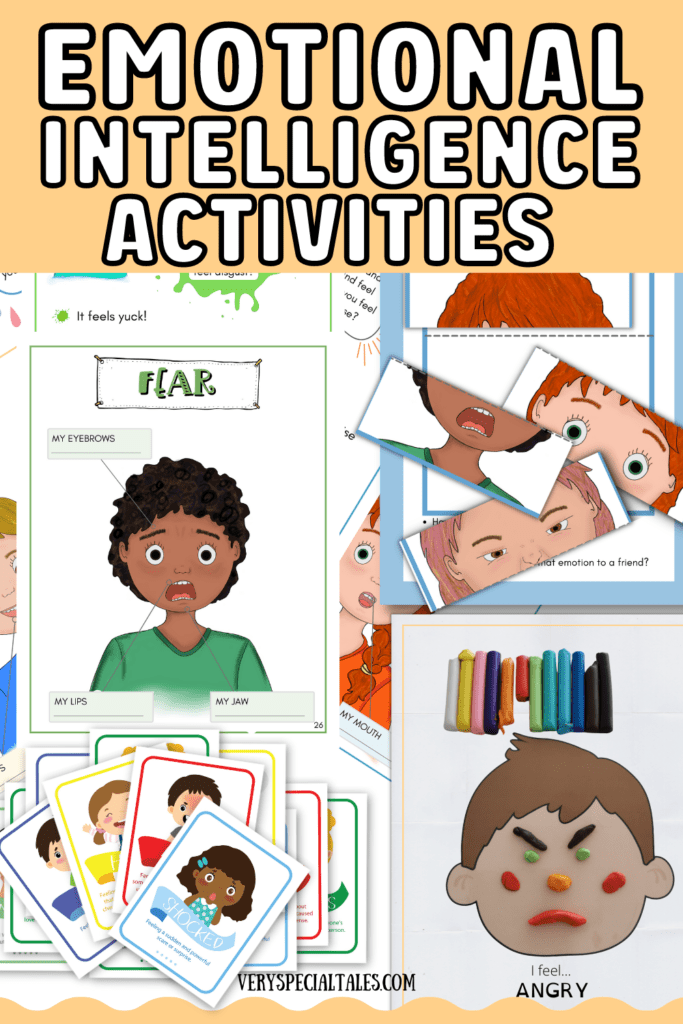
Music is a powerful tool, but it's most effective when combined with other activities. Extend the learning by encouraging children to draw pictures to represent different emotions, or role-play scenarios where they practice using coping strategies. Creating a “feelings chart” for the classroom can also be a helpful visual aid.
Remember, supporting preschoolers’ mental health is a holistic endeavor. Music is just one piece of the puzzle. It’s important to incorporate social-emotional learning into all aspects of the curriculum and create a nurturing environment where children feel safe, valued, and understood. It’s a team effort between parents and educators.

No comments yet. Be the first to share your thoughts!