

Why Emotional Intelligence Matters Now
Leo, a boy in my son’s preschool class, used to have tearful, clinging, shouting drop-offs every morning. It was hard on everyone. Leo needed tools to understand and manage his big feelings, not just a distraction. This experience showed me how essential emotional intelligence is, even for young children.
Emotional intelligence (EQ) is the ability to understand and manage one's own emotions, and to recognize and respond to the emotions of others. While often overshadowed by IQ, research from Harvard's Center on the Developing Child shows that emotional development is built into the brain's architecture. The brain learns to regulate feelings alongside intellectual development.
This isn't about suppressing emotions or turning children into mini-adults. It's about giving them skills to navigate the world effectively. Children with higher EQ tend to have better relationships, perform better academically, and experience greater mental wellbeing. These are foundational skills for a happy and successful life.
Academic skills help children get through school, but emotional skills help them thrive in life. Teaching ABCs and 123s is important, but without the ability to manage feelings, those skills won't be fully utilized. EQ provides a toolkit to handle challenges, build resilience, and connect with others.
Understanding Preschooler Emotions
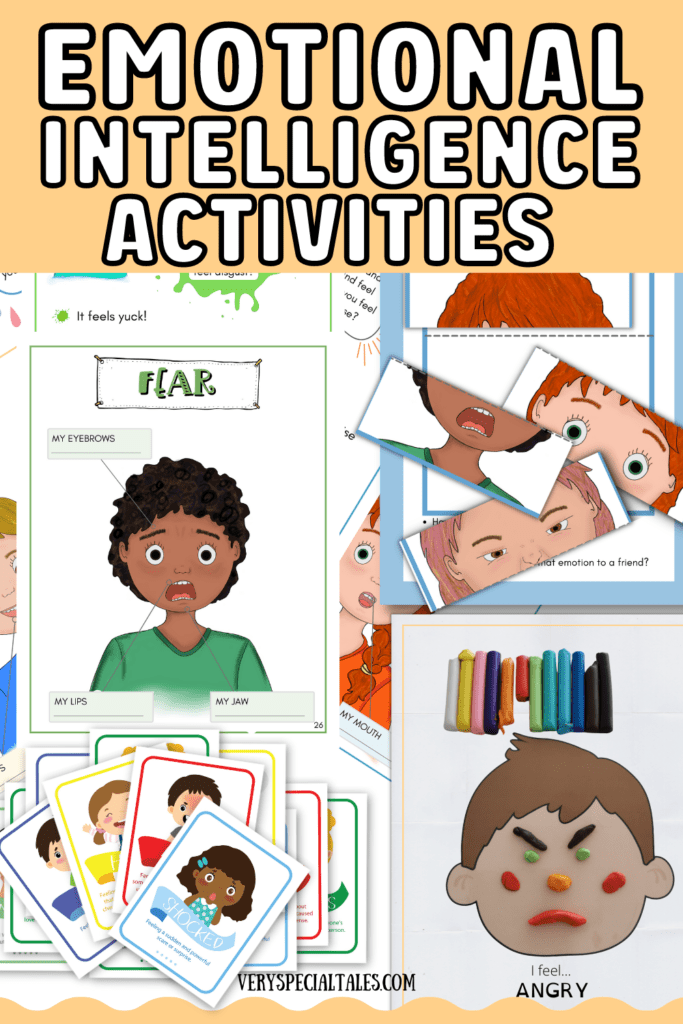
Preschoolers experience a spectrum of emotions—joy, sadness, anger, fear, and frustration. Their emotions are often big, intense, and overwhelming. A scraped knee can feel like a devastating tragedy, not just a minor inconvenience.
Preschoolers often lack the language to articulate their feelings, saying “I feel yucky” or lashing out when angry. This isn’t defiance; it’s a sign they’re struggling to communicate their internal state. Adults need to help them find the words.
At this stage, children are learning to identify and label feelings. They may not understand why they feel a certain way or how to manage those feelings effectively. Adults must model healthy emotional expression.
Children observe adults constantly. Reacting to stress with calmness and problem-solving teaches them to do the same. Bottling up emotions or exploding in anger teaches those patterns. Modeling is a powerful tool for teaching emotional intelligence.
Emotion-Focused Songs for Little Learners
Music teaches preschoolers about emotions effectively. Songs are memorable, engaging, and help children process feelings safely and fun. Repetition and rhythm make it easier for children to learn new concepts.
"If You’re Happy and You Know It" can be modified to include other emotions, such as 'If you’re sad and you know it, let the tears fall down' or 'If you’re angry and you know it, stomp your feet around.' This expands emotional vocabulary and allows children to physically express different feelings.
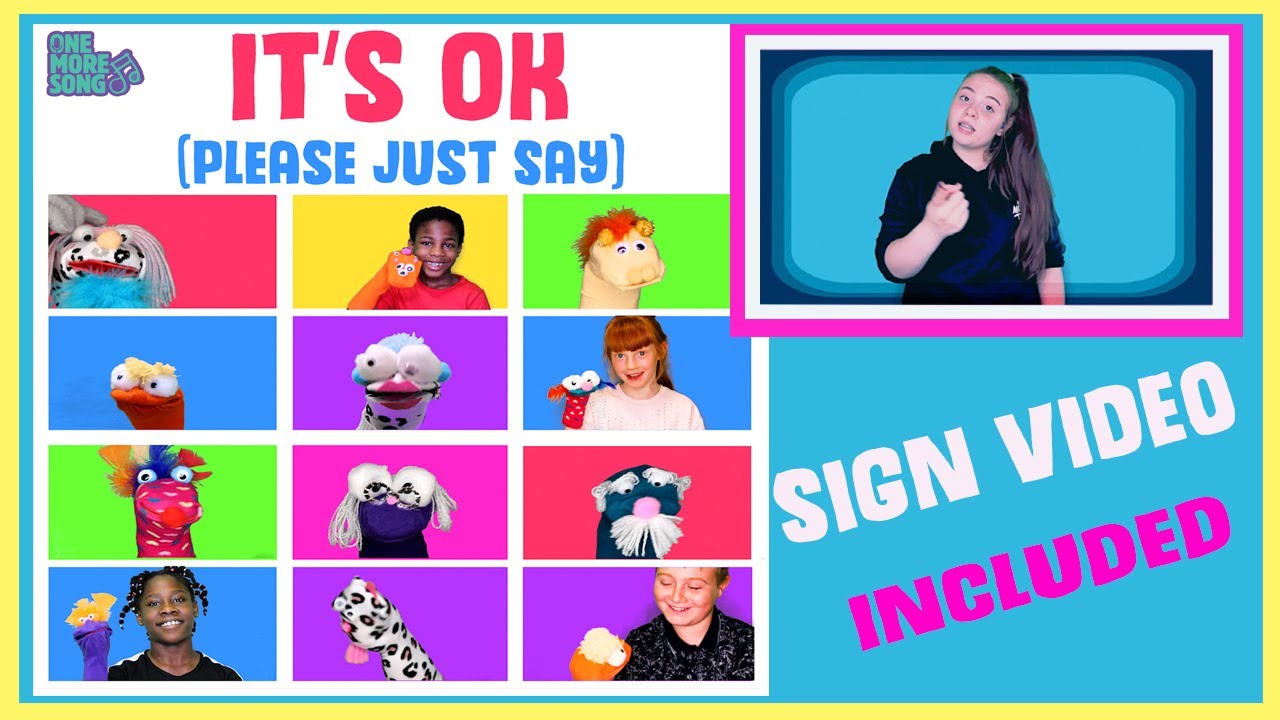
Online, "Feelings Song’ by Patty Shukla names various emotions. Sesame Street’s ‘Colors of Emotions" uses colors to represent different feelings. These songs are accessible and engaging for young children.
"When I’m Feeling Sad’ by Super Simple Songs acknowledges sadness and suggests coping mechanisms. Songs about calming down, like ‘Breathe In, Breathe Out," are useful during stressful moments. These songs can be adapted by changing tempo or adding actions.
Songs for Social-Emotional Learning
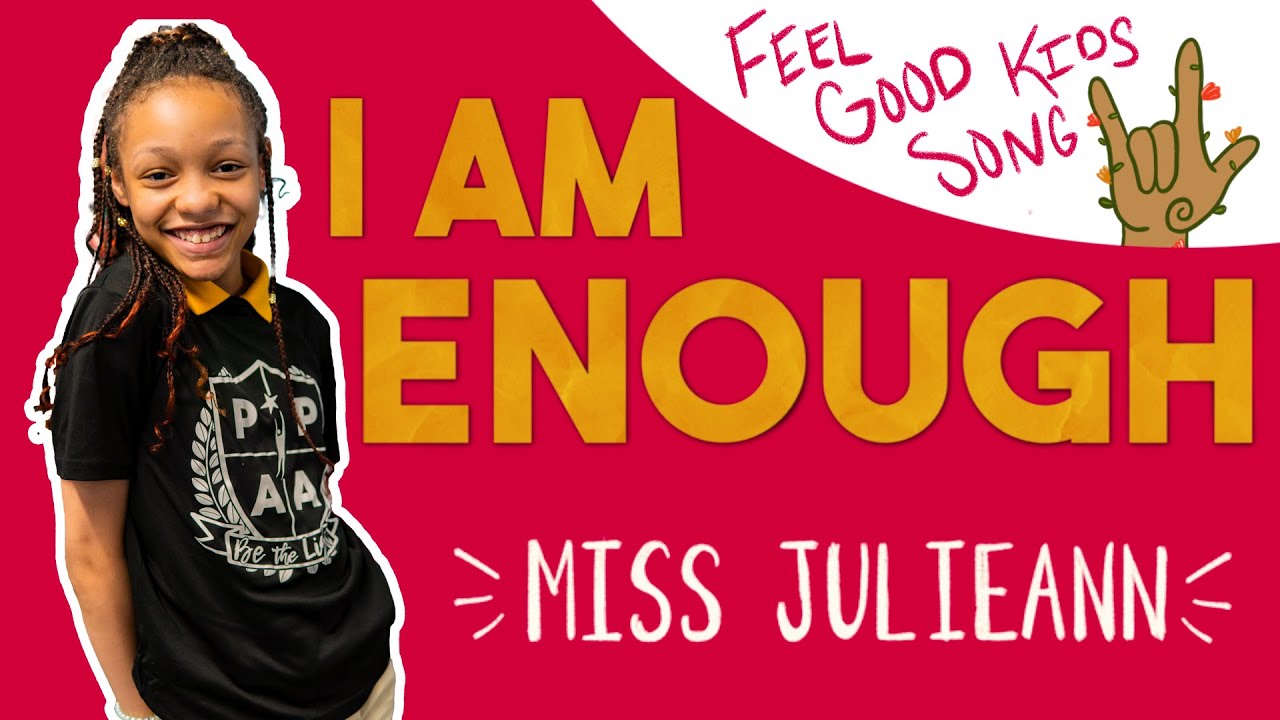
This playlist offers a collection of songs designed to help young children identify and express their emotions, fostering social-emotional development. It's an excellent resource for introducing concepts like happiness, sadness, anger, and empathy through music.
Games to Build Emotional Vocabulary
Games help preschoolers learn to identify and name emotions playfully. They provide a safe space to explore feelings and practice social skills. Keep games simple, fun, and age-appropriate; fancy materials aren't needed.
Emotion Charades is a classic game. Write emotions like happy, sad, angry, and scared on slips of paper and have children act them out. This encourages them to think about how emotions look and feel. Adjust difficulty with clues or by having children work in teams.
A Feelings Matching Game is easy to create with picture cards. Print images of faces expressing different emotions and have children match the pairs. Free printable cards are available online, or create your own. This helps them associate facial expressions with specific feelings.
Emotion Sorting involves sorting toys or pictures by how they make children feel. For example, ask 'Which toys make you feel happy? Which ones make you feel frustrated?' This encourages children to reflect on their own emotional responses. Use anything from building blocks to stuffed animals.
Red Light, Green Light – Feelings Edition adds a twist to a familiar game. On "green light,’ children act out a specific feeling (e.g., happy, silly, scared). On ‘red light," they freeze. This gets them moving and expressing emotions physically.
Storytime & Emotional Discussions
Storybooks spark conversations about emotions. They provide a safe and relatable way for children to explore feelings and learn how characters cope with challenges. Everyday stories work just as well as 'perfect' books.
"The Way I Feel’ by Janan Cain introduces a wide range of emotions and uses simple language to explain them. ‘When Sophie Gets Angry—Really, Really Angry’ by Molly Bang explores anger constructively, showing it"s okay to feel angry and providing strategies for
"Alexander and the Terrible, Horrible, No Good, Very Bad Day’ by Judith Viorst is a classic that acknowledges that everyone has bad days. It can help children understand that it’s okay to feel sad or frustrated, and that those feelings will eventually pass. ‘The Color Monster" by Anna Llenas uses colors to represent different emotions, making it easier for children to identify and understand them.
When reading, ask open-ended questions like, "How do you think the character is feeling?’ or ‘What would you do if you were in that situation?’ Validate their feelings, even if you don’t agree with their choices. For example, ‘It makes sense that you would feel angry if someone took your toy." The goal is to create a safe space for them to express themselves.
Emotional Intelligence Books
- The Color Monster: A Story About Emotions - This book helps children identify and understand different feelings by associating them with colors.
- In My Heart: A Book of Feelings - Through lyrical text and illustrations, this book explores a wide range of emotions and how they feel physically.
- When Sophie Gets Angry—Really, Really Angry… - Sophie learns healthy ways to cope with big feelings, specifically anger, in this relatable story.
- Alexander and the Terrible, Horrible, No Good, Very Bad Day - Alexander’s frustrating day shows children that everyone has bad days and it’s okay to feel upset.
- Llama Llama Mad at Mama - This book illustrates a common preschool experience – a toddler’s frustration with their mother – and how to work through it.
- Grumpy Monkey - Jim Panzee is in a grumpy mood, and his friends try to cheer him up, teaching children it’s okay to feel grumpy sometimes.
- The Way I Feel - This book uses descriptive language and illustrations to explore a variety of emotions, helping children expand their emotional vocabulary.
Role-Playing: Practicing Social Skills
Role-playing is a powerful way to help preschoolers practice navigating social situations and managing their emotions. It allows them to experiment with different behaviors and learn from their mistakes in a safe and supportive environment. It's not about getting it 'right,' but about practicing.
Scenarios could include sharing toys with a friend, resolving a conflict over a building block, or comforting a friend who is feeling sad. You can start by modeling the scenario yourself, then invite the child to take on different roles. For example, "I’m feeling sad because Can you help me?"
It’s important to guide children through the role-playing without taking over. Let them lead the interaction, and offer support and suggestions as needed. Avoid telling them exactly what to say or do. Instead, ask questions like, "What could you say to make your friend feel better?"
Remember to model appropriate behavior yourself. Show empathy, use kind words, and demonstrate problem-solving skills. The goal isn’t perfection, but practice. Even small role-playing sessions can make a big difference in a child’s social-emotional development.
Creating a Calm-Down Corner
A calm-down corner is a designated space where children can go to regulate their emotions. It’s not a punishment; it’s a safe haven where they can take a break and regain control. This is an important distinction to make with children.
To create a calm-down corner, start by choosing a quiet and comfortable space. Add soft pillows, blankets, and books. Include sensory toys like stress balls, playdough, or a fidget spinner. Calming music or a white noise machine can also be helpful. The goal is to create a soothing and relaxing environment.
Teach children how to use the calm-down corner independently. Explain that it’s a place to go when they’re feeling overwhelmed, angry, or sad. Encourage them to take deep breaths, read a book, or play with a sensory toy. It's about providing them with tools to self-soothe.
It’s also important to establish clear expectations for using the calm-down corner. Explain that it’s a quiet space, and that they should not disturb others while they’re there. Regular practice and reinforcement will help children learn to use the calm-down corner effectively.
Supporting Yourself: Teacher & Parent Wellbeing
Supporting children's emotional development can be emotionally draining for adults. It requires patience, empathy, and a lot of energy. It’s essential to prioritize your own wellbeing so you can show up fully for the children in your care.
Make time for self-care activities that help you recharge. This could include exercise, meditation, spending time in nature, or simply reading a good book. Don’t feel guilty about taking time for yourself; it’s an investment in your ability to support others.
Resources from NAEYC offer valuable support and guidance for educators. They provide information on stress management, burnout prevention, and creating a positive work environment. Remember, you can't pour from an empty cup.
Modeling healthy emotional regulation is just as important for adults as it is for children. If you’re feeling stressed or overwhelmed, acknowledge those feelings and take steps to manage them. This demonstrates to children that it’s okay to experience a range of emotions, and that there are healthy ways to cope with them.


No comments yet. Be the first to share your thoughts!