
Teaching sustainability to preschoolers
Earth Day is a wonderful opportunity to introduce young children to the importance of caring for our planet. But it’s so much more than just one day in April! Teaching sustainability to preschoolers isn't about overwhelming them with complex environmental problems; it’s about building a foundation of respect for nature and a sense of responsibility for the world around them. It’s about showing them that even small actions can make a difference.
I believe that connecting children to nature from a young age is absolutely crucial. When kids understand where their food comes from, or how trees clean the air, they’re more likely to want to protect those things. These early experiences foster a sense of wonder and appreciation, which leads to lifelong habits. Plus, these activities are fantastic for developing creativity, problem-solving skills, and a sense of community.
We’ll focus on activities that are accessible and fun, avoiding complicated explanations that might be lost on young learners. The goal is to empower them to feel like they can genuinely contribute to a healthier planet. This isn’t about guilt or fear; it’s about positive action and celebrating the beauty of our Earth. Remember, a little effort from many little hands adds up to a big impact.
Recycled art projects
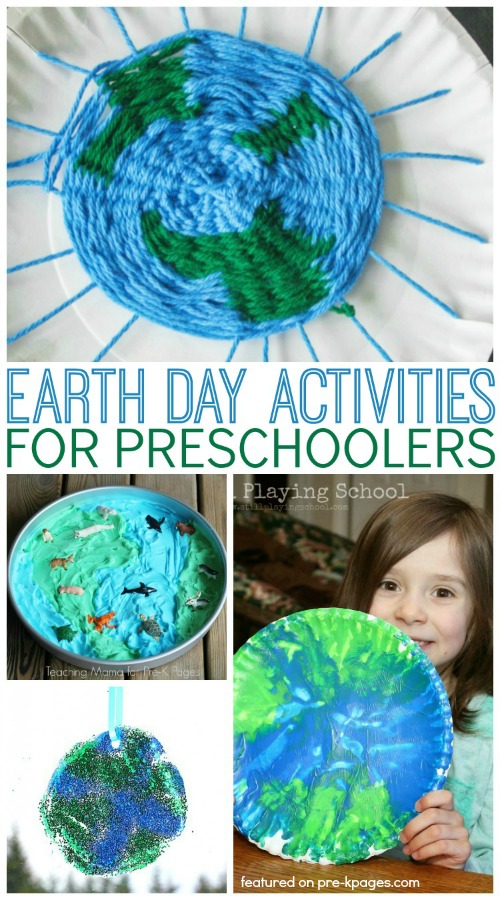
One of the most engaging ways to teach sustainability is through art! Recycled art projects are a fantastic way to show preschoolers that "trash’ can be transformed into something beautiful and useful. It’s a tangible demonstration of the ‘reuse" principle. Think beyond just paper – cardboard boxes, plastic containers, bottle caps, and fabric scraps all have potential.
Let’s start with musical instruments. Save those cardboard tubes from paper towels and toilet paper! Kids can decorate them with paint, markers, and scraps of paper, then fill them with rice or beans to create shakers or maracas. For collages, provide a variety of scrap paper, fabric pieces, buttons, and yarn. Encourage them to create pictures or abstract designs. Building sculptures from plastic bottles and containers is another fun option – just be sure to assist with cutting and ensure there are no sharp edges.
Safety is always paramount. Before starting any project, thoroughly clean all recycled materials. Remove any sharp edges or potentially hazardous components. Supervise children closely, especially when using scissors or glue. When discussing the projects, emphasize why we’re reusing these items. Ask questions like, "What would happen if we just threw this away?’ or ‘How does reusing this help the Earth?"
A step-by-step guide for making a cardboard tube shaker: 1. Collect a cardboard tube. 2. Let children decorate the tube with paint and markers. 3. Add a small amount of rice or beans. 4. Securely tape the ends shut. 5. Shake and enjoy! Encourage experimentation with different materials and decorations. Variations include using different sized tubes or adding glitter for extra sparkle.
Gardening and growing
Gardening is a wonderful way to connect preschoolers with nature and teach them about where their food comes from. It’s a hands-on experience that fosters responsibility and patience. Even a small container garden can be incredibly rewarding. I’ve seen firsthand how excited children get when they plant a seed and watch it grow.
Start with easy-to-germinate seeds like beans or sunflowers. Plant them in small pots with potting soil. Provide children with their own watering cans and let them be responsible for watering the plants. Talk about what plants need to grow – sunlight, water, and soil. Observe the plants together, noting the changes as they sprout and grow.
Consider creating a mini herb garden. Herbs like basil, mint, and chives are easy to grow and have a wonderful scent. This is a great way to introduce children to different flavors and encourage them to try new foods. Don’t forget to talk about the importance of pollinators like bees and butterflies. You can even plant flowers that attract them.
Composting is another excellent activity to introduce. Explain that food scraps and yard waste can be turned into nutrient-rich soil for the garden. A simple compost bin can be set up in the backyard or even indoors. It's a great way to show how waste can be turned into something useful.
Nature exploration
Getting kids outdoors is essential for fostering a love of nature. A nature scavenger hunt is a fun and engaging way to encourage exploration and observation. It’s a great way to get them moving and to appreciate the beauty of the natural world. I always loved these as a kid!
Create a list of items for children to find, such as a smooth stone, a red leaf, a feather, a twig, or a specific type of flower. Adjust the list based on the environment and the age of the children. Encourage them to use their senses – to look, listen, smell, and touch. A checklist can be helpful for younger children.
Nature journaling is another fantastic activity. Provide children with notebooks and crayons or colored pencils and encourage them to draw or write about what they observe. This helps them to develop their observation skills and to express their creativity. Emphasize the importance of respecting nature – leaving plants and animals undisturbed and not littering.
Here's a sample checklist: ☐ A smooth stone, ☐ A red leaf, ☐ A feather, ☐ A twig, ☐ Something round, ☐ Something yellow. Incorporate simple counting and sorting activities based on what they find. For example, "How many red leaves did you find?’ or ‘Can you sort the leaves by size?"
Story time and eco-themes
Books are a powerful tool for teaching environmental concepts. They can introduce complex ideas in a way that is accessible and engaging for young children. Reading aloud is a wonderful way to spark conversations and to encourage critical thinking. I’ve always found that stories resonate with children and stay with them long after the book is closed.
“The Lorax” by Dr. Seuss is a classic choice, with its message about the importance of protecting trees and the environment. “Michael Recycle” by Ellie Bethel is another great option, teaching children about the benefits of recycling. Other excellent titles include “The Earth Book” by Todd Parr and “Compost Stew” by Mary McKenna Siddals.
Don’t just read the stories – discuss them! Ask questions like, "What did the Lorax try to protect?’ or ‘What would you do if you saw someone polluting the environment?’ Encourage children to share their own thoughts and ideas. Explore songs and rhymes related to Earth Day and nature to reinforce the themes. There are many wonderful songs available online or in children"s music collections.
Creating a dedicated "eco-corner’ in the classroom or at home with these books can encourage children to explore these themes independently. It"s a way to make environmental education a continuous part of their learning experience.
Water conservation
Teaching preschoolers about water conservation is essential, as it's a precious resource that we often take for granted. It’s important to explain that water doesn’t just magically appear – it comes from rivers, lakes, and underground sources. And it's important to understand that we need to protect these sources.
Discuss simple ways to save water at home and school, such as turning off the tap while brushing teeth, taking shorter showers, and watering plants responsibly. Explain that even small actions can make a big difference. A simple experiment can demonstrate how much water is wasted when the tap is left running – fill a container while the tap is on for a set amount of time, then show children how full it is.
Make it relatable by explaining that water is used to grow our food, to keep us clean, and to provide habitats for animals. Emphasize the importance of using water wisely. Talk about where your water comes from – is it from a well, a river, or a reservoir?
A frequently asked question is: 'Where does our water go when it goes down the drain?' Explain the concept of wastewater treatment in simple terms, emphasizing that it’s cleaned before being released back into the environment.
The 3 R's: Reduce
The 3 R's – Reduce, Reuse, Recycle – are the foundation of sustainable living. Breaking down these concepts in a way preschoolers can understand is key. "Reduce’ means using less of something. ‘Reuse’ means finding new ways to use something instead of throwing it away. And ‘Recycle" means turning old materials into new ones.
Provide examples of how they can practice each R in their daily lives. Reducing might mean taking only the amount of food they can eat, or using both sides of a piece of paper. Reusing could involve using a water bottle multiple times, or turning an old t-shirt into a cleaning rag. Recycling involves sorting materials like paper, plastic, and glass into designated bins.
The EPA’s Recycle City resource (epa.gov) is a fun and interactive way to. It allows children to explore a virtual city and see how recycling works in different settings. A visual aid, like a sorting game, can be incredibly helpful for teaching children how to identify different recyclable materials.
Don’t forget to discuss composting as a way to reduce food waste. Explain that food scraps and yard waste can be turned into nutrient-rich soil for the garden, completing the cycle. A table summarizing the 3 R's could be a useful reference: | R | Meaning | Example | |---|---|---| | Reduce | Use less | Take only the food you'll eat | | Reuse | Use again | Use a reusable water bottle | | Recycle | Turn old into new | Sort paper, plastic, and glass |
What Goes in Which Bin?
| Paper | Plastic | Glass | Metal |
|---|---|---|---|
| Newspaper | Water Bottle | Jar | Aluminum Can |
| Cardboard Box | Plastic Jug | Glass Bottle | Steel Food Can |
| Office Paper | Plastic Container (check symbol) | Window Pane (handle with care) | Tin Foil (clean) |
| Paper Egg Carton | Plastic Wrap (often not recyclable, check local guidelines) | Drinking Glass (handle with care) | Empty Aerosol Can (completely empty) |
| Magazines | Plastic Toys (often not recyclable, check local guidelines) | Light Bulb (check local guidelines) | Metal Lid |
Illustrative comparison based on the article research brief. Verify current pricing, limits, and product details in the official docs before relying on it.
No comments yet. Be the first to share your thoughts!