

Spring is here, and it’s the perfect time to get preschoolers outside! There's something truly special about watching the world come back to life after winter. The warmer temperatures, blooming flowers, and chirping birds all create a sensory-rich environment that's incredibly beneficial for young children.
Outdoor play isn't just about fun—it’s essential for development. It provides opportunities for sensory exploration, allowing children to touch, smell, see, and hear the natural world. This kind of engagement helps build cognitive skills and fosters a deeper connection to the environment. We see huge gains in gross motor skill development too, as kids run, jump, and climb.
This time of year offers unique learning opportunities that you simply can't replicate indoors. From observing the life cycle of a butterfly to exploring the textures of different leaves, spring provides a natural classroom filled with wonder. I'm a big believer in letting kids lead the exploration – their curiosity will guide them!
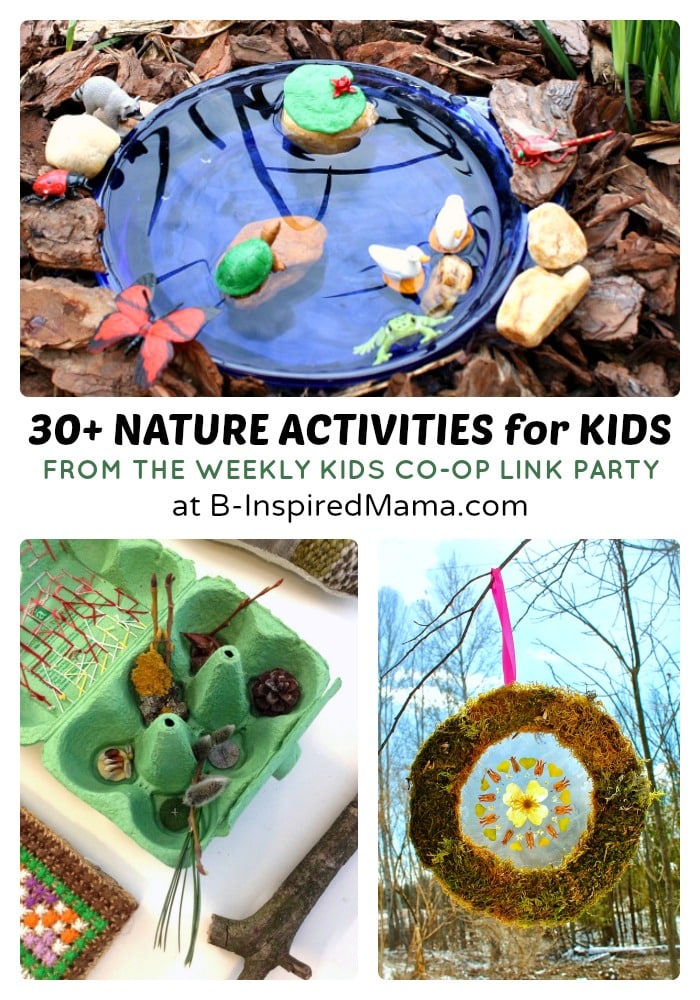
Outdoor Learning Activities for Preschoolers: Exploring Nature's Classroom - Discover the wonders of outdoor learning for preschoolers and explore nature's classroom through fun and educational activities. https://t.co/Q0ceALd4A7
— Hatching Dragons (@DragonNurseries) January 26, 2024
There’s a reason mud kitchens are so popular. They are pure magic for preschoolers! A mud kitchen doesn’t have to be fancy – a simple setup with old pots, pans, spoons, and access to water is all you need. The real fun comes from letting their imaginations run wild.
Mud play is fantastic for sensory exploration. Kids love the feel of mud squishing between their fingers, and it’s a surprisingly calming experience. Beyond the sensory aspect, mud kitchens encourage early scientific thinking. Children experiment with mixing ingredients, measuring, and observing how things change when combined. It's fascinating to watch them problem-solve.
Enhance the experience by adding natural elements. Flowers, leaves, sticks, and pebbles can all become ingredients in their mud pies and potions. Consider providing measuring cups and spoons, whisks, and even old muffin tins. Don't be afraid of the mess; it's all part of the learning process! I think parents sometimes underestimate just how much kids love getting delightfully dirty.
Flowers are more than just pretty faces; they're incredible learning tools. Safely dissecting flowers with preschoolers is a fantastic way to introduce them to plant anatomy. Choose simple flowers like daffodils or tulips, and carefully separate the petals, stem, and leaves. Talk about the function of each part – how the petals attract pollinators, how the stem supports the flower, and how the leaves make food for the plant.
Always supervise closely and emphasize gentle handling. You could use magnifying glasses to get a closer look at the details. After dissection, transition into art activities using the flower petals. Create collages by gluing petals onto paper, or try petal rubbings by placing a petal under paper and rubbing a crayon over it. Flower-inspired paintings are another great option.
This activity combines science and art beautifully. It’s amazing how much kids learn by taking things apart and then using those pieces to create something new. A simple discussion about why flowers have different colors and shapes can add another layer of learning. You could even talk about the role of bees in pollination. This is a great activity to do with a group, as they can share their observations and discoveries. The website Because I Said So, Baby has a comprehensive Spring Theme Preschool Curriculum Guide that includes ideas for flower-based activities as of February 2026.
- Gather simple flowers (daffodils, tulips).
- Carefully separate petals, stem, and leaves.
- Discuss the function of each part.
- Create flower petal collages or rubbings.
Building a bug hotel is a wonderful way to teach preschoolers about insects and their habitats. It's all about providing shelter for beneficial bugs like bees, ladybugs, and spiders. The concept is simple: create a structure with different compartments filled with natural materials that insects can use for nesting and shelter.
You can build a small bug hotel using recycled materials like wooden pallets, plastic bottles, or cardboard boxes. Fill the compartments with sticks, leaves, pinecones, bamboo, straw, and dry grass. The more variety, the better! Emphasize the importance of observing insects respectfully—no poking or prodding.
This activity encourages children to think about the needs of other creatures and to appreciate the importance of biodiversity. It’s also a great way to spark curiosity about the natural world. I’m hoping this encourages kids to be more mindful of the little creatures around them and to understand their role in the ecosystem. Preschool Plan It offers some great theme packs, including spring-themed options, as of February 2026.
A spring-themed scavenger hunt is a classic outdoor activity that never gets old. It's a fun and engaging way to encourage observation skills and exploration. Create a list of items for preschoolers to find, such as a smooth stone, a feather, a specific type of leaf (oak, maple), a dandelion, something red, or a twig shaped like a letter.
Vary the difficulty of the items based on the age and abilities of the children. For younger children, focus on simple items with obvious characteristics. For older children, you can include more challenging items or ask them to find things based on descriptions (e.g., “something bumpy”).
Make it educational by asking kids to count the petals on a flower or identify different types of trees. You can also incorporate colors and shapes into the hunt. This is a classic for a reason – it’s engaging, educational, and gets kids moving! Revtrak.com notes that scavenger hunts are a top spring activity for preschoolers in 2026.
- Smooth stone
- Feather
- Oak leaf
- Dandelion
- Something red
Spring is the perfect time to introduce preschoolers to the wonders of gardening. Starting seeds, either indoors or directly in the garden, is a fantastic way to teach them about the life cycle of plants. Explain that seeds need sunlight, water, and soil to grow. Talk about different types of seeds – big seeds, small seeds, seeds from fruits and vegetables.
Encourage preschoolers to help with planting and watering. Let them feel the soil and observe how the seeds sprout. This is a fantastic way to teach responsibility and patience. It takes time for seeds to grow, and children learn the importance of consistent care.
Garden exploration is also key. Take walks through the garden and point out different plants, flowers, and insects. Talk about the role of each element in the ecosystem. This is a hands-on learning experience that will stay with them for a long time. It’s a great way to connect them to where their food comes from.
Combine a color lesson with a nature walk! Challenge preschoolers to find natural objects in each color of the rainbow: red petal, orange leaf, yellow flower, green grass, blue feather, indigo berry, violet blossom. This is a fun way to reinforce color recognition and encourage observation skills.
Once they’ve collected their colorful treasures, use them to create a rainbow collage or artwork. They can glue the objects onto paper or arrange them in a rainbow pattern on the ground. This activity is visually appealing and promotes creativity.
It’s a great way to show children that colors aren’t just found in crayons and paints – they’re all around us in nature. You could also talk about how different colors attract different pollinators. This is a simple but effective way to integrate science and art.
Let's clarify something upfront: we aren't building nests for birds to live in. That could actually disrupt their natural behavior. Instead, we're focusing on observing existing nests from a respectful distance. Discuss what birds use to build nests—twigs, leaves, grass, mud, and even spiderwebs—and why they choose certain locations.
Encourage preschoolers to listen for bird songs and try to identify different bird species. A bird feeder can attract birds closer for observation. Emphasize the importance of not disturbing nests or getting too close to baby birds.
I always feel so peaceful watching birds, and sharing that feeling with children is a gift. It’s a gentle reminder of the beauty and fragility of nature.
This activity focuses on auditory awareness. Have preschoolers sit quietly for a few minutes and listen to the sounds around them. Then, have them draw a 'sound map' – a visual representation of the sounds they hear. They can draw themselves in the center of the map and then draw lines radiating outward, representing the direction of each sound.
Label each line with the sound it represents (birdsong, wind, rustling leaves, a buzzing bee). This activity promotes mindfulness and encourages children to pay attention to their surroundings.
It's a great way to slow down and appreciate the subtle sounds of nature that we often overlook.
Leaf rubbings and bark impressions are simple but effective ways to explore textures and patterns in nature. Place a leaf under a piece of paper and rub a crayon over the paper to reveal the leaf’s veins and shape. For bark impressions, place paper against tree bark and rub with a crayon.
Discuss the different shapes and veins of leaves. Talk about the texture of the bark. This activity is a great way to connect art with science and to encourage observation skills.
I remember doing this as a kid! It’s a classic for a reason – it’s fun, easy, and allows children to express their creativity.
Simple water play is always a hit with preschoolers. Add natural elements like leaves, sticks, and flowers to a tub of water and see what floats and what sinks. This is a great introduction to basic scientific concepts like buoyancy.
Encourage children to make predictions about which objects will float and which will sink. Discuss why some objects float and others sink.
Always supervise water play closely and ensure a safe environment.
Create simple nature looms using branches or forked sticks. Then, use vines, grasses, and flowers to weave patterns and designs. This activity encourages creativity and fine motor skills.
Show children how to weave over and under the branches. Let them experiment with different materials and colors.
This is a great way to use natural materials to create beautiful and unique artwork.
Lie on the grass and look at the clouds! Encourage preschoolers to use their imaginations to see shapes and animals in the clouds. Then, have them create stories based on what they see.
This is a wonderful way to spark creativity and language development. It's also a relaxing and mindful activity.
It's amazing how much imagination children have – they can see dragons, castles, and all sorts of fantastical creatures in the clouds.
Pressing flowers is a beautiful and delicate activity. Place flowers between the pages of a heavy book or use a flower press to dry them. Once the flowers are dried, preschoolers can use them to create cards, bookmarks, or other crafts.
This activity requires patience, as it takes time for the flowers to dry. But the results are worth it!
It's a lovely way to preserve the beauty of spring flowers and to create unique and personalized gifts.
Introduce the concept of a nature journal. Encourage preschoolers to draw, write (or dictate), and collect natural objects (leaves, petals) to document the changes they observe in nature throughout the spring.
This promotes observation skills and a sense of wonder. It also encourages them to become scientists, recording their observations and making predictions.
I think it’s important to encourage kids to be scientists! A nature journal is a great way to foster a lifelong love of learning and a connection to the natural world.

No comments yet. Be the first to share your thoughts!