


How we picked these low-pressure circle time activities
Choosing circle time games for shy preschoolers requires a different lens than standard classroom planning. Standard activities often rely on high-energy participation or public performance, which can overwhelm children who are naturally reserved or anxious in group settings. Our selection process prioritized activities that allow for observation, parallel play, or low-stakes interaction, ensuring every child feels safe to participate at their own pace.
We reviewed dozens of popular circle time resources, including lists from early childhood education blogs and preschool curriculum guides. We filtered out activities that demanded immediate center-stage attention, such as solo storytelling or rapid-fire call-and-response games. Instead, we focused on games that build confidence through repetition, sensory engagement, or quiet observation. The goal was to find activities that act as a bridge, allowing shy children to join in without the pressure of being the "star" of the show.
The final list includes activities that use props, music, or simple movements to encourage participation. These games are designed to be inclusive, allowing children to contribute in small ways—like holding a puppet or passing a beanbag—rather than speaking or performing alone. By focusing on comfort and gradual engagement, these activities help shy preschoolers build social skills without the stress of forced interaction.
12 Low-Pressure Circle Time Activities for Shy Preschoolers
Circle time often feels like a performance trap for shy preschoolers, but low-pressure activities can shift the focus from spotlight anxiety to quiet participation. These 12 strategies prioritize observation, parallel play, and gentle engagement to help hesitant children join in without feeling exposed.
-
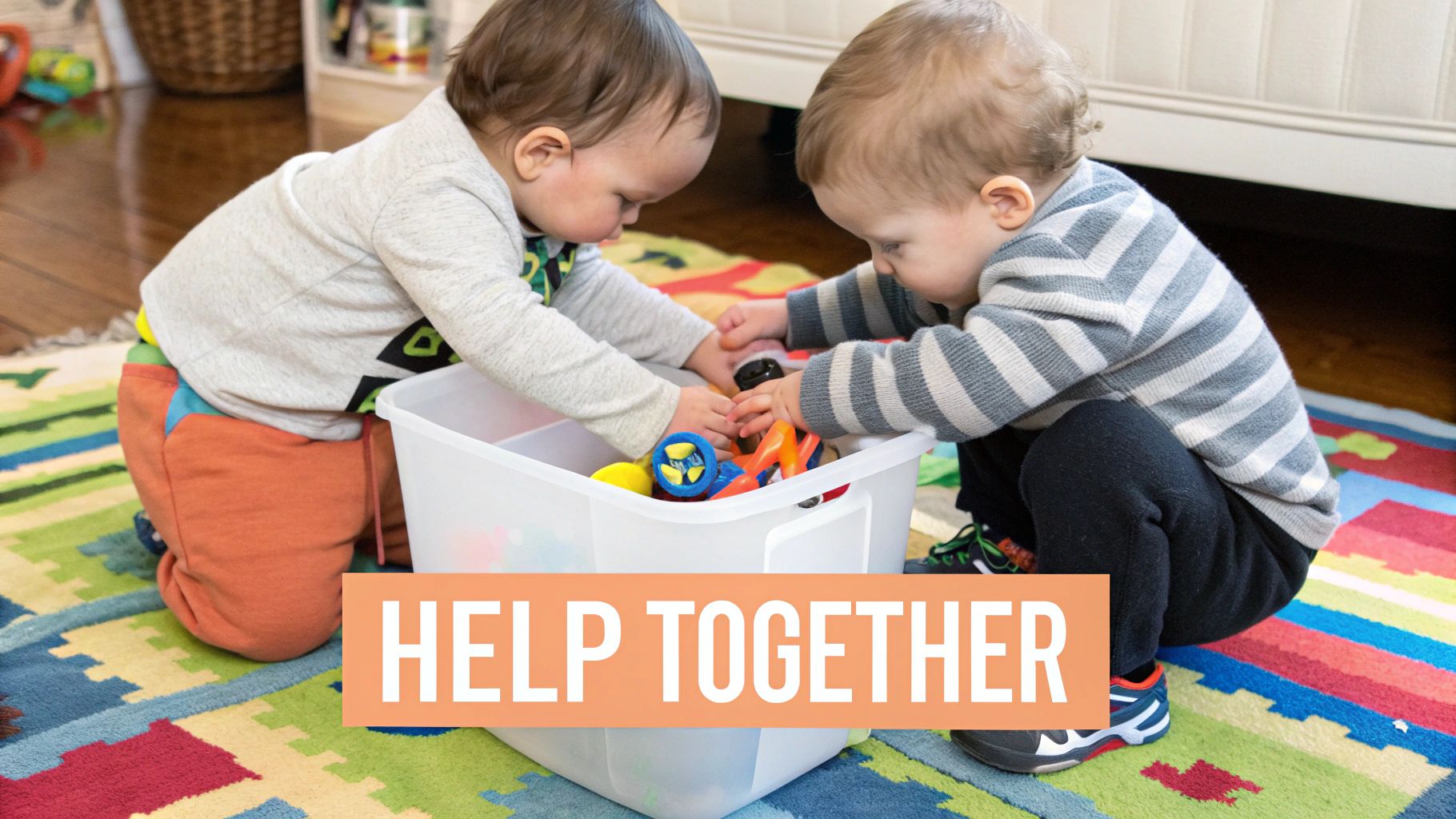
Pass the Soft Plush Beanbag
Hand a weighted, fabric-covered beanbag to one child. They simply hold it for five seconds before passing it to the neighbor. The physical weight provides sensory feedback, reducing anxiety about empty hands. This silent transfer builds a bridge between children without demanding eye contact or verbal performance. It establishes a calm, rhythmic flow that prepares the group for more interactive moments later in the circle. -

Whisper the Secret Word Game
A child whispers a simple noun, like "apple," to the next peer. That child whispers it further down the line, ending with the last child saying it aloud. Shy participants avoid the spotlight while practicing articulation in a safe, one-on-one exchange. The game minimizes performance anxiety by distributing the vocal load across the entire group, making it feel like a collective secret rather than a solo presentation. -

Shadow Puppet Storytelling
Project a single spotlight on a plain wall or sheet. Children take turns making simple hand shapes, like a bird or a dog, while the teacher narrates a short story incorporating those shapes. Shy children can participate by controlling their hands rather than their voice. This indirect communication method allows them to contribute to the narrative without the pressure of facing the entire group directly. -

Pass the Silent Drum
Place a small, quiet drum in the center of the circle. Children pass it around without making a sound, focusing on gentle handling. When the teacher stops the music, the child holding the drum taps it once. This activity teaches impulse control and quiet observation. Shy children benefit from the structured turn-taking, as the action is brief and predictable, reducing the fear of prolonged attention or unexpected demands. -
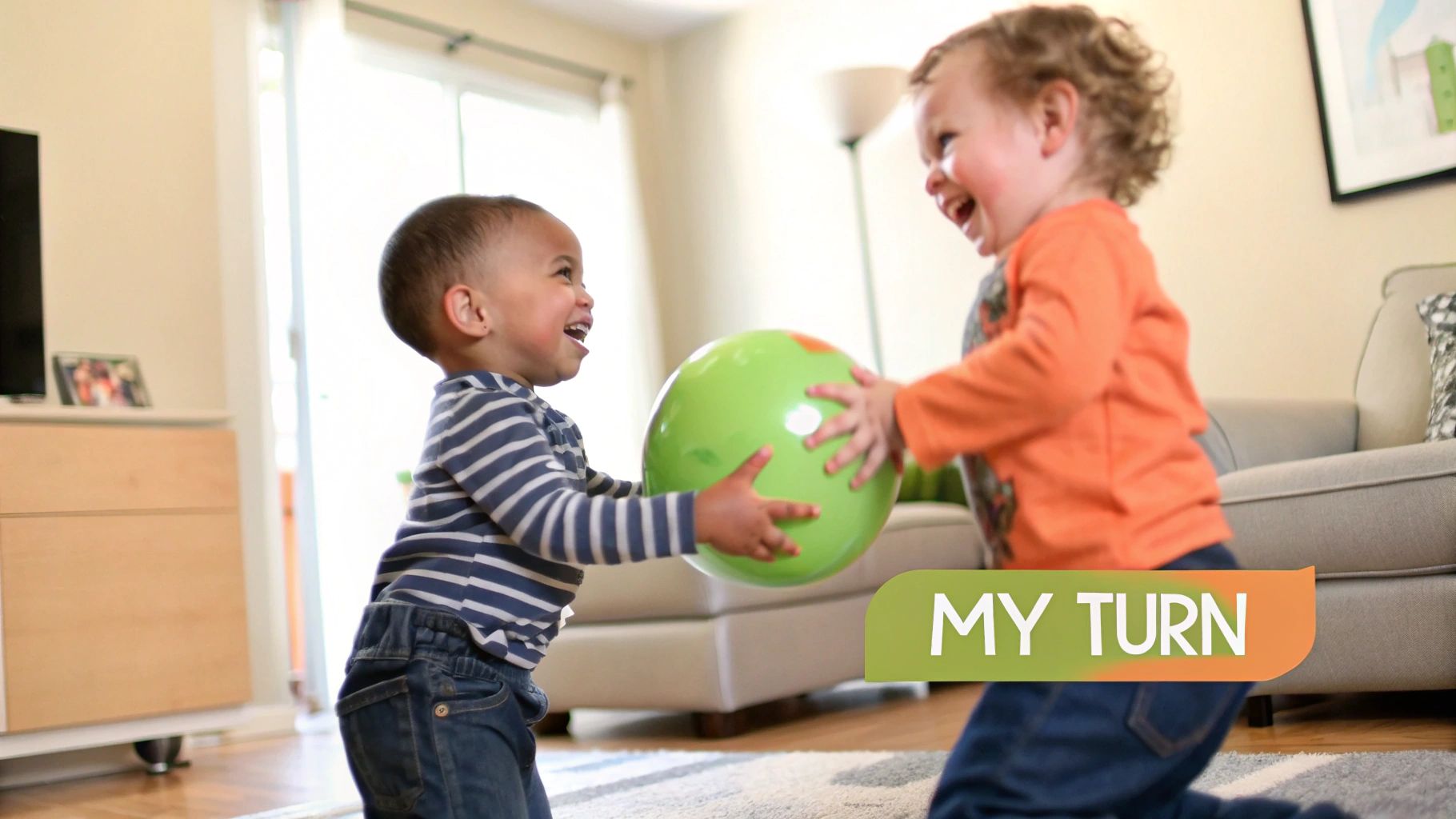
Mirror the Gentle Movement
The teacher performs slow, simple movements, like raising one arm or swaying gently. Children mirror these actions from their seats. Shy participants can observe and copy without initiating movement themselves, which lowers the barrier to entry. This non-verbal synchronization builds a sense of belonging and group cohesion. It allows children to feel connected to their peers through shared physical rhythm, fostering confidence for future interactive games. -
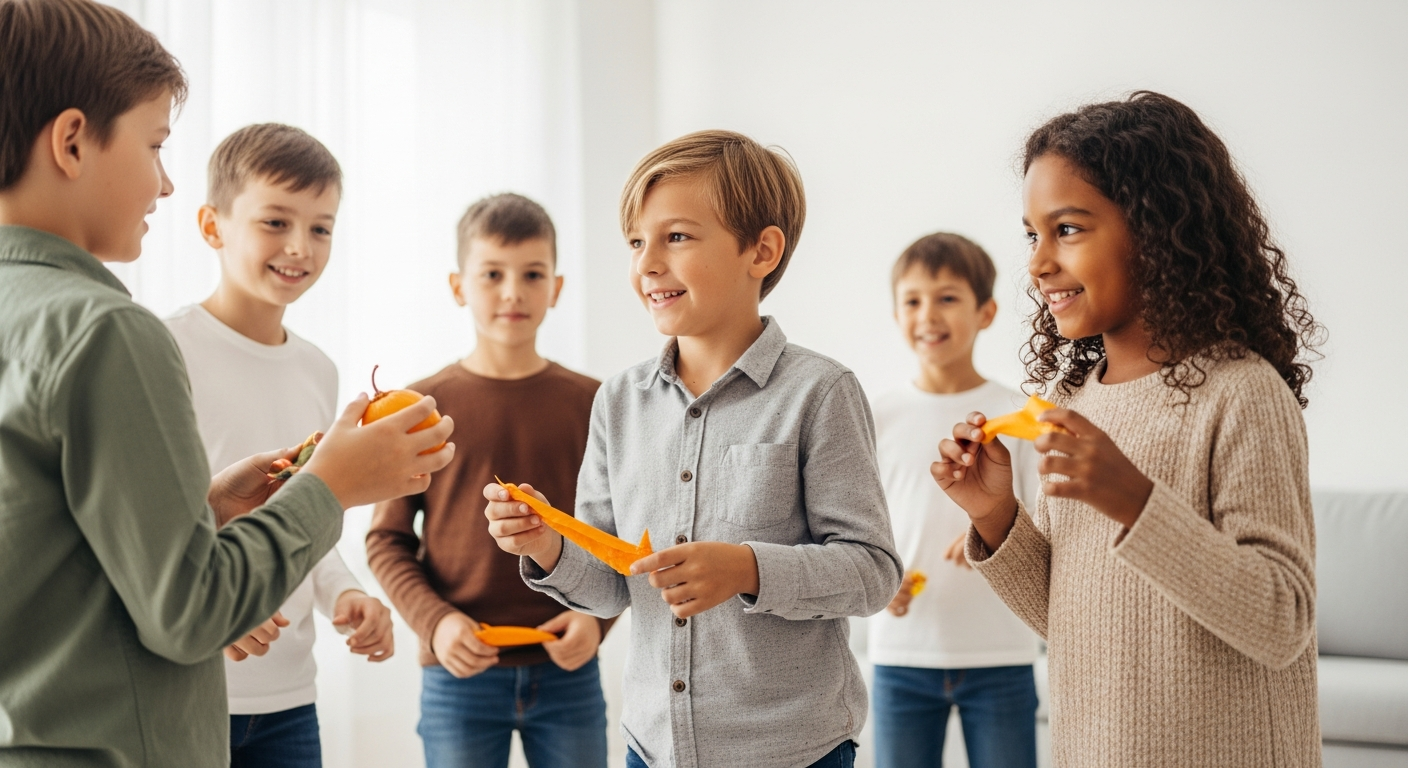
Pass the Scented Scarf
Introduce a silk scarf infused with mild lavender or vanilla. Children pass it silently, inhaling deeply before handing it to the next peer. This olfactory cue grounds anxious students, replacing verbal pressure with sensory comfort. The gentle aroma creates a calming atmosphere, allowing shy preschoolers to participate through touch and smell rather than speech, fostering quiet connection within the group. -

Whisper the Animal Sound
Students take turns whispering a single animal sound to their neighbor, who repeats it to the next child. This chain game eliminates the fear of public performance. The intimate volume allows hesitant speakers to engage without shouting. It builds auditory focus and social linkage, ensuring every child contributes to the circle’s rhythm while maintaining a safe, low-volume boundary for shy participants. -
Pass the Velvet Ball
Hand around a small, plush velvet ball during circle time. Children hold it for a count of three, feeling its texture, then pass it on. The tactile focus distracts from social anxiety. Unlike noisy toys, the soft material absorbs sound, keeping the activity serene. This simple ritual provides a tangible object for shy children to anchor their attention, reducing eye-contact pressure while maintaining group inclusion. -
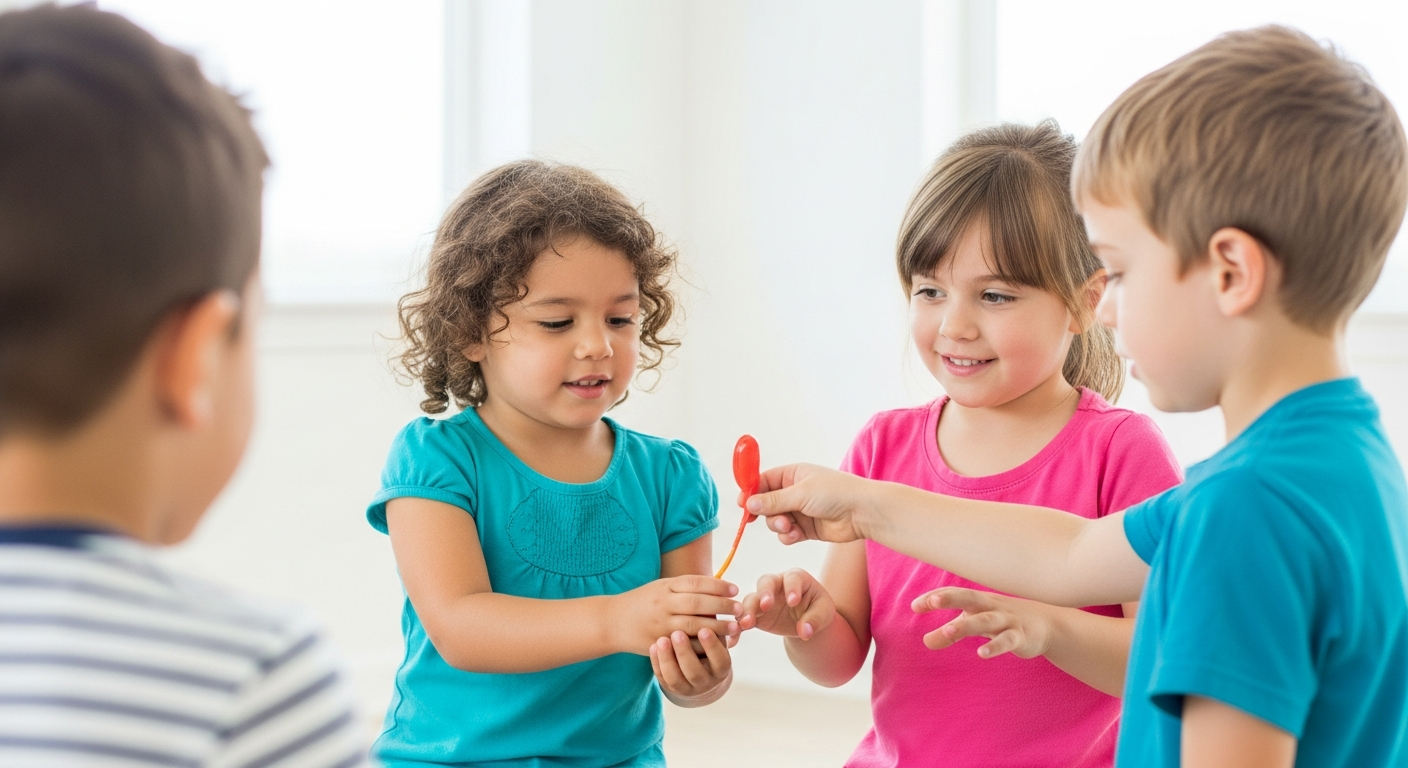
Shadow the Hand Gestures
The teacher performs slow, simple hand movements, like waving or clapping, which students mirror silently. This non-verbal participation allows shy children to engage physically without speaking. The visual nature of the task reduces social pressure. Children focus on copying the motion rather than performing for peers. It builds confidence through silent synchronization, creating a sense of belonging without demanding vocal output. -
Pass the Feather Touch
Pass a single feather around the circle. Each child lets it lightly brush their hand before passing it on. The delicate touch requires gentle focus, calming restless energy. Shy children often find comfort in the soft, non-intrusive sensation. This activity promotes mindfulness and quiet interaction. The feather’s lightness ensures no child feels burdened by holding an object, encouraging voluntary, low-stakes participation in the group. -
Whisper the Color Name
This activity reduces vocal anxiety by limiting volume rather than participation. Children sit in a circle and take turns whispering the name of a color they see in the room to their neighbor. The whisper passes around until everyone has contributed. This subtle engagement allows shy children to practice language skills without the pressure of projecting their voice, making it an ideal low-stakes entry point for verbal interaction during group time. -
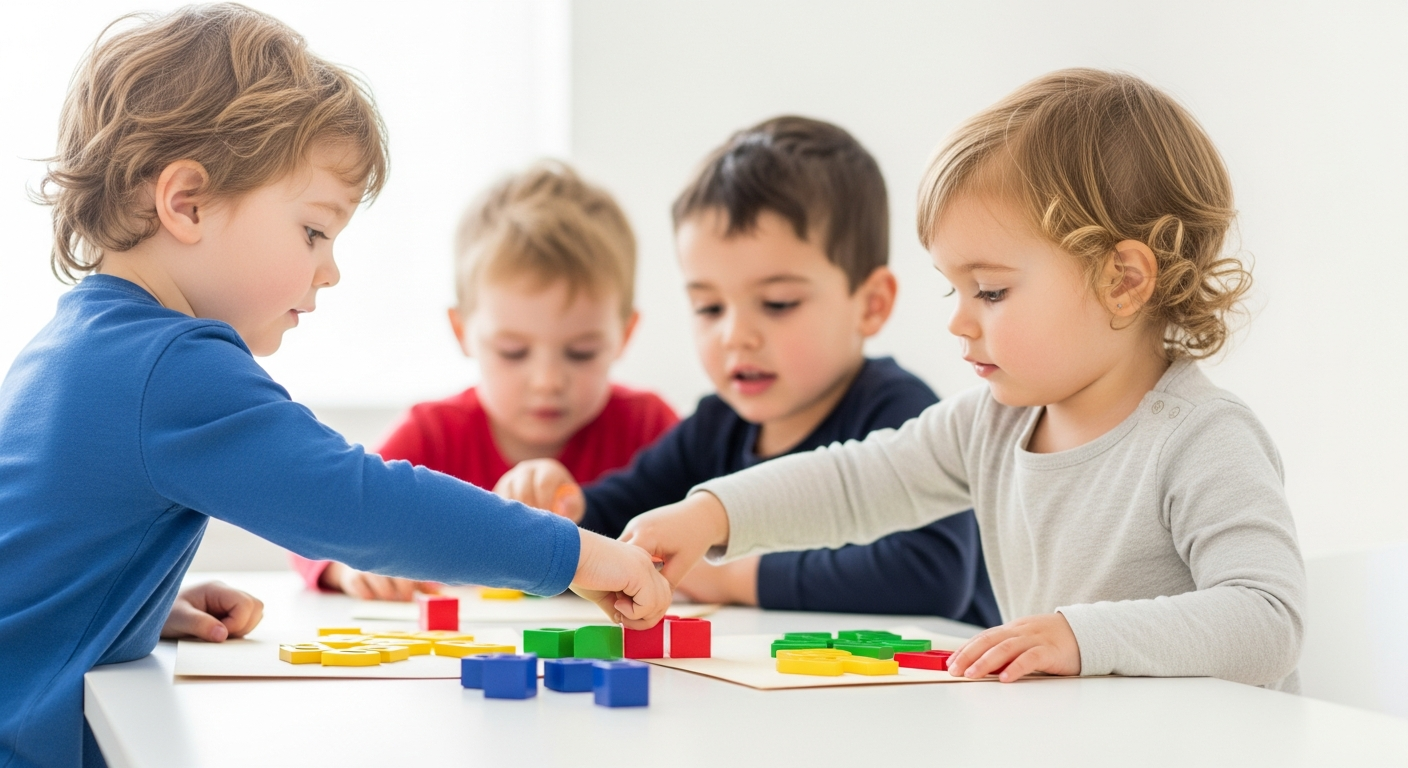
Pass the Soft Cube
Handing a soft cube to the next child provides a tactile anchor that distracts from social pressure. The child holding the cube simply places it in the next person’s lap without speaking or making eye contact. This non-verbal turn-taking builds rhythm and inclusion, allowing reserved preschoolers to participate fully in the circle’s flow while feeling safe behind the physical object that facilitates the connection.
How to choose low-pressure circle time activities
Selecting the right activities for shy preschoolers requires balancing structure with safety. You want games that invite participation without forcing the spotlight. The goal is to build confidence through repetition and peer modeling, not performance.
| Activity Type | Social Pressure | Best For |
|---|---|---|
| Pass the Ball | Low | Parallel play |
| Puppet Show | Medium | Vocal practice |
| Freeze Dance | Low | Movement without speech |
| Show and Tell | High | Confident speakers |
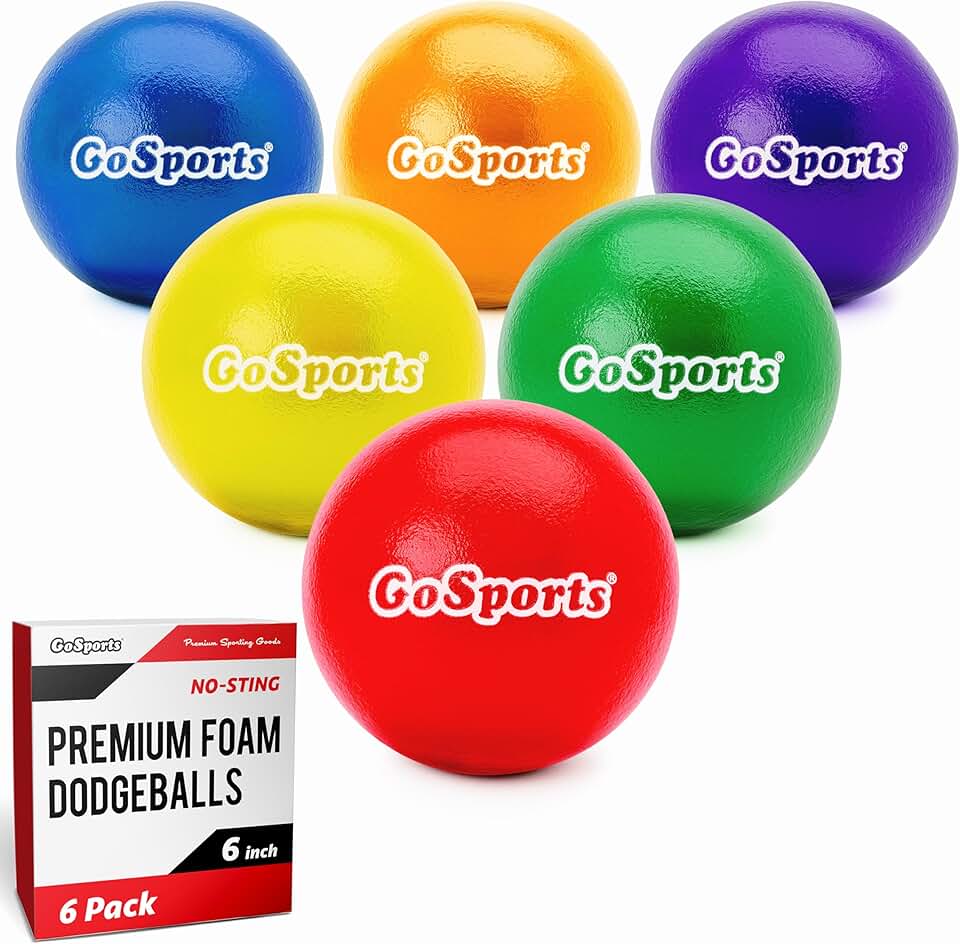
As an Amazon Associate, we may earn from qualifying purchases.
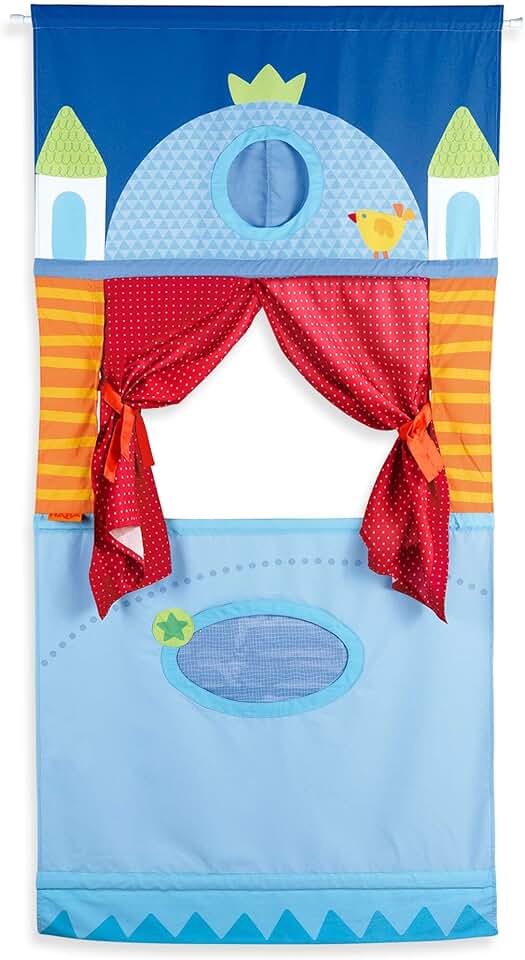
The right tools make all the difference. Look for items that are soft, durable, and visually engaging. These props serve as conversation starters and comfort objects, helping shy children feel more grounded during group activities.
No comments yet. Be the first to share your thoughts!