

Why sensory play matters in spring
Spring transforms the environment into a rich, tactile classroom. Mud, rainwater, fallen petals, and sprouting seeds offer natural textures that plastic toys cannot replicate. When children engage with these seasonal elements, they build neural pathways through direct tactile experience.
Tactile exploration grounds abstract concepts. Feeling the wetness of soil helps a child understand water absorption. Noticing the crisp snap of a twig teaches fragility and strength. These moments of discovery support fine motor development and cognitive growth simultaneously.
Educators and parents can leverage this seasonal window to create rich, low-cost learning environments. The goal is not just to occupy time, but to provide meaningful interactions with the changing world.
10 Sensory-Based Preschool Activities for Spring 2026
Transform your preschool learning space into a vibrant spring sanctuary with these ten tactile activities designed to engage young minds through nature’s seasonal changes. From squishing damp mud to planting seeds, each exercise leverages spring-specific materials like flowers, rain, and soil to build essential sensory skills in a fun, hands-on way.
-
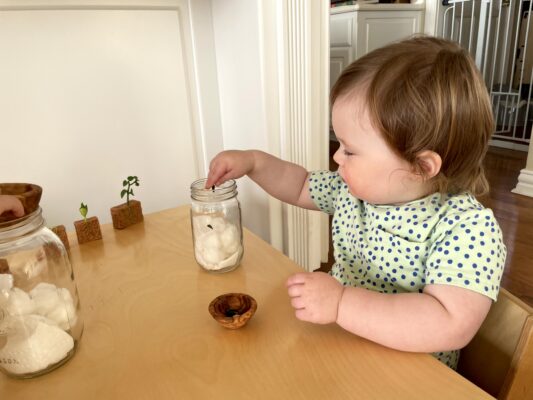
Sprouting Bean Sprouts in Clear Jars
Fill clear glass jars with damp paper towels and fasten dried beans inside. Children observe daily root growth through the transparent walls, turning passive observation into active scientific inquiry. This setup requires minimal cleanup while providing a tangible lesson in plant biology and patience, perfectly suited for indoor spring learning when outdoor gardening isn't yet feasible for young hands. -
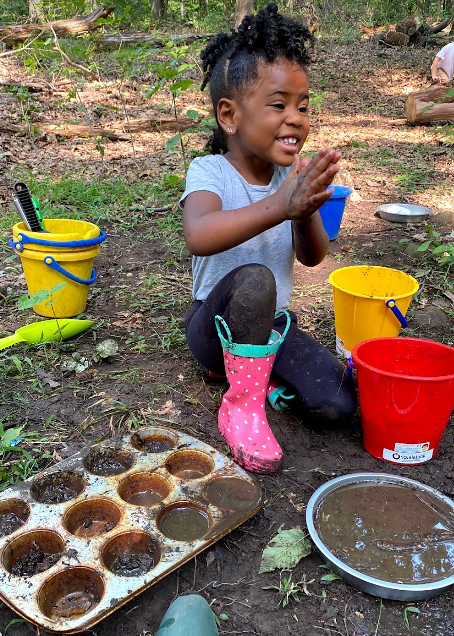
Creating Mud Pie Stations with Natural Ingredients
Designate a specific outdoor area for messy, tactile play using soil, water, and fallen twigs. Children mix these natural elements to construct edible-looking pies, fostering creativity and fine motor skills. This activity embraces the chaotic beauty of spring rain, allowing kids to explore texture and consistency while connecting with the earth in a safe, supervised environment. -

Painting with Fresh Flower Petals and Juice
Crush colorful spring blossoms into a bowl of water to create natural, vibrant dyes. Children dip brushes or sponges into the petal-infused liquid to paint on thick paper, experiencing the subtle scents and soft textures of the flowers. This gentle art project introduces color theory and botanical science without the mess of synthetic paints or harsh chemicals. -

Sorting Spring Leaves by Texture and Size
Collect a diverse array of fallen leaves from local trees and spread them on a large table. Guide children to categorize specimens by roughness, smoothness, or dimensions, enhancing their observational skills and vocabulary. This hands-on sorting exercise strengthens cognitive classification abilities while encouraging outdoor exploration and appreciation for the subtle variations in nature's springtime palette. -
Scented Water Play with Citrus and Herbs
Fill a shallow basin with water and add sliced lemons, mint sprigs, or basil leaves. Children splash and scoop, engaging their sense of smell alongside touch to create a multi-sensory experience. This refreshing activity calms restless energy while introducing basic concepts of scent identification and sensory integration in a fun, interactive setting perfect for warm spring days. -
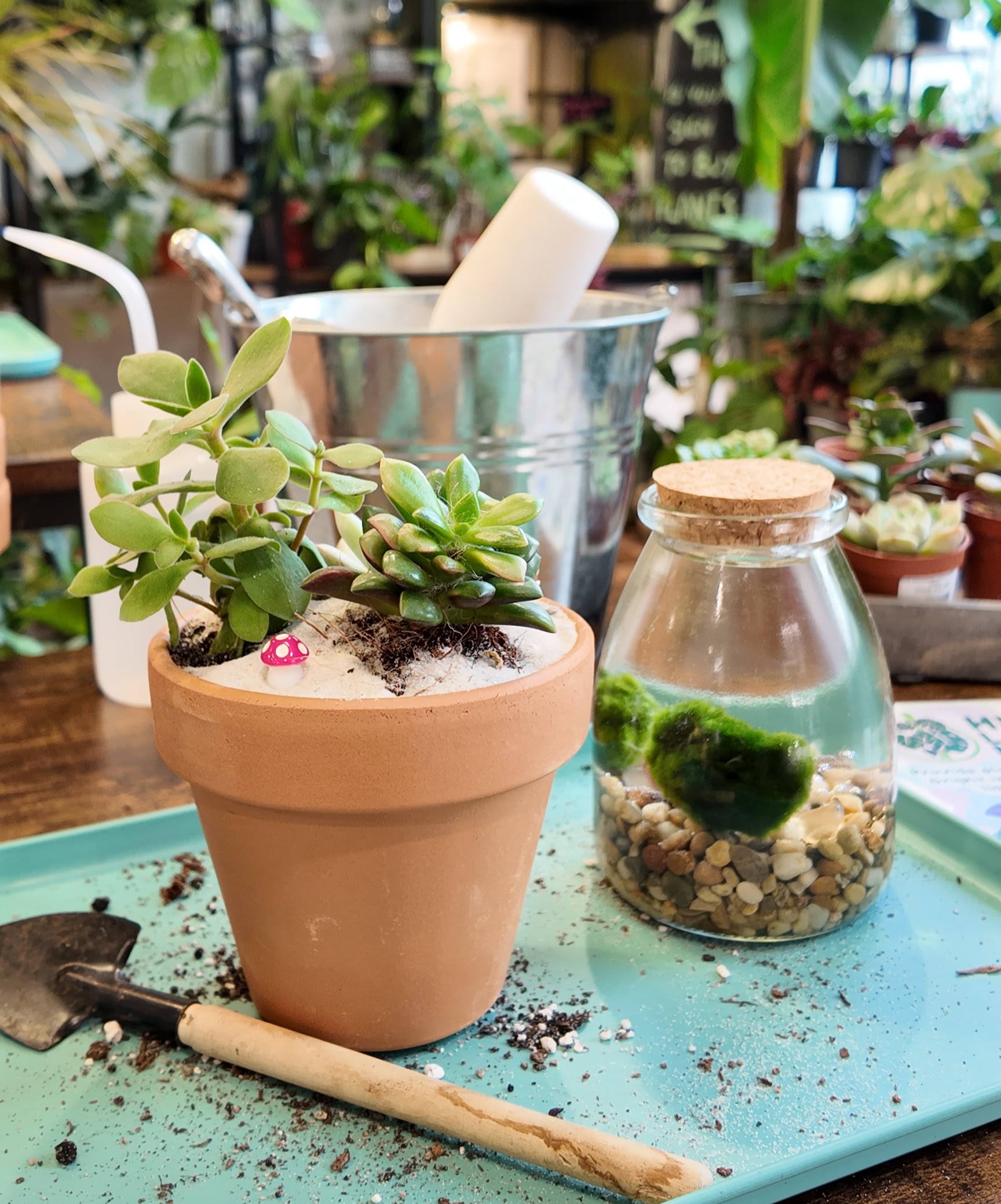
Building Mini Terrariums with Moss and Stones
Guide children to layer small stones, activated charcoal, and vibrant moss inside clear jars. This tactile process teaches basic ecosystem concepts while offering soothing visual stimulation. Use tweezers for precise stone placement, enhancing fine motor skills. The layered textures provide a calming, earthy sensory experience that connects preschoolers with nature's quiet beauty. -
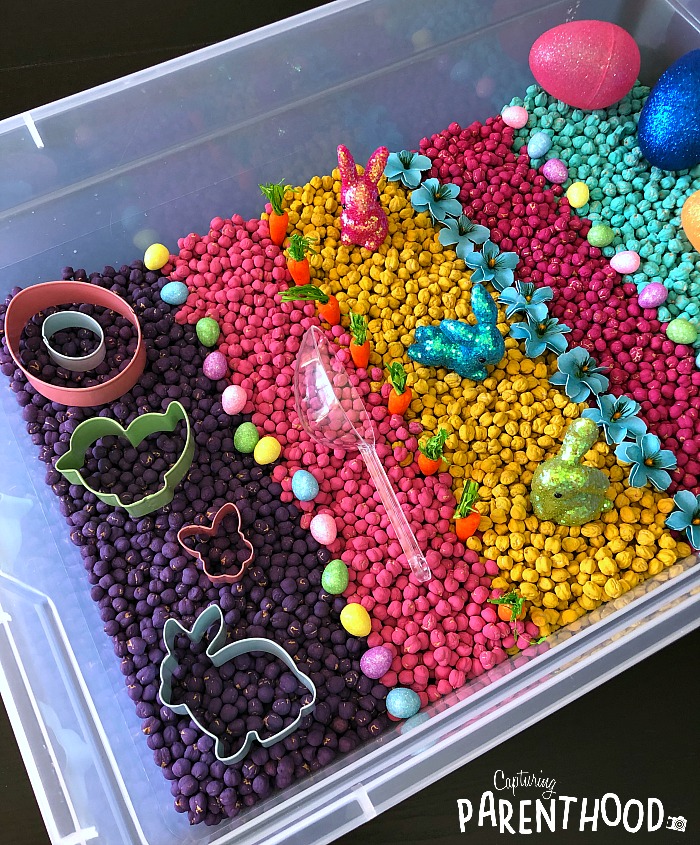
Sensory Bins Filled with Dried Peas and Beans
Fill a shallow bin with a colorful mix of dried green peas, kidney beans, and lentils. Children scoop and pour using ladles, feeling the distinct shapes and hard textures against their palms. This simple activity strengthens hand-eye coordination and pincer grasp. The dry, crinkling sounds and varied colors create an engaging, low-mess sensory exploration station. -
Raindrop Painting on Wax Paper and Cardstock
Place wax paper over cardstock and let children drip watercolors onto the surface. As water hits the wax, colors bead up and slide, mimicking raindrops. This technique reveals how surfaces repel liquid, offering a magical visual effect. The smooth, slippery texture of the wax paper contrasts with the absorbent cardstock, creating a unique tactile and visual art experience. -
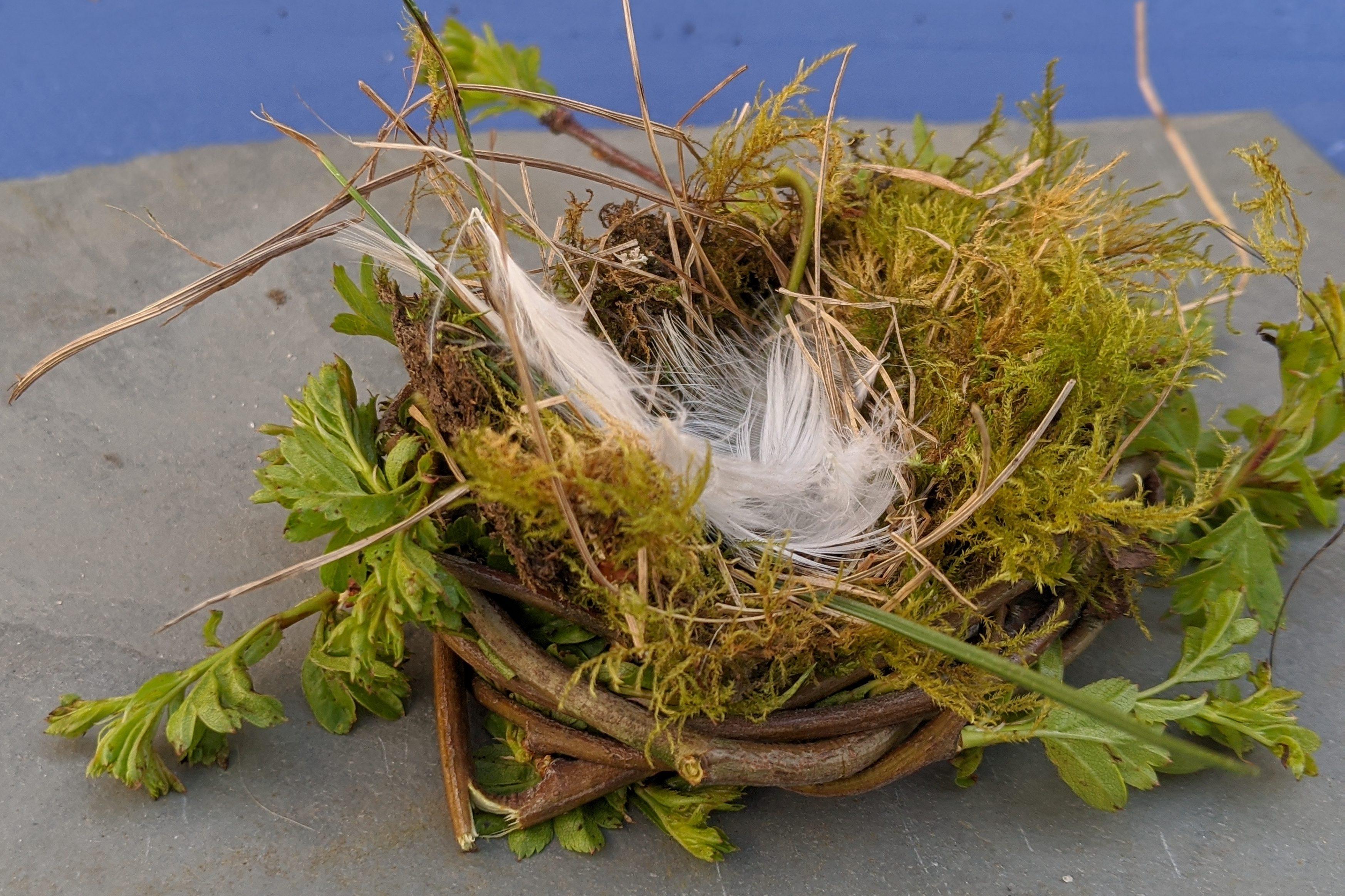
Exploring Bird Nests with Feathers and Twigs
Provide a collection of real, clean bird nests alongside soft feathers and small twigs. Children examine the intricate weaving patterns and delicate textures, fostering curiosity about wildlife habitats. Handling these natural materials encourages gentle touch and careful observation. This activity sparks conversations about birds and spring nesting behaviors, grounding sensory play in ecological learning. -
Chalk Art on Wet Pavement After Rain
Wait for a recent rain to leave pavement damp, then use bright sidewalk chalk to draw. The wet surface makes colors pop vividly and blend smoothly, creating a mesmerizing watercolor-like effect. Children feel the cool, slick pavement under their hands as they draw. This temporary art form celebrates spring weather and offers a dynamic, large-motor sensory experience.
10 spring sensory activities for preschoolers
Spring brings a natural reset to the classroom and home. The changing weather and blooming outdoors offer endless opportunities for sensory play that supports fine motor skills, scientific curiosity, and emotional regulation. Instead of relying on manufactured toys, these activities use materials found in the spring season—mud, petals, rain, and seeds—to create engaging, hands-on learning experiences.
Each activity below is designed to be simple to set up yet rich in developmental value. From messy mud kitchens to delicate flower petal sorting, these ten spring sensory activities turn the season into a classroom.
1. Build a Mud Kitchen Mud is nature’s best sensory material. It offers resistance, weight, and texture that water alone cannot provide. A mud kitchen transforms a corner of the yard into a culinary lab where children practice pouring, mixing, and measuring.
Set up a table or a flat rock with empty jars, old pots, and spoons. Let children gather their own mud from the garden. Add water gradually to create different consistencies—thick batter or runny soup. This activity builds fine motor strength as they stir and scoop, while the open-ended nature encourages imaginative role-play.
2. Create a Flower Petal Sorting Station Spring flowers provide a colorful array of shapes and sizes perfect for early math concepts. This activity helps children practice classification, a foundational skill for later mathematics.
Collect fallen petals from different flowers—tulips, daffodils, and cherry blossoms work well. Provide small bowls or muffin tins. Ask children to sort the petals by color, size, or type. You can extend this by having them create patterns (e.g., yellow petal, white petal, yellow petal) or count how many petals fit in each section.
3. Set Up a Bug Hotel Sensory play isn’t just about touch; it’s about exploring habitats. Building a bug hotel introduces children to ecology and the importance of small creatures in the garden.
Gather natural materials like pinecones, dry twigs, hollow bamboo stalks, and stones. Provide a clear plastic container or a small wooden box. Children can pack these materials tightly into the container, creating different chambers. Place the hotel in a quiet corner of the garden and check it weekly to see which insects move in. This teaches patience and observation skills.
4. Rain Sound Sensory Jar Rain is a common spring element that can be calming or chaotic. A rain sensory jar captures the sound and movement of raindrops, offering a quiet moment for regulation.
Fill a clear plastic bottle with water and a few drops of blue food coloring. Add clear glue to slow the movement, then pour in some sequins or beads to represent raindrops. Seal the bottle tightly with hot glue. When shaken, the beads swirl and settle like rain. This is an excellent tool for calm-down corners or for teaching the concept of gravity and fluid dynamics.
5. Scavenger Hunt for Spring Textures Children learn through comparison. A texture scavenger hunt encourages them to notice the differences between smooth, rough, soft, and prickly surfaces found outdoors.
Create a simple checklist with icons for different textures: a leaf (smooth), a pinecone (rough), moss (soft), and a twig (hard). Give each child a small basket. Walk outside together and ask them to find one item for each texture. Discuss how each item feels on their fingertips. This activity sharpens tactile discrimination and vocabulary.
6. Seed Planting Sensory Tray Planting seeds combines sensory exploration with the science of growth. This activity is tactile and rewarding, showing children the direct result of their care.
Fill a shallow tray with potting soil. Provide small seeds like beans, sunflowers, or marigolds. Let children dig their fingers into the soil, feel the moisture, and place the seeds at specific depths. Cover them gently with more soil. Water them lightly. Keep the tray in a sunny spot and observe the sprouts daily. This teaches responsibility and the lifecycle of plants.
7. Water and Ice Block Excavation Spring temperatures can still bring early ice or frozen treats. Ice blocks offer a challenging sensory experience that requires problem-solving and persistence.
Freeze small plastic insects, beads, or flowers in large ice blocks the night before. Place the blocks in a bin of warm water. Provide tools like droppers, small hammers, salt, and spray bottles. Children must figure out how to melt or break the ice to free the treasures inside. The cold temperature and slippery texture provide intense sensory input, while the process encourages scientific hypothesis testing.
8. Flower Scented Water Play Scent is a powerful trigger for memory and emotion. Flower water play engages the olfactory sense alongside touch and sight.
Steep fresh flower petals in warm water for an hour, then strain out the petals. Pour the colored, scented water into shallow bins. Add floating cups, spoons, and funnels. Children can pour the water between containers, observing how the color changes with dilution. The gentle floral scent creates a calming atmosphere, making this activity ideal for transitioning between more active play sessions.
9. Leaf Rubbing Art Leaves are abundant in spring and have distinct vein patterns. Leaf rubbing is a simple art technique that introduces children to texture and imprinting.
Place a leaf under a thin sheet of paper. Use a crayon, held on its side, to rub over the paper. The texture of the leaf’s veins will appear on the paper. Provide a variety of leaves with different shapes and vein structures. Discuss the differences between smooth and jagged edges. This activity develops hand-eye coordination and introduces basic artistic techniques.
10. Sprout and Grow Observation Journal Sensory play extends beyond the immediate moment. Keeping an observation journal helps children document changes over time, fostering scientific literacy.
Provide a small notebook and crayons. Ask children to draw what they see in their garden or on their windowsill sprouts. They can note the date, the weather, and any changes they notice. Encourage them to use sensory words: "green," "tall," "wet," "soft." This habit of observation helps children slow down and appreciate the subtle details of the natural world.
How do I keep spring sensory activities safe for toddlers? Always supervise children closely, especially with small items like seeds or beads that could be choking hazards. Use non-toxic materials and ensure water bins are shallow to prevent drowning risks. For outdoor activities, check for allergens like pollen or poison ivy before letting children handle plants.
What materials do I need for basic spring sensory play? Most spring sensory activities require simple household items: bowls, spoons, water, and soil. The "sensory" materials come from nature—fallen leaves, petals, mud, and sticks. You may need a few extras like food coloring, glue, or ice trays, but the core ingredients are free and outdoors.
Can these activities be done indoors? Yes. Activities like flower petal sorting, seed planting in trays, and rain jars work well indoors. For mud or water play, use a large plastic bin or a tarp to contain the mess. You can also bring spring materials like flowers and leaves inside for scent and texture exploration.
How long should a sensory play session last? Preschoolers typically engage in focused play for 15 to 30 minutes. Watch for signs of boredom or overstimulation. If a child loses interest, it’s okay to end the activity early or switch to a quieter version, like switching from muddy water play to dry leaf sorting.
Setting up your spring sensory station
Start with a sturdy, shallow bin or a large plastic tray. This keeps the mess contained while giving children enough space to manipulate materials freely. Place the bin on a washable surface, like a vinyl tablecloth or a tarp, to make cleanup effortless. Having a bucket of water and a stack of wet wipes nearby allows you to address spills immediately without interrupting the flow of play.
Gather spring-specific natural materials to spark curiosity. Fresh flowers, pinecones, smooth river rocks, and damp soil offer distinct textures and scents that artificial toys cannot replicate. You can also incorporate seasonal elements like rainwater collected in jars or seeds for planting experiments. These organic items connect children directly to the changing season, encouraging observation and tactile exploration.
Safety is the foundation of sensory play. Always inspect natural materials for sharp edges, thorns, or signs of mold before handing them to children. Avoid small items like loose beans or beads for younger preschoolers who might mouth them. Ensure that all materials are non-toxic and that children are supervised closely, especially when using water or soil, to prevent slipping or ingestion.
Turn sensory play into literacy and numeracy practice
Sensory bins naturally invite exploration, but adding simple academic layers helps children connect tactile experiences with early learning concepts. You don’t need formal worksheets to build foundational skills; you just need to weave counting, sorting, and letter recognition into the spring-themed materials they are already touching.
Start with flower petal counting. Place a small basket of real or artificial spring flowers in a bin. Ask children to count the petals on each bloom or sort them by color. This turns a simple sensory touch into a concrete numeracy exercise, reinforcing one-to-one correspondence.
Next, try seed sorting by size. Use a mix of large beans and small seeds (like chia or poppy) in a mud or sand base. Have children use tweezers or spoons to separate them into labeled cups. This activity builds fine motor strength while introducing early geometry concepts like big/small and sorting by attribute.
For literacy, create letter-scented bins. Hide plastic letters in a bin filled with dried lavender or mint. As children dig for specific letters, they connect the visual shape of the character with a distinct spring scent. This multi-sensory approach helps cement letter recognition more effectively than visual drills alone.
Finally, use raindrop counting in water bins. Add blue-tinted water beads or plastic raindrops. Ask children to count how many drops they scoop into a cup or match numbers written on cards to the quantity of drops. This playful repetition makes abstract numbers tangible and memorable.
Frequently asked questions about spring play
Parents and educators often ask how to adapt general preschool activities for the specific sensory opportunities spring offers. Below are answers to common questions about engaging 3- and 4-year-olds with seasonal materials.
These questions highlight that spring is an ideal time for hands-on learning. Using natural materials like petals, seeds, and soil makes abstract concepts concrete for young learners.
Put 10 Sensory-Based Preschool Activities for Spring into practice
No comments yet. Be the first to share your thoughts!