

The screen time struggle
Screens are everywhere, and most parents I know are feeling the burnout. The American Academy of Pediatrics suggests capping screen time at one hour a day for kids aged 2 to 5. It isn't about hating tech; it's just that three-year-olds need to move their bodies and touch real objects to learn how the world works.
Digital Detox Week is a good excuse to put the phones in a drawer and see what happens. Total perfection is impossible—I've definitely used a tablet to get through a long grocery run—but having a few backup plans makes it easier to say no to the remote.
Reducing screen time intentionally can have a positive impact on a child’s development. It opens up opportunities for creativity, social interaction, and physical activity. Let's be honest, finding engaging alternatives can feel daunting. We're here to help with 15 screen-free activities to make Digital Detox Week – or any week – a success.
15 ways to play without a plug
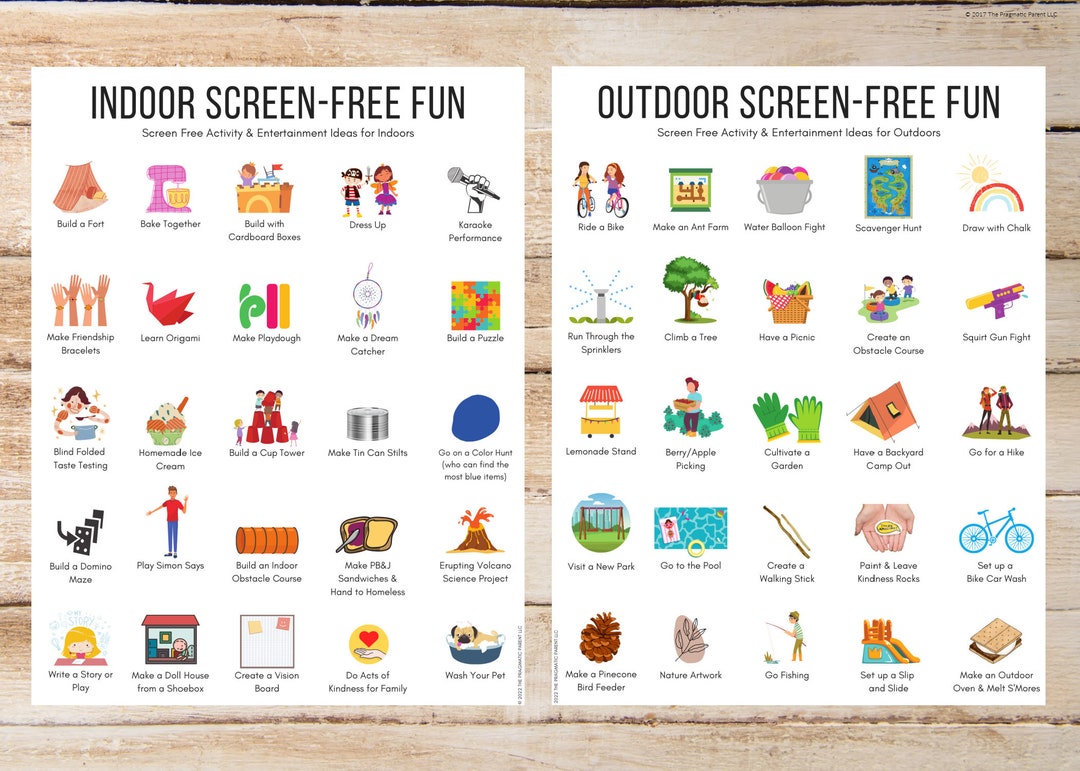
Okay, let’s get to the fun part! Here are 15 screen-free activities designed to keep your preschooler engaged and learning. I've tried to include a variety, balancing simplicity with opportunities for deeper exploration. Many of these ideas come from resources like The Toddler Playbook and suggestions shared by parents online – it’s wonderful to see how creative people are getting!
1. Fort Building: A classic for a reason! Use blankets, pillows, chairs, and anything else you can find to create a cozy hideaway. This encourages problem-solving, imagination, and spatial reasoning. Best for ages 3-5.
2. Playdough Creations: Homemade or store-bought, playdough is fantastic for developing fine motor skills and creativity. Add tools like cookie cutters, rolling pins, and plastic knives. Ages 2-4.
3. Water Bin Exploration: Fill a bin with water and provide cups, containers, and toys for pouring and splashing. Supervise closely, of course! This is great for sensory exploration and early math concepts. Ages 2-4.
4. Nature Walk Scavenger Hunt: Head outdoors and create a list of items to find – a leaf, a rock, a flower, something red. This promotes observation skills and appreciation for nature. Ages 3-5.
5. Simple Painting: Finger painting, brush painting, or even painting with sponges – let your preschooler explore colors and textures. Ages 2-4.
6. Bubble Blowing: A simple pleasure that never gets old! Bubbles encourage gross motor skills and visual tracking. Ages 2-5.
7. Sensory Bags: Fill a Ziploc bag with paint, glitter, or water beads and seal it tightly. This provides a safe and contained sensory experience. Ages 2-4.
8. Story Time with Props: Read a favorite story and use props or puppets to bring it to life. This enhances comprehension and imagination. Ages 3-5.
9. Dress-Up & Dramatic Play: Provide a box of costumes or old clothes and let your preschooler’s imagination run wild. This fosters creativity and social-emotional development. Ages 3-5.
10. Block Building: From simple towers to elaborate structures, building with blocks develops spatial reasoning and problem-solving skills. Ages 2-5.
11. Puzzle Time: Age-appropriate puzzles challenge problem-solving skills and hand-eye coordination. Ages 2-5.
12. Coloring & Drawing: Provide crayons, markers, and paper and let your preschooler express their creativity. Ages 2-5.
13. Obstacle Course: Use pillows, blankets, and furniture to create a simple obstacle course. This encourages gross motor skills and coordination. Ages 3-5.
14. Music & Movement: Put on some music and dance, sing, or play simple instruments. This promotes rhythm, coordination, and self-expression. Ages 2-5.
15. "I Spy" Game: A classic game that encourages observation skills and vocabulary development. Ages 3-5.
Sensory bins and messy hands
Sensory play is messy, but it keeps a preschooler's brain busier than any app. Watching a kid figure out how ice melts or how food coloring swirls in water is better than any 'educational' video.
Water Bin Variations: Don't just fill the bin with water. Add bubbles, food coloring, small plastic toys, or even ice cubes. Consider providing different types of containers – measuring cups, spoons, funnels – to encourage pouring and experimentation. Think about themes: "ocean’ with sea creatures, ‘car wash" with toy cars.
Playdough Station Power-Up: Go beyond just handing over a lump of playdough. Offer cookie cutters, rolling pins, plastic knives, stamps, and small objects to press into the playdough. You can even make your own playdough using simple recipes found online. A little food coloring goes a long way!
Textured Sensory Bags: These are fantastic because they’re mess-free. Fill a Ziploc bag with hair gel, glitter, and small objects like beads or sequins. Seal it tightly and let your preschooler squish and explore. For older preschoolers, you can try adding shaving cream for a different texture.
- Water bin
- Playdough station
- Textured sensory bags
Burning off preschooler energy
Preschoolers have a lot of energy. Active play isn’t just about burning off that energy; it’s crucial for developing gross motor skills, coordination, and balance. It's so important for their overall well-being.
Indoor Obstacle Course: You don’t need a lot of space. Use pillows, blankets, furniture, and toys to create a simple obstacle course. Encourage crawling, jumping, and climbing. For an extra challenge, add instructions like "crawl under the table’ or ‘jump over the pillow."
Animal Walks: Have your preschooler imitate different animals – bear walk, crab walk, frog jump. This is a fun way to work different muscle groups and develop coordination. It's also a great way to learn about animals!
Simple Yoga Poses: Introduce basic yoga poses like downward dog, tree pose, or cat-cow. This promotes flexibility, balance, and mindfulness. There are plenty of kid-friendly yoga videos available online, but you can also just make it up as you go.
Treasure Hunt: Hide objects around the house or yard and give your preschooler clues to find them. This encourages problem-solving skills and gets them moving. Adapt the difficulty of the clues to their age and abilities.
Beyond the Basics: Activity Standouts
Let's revisit a couple of activities that are particularly versatile and offer unique developmental benefits. Nature Collages are fantastic. After a nature walk, have your preschooler glue leaves, flowers, and twigs onto paper to create a collage. This combines art with nature exploration.
Another standout is Homemade Instruments. Use empty containers, rubber bands, and rice to create simple instruments like shakers and drums. This encourages creativity, music appreciation, and exploration of sound. Don’t worry if it’s not perfect – the process is more important than the product!
No comments yet. Be the first to share your thoughts!