
Why sensory play matters in 2026
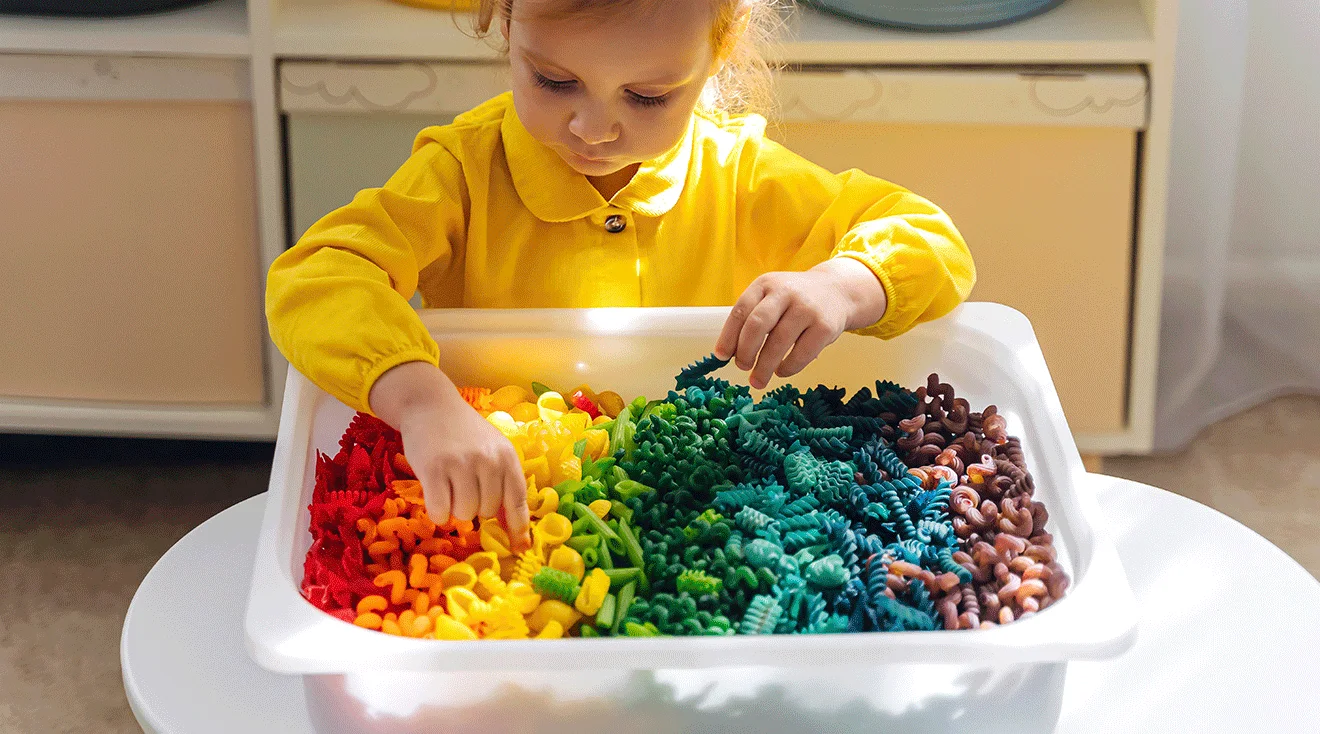
Sensory play is the hands-on work of early development. When children manipulate materials like kinetic sand, playdough, or water beads, they are building the neural pathways that support fine motor control and emotional regulation. These preschool activities turn abstract concepts into tangible experiences, allowing little ones to learn through touch, sight, and sound.
The goal is not just entertainment, but active engagement. Simple tools such as a set of textured blocks or a sensory bin filled with rice and scoops help children explore cause and effect. This concrete interaction is far more effective for early learning than passive screen time. By focusing on these tactile preschool activities, parents and educators provide the foundational experiences children need to thrive in kindergarten and beyond.
15 Sensory Play Trends: Best Preschool Activities & Crafts for 2026
Here are 15 specific, concrete sensory activities designed for preschoolers, focusing on safe materials and developmental benefits.
- Kinetic Sand Sculpting: Use ASTM-certified kinetic sand for moldable, non-messy tactile exploration. It holds shape well, helping children practice grip strength and spatial awareness without the cleanup of regular sand.
- Rice Bin Excavation: Fill a large bin with dyed rice and bury plastic dinosaurs or gems. Provide scoops and tweezers for children to dig out items, enhancing fine motor precision and hand-eye coordination.
- Ice Cube Melting Station: Freeze small toys in ice cubes and provide warm water, droppers, and salt. Children observe phase changes while practicing dropper control and patience.
- Shaving Cream Drawing: Spray shaving cream on a tray and let children draw with their fingers. The cool, soft texture offers unique sensory feedback, and it wipes clean easily with water.
- Play-Doh Stamp Press: Use Play-Doh and household items like bottle caps or textured toys as stamps. This teaches cause-and-effect relationships and strengthens finger muscles needed for writing.
- Water Bead Sensory Bin: Use large, non-toxic water beads in a bin. The cool, slippery texture is distinct from other materials. Supervision required as these are choking hazards if ingested.
- Oobleck Mixing: Combine cornstarch and water to create a non-Newtonian fluid. It acts like a solid when squeezed but flows like a liquid when relaxed, teaching basic physics concepts through touch.
- Textured Fabric Touch Box: Place squares of velvet, sandpaper, fleece, and burlap in a box. Children reach in and guess the texture by feel, building descriptive vocabulary and tactile discrimination.
- Painted Pinecones: Collect pinecones and let children paint them with washable tempera paint. The irregular surface provides varied resistance, and the natural material connects play to the outdoors.
- Dry Bean Sorting: Provide two bowls of different colored dried beans and small cups. Children sort the beans by color or type, practicing pincer grasp and concentration.
- Bubble Wrap Stomp: Tape a sheet of bubble wrap to the floor. Children stomp or walk on it, experiencing auditory and tactile feedback. This is excellent for gross motor release and sensory processing.
- Gelatin Jigglers: Make large batches of colored gelatin in a shallow pan. Children poke and squish the wobbly surface, exploring viscosity and resistance without making a sticky mess like slime.
- Finger Painting on Glass: Spread finger paint on a window or glass table. Children can paint on one side while looking through to the other, adding a visual layer to the tactile experience.
- Sensory Bottles: Fill clear plastic bottles with water, clear glue, and glitter. Seal tightly with hot glue. Shaking the bottle provides visual tracking practice and calming visual stimulation.
- Mud Kitchen Play: Create a simple mud kitchen using dirt, water, and leaves. Children mix "ingredients" in bowls, fostering imaginative play and comfort with natural, messy materials.
Choosing safe materials
Preschool activities rely heavily on tactile exploration, making material safety the first filter for any craft or sensory bin. Young children put everything in their mouths and handle supplies with sticky, paint-covered hands. Prioritizing non-toxic, age-appropriate materials protects them from ingestion risks and skin irritation while keeping cleanup manageable.
Look for the ASTM D-4236 seal on all art supplies. This certification confirms that products have been reviewed by a toxicologist and are safe for children. Avoid generic "craft clay" or unlabeled kinetic sand, which may contain heavy metals or silica dust. Instead, choose established brands like Crayola or Play-Doh, which clearly list ingredients and adhere to strict safety standards.
Size matters as much as composition. Any material small enough to fit in a preschooler’s mouth is a choking hazard. Stick to large-format items like chunky chalk, wide brushes, and big sensory bins. If using small beads or buttons, they must be used only under direct, one-on-one supervision.
Easy-to-clean materials reduce the stress of sensory play. Washable markers and water-soluble paints allow children to explore freely without parents worrying about permanent stains on clothes or furniture. These practical choices keep the focus on learning rather than containment.


As an Amazon Associate, we may earn from qualifying purchases.
Common questions about sensory play
Parents often ask how to adapt sensory activities for specific ages or how to manage the mess. Here are the most frequent questions from our research on preschool activities.
What activities can you do with a 4 year old?
Four-year-olds thrive on structured sensory tasks that build fine motor skills. Try giving them paper and notepads for "writing" exercises, or label toy shelves so they can read the words. Simple finger plays and daily reading sessions also support their developing cognitive abilities alongside hands-on play.
Is sensory play safe for toddlers?
Safety depends on the materials used. Avoid small beads, buttons, or marbles for children under three due to choking hazards. Stick to larger items like pinecones, large pom-poms, or thick playdough. Always supervise closely, especially when introducing water, sand, or homemade slime to prevent ingestion.
How do I clean up sensory bins quickly?
The fastest cleanup method is to use a large trash bag or a laundry basket as a collection point. Pour the entire bin contents into the bag or basket, then sort through it later to separate reusable items from trash. This avoids the tedious task of picking up small pieces from the floor one by one.
What are the best cheap sensory materials?
You don't need expensive kits to create engaging preschool activities. Household items like rice, dried beans, water, and shaving cream work perfectly. Free printable worksheets for tracing letters or shapes can be combined with these materials to create low-cost, high-value learning experiences.
No comments yet. Be the first to share your thoughts!