

Bringing the Snow Inside: Why Winter Themes Work for Preschoolers
Winter means more time indoors, and that’s okay! We can embrace the season and bring its magic into preschool activities. A winter theme isn't just about snowflakes and snowmen; it's an opportunity to engage children’s senses and spark their curiosity about the world.
Winter themes are good for preschool learning because they lend themselves to sensory exploration. Think about the textures – the coolness of ice, the fluffiness of snow, the smoothness of a pinecone. These experiences help children develop descriptive language skills and build connections to the real world. Kids are already talking about winter, so it’s a topic they’re excited about.
Different learners benefit from different approaches. Some children thrive with hands-on sensory activities, while others prefer the structure of a craft or imaginative play. A winter theme incorporates a variety of activities to cater to all learning styles. It's about capturing wonder and translating it into learning experiences.
Sensory Bins: A Winter Wonderland in a Tub
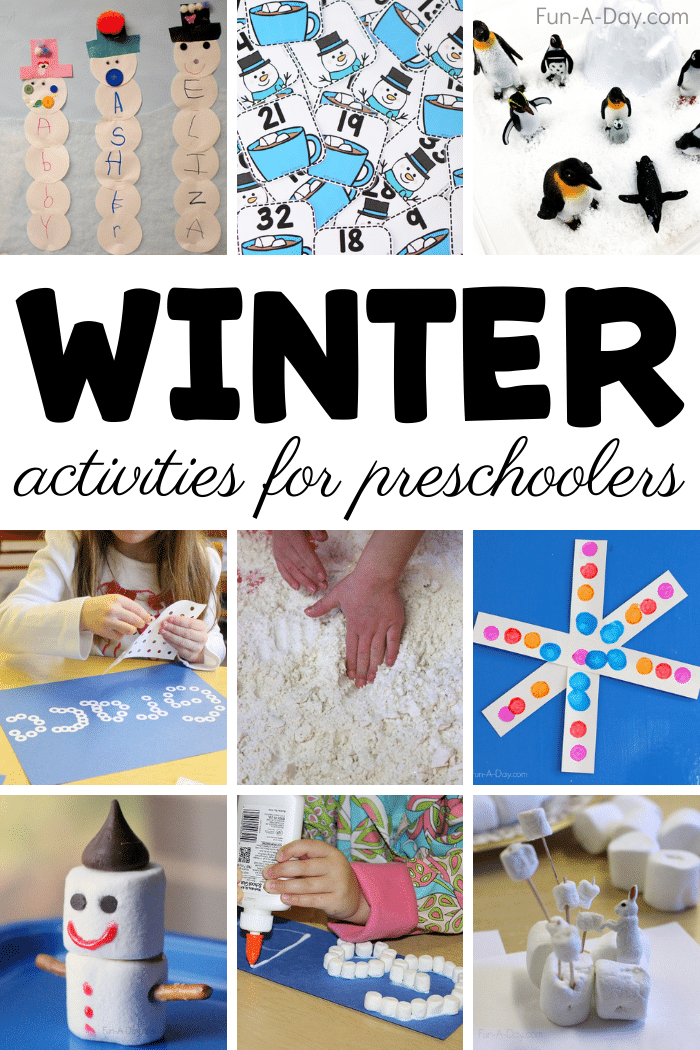
Sensory bins are a cornerstone of preschool play, and winter offers possibilities for creating immersive experiences. A simple bin filled with fake snow and small arctic animals – polar bears, penguins, seals – can provide hours of entertainment and learning. Add plastic icebergs or small trees to enhance the scene. For a different texture, try a bin with ice and blue water beads; this is appealing to children who enjoy a cool, slippery sensation.
Another idea is a 'snowy' bin with cotton balls and silver glitter. The glitter adds sparkle and encourages imaginative play, but supervise carefully to prevent it from getting everywhere (and potentially in eyes!). Incorporate scoops, cups, and small containers to encourage measuring, pouring, and fine motor skill development. A bin with white beans and hidden winter-themed objects is another option.
Safety is paramount when creating sensory bins. Always supervise children closely, especially with small parts that could be a choking hazard. If using water beads, ensure they are non-toxic and that children understand they are not for consumption. For families on a budget, you don't need expensive materials – dried pasta dyed white, shredded paper, or oatmeal can serve as sensory bin fillers. Varying the materials keeps things interesting and allows for learning opportunities.
- Fake snow and arctic animals
- Ice and blue water beads
- Cotton balls and silver glitter
- White beans and hidden objects
Snowflake Science: Exploring Symmetry and Patterns
Snowflakes are a way to introduce basic science concepts to preschoolers. The most obvious is symmetry. Explain that a snowflake has two identical halves, and demonstrate this by folding a piece of paper in half and drawing half a snowflake. Then, have the children finish the drawing, creating a symmetrical design. This helps them visualize the concept.
Making paper snowflakes is a classic activity. Start with simple folding techniques and gradually introduce more complex ones as children gain confidence. Observing real snowflakes (if you live in an area where it snows) is also an experience, but remember safety first! Encourage children to catch snowflakes on dark-colored fabric to better see their patterns. Talking about the fact that no two snowflakes are exactly alike is a fun fact they’ll enjoy.
Extend the learning by creating snowflake patterns with paint or blocks. Provide snowflake-shaped stamps or stencils for painting, or challenge children to build snowflake-like structures with blocks. You can find printable snowflake templates online to aid in drawing or coloring activities. A simple search for 'snowflake template printable' will yield options.
Easy Paper Snowflakes for Kids! ❄️ Simple Folding & Cutting Tutorial
Preschool Playbook Crafts
Watch on YouTube →Penguin Waddle Races & Arctic Animal Movement
Get little bodies moving with arctic animal-themed activities! A penguin waddle race is always a hit. Have children waddle across the room with a beanbag between their knees, mimicking a penguin’s gait. Encourage them to flap their arms like wings. Polar bear crawls are another fun option – children crawl on their hands and feet like a polar bear exploring the ice.
Don't forget the arctic fox! Children can practice jumping like an arctic fox pouncing on its prey. Incorporate animal sounds to add to the fun and encourage imaginative play. Ask them what sounds each animal makes and have them imitate those sounds while moving. This reinforces their understanding of the animals and their habitats.
The goal is to make it playful and non-competitive. Focus on participation and effort rather than winning or losing. These activities help develop coordination, balance, and spatial awareness. It's a great way to burn off energy on a cold day and practice gross motor skills.
Winter Story Time & Dramatic Play
A winter story time is a must! The Snowy Day by Ezra Jack Keats is a classic that celebrates the simple joys of a snowy day. Penguins by Gail Gibbons provides facts about these birds. Other good choices include books about snowmen, polar bears, or winter festivals. Read with enthusiasm and encourage children to ask questions and share their own experiences.
Extend the story into dramatic play by creating a winter-themed play area. A pretend ice skating rink can be set up with a large sheet of cardboard or a smooth rug. Provide cardboard “skates” or have children wear socks. Building an igloo out of blankets and pillows is another option. A “rescue the penguins” station, with stuffed penguins and rescue tools, encourages problem-solving and imaginative play.
Props for a dramatic play setup include blankets, pillows, cardboard boxes, and stuffed animals. Add winter-themed accessories like hats, mittens, and scarves. A few simple props can spark a child’s imagination and create a world of pretend play. It’s amazing how much fun they can have with basic materials.
- The Snowy Day by Ezra Jack Keats
- Penguins by Gail Gibbons
- Blankets and pillows for igloo building
- Stuffed penguins for rescue play
Cozy Winter Reads: Top 5 Picture Books for Preschoolers
Classic Caldecott Medal winner · Beautiful, evocative illustrations · Simple, engaging story about a child's joy in the snow
This timeless classic perfectly captures the wonder of a snowy day, making it an ideal read for preschoolers experiencing winter.
Rhyming text that is fun to read aloud · Charming illustrations of forest animals · Story about friendship and sharing
The rhythmic language and cozy animal characters in 'Bear Snores On' make it a delightful and engaging read for young children during winter.
Humorous and silly story · Repetitive phrases for early learners · Focuses on the fun of building and playing with snow
With its lighthearted humor and relatable snowman character, 'Sneezy the Snowman' is sure to bring giggles and encourage imaginative play.
Introduces concepts of hibernation and winter animal life · Stunning, detailed artwork · Explores the hidden world beneath the snow
This book offers a fascinating glimpse into the secret world of animals during winter, sparking curiosity and learning about nature.
Counting and number recognition · Simple, repetitive text · Focuses on a fun winter activity
'Ten on a Sled' provides a playful way for preschoolers to practice counting while enjoying a classic winter scene.
As an Amazon Associate I earn from qualifying purchases. Prices may vary.
Icy Art: Painting with Ice and Creating Frozen Sculptures
Combine art and science with icy art activities. Make ice paints by freezing water with food coloring in each container. Once frozen, let children paint on paper with the ice cubes. The effect is unique and encourages experimentation with color and texture. It's also a way to explore the concept of melting.
Creating small frozen sculptures is another activity. Freeze small toys or natural materials (berries, leaves, twigs) in ice. This creates an object that children can explore. Discuss the science behind freezing and melting – what happens when ice is exposed to warm temperatures? How does the ice change?
Safety is important when
Winter-Themed Math Games & Counting Activities
Integrate math concepts into winter play with engaging activities. Counting snowflakes (real or paper) is a simple but effective way to practice number recognition and counting skills. Sorting winter objects by color, shape, or size helps children develop classification skills. You could use pom-poms, buttons, or other small objects.
If it snows, measuring the snowfall can be a fun and hands-on math lesson. Use a ruler or measuring tape to determine how much snow has fallen. Create a winter-themed number line with snowflakes or snowmen to help children practice number sequencing. A simple snowflake-matching game, where children match snowflakes with the same number of points, is another good option.
Simple addition and subtraction problems can also be incorporated. For example: “If you have 3 snowflakes and you get 2 more, how many do you have?” or “If you have 5 snowmen and 1 melts, how many are left?” Make it playful and relate it to real-life scenarios to make it more meaningful.
Cozy Crafts: Making Winter Hats and Mittens
Winter is the perfect time for cozy crafts! Decorating paper hats and mittens is a simple and fun activity. Provide pre-cut hat and mitten shapes, along with crayons, markers, glitter (use with caution!), and other craft supplies. Encourage children to personalize their creations. Making pom-pom snowballs is another easy craft – just roll up white yarn or felt into small balls.
Creating winter-themed collages is a great way to encourage creativity and self-expression. Provide a variety of materials like construction paper, cotton balls, glitter, and winter-themed cutouts. Let children create their own winter scenes. Remember to provide clear instructions and photos to guide them through the process.
If you’re hesitant about using glitter (understandably!), there are plenty of alternatives. White paint, silver foil, or sparkly stickers can all add a touch of shimmer without the mess. The most important thing is to let children explore their creativity and have fun!
No comments yet. Be the first to share your thoughts!