
Music & Movement: A Window to Culture
Early childhood is a particularly sensitive time for developing an understanding of the world, and exposure to diverse cultures during these years can have a lasting positive impact. Music and movement are universal languages that transcend verbal communication, offering a powerful way to connect with others and build empathy. These activities aren't simply about fun; they're about fostering respect and appreciation for the rich tapestry of human experience.
The Oklahoma Department of Human Services emphasizes the importance of creating a multicultural environment that values diversity in young children, and music and movement are fantastic tools for achieving this goal. By incorporating songs, dances, and rhythms from around the globe, we can help children develop a sense of belonging and an understanding of different perspectives. It’s about recognizing that while our cultures may differ, we share a common humanity.
These activities are designed to be accessible and engaging for preschoolers, encouraging them to explore, experiment, and celebrate the beauty of cultural diversity. Let’s explore ten ways to bring the world’s rhythms into your classroom or home.
10 Activities to Celebrate Global Sounds
Here are ten multicultural music and movement activities to introduce preschoolers to diverse cultures. Each activity includes its cultural origin, music, suggested movements, and age-appropriateness notes.
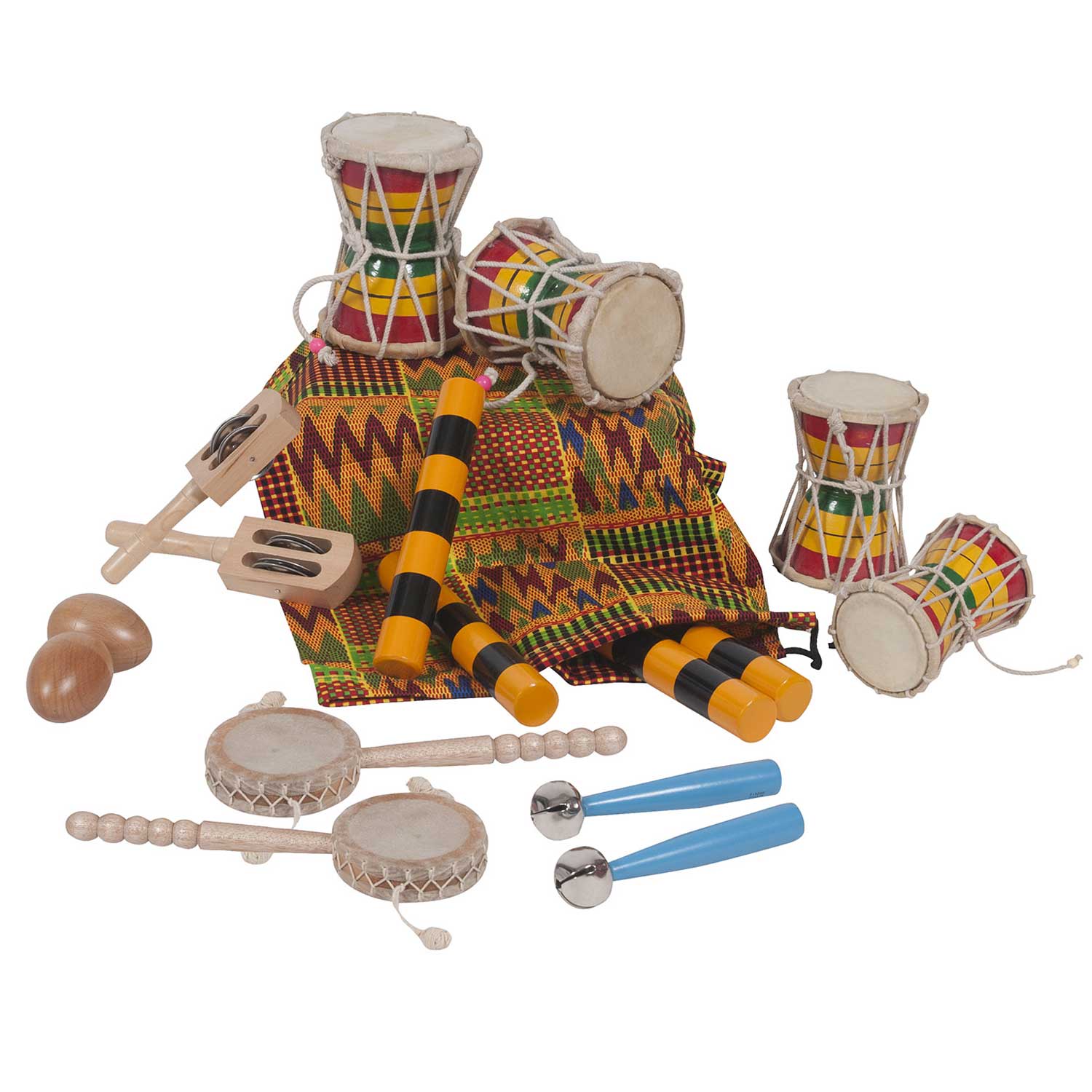
1. African Drumming & Storytelling (Ages 3-5): Originating across the African continent, drumming is deeply ingrained in many cultures. Use simple drums or even buckets and pots to create rhythms. Pair with traditional African folktales – Anansi the Spider is a popular choice. Movements involve beating the drums to the rhythm of the story and acting out characters. You can find examples of African drumming rhythms on YouTube.
2. Latin American Salsa & Merengue (Ages 4-5): From the Caribbean islands and Latin America, Salsa and Merengue are energetic and joyful dances. Play upbeat Salsa or Merengue music. Encourage children to march, clap, and move their hips to the beat. Scarves or ribbons can add to the fun. Consider the song “La Cucaracha” for a familiar tune.
3. Hawaiian Hula (Ages 3-5): Hula, originating in Hawaii, is a dance form that tells stories through graceful movements. Play traditional Hawaiian music. Teach simple hand gestures and swaying motions. Focus on the storytelling aspect, explaining that each movement represents a part of a story.
4. Indian Bollywood Dance (Ages 4-5): Bollywood dance from India is known for its vibrant colors and energetic movements. Play Bollywood songs with a clear beat. Encourage children to clap, stomp, and spin. Focus on expressive hand gestures and joyful expressions.
5. Chinese Ribbon Dance (Ages 3-5): Originating in China, ribbon dancing symbolizes good luck and happiness. Provide each child with a ribbon attached to a stick. Play gentle Chinese music. Encourage flowing, graceful movements with the ribbons. Emphasize the beauty and fluidity of the dance.
6. Irish Step Dance (Ages 4-5): Irish step dancing is known for its fast-paced footwork. Play traditional Irish music. Focus on simple stepping patterns and arm movements. Explain that this dance has a long and rich history in Ireland.
7. Australian Aboriginal Movement (Ages 3-5): Inspired by animal totems and Dreamtime stories of Indigenous Australians, this activity encourages children to mimic animal movements. Play didgeridoo music or Aboriginal songs. Encourage movements like kangaroo hopping, snake slithering, and emu running. Always acknowledge the traditional owners of the land.
8. Greek Syrtos Dance (Ages 3-5): Syrtos is a circle dance from Greece often performed at celebrations. Play traditional Greek music. Have children hold hands and move in a circle, following a leader. Focus on the sense of community and togetherness.
9. Japanese Bon Odori (Ages 4-5): Bon Odori is a traditional Japanese dance performed during the Obon festival to honor ancestors. Play Bon Odori music. Teach simple, repetitive movements. Explain that this dance is a way to remember and celebrate loved ones.
10. Brazilian Samba (Ages 4-5): Samba, originating in Brazil, is a lively and rhythmic dance. Play Samba music. Encourage children to march, sway, and move their bodies to the beat. Use instruments like shakers or tambourines to add to the fun.
African Drumming & Storytelling
African drumming is more than just making noise; it’s a form of communication, celebration, and storytelling. To start, gather a variety of drums – djembes are traditional, but buckets, pots, and even cardboard boxes can work! Focus on teaching basic rhythms, like a simple four-beat pattern. A good starting point is a pattern of "bass-tone-tone-bass".
The real magic happens when you combine drumming with storytelling. Choose a traditional African folktale, like Anansi the Spider, a trickster figure found in West African and Caribbean folklore. As you tell the story, use the drums to emphasize key moments and create atmosphere. For example, a fast, energetic beat could accompany a chase scene, while a slow, steady beat might accompany a moment of reflection. Encourage children to join in with the drumming, responding to cues in the story.
Call-and-response is a central element of many African musical traditions. You can incorporate this by starting a rhythm and having the children repeat it back to you. This not only reinforces the rhythm but also encourages active listening and participation. Rhythm is central to African culture and serves as a powerful way to express emotions and connect with others.
Global Kids Music
This playlist offers a vibrant collection of songs from around the world, perfect for introducing young children to diverse cultures through music and dance. It provides an excellent auditory foundation for exploring different rhythms and melodies in a preschool setting.
Latin American Rhythms: Exploring Salsa & Merengue
Introducing Salsa and Merengue to preschoolers is a fantastic way to expose them to the vibrant energy of Latin American culture. These dances are all about joy, community, and celebrating life. Begin by playing a song with a clear, upbeat rhythm – “La Cucaracha” is a classic and easily recognizable option.
Simplify the basic steps. For Merengue, focus on marching in place and swaying the hips from side to side. For Salsa, break down the basic step into smaller components: step forward, step back, tap. Encourage children to clap along to the beat and to experiment with their own movements. Props like scarves or ribbons can add an extra layer of fun and encourage creative expression.
These dances often represent community and celebration in Latin American cultures. Explain to the children that these dances are often performed at parties and festivals, bringing people together to share joy and connection. It’s a great opportunity to discuss how music and dance can be a universal language.
Asian Influences: Chinese Ribbon Dance
The Chinese Ribbon Dance is a beautiful and graceful art form that holds significant cultural meaning. Ribbons symbolize good luck, happiness, and prosperity in Chinese culture. To prepare for this activity, you can have children create their own ribbons by attaching colorful ribbons to wooden dowels or sticks. Ensure the ribbons are long enough to allow for flowing movements.
Play gentle Chinese music and guide the children through simple movements. Encourage them to wave the ribbons in circles, figure eights, and other fluid patterns. Emphasize the importance of grace and fluidity, and encourage them to imagine they are painting pictures in the air with their ribbons.
It’s crucial to approach this activity with cultural sensitivity. Avoid stereotypes and misrepresentations. Focus on the beauty and artistry of the dance, and explain the symbolism of the ribbons in a respectful manner. This is a wonderful opportunity to introduce children to the rich cultural heritage of China.
Indigenous Australian Movement & Didgeridoo
Indigenous Australian culture has a deep connection to the land and its creatures. Movement is an integral part of this culture, often inspired by animal totems and Dreamtime stories. Introduce the didgeridoo, a traditional wind instrument, and explain its significance in Aboriginal culture. You can find recordings of didgeridoo music online.
Suggest simple movements that mimic animals native to Australia, such as kangaroo hopping, snake slithering, and emu running. Encourage children to imagine themselves as these animals and to move in ways that reflect their characteristics. You could also share a simplified version of a Dreamtime story and have the children act out the story through movement.
It is extremely important to approach this activity with deep respect and cultural sensitivity. Always acknowledge the traditional owners of the land where you are located. Consult with Indigenous resources and educators to ensure you are representing the culture accurately and respectfully. Avoid appropriating cultural practices and focus on learning from and with Indigenous communities.
Navigating Cultural Sensitivity
When incorporating multicultural activities into your preschool curriculum, it’s crucial to approach the topic with sensitivity and respect. Avoid perpetuating stereotypes or misrepresenting cultures. Instead, focus on celebrating the unique beauty and richness of each tradition. A common pitfall is presenting a culture as monolithic; remember there’s diversity within cultures.
One of the best ways to ensure cultural sensitivity is to learn about the cultures you are representing. Read books, watch documentaries, and consult with individuals from those cultures whenever possible. This will help you avoid making assumptions or generalizations. It’s also important to be mindful of cultural appropriation – using elements of a culture without understanding or respecting their significance.
FAQ: What if I don’t know much about a particular culture? Research! There are many resources available online and in libraries. How can I avoid stereotypes? Focus on the individual aspects of the culture, not generalizations. What if a child asks a sensitive question? Answer honestly and respectfully, and use it as an opportunity for learning.
Resources for Continued Learning
To deepen your understanding of multicultural education and world music, explore these resources. The Smithsonian Center for Folklife and Cultural Heritage () offers a wealth of information on diverse cultural traditions. The National Association for Music Education (NAfME) provides resources for incorporating world music into music education.
For finding authentic music and instruments, explore websites like Putumayo World Music () and Smithsonian Folkways Recordings (). Many universities and organizations also offer professional development opportunities for teachers interested in multicultural education. Consider seeking out workshops or courses focused on specific cultures or regions.
Books like “Celebrating Diversity: Promoting Inclusion in Early Childhood” by Paula J. Greenfield are valuable resources for educators and parents. Remember that ongoing learning and reflection are essential for creating a truly inclusive and culturally responsive learning environment.

No comments yet. Be the first to share your thoughts!