

Little feelings have a big impact
I remember one little boy, Leo, in a preschool class I observed. He was building a tower of blocks, and when it tumbled down, his face crumpled. It wasn't just sadness; it was a full-body frustration that felt enormous for such a small person. Preschoolers experience emotions with an intensity that can be surprising, and it's easy to underestimate the complexity of their inner worlds. They are feeling things deeply, even if they can’t always articulate them.
Naming a feeling is the first step. We often obsess over letters and numbers in preschool, but learning how to handle a meltdown is just as important for a kid's long-term sanity. If they can't regulate their bodies, they won't be able to focus on phonics anyway.
Early mental health work is about building a toolkit before the house catches fire. Kids who understand their own moods usually have an easier time making friends and staying focused in class. HeadStart.gov data from 2023 shows that these social skills are better predictors of adult success than early reading scores.
The good news is that even very young children can benefit from activities designed to foster emotional intelligence. It’s about creating a safe and supportive environment where children feel comfortable exploring their feelings and learning healthy coping strategies. This isn’t about eliminating difficult emotions, but about teaching children how to navigate them constructively. It’s a process that requires patience, understanding, and a lot of playful engagement.
Playing emotion charades
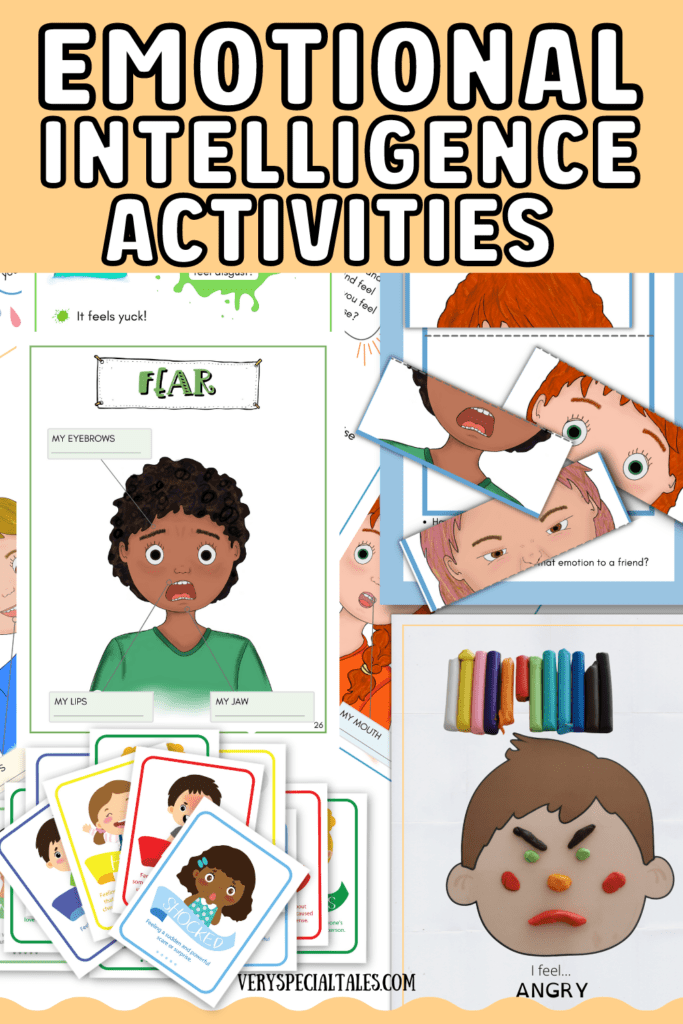
Emotion Charades is a simple yet powerful activity for helping preschoolers identify and express different feelings. It’s a fun, non-threatening way to explore the nuances of emotions through movement and observation. The core idea is that children act out an emotion without speaking, and the others try to guess what it is. It’s a fantastic way to build emotional vocabulary and encourage empathy.
Draw some simple faces on index cards—happy, sad, angry, and scared. If the kids are older, I add trickier ones like 'frustrated' or 'embarrassed.' Visuals help because three-year-olds often lack the words for the storm happening in their chests.
Here’s how to play: shuffle the cards and have each child take a turn picking one. They then act out the emotion on the card, using only their facial expressions and body language. The other children guess what emotion is being portrayed. There are no wrong answers! The goal is exploration and expression, not perfect accuracy. If children are struggling, you can offer clues or model an example.
Adapt the game for different skill levels by varying the complexity of the emotions. For younger children, focus on the core emotions. For older preschoolers, challenge them with more nuanced feelings. You can also encourage children to describe why someone might feel a certain way, adding a layer of emotional reasoning to the game. Teachers Pay Teachers offers a variety of printable resources to support this type of activity.
Reading for emotional literacy
Books are a wonderful tool for exploring emotions with preschoolers. Stories provide a safe distance for children to process feelings, and they can learn by observing how characters navigate emotional challenges. Reading aloud and discussing the characters’ feelings is a powerful way to build emotional literacy. It's important to choose books that represent a range of emotions, not just the 'happy' ones.
Here are a few recommendations: The Color Monster by Anna Llenas is a fantastic starting point. It uses colors to represent different emotions, making them more concrete and accessible for young children. When Sophie Gets Angry—Really, Really Angry by Molly Bang beautifully illustrates how to cope with anger in a healthy way. Alexander and the Terrible, Horrible, No Good, Very Bad Day by Judith Viorst acknowledges that everyone has bad days and that it's okay to feel frustrated.
Feelings to Share From A to Z by Todd Snow provides a comprehensive introduction to a wide array of emotions. In My Heart: A Book of Feelings by Jo Witek uses vivid imagery to describe what different emotions feel like physically. Today I Feel Silly: And Other Moods That Make My Day by Jamie Lee Curtis explores the full spectrum of emotions in a playful way. Preschool Playbook has extensive lists of recommended books for various themes, including emotional development.
When reading, pause to ask questions like: "How do you think the character is feeling right now?’ ‘What made them feel that way?’ ‘Have you ever felt like that?’ ‘What could the character do to feel better?’ Encourage children to share their own experiences and connect the story to their own lives. It’s valuable to validate all feelings – there"s no right or wrong way to feel. The goal is to help them understand and express their emotions in a healthy way.
Recommended Resources
- The Color Monster: A Story About Emotions by Anna Llenas – This beautifully illustrated book helps children identify and understand different feelings (happiness, sadness, anger, fear, and calmness) by associating them with colors. It’s a great starting point for discussing emotions.
- In My Heart: A Book of Feelings by Jo Witek – This book uses a die-cut heart that grows and shrinks to visually represent how feelings can change and feel different in the body. It’s a gentle way to explore internal experiences.
- When Sophie Gets Angry—Really, Really Angry… by Molly Bang – Sophie’s story illustrates a healthy way to cope with overwhelming anger. It shows her physically moving through her anger and finding a calming solution.
- Listening to My Body: A Book to Help Children Learn to Tune In and Respond to the Needs of Their Bodies by Gabi Garcia – This book focuses on body awareness and connecting physical sensations to emotions. It encourages children to listen to what their bodies are telling them.
- Today I Feel Silly: And Other Moods That Make My Day by Jamie Lee Curtis – This book explores a range of emotions in a playful and relatable way, acknowledging that it’s okay to feel different things on different days.
- Grumpy Monkey by Suzanne Lang – Jim Panzee is having a grumpy day, and his friends try to cheer him up, but he just wants to feel grumpy. This book validates the feeling of grumpiness and shows it’s okay to not always be happy.
- Alexander and the Terrible, Horrible, No Good, Very Bad Day by Judith Viorst – While not specifically about emotional *regulation*, this classic story normalizes having bad days and demonstrates that everyone experiences them sometimes. It can open a discussion about dealing with frustration.
Setting up a calm-down corner
A calm-down corner is a designated space where children can go to regulate their emotions when they're feeling overwhelmed. It's not a time-out; it's a self-regulation zone designed to help children learn to manage their feelings independently. The key is to create a space that feels safe, inviting, and soothing, not punitive. It should be a place children want to go, not a place they're sent to as punishment.
Start with a comfortable and cozy area. Include soft pillows, blankets, and perhaps a small rug. Add calming sensory items like stress balls, pinwheels, or textured toys. These items provide tactile stimulation that can help children ground themselves and regulate their nervous systems. Books about feelings are also a great addition, as are drawing materials and paper for expressing emotions creatively. UNESCO’s toolkit on social and emotional learning highlights the importance of creating supportive environments.
The items you include should be chosen based on the children's individual needs and preferences. Some children might benefit from a weighted blanket, while others might prefer a quiet corner with books and puzzles. It's also helpful to include visual cues, such as a chart with pictures of different coping strategies, like taking deep breaths or counting to ten. Make sure the space is easily accessible and free from distractions.
Emphasize to children that the calm-down corner is a safe space where they can go whenever they need to take a break and regulate their emotions. It’s important to model how to use the corner yourself, demonstrating healthy coping strategies. It's not about suppressing feelings, but about learning to manage them in a constructive way. Ensure children understand it’s okay to ask for help if they’re struggling to calm down.
Breathing Buddies & Mindfulness
Mindfulness practices, even in simple forms, can be incredibly beneficial for preschoolers. They help children become more aware of their feelings and surroundings, and they can learn to manage stress and anxiety. These techniques don’t need to be complicated. The goal is to cultivate a sense of calm and present moment awareness. It’s about learning to observe thoughts and feelings without judgment.
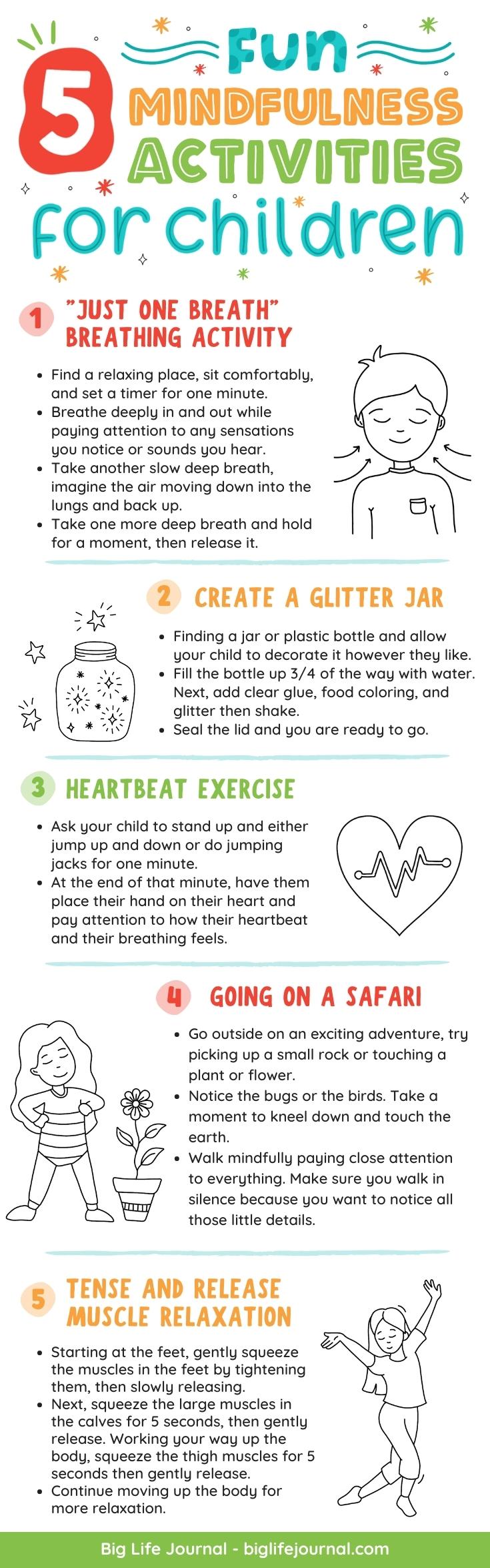
"Belly breathing" is a great starting point. Have the child lie down with a small stuffed animal on their belly. Encourage them to breathe deeply, noticing how the stuffed animal rises and falls with each breath. This helps them focus on their breath and regulate their nervous system. Another simple exercise is to have children close their eyes and listen to the sounds around them, identifying different sounds they hear.
"Glitter jars" are a visually calming tool. Fill a clear jar with water, glitter glue, and glitter. When shaken, the glitter swirls around, creating a mesmerizing effect. As the glitter settles, it represents calming thoughts. Encourage children to focus on the glitter as they breathe deeply. This provides a visual anchor for their attention and helps them to calm down.
I don't bother with formal meditation. Expecting a four-year-old to sit still for ten minutes is a recipe for a riot. Stick to the breathing games during circle time or right before nap to help them transition without the usual chaos.
Using emotion thermometers
Emotion thermometers are a visual tool that can help children identify and communicate their feelings. They provide a simple way for children to rate the intensity of their emotions, making it easier for them to express what they're experiencing. This can be particularly helpful for children who struggle to verbalize their feelings or who are experiencing overwhelming emotions.
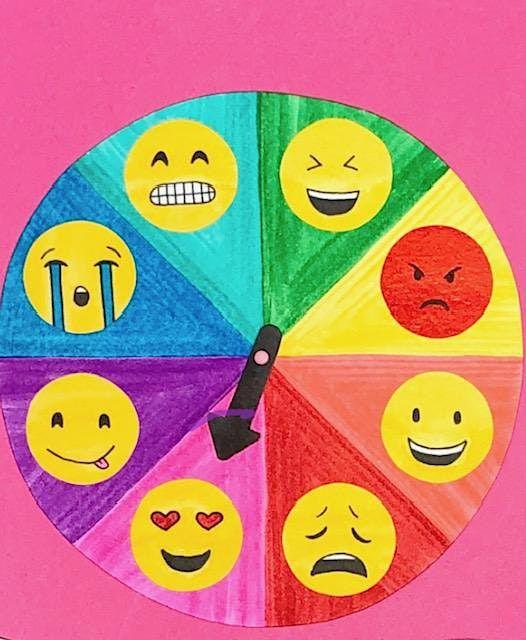
To create an emotion thermometer, draw a simple thermometer shape. Divide it into sections, each representing a different level of emotion. Use colors or faces to represent the different levels. For example, green could represent calm, yellow could represent frustrated, and red could represent angry. You can also use numbers to indicate the intensity of the emotion, with 1 being the lowest and 5 being the highest.
Throughout the day, check in with children and ask them to point to where they are on the thermometer. This helps them become more aware of their emotions and learn to label them. It also provides you with valuable information about how they're feeling, allowing you to provide appropriate support. It’s important to normalize all feelings, even the “red” ones. Every emotion is valid.
Emphasize that there’s no "right’ or ‘wrong’ place to be on the thermometer. All feelings are okay, and it’s important to acknowledge and validate them. The thermometer is simply a tool for helping children communicate their emotions and learn to manage them effectively. It"s also a good opportunity to discuss coping strategies for different emotions.
Recognizing Feelings & Trying Coping Strategies
| Feeling | Possible Signs a Child Might Be Experiencing This | Helpful Coping Strategies | Adult Support |
|---|---|---|---|
| Happy | Smiling, laughing, engaging in play, expressing excitement | Continue the enjoyable activity, encourage sharing the feeling with others, offer praise. | Acknowledge and share in the happiness. 'I see you're having a really good time!' |
| Sad | Crying, withdrawal, quietness, loss of interest in activities | Offer comfort and a listening ear, provide a quiet space, read a comforting book, offer a hug. | Validate the sadness. 'It's okay to feel sad sometimes.' Help them name the feeling. |
| Angry | Yelling, hitting, kicking, stomping feet, facial expressions showing frustration | Help the child identify the anger, guide them to a calm-down space, suggest deep breathing, offer a safe way to release energy (e.g., squeezing a stress ball). | Remain calm and provide a safe space for expression. Help them find words to describe their anger. |
| Scared | Clinging, crying, hiding, increased heart rate, trembling | Offer reassurance and a sense of safety, provide a comforting object (e.g., a favorite toy), talk about what is causing the fear in simple terms. | Acknowledge the fear and validate their feelings. 'It's okay to be scared.' |
| Frustrated | Difficulty completing a task, giving up easily, whining, tantrums | Break down the task into smaller steps, offer assistance without taking over, provide encouragement and positive reinforcement. | Help the child problem-solve and offer support. 'Let's try this together.' |
| Overwhelmed | Shutting down, becoming very quiet, difficulty focusing, physical complaints (e.g., tummy ache) | Reduce stimulation, offer a quiet space, provide a simple activity, help them prioritize tasks. | Offer a calm presence and help them identify what feels overwhelming. 'It seems like a lot is happening right now.' |
Illustrative comparison based on the article research brief. Verify current pricing, limits, and product details in the official docs before relying on it.
Parent-Teacher Partnership
Supporting a preschooler’s emotional development requires a strong partnership between parents and teachers. Consistency between home and school is key. When both environments reinforce the same emotional skills and strategies, children are more likely to internalize them and apply them consistently. Sharing information and collaborating on strategies can make a significant difference.
Teachers can communicate with parents about their child’s emotional progress through regular updates, parent-teacher conferences, or newsletters. Share specific examples of how the child is demonstrating emotional skills in the classroom, as well as any challenges they may be facing. Also, provide parents with strategies they can use at home to reinforce these skills. For example, suggest reading books about feelings together or practicing deep breathing exercises.
It’s important to remember that some children may need professional support. If you have concerns about a child’s emotional well-being, it’s crucial to communicate with their parents and recommend seeking professional help. Resources like the Child Mind Institute and the National Association of School Psychologists can provide valuable information and support.
Open communication, mutual respect, and a shared commitment to the child’s well-being are essential for a successful parent-teacher partnership. By working together, we can create a supportive environment where preschoolers can thrive emotionally and develop the skills they need to navigate life’s challenges.
No comments yet. Be the first to share your thoughts!