

Celebrating Earth Day with Little Ones
Earth Day, on April 22nd, offers a chance to teach young children about caring for our planet. It started in 1970 to raise awareness about environmental issues and remains relevant. For preschoolers, the focus is on fostering respect and responsibility towards nature, rather than complex scientific concepts.
Starting these conversations early plants seeds of awareness that grow with children. Small actions, like recycling or planting a flower, can make a big difference. The goal is to empower them with the knowledge that they can be part of the solution, not overwhelm them with worry.
Making Earth Day fun and engaging is key. It should celebrate our planet’s beauty, not lecture on its problems. Hands-on activities and positive messaging can inspire a lifelong love of nature and commitment to sustainability. It’s a chance to connect them to the natural world and show how much we all depend on it.
15 Eco-Friendly Activities for Preschoolers
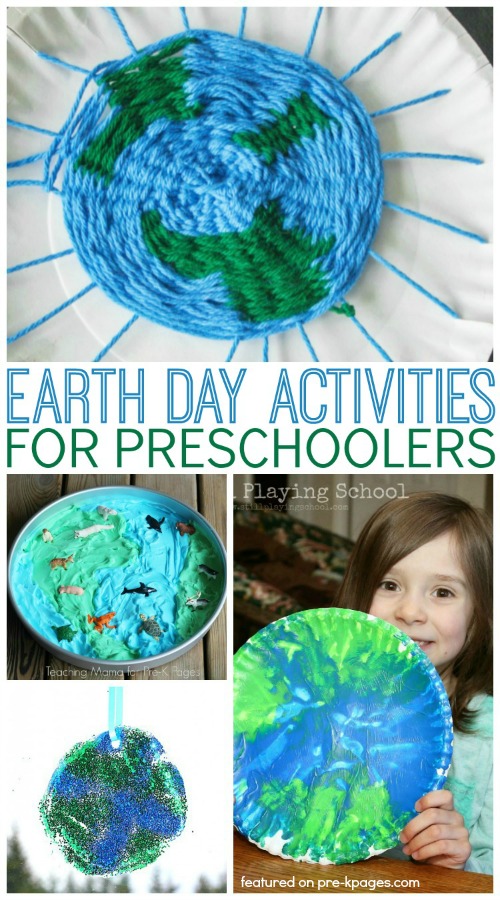
Here are 15 activities to get preschoolers thinking about the environment and practicing sustainable habits. This list includes a mix of crafts, outdoor explorations, and sensory experiences, using materials commonly found at home.
1. Seed Bomb Making: Mix clay, compost, and wildflower seeds to create seed bombs. These can be "planted" in gardens or neglected patches of land to bring a burst of color and support pollinators. Materials: clay, compost, wildflower seeds, water. Instructions: Mix all ingredients, roll into small balls, and let dry.
2. Recycled Paper Making: Turn old newspapers and scrap paper into new paper. This demonstrates the concept of recycling in a tangible way. Materials: old paper, water, blender, screen, felt. Instructions: Blend paper with water, spread on screen, press with felt, and let dry.
3. Nature Scavenger Hunt: Create a list of natural items for children to find outdoors (leaf, stone, feather, etc.). This encourages observation and appreciation of nature. Materials: list of items, bags or containers. Instructions: Explore outdoors and collect items.
4. DIY Bird Feeders: Make bird feeders from recycled plastic bottles or milk cartons. This helps children understand the needs of wildlife. Materials: plastic bottle/carton, scissors (adult use only), string, birdseed. Instructions: Cut openings in bottle/carton, add string, fill with seed.
5. Composting Bin Exploration: If you have a compost bin, let children help add food scraps and observe the decomposition process. A great way to teach about reducing waste. Materials: compost bin, food scraps. Instructions: Add scraps to bin, discuss what happens.
6. Planting Seeds in Egg Cartons: Start seeds in recycled egg cartons before transplanting them to a garden. This is a simple and effective way to teach about plant life cycles. Materials: egg carton, seeds, soil, water. Instructions: Fill carton with soil, plant seeds, water.
7. Trash Sorting Game: Create different bins labeled “Recycling,” “Trash,” and “Compost” and have children sort various items into the correct bins. Materials: bins, various items. Instructions: Sort items into bins.
8. Leaf Rubbings: Place leaves under paper and rub with crayons to create beautiful leaf rubbings. A simple art activity that connects children to nature. Materials: leaves, paper, crayons. Instructions: Place leaf under paper, rub with crayon.
9. Water Conservation Talk & Practice: Discuss the importance of saving water and practice turning off the tap while brushing teeth. Materials: none. Instructions: Discuss and practice water conservation.
10. Upcycled Planters: Decorate tin cans or plastic containers to create planters for small plants. Materials: cans/containers, paint, soil, plants. Instructions: Decorate containers, plant plants.
11. Nature Collages: Collect natural materials (leaves, twigs, flowers) and glue them onto paper to create nature collages. Materials: paper, glue, natural materials. Instructions: Glue materials onto paper.
12. Homemade Playdough with Natural Colors: Make playdough using natural ingredients like beet juice or spinach for coloring. Materials: flour, salt, water, natural coloring. Instructions: Mix ingredients to make playdough.
13. Eco-Friendly Painting: Use watercolors or paints made with natural pigments. Materials: watercolor paints, paper, brushes. Instructions: Paint a picture.
14. Mud Kitchen Fun: Set up a mud kitchen outdoors using old pots, pans, and utensils. Encourages imaginative play and connection with nature. Materials: pots, pans, utensils, mud. Instructions: Play in the mud kitchen.
15. Create a Bug Hotel: Build a small shelter for insects using natural materials like twigs, leaves, and pinecones. Materials: natural materials, container. Instructions: Build a bug hotel.
Seed Starting & Mini Gardens
Expanding on the seed-starting activity, creating a mini garden is a fantastic way to teach preschoolers about where their food comes from and the importance of pollinators. It doesn’t require a lot of space – even a windowsill or balcony can work. Radishes, sunflowers, and beans are all relatively easy for little hands to manage.
To start seeds indoors, you’ll need seeds, seed starting mix (or regular potting soil), and small containers. Egg cartons are a great, inexpensive option! Fill the containers with soil, plant the seeds according to the package instructions, and water gently. Keep the soil moist but not soggy. A sunny windowsill is ideal, or you can use a grow light. I've found that consistent moisture is the biggest challenge for beginners.
Once the seedlings have developed a few sets of true leaves, they can be transplanted into larger containers or directly into the garden. Talk about the importance of bees and other pollinators while you’re gardening. Consider planting flowers that attract pollinators, such as lavender or marigolds. Make sure to supervise children closely when using gardening tools.
- Step 1: Fill containers with soil.
- Step 2: Plant seeds according to package instructions.
- Step 3: Water gently and keep soil moist.
- Step 4: Place in a sunny location.
- Step 5: Transplant seedlings when they have true leaves.
Recycled Art Creations
Recycled art is a wonderful way to demonstrate the concept of repurposing and reducing waste. Beyond the standard toilet paper roll crafts, there are countless creative possibilities. Plastic bottles can be transformed into musical instruments – fill them with rice or beans for a shaker. Cardboard boxes become forts, cars, or anything else a child can imagine.
Bottle cap mosaics are another fun option. Simply glue bottle caps onto a piece of cardboard to create a colorful design. Be mindful of safety when using potentially sharp materials like bottle caps or broken cardboard. Adult supervision is essential. You can also use old fabric scraps to make patchwork art or collages.
The key is to encourage children to look at everyday items in a new way. What might seem like trash to us can be a treasure trove of art supplies for a preschooler. It’s a great opportunity to foster creativity and problem-solving skills while also teaching them about environmental responsibility.
Earth Day Songs & Rhymes
Songs and rhymes are a fantastic way to reinforce learning and make Earth Day even more fun. Here are a few ideas, combining original tunes with adaptations of familiar melodies. Singing together is a great way to build community and enthusiasm.
(Tune: Twinkle Twinkle Little Star) Earth is beautiful and bright, Filled with colors, day and night. Trees and flowers, big and small, Let's take care of them, one and all!
Another simple rhyme: Reduce, reuse, recycle too, Help the Earth in all we do! Save our water, save our trees, Protect the planet, if you please! You can add actions to these songs, like pretending to plant a tree or sort recycling.
There are also many excellent Earth Day songs available on YouTube and other streaming platforms. Searching for “Earth Day songs for kids” will yield a wealth of options. I suggest previewing the songs to ensure they're age-appropriate and align with your values.
Earth Day Songs for Kids
This playlist features a collection of cheerful and educational songs specifically designed for young children, making it an ideal auditory companion to your article on Earth Day activities. It directly addresses the theme of sustainability through music, perfect for preschoolers.
Story Time: Environmental Books for Preschoolers
Reading books about the environment is a wonderful way to spark conversations and deepen understanding. The Lorax by Dr. Seuss is a classic that introduces the concept of environmental stewardship in a memorable way. Wangari’s Trees of Peace by Jeanette Winter tells the inspiring story of Wangari Maathai, a Kenyan environmental activist.
The Earth Book by Todd Parr is a colorful and accessible introduction to simple ways kids can help the planet. Compost Stew by Mary McKenna Siddals is a fun and engaging book that explains the composting process. These books are readily available at libraries, bookstores, and online retailers.
When choosing books, look for titles that are age-appropriate, visually appealing, and convey a positive message. Avoid books that focus solely on the negative aspects of environmental problems, as this can be overwhelming for young children. Instead, focus on books that empower them to take action and make a difference.
Extending the Learning: Beyond Earth Day
Earth Day is a great starting point, but it’s important to integrate environmental themes into everyday life throughout the year. Simple changes, like reducing waste, conserving energy, and protecting nature, can make a big impact. Model these behaviors for your children – they learn by example.
Encourage nature walks and explore local parks and gardens. Start a classroom or family recycling program. Talk about the importance of conserving water and energy. Even small actions, like turning off the lights when you leave a room, can make a difference. The goal is to cultivate a lifelong commitment to environmental stewardship.
Consider creating a “green team” at school or home, where children can take on responsibilities related to sustainability. This could include monitoring recycling bins, watering plants, or organizing cleanup events. By making environmental awareness a part of their daily routine, we can help children grow into responsible and engaged citizens.
- Reduce Waste: Pack reusable lunch containers and water bottles.
- Conserve Energy: Turn off lights and electronics when not in use.
- Protect Nature: Plant trees and flowers.
- Recycle: Sort and recycle materials properly.
- Educate Others: Share what you’ve learned with friends and family.
No comments yet. Be the first to share your thoughts!