
Helping kids handle big feelings
Preschoolers are constantly bumping into new feelings they don't quite have the words for yet. We aren't trying to stop them from being sad or angry; we're just trying to give them a way to handle those moments without melting down.
Music works because kids are already wired for it. HeadStart.gov points out that rhythm helps children express themselves and settle down when they're wound up. It's a tool they actually enjoy using.
This isn’t about "fixing’ anything. It"s about building a strong foundation of emotional intelligence – the ability to recognize, understand, and manage emotions in oneself and others. Songs can provide a safe and playful way to explore these concepts, helping children develop resilience and coping skills that will serve them well throughout their lives. We're aiming for proactive wellbeing, not just reacting to difficult moments.
The songs we'll explore aren’t just pleasant tunes; they are opportunities for connection, learning, and emotional growth. They provide a language for feelings that young children may not yet have the words to express. They can be a source of comfort, a catalyst for conversation, and a pathway to greater self-awareness.
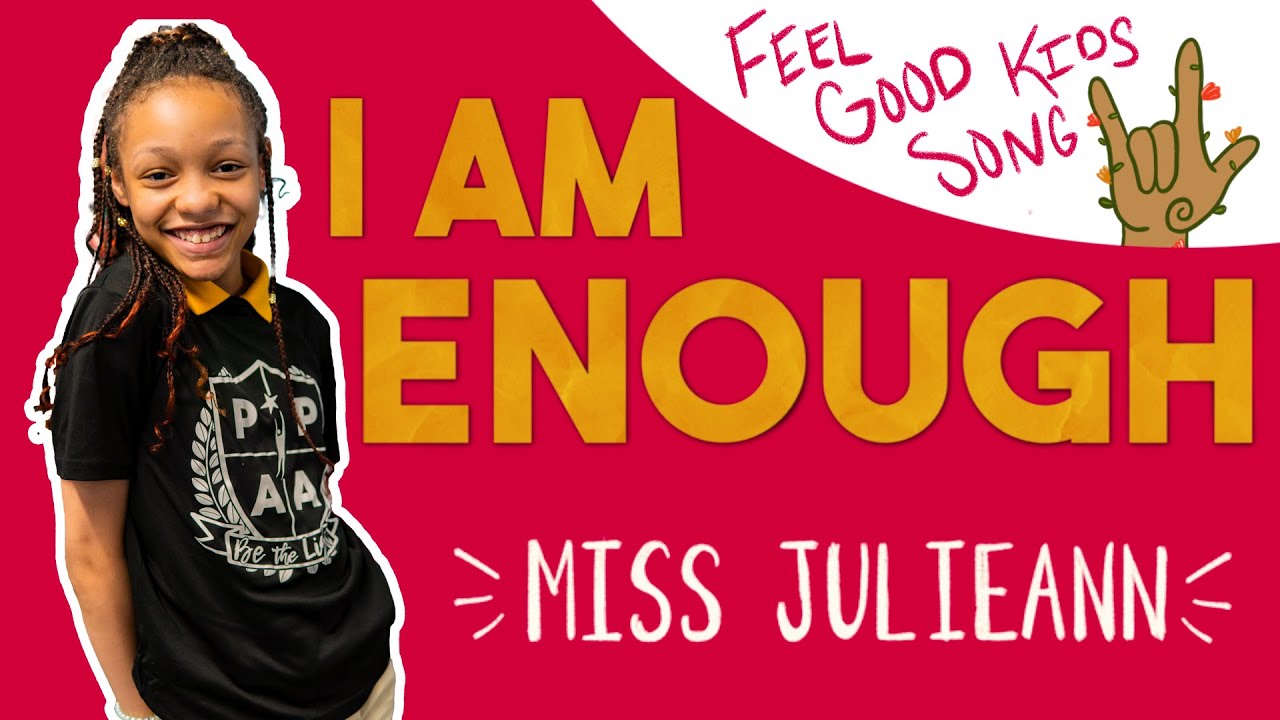
12 songs for the classroom or home
Here are 12 songs specifically chosen to support emotional intelligence in preschoolers. I’ve included details on how each song can be used to nurture emotional growth, going beyond simply stating they are 'calming' or 'happy'.
1. “If You’re Happy and You Know It” – Traditional. This classic song encourages children to identify and express a basic emotion – happiness. The repetitive nature and call-and-response format make it engaging and accessible. It allows kids to physically demonstrate their understanding of the emotion, linking feeling with action. You can find numerous versions on YouTube.
2. “Breathe” – Songs for Social Emotional Learning. This song, available on YouTube, is specifically designed for self-regulation. It guides children through simple breathing exercises, teaching them a valuable technique for calming down when they’re feeling overwhelmed. The slow tempo and gentle melody reinforce the feeling of peace. It’s a direct tool for managing anxiety.
3. “Everybody Has Feelings” – The Kiboomers. The Kiboomers are well-known for their educational preschool songs, and this one is no exception. It explicitly names a variety of emotions – happy, sad, angry, scared – and normalizes the fact that everyone experiences them. This is a great starting point for conversations about feelings. Find it on YouTube.
4. “What Do You Want to Be?” – Sesame Street. While seemingly about career aspirations, this song subtly addresses emotional expression. Choosing a future role often connects to what makes a child feel good or fulfilled. It encourages self-reflection and helps children identify their passions and interests. Available on YouTube.
5. “I Can Calm Myself” – Bounce Patrol. Bounce Patrol creates upbeat and engaging content for kids. This song focuses on self-soothing techniques, like taking deep breaths or counting to ten. The song's energy is positive, framing self-regulation as an empowering skill. It's available on YouTube.
6. “Colors of My Heart” – Elizabeth Mitchell. This song uses colors to represent different emotions. It’s a beautiful and poetic way to help children connect feelings with physical sensations and imagery. The gentle melody and Mitchell’s soothing voice create a calming atmosphere. You can find it on Spotify and Apple Music.
7. “Mental Health Song” – Classroom Songs. This song directly addresses mental health in a way that's accessible for young children. It emphasizes that it's okay to ask for help and that everyone deserves to feel good. It’s a valuable tool for opening up conversations about emotional wellbeing. It’s available on YouTube.
8. “Kindness Counts” – Patty Shukla. Patty Shukla creates songs focused on character development. This song promotes empathy and kindness, encouraging children to consider the feelings of others. It's a good way to introduce concepts like compassion and respect. You can find it on YouTube.
9. “When I Feel Sad” – Sesame Street. Part of Sesame Street's emotional learning series, this song acknowledges sadness as a valid emotion and offers healthy ways to cope with it. It encourages children to talk about their feelings and seek support from trusted adults. Available on YouTube.
10. “Thank You” – Traditional. Expressing gratitude is linked to increased happiness and wellbeing. This simple song encourages children to acknowledge the good things in their lives and show appreciation to others. It’s a lovely way to foster a positive mindset. Many versions can be found on YouTube.
11. “The Feelings Song” – Cocomelon. Cocomelon’s bright animation and catchy tunes are popular with preschoolers. This song, available on YouTube, is a cheerful introduction to a range of emotions, using simple language and relatable scenarios. It's a fun way to start a conversation about feelings.
12. “I Like Myself!” – Laurie Berkner Band. This song promotes self-acceptance and self-love. It encourages children to appreciate their unique qualities and feel good about who they are. This is an important message for building self-esteem and resilience. You can find this song on Spotify and Apple Music.
Activities to try with the music
Simply listening to these songs is a great start, but you can deepen the learning experience with a few simple activities. Focusing on a smaller number of songs with more detailed activities is more beneficial than a long list of vague suggestions.
“Breathe”: After listening to “Breathe,” have children lie down with their eyes closed and practice the breathing exercises along with the song. You can also ask them to draw how the song makes them feel – what colors, shapes, or images come to mind when they’re listening? This connects the song to their personal experience.
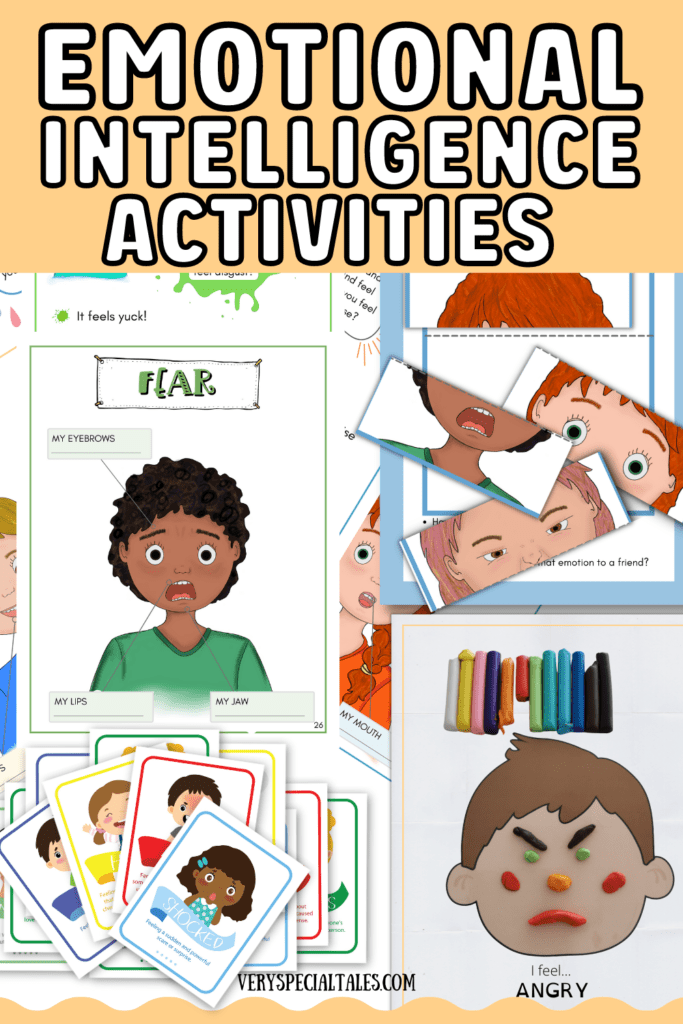
“Everybody Has Feelings”: After listening to this song, create "feeling faces’ using art supplies. Encourage children to draw or create faces that express different emotions. Then, have them share their faces and talk about times they"ve felt those emotions. This reinforces emotional vocabulary and helps them recognize feelings in themselves and others.
“Kindness Counts”: After listening, challenge children to come up with acts of kindness they can do for others. Create a "kindness chart" where they can track their acts of kindness throughout the week. This turns the song into a call to action and promotes prosocial behavior.
Adapting Songs for Different Needs
Every child is unique, and what works for one may not work for another. It’s important to be flexible and adapt the songs to suit individual needs. A child who is feeling particularly anxious might benefit from a slower tempo or a quieter volume.
For children who are kinesthetic learners, add actions to the songs. For example, you could have them clap their hands during happy parts or hug themselves during calming parts. This engages their bodies and helps them connect with the music on a deeper level.
If a child becomes upset while listening to a song, that's okay. It’s an opportunity to validate their feelings and provide support. Don’t stop the song immediately; instead, acknowledge their emotions and offer comfort. You might say, “I see you’re feeling sad. That’s okay to feel sad.” Normalizing big feelings is key.
Be mindful of sensory sensitivities. Some children may be overwhelmed by loud noises or bright lights. Create a calm and comfortable environment where they can listen to the songs without feeling overstimulated.
Fitting music into the day
You don’t need to schedule a formal "music time" to incorporate these songs into your day. Seamlessly weaving them into existing routines is often the most effective approach.
Play a calming song during transitions, like when moving from playtime to cleanup time. Use an upbeat song to signal the start of a new activity. Play a gratitude song before snack time to encourage appreciation.
Consider creating a "calm down corner" in your home or classroom. This could be a cozy space with pillows, blankets, and access to these calming songs. It provides a safe and supportive environment for children to regulate their emotions.
Remember, it doesn’t have to be a big production. Sometimes, simply playing a song in the background can create a more peaceful and supportive atmosphere.
A note for parents and teachers
Supporting children’s emotional health can be demanding work. It’s easy to get caught up in caring for others and forget to prioritize your own wellbeing. Remember, you can’t pour from an empty cup.
These songs aren’t just for children; they can be helpful for adults too! Use them to manage your own stress and model healthy emotional regulation for the children in your care. Take a few minutes each day to listen to a calming song and practice deep breathing.
Resources like Mindful.org offer guided meditations and mindfulness exercises for adults. Prioritizing your own mental health is essential for being the best possible parent or teacher.


No comments yet. Be the first to share your thoughts!