

Celebrating Earth Day with Little Ones
April 22nd is Earth Day, a chance to teach preschoolers about caring for our planet. It started in 1970 and is now a global event for sustainability. For young kids, it's about sparking curiosity and appreciation for nature, not complex issues.
Environmental awareness for preschoolers comes from fun, engaging activities, not lectures. Show them how small actions, like recycling or turning off lights, make a difference. This builds a foundation for caring for the environment.
Earth Day 2026 is a chance to connect with nature and learn to protect it. Instill positive habits early and show children the joy in respecting our Earth. This celebration empowers the next generation of environmental advocates. Kids' enthusiasm for helping is something to build on.
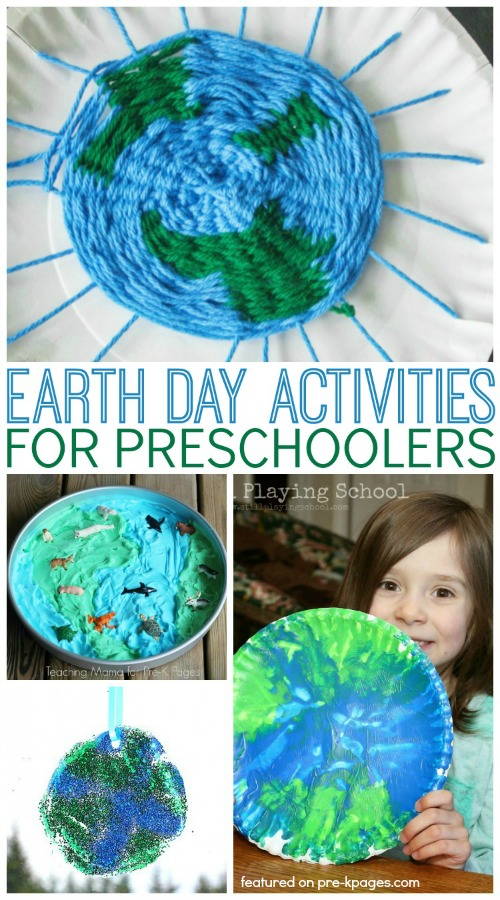
25 Eco-Friendly Activities & Crafts
Here are 25 activities to teach preschoolers environmental awareness using readily available materials and hands-on learning. They are broken down into crafts, games, and outdoor explorations, with a range of difficulty for ages 3-5. Adapt these to your specific group of children.
These activities teach specific concepts, not just keep kids busy. The recycling sorting game reinforces waste management, and the nature walk encourages observation and appreciation of biodiversity. Learning is made playful and accessible.
- Toilet Paper Roll Bird Feeders: Cover a toilet paper roll in peanut butter, roll in birdseed, and hang with string. (Ages 3-5, Craft)
- Plastic Bottle Planters: Cut plastic bottles in half, decorate, and plant seeds. (Ages 4-5, Craft)
- Egg Carton Caterpillars: Paint egg cartons, add pipe cleaner antennae and googly eyes. (Ages 3-4, Craft)
- Newspaper Collages: Tear and glue newspaper onto paper to create artwork. (Ages 3-5, Craft)
- Recycled Paper Making: Blend old paper scraps with water, spread on a screen, and dry. (Ages 4-5, Craft – requires adult assistance)
- Nature Scavenger Hunt: Create a list of natural items to find (leaf, rock, flower). (Ages 3-5, Outdoor Exploration)
- Recycling Sorting Game: Sort recyclable materials (paper, plastic, glass) into labeled bins. (Ages 3-5, Game)
- 'Reduce, Reuse, Recycle' Song: Sing a song about the three R's. (Ages 3-5, Song/Game)
- Nature Bingo: Create bingo cards with pictures of natural items. (Ages 4-5, Game)
- Seed Planting: Plant seeds in small pots or cups. (Ages 3-5, Outdoor Exploration)
- Leaf Rubbings: Place leaves under paper and rub with crayons. (Ages 3-4, Craft)
- Tin Can Stilts: Clean and decorate tin cans, punch holes for rope handles. (Ages 4-5, Craft – requires adult assistance)
- Cardboard Box City: Collect cardboard boxes and create a miniature city. (Ages 3-5, Craft/Game)
- Water Conservation Experiment: Show how much water is used for everyday tasks. (Ages 4-5, Science)
- 'What Doesn't Belong?' Game: Show pictures of items, one of which is harmful to the environment. (Ages 4-5, Game)
- Compost Bin Exploration (with supervision): Observe a compost bin and discuss decomposition. (Ages 4-5, Outdoor Exploration)
- Homemade Bird Feeder: Create a simple bird feeder using a plastic bottle and wooden spoons. (Ages 4-5, Craft)
- Rock Painting: Collect rocks and paint them with nature-inspired designs. (Ages 3-5, Craft)
- Wind Chime from Recycled Materials: Use bottle caps, keys, and other items to create a wind chime. (Ages 4-5, Craft)
- Bug Hotel: Build a small shelter for insects using natural materials. (Ages 4-5, Outdoor Exploration)
- Nature Art: Create art using natural materials like leaves, twigs, and flowers. (Ages 3-5, Craft)
- Storytelling with Nature: Use natural items to inspire a story. (Ages 3-5, Dramatic Play)
- Mud Kitchen: Set up a mud kitchen for imaginative play. (Ages 3-5, Outdoor Exploration)
- Create a Worm Farm (with supervision): Observe worms and their role in decomposition. (Ages 4-5, Science)
- DIY Reusable Shopping Bag: Decorate a plain canvas bag. (Ages 4-5, Craft)
Recycled Material Masterpieces
Crafting with recycled materials tangibly shows children how something old becomes new and beautiful, teaching sustainability. Projects like toilet paper roll bird feeders or plastic bottle planters transform waste into useful items.
Always clean recycled materials thoroughly and supervise children closely, especially when cutting or using adhesives. Avoid materials with sharp edges or small parts that could be choking hazards.
Recycled crafts encourage creativity and resourcefulness. Children can explore materials and let their imagination run wild. These crafts also start conversations about reducing waste and protecting the planet.
Games for a Greener Future
Games reinforce environmental concepts in a fun way. The recycling sorting game helps children understand different materials and where they belong. A 'reduce, reuse, recycle' scavenger hunt turns learning into an adventure, encouraging kids to practice these principles daily.
Adapt games for different needs. Nature bingo can be played indoors or outdoors. The 'what doesn't belong' game can be adjusted for age groups and skill levels. The goal is enjoyable and accessible learning.
Emphasize fun over testing knowledge. These games spark curiosity and encourage positive environmental behaviors. Friendly competition can motivate, but focus on participation and learning. Make sustainability a positive and rewarding experience.
Earth Day Superstars: A Recycling & Responsibility Quiz!
You've been learning all about taking care of our planet! Now let's see how much you remember about recycling, saving resources, and being a friend to the Earth. Choose the best answer for each question. Good luck, Earth Day Superstars!
Gardening & Nature Exploration
Gardening with preschoolers connects them to their food's origin, teaches responsibility, and fosters a love of nature. Planting seeds in cups is a valuable learning opportunity. Observing growth from seed to plant fascinates young children.
Nature walks engage preschoolers with the environment. Encourage observation of plants, animals, and insects. Discuss respecting nature and leaving no trace. Prioritize safety and supervise children closely during outdoor explorations. This is a chance to talk about local ecosystems.
Introduce composting by showing how food scraps nourish plants. This demonstrates the cycle of life and the importance of reducing waste. A small worm bin can be started with supervision.
Earth Day Story Time & Songs
Reading books about Earth Day and environmental protection reinforces learning and sparks conversations. The Lorax by Dr. Seuss is a classic, but many other age-appropriate books are available. Check your local library or online retailers. Libraries often host Earth Day-themed story times.
Songs and rhymes make learning memorable. Numerous Earth Day songs are available online, or create your own about reducing waste, reusing materials, and recycling. Music engages young children and helps them retain information.
Choose books emphasizing positive environmental actions. Sing songs reinforcing the 'reduce, reuse, recycle' message. Empower children and inspire them to become environmental stewards. Make learning fun and accessible through stories and music.
Extending the Learning: Year-Round Sustainability
undefinedaltimes, conserving water, and turning off lights can make a big difference. These habits, when practiced consistently, can have a lasting impact.
Walking or biking instead of driving whenever possible is another excellent way to promote sustainability. It’s also a healthy and enjoyable activity for the whole family. Encourage children to participate in these activities and explain why they’re important. It’s about modeling positive environmental behaviors.
The EPA (epa.gov) offers a wealth of resources for learning about environmental protection. Their website includes educational materials, activity books, and information about current environmental issues. Utilizing these resources can help you continue the learning journey beyond Earth Day and create a more sustainable lifestyle for your family and community.
No comments yet. Be the first to share your thoughts!