
AI is Already in Preschool
AI is already in the living room. Most kids interact with it daily through Alexa or Google Home without realizing it. When a toddler asks for a song or a story, they're using a neural network, not just a simple speaker.
Beyond voice assistants, the algorithms driving personalized content recommendations on streaming services like YouTube Kids or Netflix Kids are also forms of AI. The apps preschoolers use – and there are a lot of them – often employ AI to adapt to a child's behavior and keep them engaged. This isn’t necessarily good or bad, but it’s important to recognize that these technologies are already shaping young minds.
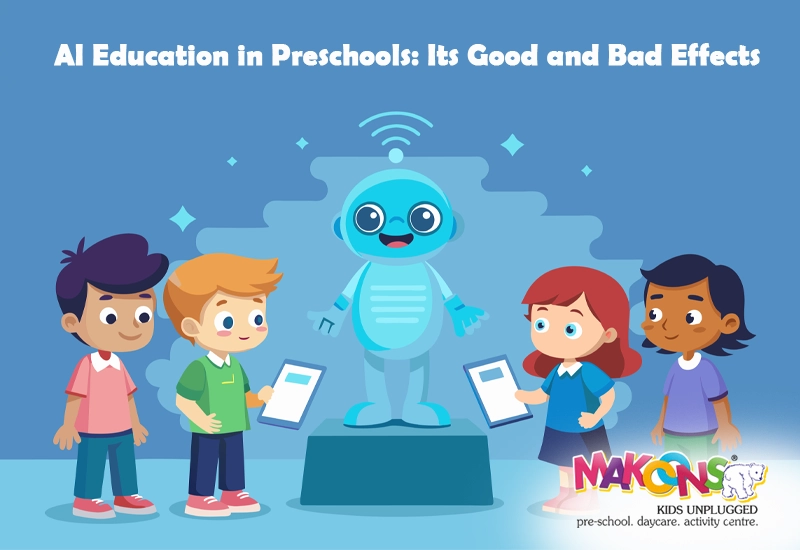
Simultaneously, developers are actively creating AI specifically for early childhood education. We’re seeing early learning apps that promise to personalize the learning experience, adaptive learning platforms that adjust difficulty based on a child’s performance, and even robotic toys designed to interact and teach. KB BlueTree Publishing released the Early Childhood Educator's AI Playbook in 2023, signaling a growing interest in integrating AI into preschool settings. The question isn't if AI will be part of preschool, but how we’ll integrate it responsibly.
Where AI actually helps
The goal of using AI in preschool shouldn’t be to replace teachers—a skilled educator is irreplaceable. Instead, we should view AI as a tool to augment their abilities and enhance the learning experience. One of the most promising benefits is personalized learning. AI can analyze a child’s performance and adapt the learning path to their individual pace and style, something that’s difficult to achieve in a traditional classroom setting.
AI gives kids instant feedback. If they get a puzzle wrong, the app tells them why immediately. This lets teachers spend more time with students who are struggling. For kids with dyslexia, speech-to-text tools act as a bridge that wasn't available in traditional classrooms a decade ago.
Furthermore, AI can assist with assessment. It can track a child’s progress and provide teachers with valuable data to inform their instruction. This isn’t about reducing children to data points, but about giving teachers the information they need to make informed decisions about how to best support each student’s learning journey. The U.S. Department of Education is actively exploring guidelines for responsible AI implementation, recognizing its potential to improve educational outcomes.
- Personalized learning paths that adjust to a child's speed
- Immediate feedback
- Support for children with learning differences
- AI-powered assessment tools
AI in Preschool: Benefits
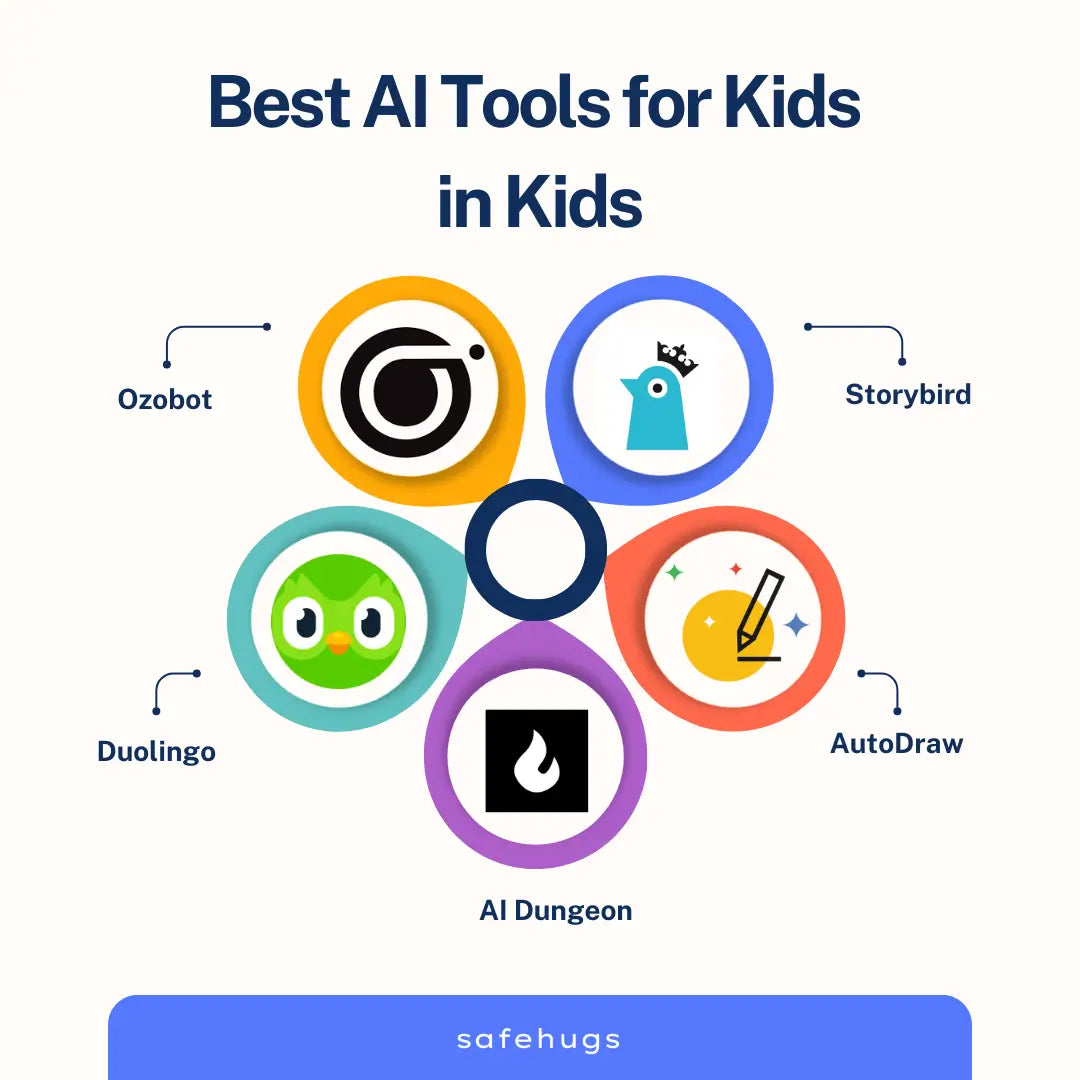
- Adaptive Skill Building - AI-powered apps like Khan Academy Kids can identify skill gaps and offer targeted practice in areas like early literacy and math, adjusting difficulty as the child progresses.
- Enhanced Storytelling - Platforms such as Novel Effect react to voices while reading aloud, adding sound effects and music to bring stories to life and increase engagement. This can foster a love of reading.
- Personalized Feedback on Creativity - Tools like Google Arts & Culture can provide information and context about art, and some emerging AI features can offer constructive feedback on a child’s own drawings or paintings, encouraging artistic exploration.
- Early Language Development Support - Speech recognition technology, found in apps like Duolingo ABC, can help children practice pronunciation and receive immediate feedback, aiding in language acquisition.
- Automated Lesson Planning Assistance - Teachers can utilize resources like Canva’s Magic Write to generate ideas for lesson plans and activities, freeing up time for direct interaction with students.
- Accessibility for Diverse Learners - AI-powered translation tools integrated into educational apps can provide content in multiple languages, supporting children from diverse linguistic backgrounds. Similarly, text-to-speech features can assist children with reading difficulties.
- Interactive Learning Games - Osmo, combined with AI elements in their coding and art games, can provide a hands-on, interactive learning experience that adapts to a child's skill level and encourages problem-solving.
Privacy, bias, and the screen time problem
While the potential benefits of AI in preschool are exciting, it’s crucial to acknowledge the potential risks. Data privacy is a major concern. What information is being collected about children when they use these AI-powered tools? How is that information being stored and used? These are questions parents and educators need to ask. According to a Brookings report from 2024, the collection of children’s data is increasing rapidly, raising serious ethical considerations.
Algorithmic bias is another significant issue. AI systems are trained on data, and if that data reflects existing societal biases – regarding race, gender, or socioeconomic status – the AI will inevitably perpetuate those biases. This could manifest in biased learning materials or unfair assessments, potentially reinforcing harmful stereotypes. We need to be vigilant about identifying and mitigating these biases.
And, of course, there’s the issue of screen time. While AI-powered tools can be engaging and educational, it’s important to find a healthy balance. Excessive screen time can have negative impacts on children’s physical and cognitive development. AI should supplement hands-on learning experiences, not replace them. We need to ensure that children still have plenty of opportunities for free play, social interaction, and exploration of the physical world.
It's also important to consider the potential for these tools to become a distraction. A brightly colored, engaging AI app may capture a child’s attention, but is it actually promoting meaningful learning? We need to critically evaluate these tools and ensure they align with our educational goals.
The reality of data privacy and COPPA
Protecting children’s data online is paramount, and the Children’s Online Privacy Protection Act (COPPA) is the primary law governing this. COPPA requires websites and online services to obtain verifiable parental consent before collecting, using, or disclosing personal information from children under 13. This means that apps targeting preschoolers must have mechanisms in place to verify a parent’s identity.
However, COPPA compliance isn’t a guarantee of safety. It simply means that the company has followed the legal requirements for obtaining consent. It doesn’t necessarily address the quality of the app or the security of the data. Parents and educators should carefully review the privacy policies of any app before allowing a child to use it. Look for clear and concise language, and pay attention to what types of data are being collected.
To minimize data collection, consider using privacy-focused apps that prioritize data security. Adjust device settings to limit tracking and data sharing. Talk to your children about online safety and teach them not to share personal information with strangers. Remember, critical thinking and informed decision-making are essential when navigating the digital world.
Evaluating Educational AI Tools
With a growing number of AI-powered educational tools available, it's essential to have a framework for evaluating them. First and foremost, consider pedagogical soundness. Is the tool based on established learning principles and research? Does it align with your curriculum and educational philosophy? Avoid tools that rely on gimmicks or unproven methods.
Age-appropriateness is also crucial. Is the content and interface designed for preschoolers? Is it engaging and stimulating, but not overwhelming? Transparency is another key factor. Can you understand how the AI is making decisions? Is the tool a "black box," or does it provide insights into its reasoning process? This is especially important for identifying and addressing potential biases.
Teacher involvement in the selection process is non-negotiable. Teachers are best positioned to assess whether a tool meets the needs of their students and integrates seamlessly into their classroom. Look for tools that promote creativity, critical thinking, and problem-solving skills, rather than just rote memorization. The goal is to empower children to become active learners, not passive consumers of information.
- Pedagogical soundness
- Age-appropriateness
- Transparency
- Teacher involvement
- Tools that encourage kids to build things rather than just tap buttons
Examples of Emerging AI Tools (2026)
The AI landscape is evolving rapidly, but several types of tools are showing promise for preschool education. Adaptive learning platforms, such as those developed by AgeUp Tech, are gaining traction. These platforms use AI to tailor content to individual student needs, providing personalized learning paths that adjust based on performance. They've seen a 20% increase in user adoption in the last year.
AI-powered storytelling tools, like StorySpark, are also emerging. These tools allow children to create their own stories with the help of AI, fostering creativity and language development. Robotic companions, such as the LingoBot from CogniToys, are designed to support social-emotional learning and provide interactive learning experiences.
Finally, AI is being used to automate administrative tasks for teachers. Tools like ClassAssist can help with grading, lesson planning, and communication with parents, freeing up more time for instruction. It's important to remember that these are just a few examples, and the AI landscape is constantly changing. Staying informed about the latest developments is crucial.
No comments yet. Be the first to share your thoughts!