

Rethinking preschool messes
The guilt over spilled glitter or paint splatters is real for parents and teachers. We often feel pressure to keep things tidy. But mess isn't the enemy; it's essential for learning and building a foundation for sustainability.
Chaos is a natural part of creativity. We're realizing that embracing it and reframing it as resourcefulness is important. Environmental issues are increasingly on young children's minds, and early childhood education is responding. We need to move beyond teaching about sustainability and start practicing it.
Households with young children generate about 25% more waste than those without, according to a 2022 EPA report. This highlights an opportunity: by incorporating eco-friendly practices into preschool activities, we can reduce our footprint and instill a lifelong appreciation for the planet.
20 eco-friendly crafts
Here are 20 eco-friendly crafts for preschoolers that are engaging, educational, and sustainable. Each uses readily available recycled materials, minimizing waste and maximizing creativity.
1. Cardboard Box Cities: Gather cardboard boxes of all sizes. Let children decorate them with paint, crayons, and markers to create buildings. This promotes imaginative play, spatial reasoning, and collaborative building skills. Materials: Cardboard boxes, non-toxic paint, crayons, markers.
2. Plastic Bottle Planters: Cut plastic bottles in half, decorate them, and fill them with soil. Plant seeds or small plants. This teaches children about plant life cycles and responsibility. Materials: Plastic bottles, soil, seeds, non-toxic paint.
3. Egg Carton Caterpillars: Cut egg cartons into individual cups, paint them, and string them together to create colorful caterpillars. This is excellent for fine motor skills and color recognition. Materials: Egg carton, non-toxic paint, string.
4. Newspaper Hats: Crumple and shape newspaper into hats, securing with tape or glue. This is a simple and fun craft that encourages creativity and problem-solving. Materials: Newspaper, tape or non-toxic glue.
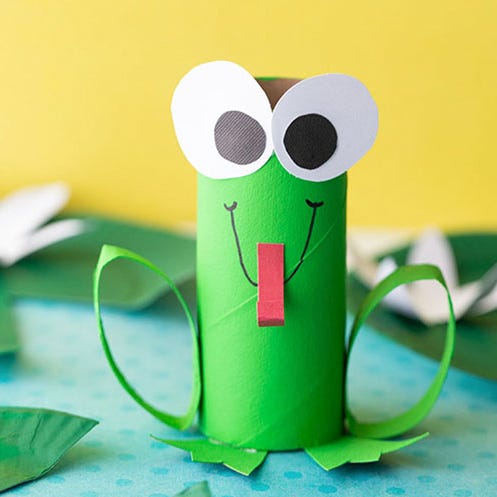
5. Toilet Paper Roll Animals: Transform toilet paper rolls into various animals using paint, paper scraps, and googly eyes. This fosters imagination and artistic expression. Materials: Toilet paper rolls, paint, paper scraps, googly eyes.
6. Milk Jug Bird Feeders: Cut openings in milk jugs and decorate them. Fill with birdseed and hang outside. This introduces children to wildlife and the importance of caring for animals. Materials: Milk jugs, birdseed, string, non-toxic paint.
7. Yogurt Container Drums: Clean and decorate yogurt containers, then use them as drums with wooden spoons. This encourages musical exploration and rhythm development. Materials: Yogurt containers, wooden spoons, non-toxic paint.
8. Magazine Collages: Cut or tear colorful images from old magazines and create collages. This develops fine motor skills and encourages artistic expression. Materials: Old magazines, glue, paper.
9. Cereal Box Puzzles: Cut cereal boxes into puzzle pieces and let children decorate them before assembling. This promotes problem-solving skills and hand-eye coordination. Materials: Cereal boxes, crayons, markers.
10. Plastic Bag Weaving: Cut plastic bags into strips and weave them together to create mats or baskets. (Adult supervision required for cutting) This introduces basic weaving techniques and repurposes plastic waste. Materials: Plastic bags, scissors.
11. Bottle Cap Mosaics: Glue bottle caps onto cardboard to create colorful mosaics. This enhances fine motor skills and color recognition. Materials: Bottle caps, cardboard, glue.
12. Paper Plate Masks: Decorate paper plates to create masks of animals or characters. Materials: Paper plates, paint, crayons, elastic string.
13. Tin Can Stilts: (Adult construction required) Use tin cans and rope to create simple stilts. This encourages gross motor skills and balance. Materials: Tin cans, rope.
14. Scrap Fabric Bookmarks: Cut and decorate scrap fabric to create unique bookmarks. Materials: Scrap fabric, scissors, glue, ribbon.
15. Paper Roll Marble Runs: Tape toilet paper rolls to a wall or large cardboard sheet to create a marble run. This demonstrates physics concepts and encourages problem-solving. Materials: Toilet paper rolls, tape, marbles.
16. Bubble Wrap Prints: Use bubble wrap and paint to create textured prints. Materials: Bubble wrap, paint, paper.
17. Cork Board Creations: Glue corks onto cardboard to create a textured board for pinning artwork. Materials: Corks, cardboard, glue.
18. Old Sock Puppets: Decorate old socks to create puppets for storytelling. Materials: Old socks, buttons, yarn, glue.
19. Seed Packet Flowers: Flatten and arrange used seed packets onto paper to create flower designs. Materials: Used seed packets, glue, paper.
20. Cardboard Tube Binoculars: Glue two cardboard tubes together and decorate them to create binoculars. Materials: Cardboard tubes, paint, string.
Sourcing craft supplies
The recycling bin is a good start, but think bigger. Consistent material supply is key to successful eco-crafting. Ask parents for specific items like yogurt containers, bottle caps, and old magazines. A quick email outlining needs can work well.
Partner with local businesses. Coffee shops often have used coffee grounds for art projects (with safety precautions). Fabric stores may donate scraps. A community collection drive can also gather supplies and involve families.
Safety is paramount. Clean and sanitize all materials before use. Teaching children where materials came from and their previous purpose reinforces reuse and reduces waste.
- Ask parents for donations: Yogurt containers, bottle caps, old magazines, fabric scraps.
- Partner with local businesses: Coffee shops (coffee grounds), fabric stores (scraps).
- Organize a community collection drive: Engage families in gathering materials.
Safety first
Recycled materials can have hazards like sharp edges on cans or broken plastic, small choking hazards, and residual substances. Careful consideration is needed. Always supervise children closely, especially during cutting or gluing.
Clean all materials thoroughly with soap and water before use. Use non-toxic glue and washable, non-toxic paints. Be mindful of potential allergies, like latex in rubber bands. Dispose of waste properly.
Supervision needs vary by age and development. Younger children need more help, while older preschoolers might complete steps independently. A quick risk assessment before each craft helps identify and mitigate hazards.
Learning beyond the craft
Eco-crafting benefits go beyond the finished product. These activities naturally lead to discussions on reducing waste, protecting animals, conserving resources, and respecting our planet. Consider incorporating composting to demonstrate decomposition.
Discuss the life cycle of materials: their origin, creation, use, and disposal. Encourage critical thinking about consumption habits and ways to reduce environmental impact. A simple question like 'Where did this bottle come from?' can spark conversation.
Preschool Playbook offers environmental education resources like lesson plans, songs, and activities. Books like The Lorax by Dr. Seuss and Wangari's Trees of Peace by Jeanette Winter can spark discussion and foster environmental stewardship.
Craft standouts
Let's look closer at a few crafts. The Cardboard Box City is a favorite. Encourage children to build different structures like houses, stores, schools, and fire stations. Add roads with tape or paint, and create miniature citizens from paper or playdough. This activity shines as a collaborative project where children design and build their city together.
Another standout is the Plastic Bottle Planter. Experiment with different cutting patterns for unique shapes. Discuss the importance of sunlight and water for plant growth. Let children choose seeds and monitor plant progress, fostering responsibility and connection to nature.
The Egg Carton Caterpillar is versatile. Encourage different painting techniques like stripes, polka dots, and swirls. Add pipe cleaner antennae and googly eyes for flair. This craft practices fine motor skills and color mixing.
Inspiring little environmentalists
These activities can inspire a lifelong commitment to sustainability. Fostering environmental responsibility in young children plants seeds for positive change. When children understand their actions' impact, they make conscious choices that benefit the planet.
Model sustainable behavior. Children learn by observing adults. Make recycling a family habit, conserve water, and reduce consumption. Continue environmental conversations beyond the craft table and encourage children to share their knowledge.
Organizations like the National Wildlife Federation and the Environmental Protection Agency offer resources for further learning. Empowering children to become environmental stewards invests in a brighter, more sustainable future.
No comments yet. Be the first to share your thoughts!