

Little Feelings, Big Lessons
Children experience a full range of emotions, just like adults. From the joy of building a tower to the frustration of a puzzle piece not fitting, preschoolers navigate a complex inner world. Recognizing and understanding these feelings builds emotional intelligence, something we should start nurturing from a young age.
Conversations about children’s mental wellbeing are becoming more common. There’s a growing awareness of the importance of supporting children’s emotional development. This article provides parents and teachers with practical activities to nurture emotional intelligence in preschoolers.
We explore age-appropriate ways to help children identify, express, and manage their emotions. It’s not about eliminating "negative" feelings – sadness and anger are normal parts of life – but about giving children tools to cope healthily. These are simple, playful activities that can make a big difference.
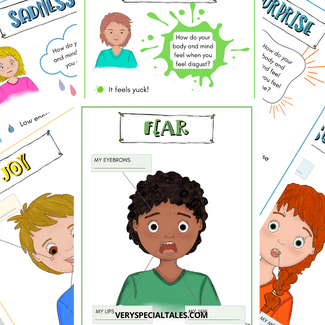
Understanding Preschool Emotions
Preschoolers experience happiness, sadness, anger, fear, and frustration. How these emotions look varies greatly. Happiness might be expressed through giggles, smiles, and enthusiastic play. Sadness could manifest as tears, withdrawal, or a quiet demeanor. Anger often comes out as tantrums, hitting, or yelling.
Fear can lead to clinginess, hiding, or refusing to participate. Frustration is common when a child struggles with a task and might look like throwing toys or giving up. These reactions aren’t intentional misbehavior; they’re a child’s way of communicating feelings when they lack the words.
This behavior is rooted in neurological development. The prefrontal cortex, responsible for emotional regulation, is still developing rapidly in preschoolers, which is why they sometimes struggle to control impulses or think through consequences. Understanding this helps us respond with patience and empathy, not judgment. Consistent routines and clear expectations are also helpful.
Emotion Charades: Playful Recognition
Emotion Charades helps preschoolers identify and express feelings. Write emotions on cards – happy, sad, angry, scared, surprised are good starting points. You can also include excited, silly, or confused. Have children take turns picking a card and acting out the emotion without speaking.
Encourage other children to guess the emotion. This helps them connect facial expressions and body language with specific feelings. To make it easier for younger children, model the emotions yourself. Show them what "happy’ looks like, what ‘sad" looks like, and so on.
For variations, ask children to share a time when they felt that emotion. Give them prompts like, "Show me what happy looks like when you get a present!’ or ‘Show me what scared looks like when you hear a loud noise!" The goal is to create a safe, playful environment where children feel comfortable exploring their emotional world.
- Step 1: Create emotion cards with simple illustrations or written words.
- Step 2: Have children take turns acting out the emotions.
- Step 3: Encourage classmates to guess the emotion.
- Step 4: Discuss times when they’ve felt that emotion themselves.
Story Time for Feelings
Children’s literature explores emotions. Stories provide a safe distance for children to process their own feelings and learn about others’. Choosing books that address emotions can open important conversations.
Here are a few recommendations: The Way I Feel by Janan Cain introduces a wide range of emotions with colorful illustrations and simple language. When Sophie Gets Angry—Really, Really Angry by Molly Bang tackles anger relatably and validatingly. Alexander and the Terrible, Horrible, No Good, Very Bad Day by Judith Viorst acknowledges that everyone has bad days and that’s okay.
Other excellent choices include Glad Monster, Sad Monster by Anne Miranda, Today I Feel Silly by Jamie Lee Curtis, and Llama Llama Mad at Mama by Anna Dewdney. After reading a story, ask open-ended questions like, "How do you think the character was feeling?’ or ‘Have you ever felt that way? What did you do?’ or ‘What could the character have done differently?"
- The Way I Feel by Janan Cain
- When Sophie Gets Angry—Really, Really Angry by Molly Bang
- Alexander and the Terrible, Horrible, No Good, Very Bad Day by Judith Viorst
- Glad Monster, Sad Monster by Anne Miranda
- Today I Feel Silly by Jamie Lee Curtis
- Llama Llama Mad at Mama by Anna Dewdney
Emotional Intelligence Books
- The Color Monster: A Story About Emotions - This book by Anna Llenas uses a colorful monster to help children identify and understand different feelings like happiness, sadness, anger, fear, and calmness. It’s a great starting point for emotional vocabulary.
- When Sophie Gets Angry—Really, Really Angry… - Molly Bang’s story explores how a young girl deals with intense anger. It shows children that it’s okay to feel angry and provides a visual representation of coping mechanisms like taking space.
- Alexander and the Terrible, Horrible, No Good, Very Bad Day - Judith Viorst’s classic book acknowledges that everyone has bad days and that it’s okay to feel frustrated when things don’t go as planned. It normalizes negative emotions.
- In My Heart: A Book of Feelings - Jo Witek’s book uses beautiful illustrations and metaphors to describe how different emotions *feel* physically within the body. It helps children connect their feelings to physical sensations.
- Grumpy Monkey - Suzanne Lang’s story features Jim Panzee, who is feeling grumpy despite his friends trying to cheer him up. It teaches children that it’s okay to not always *want* to be happy and to accept their feelings.
- Listening to My Body: A Book to Help Children Learn to Tune In to Their Bodies and Understand Their Feelings - Gabi Garcia’s book introduces the concept of interoception—recognizing internal body signals—and connects those signals to different emotions. It’s a helpful resource for children who struggle to identify what they’re feeling.
- Today I Feel Silly: And Other Moods That Make My Day - Jamie Lee Curtis’s book explores a range of emotions in a playful and relatable way. It helps children understand that feelings are temporary and can change throughout the day.
Calm-Down Corner Creation
A calm-down corner is a designated space where children can go to regulate their emotions. It’s not a time-out, which implies punishment. Instead, it’s a safe, supportive environment where children can learn to self-soothe. Choose a quiet corner and furnish it with comfortable seating – a beanbag chair, a soft cushion, or a small rug.
Include calming objects like soft toys, sensory bottles (filled with water, glitter, and small objects), or books. A feeling chart with pictures of different emotions can also be helpful. The chart can help children identify what they're feeling and choose coping strategies. You might also include deep breathing prompts or simple mindfulness exercises.
Teach children how to use the calm-down corner effectively. Explain it’s a place to go when they’re feeling overwhelmed, not as punishment. Model using it yourself by taking a few deep breaths or reading a book when you’re feeling stressed. Encourage children to practice using it even when they’re not upset, so they’re familiar with the space and tools.
Mindful Moments: Simple Practices
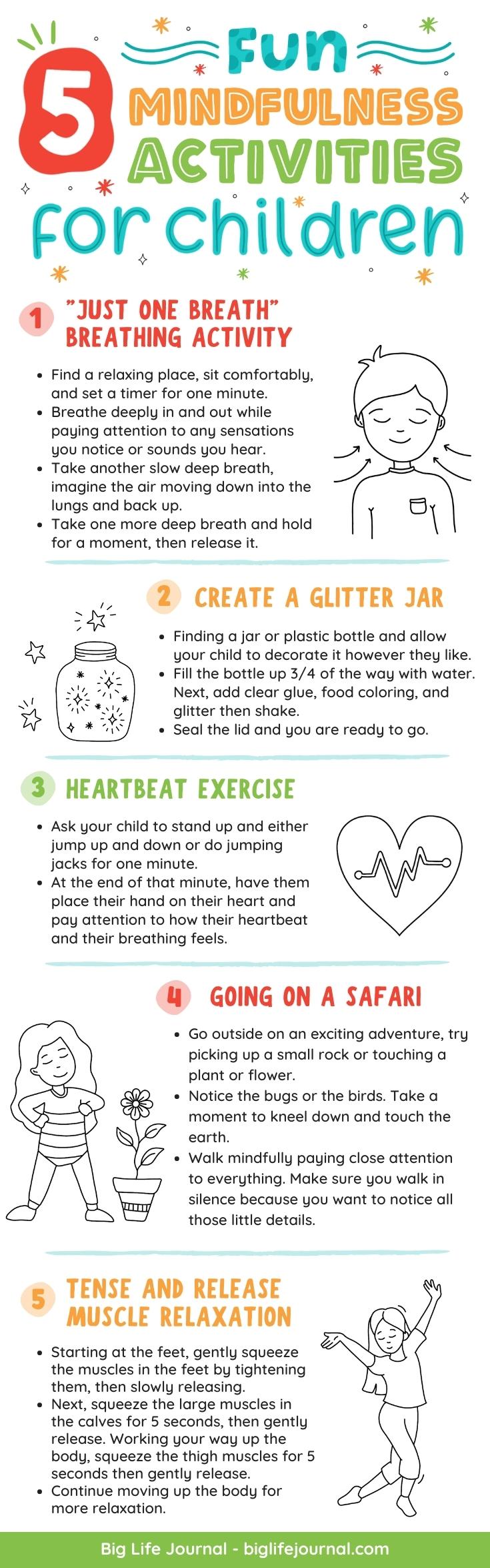
Mindfulness involves paying attention to the present moment without judgment. Young children can benefit from simple mindfulness practices. Deep breathing exercises are a good place to start. Try "belly breathing" – have children lie down and place a stuffed animal on their tummy. Encourage them to breathe deeply, watching the animal rise and fall with each breath.
Guided imagery is another effective technique. Ask children to close their eyes and imagine a peaceful place – a beach, a forest, or their favorite room. Encourage them to focus on the sights, sounds, and smells of that place. Mindful listening involves focusing on sounds without trying to identify them. Ring a chime or play a simple instrument and ask children to listen carefully.
Given preschoolers’ short attention spans, keep these exercises brief. Start with 1-2 minutes and gradually increase the duration as children become more comfortable. The goal isn’t perfect stillness, but introducing the concept of paying attention to their breath and senses.
- Belly Breathing: Lie down, place a stuffed animal on tummy, breathe deeply.
- Guided Imagery: Close eyes, imagine a peaceful place, focus on senses.
- Mindful Listening: Focus on sounds without identifying them.
Modeling Emotional Intelligence
Children watch us and learn more from what we do than what we say. Adults must model healthy emotional expression and regulation. How do we talk about our own feelings? Do we acknowledge them openly, or suppress them?
When you’re feeling frustrated, instead of yelling, say, "I’m feeling really frustrated right now. I need to take a few deep breaths.’ When you"re feeling sad, share that with your child.
Avoid dismissing their feelings or telling them to "stop crying.’ Instead, validate their emotions by saying things like, ‘I see you’re feeling sad. It’s okay to cry.’ or ‘It’s okay to be angry, but it’s not okay to hit.’ By modeling healthy emotional regulation, we"re giving children the tools they need to navigate their own emotional world.
Resources & Further Support
For more information on preschool emotional learning and social emotional development, the California Department of Education offers the California Preschool Learning Foundations (Volume 1) (). This resource provides a comprehensive framework for supporting children’s social and emotional wellbeing.
The Ohio Department of Mental Health and Addiction Services provides resources on Social and Emotional Development ().
Organizations like the Center for Social and Emotional Learning (CASEL) () offer professional development opportunities for teachers and resources for parents. Strong Start () provides a helpful parent's guide to social emotional learning. Remember, supporting children’s mental health is a team effort.
No comments yet. Be the first to share your thoughts!