

Getting started with Earth Day
Earth Day is a wonderful opportunity to introduce young children to the importance of caring for our planet. As we look ahead to 2026, the core message remains the same: respect for the environment and a commitment to sustainability. While specific themes may emerge, the emphasis will likely be on continuing to reduce our impact, protecting natural habitats, and fostering a sense of responsibility in the next generation. It’s a chance to move beyond simply talking about environmental issues and into doing something positive.
For preschoolers, this doesn’t mean complex lectures about climate change. It means hands-on activities that connect them to nature and help them understand simple concepts like recycling, conservation, and the beauty of the natural world. These experiences are best when they are joyful and engaging! We’ve put together a collection of screen-free activities that are designed to do just that.
Choosing screen-free activities isn’t just about celebrating Earth Day; it’s about supporting healthy development. Research consistently shows that unplugged play encourages creativity, problem-solving skills, and social interaction. The Preschool Prep Playbook, for example, emphasizes engaging, screen-free activities to build early learning skills. Letting children explore with their hands, and with each other, is a powerful way to learn and grow.
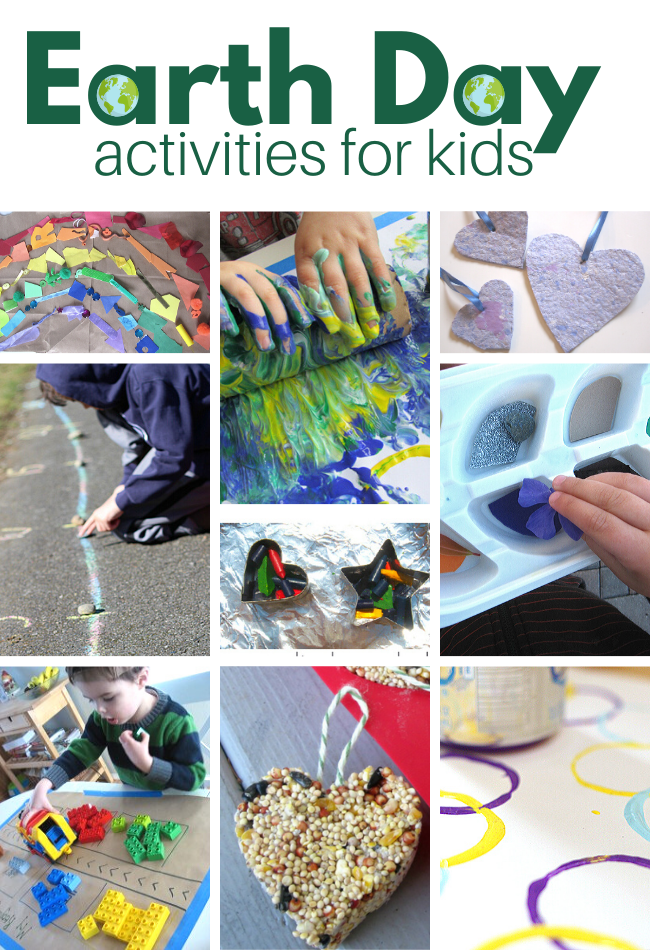
15 screen-free activities
Here are 15 screen-free activities to inspire environmental awareness in your preschooler. We’ve tried to include options that use materials you likely already have on hand, and that cater to different interests and learning styles.
1. Nature Scavenger Hunt: Create a list of items for children to find outdoors (leaf, rock, feather, flower). This encourages observation and appreciation for nature. It's a classic for a reason!
2. Seed Planting: Plant seeds in small pots or containers. Discuss what plants need to grow (sun, water, soil). This provides a tangible connection to the food chain.
3. Recycled Art: Use recycled materials (cardboard boxes, plastic bottles, egg cartons) to create art projects. This promotes creativity and teaches about repurposing.
4. Mud Kitchen: Set up a “mud kitchen” outdoors with pots, pans, and utensils. Children can mix mud, water, and natural materials to create “meals”.
5. Leaf Rubbings: Place leaves under paper and rub with crayons to create textured patterns. A simple way to explore leaf shapes and textures.
6. Bird Feeder Creation: Make a simple bird feeder from a pinecone, peanut butter, and birdseed. Encourages observation of wildlife.
7. Nature Collage: Collect natural materials (leaves, flowers, twigs) and glue them onto paper to create a collage. A beautiful way to capture the essence of nature.
8. Worm Observation: Create a worm farm in a clear container to observe how worms help decompose organic matter. A fascinating look at the ecosystem.
9. Composting Introduction: Start a small compost bin and explain how food scraps can be turned into nutrient-rich soil. A great way to reduce waste.
10. Water Conservation Talk: Discuss ways to save water (turning off the tap while brushing teeth, taking shorter showers). Simple habits with big impact.
11. Recycling Sort: Set up different bins for recycling and have children sort materials accordingly. Reinforces the importance of recycling.
12. Nature Walk & Talk: Take a walk in a park or forest and talk about the plants and animals you see. Encourage questions and observations.
13. DIY Bird Bath: Create a simple bird bath using a shallow dish and some rocks. Provides a water source for birds.
14. Flower Pressing: Press flowers between the pages of a heavy book to preserve their beauty. A lovely keepsake and a lesson in botany.
15. Story Time with Environmental Themes: Read books about nature, animals, and environmental conservation. Inspires empathy and understanding. The Facebook group 'Unplugged Play' often shares ideas for screen-free activities, including book suggestions.
Art from the backyard
Art projects are a simple way to show kids that nature provides its own supplies. You don't need a store-bought kit when you have leaves and mud.
Leaf Printing: Beyond simple rubbings, try leaf printing. Paint the surface of a leaf with washable paint and press it onto paper. This creates a more detailed impression of the leaf’s veins and shape. Experiment with different colors and leaf types.
Mud Painting: Yes, you read that right! Mix mud with water to create a natural paint. This is a wonderfully messy and sensory experience. Provide brushes and paper, or let children paint directly onto rocks or logs. It’s a great way to embrace the earthiness of the materials.
Flower Petal Collage: Collect fallen flower petals and create a collage on paper. Encourage children to arrange the petals in patterns or to create pictures. This is a delicate and beautiful art form that highlights the ephemeral nature of flowers. You can also talk about the different parts of a flower while you're creating.
- Gather leaves, paint, and paper.
- Paint the leaf surface with washable paint.
- Press the painted leaf onto the paper.
- Lift the leaf carefully to reveal the print.
Sensory play with dirt and rocks
Sensory play is incredibly important for preschoolers. It supports cognitive development, language skills, and emotional regulation. Connecting sensory experiences to nature adds another layer of learning. A mud kitchen is a classic for a reason – it allows children to explore textures, practice imaginative play, and connect with the earth.
Creating a nature sensory bin is another excellent option. Fill a bin with soil, rocks, leaves, twigs, and water (supervise closely!). Children can explore these materials with their hands, using scoops, cups, and other tools. It's a mini-ecosystem in a bin!
A texture scavenger hunt is a fun way to encourage observation. Give children a list of textures to find (smooth rock, rough bark, soft leaf). This activity encourages them to use their sense of touch and to pay attention to the details of the natural world. Remember to emphasize handwashing after playing with soil or other natural materials.
Gardening on a windowsill
Gardening with preschoolers is a fantastic way to teach them about where food comes from and the life cycle of plants. It doesn't require a large garden; even a small windowsill garden can be a valuable learning experience. Planting seeds, watering plants, and watching them grow fosters a sense of responsibility and wonder.
Start with easy-to-grow seeds like beans, peas, or sunflowers. Explain how seeds need water, sunlight, and soil to germinate. Talk about the different parts of a plant (roots, stem, leaves, flowers). This is a great opportunity to introduce basic botany concepts.
Even if you don't have space for a traditional garden, you can grow herbs in pots on a windowsill. Children can help water the herbs and eventually use them in cooking. This connects gardening to healthy eating and encourages them to try new foods.
- Choose easy-to-grow seeds.
- Fill pots with soil.
- Plant the seeds.
- Water the seeds regularly.
- Observe the plants as they grow.
Turning trash into toys
Upcycling is a creative and practical way to reduce waste and protect the environment. It teaches children that materials can have multiple uses and that we don't always need to buy new things. Transforming trash into treasure is a powerful lesson!
Turn cardboard boxes into bird feeders by cutting holes and adding perches. Plastic bottles can be transformed into planters by cutting off the tops and filling them with soil. Egg cartons can be used to start seeds or to create colorful art projects.
Encourage children to think outside the box and come up with their own upcycling ideas. This fosters creativity and problem-solving skills. Discuss how upcycling helps reduce landfill waste and conserve resources.
No comments yet. Be the first to share your thoughts!