

Beyond the Screen: Why Now?
Preschoolers are spending more time than ever looking at screens. It’s a trend that’s sparked growing concern among pediatricians and educators, and for good reason. We’re seeing a shift in how young children develop, and many worry about the impact of excessive screen time on attention spans, social skills, and physical health. The American Academy of Pediatrics recommends limiting screen time for children ages 2-5 to just one hour per day of high-quality programming, but even that feels like a lot to many parents.
As we look ahead to 2026, it’s more important than ever to proactively seek out engaging, screen-free alternatives. This isn’t about demonizing technology – screens have their place. It's about finding a healthy balance and being intentional about how our children spend their time. We need to remember the power of play in fostering creativity, problem-solving skills, and overall well-being.
The "Unplugged Play’ book highlights the necessity of active play, suggesting kids need a minimum of two hours daily, ideally outdoors. They also recommend at least two hours of screen-free time before bedtime to promote better sleep. These aren’t arbitrary numbers; they’re based on an understanding of how children’s brains and bodies develop. It"s a call to action for parents and teachers to prioritize opportunities for children to move, explore, and interact with the world around them.
This guide isn’t about guilt or restriction. It’s about empowerment. It’s about providing you with a toolbox of ideas to create a rich, stimulating environment where your preschooler can thrive without relying on screens for entertainment. It's about remembering that some of the most valuable learning experiences are the simplest ones.
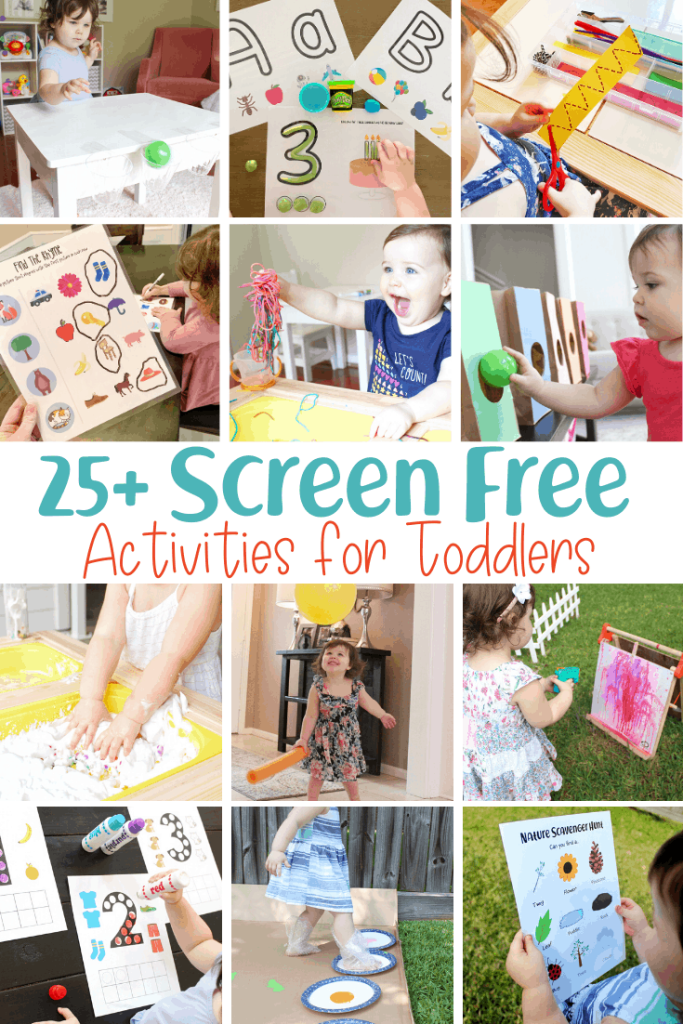
15 Screen-Free Activities
Let’s get into the good stuff: 15 screen-free activities to keep your preschooler engaged and learning. These span a range of interests and skill levels, and many can be adapted to suit different ages and abilities. Remember, the goal is to encourage exploration, creativity, and fun.
1. Cardboard Box Creations: A classic for a reason! Provide a large cardboard box (or several) and let your child’s imagination run wild. They can build a house, a car, a spaceship, or anything else they can dream up. Materials needed: cardboard boxes, tape, markers, crayons. Benefits: fosters creativity, problem-solving, and spatial reasoning.
2. Nature Scavenger Hunt: Head outdoors and create a list of items for your child to find (a leaf, a rock, a feather, a flower). This is a great way to encourage observation skills and appreciation for nature. Materials needed: list of items, bag or container. Benefits: promotes observation, exploration, and connection with nature.
3. Sensory Bin Exploration: Fill a bin with rice, beans, pasta, or water beads and add small toys, scoops, and containers. Sensory bins provide a stimulating and engaging experience for young children. Materials needed: bin, filler (rice, beans, etc.), small toys. Benefits: develops sensory skills, fine motor skills, and encourages exploration.
4. Storytelling with Puppets: Use puppets (homemade or store-bought) to tell stories and encourage your child to participate. This is a fun way to develop language skills and imagination. Materials needed: puppets. Benefits: fosters language development, imagination, and storytelling skills.
5. Obstacle Course: Create a simple obstacle course using pillows, blankets, cushions, and furniture. This is a great way to get your child moving and develop gross motor skills. Materials needed: pillows, blankets, cushions, furniture. Benefits: develops gross motor skills, coordination, and problem-solving skills.
6. Playdough Sculpting: Playdough is a versatile material that can be used to create all sorts of shapes and objects. Materials needed: playdough, rolling pin, cookie cutters. Benefits: develops fine motor skills, creativity, and hand-eye coordination.
7. Simple Baking: Involve your preschooler in simple baking activities like making cookies or muffins. This is a great way to teach math skills (measuring) and life skills. Materials needed: ingredients, mixing bowls, baking pans. Benefits: teaches math skills, life skills, and encourages teamwork.
8. Building with Blocks: Blocks are a classic toy that promotes creativity, problem-solving, and spatial reasoning. Materials needed: blocks. Benefits: develops spatial reasoning, problem-solving skills, and creativity.
9. Dress-Up & Role Play: Provide a collection of dress-up clothes and props and let your child’s imagination take over. This is a fun way to develop social skills and emotional intelligence. Materials needed: dress-up clothes, props. Benefits: fosters imagination, social skills, and emotional intelligence.
10. Music & Movement: Put on some music and dance, sing songs, or play musical instruments. Music and movement are great for developing coordination and self-expression. Materials needed: music, instruments (optional). Benefits: develops coordination, self-expression, and musicality.
11. Painting/Drawing: Provide paints, crayons, markers, and paper and let your child create their own artwork. Materials needed: paints, crayons, markers, paper. Benefits: develops creativity, fine motor skills, and self-expression.
12. Bubble Play: Bubbles are always a hit with preschoolers. This is a fun and easy activity that encourages gross motor skills and hand-eye coordination. Materials needed: bubble solution, bubble wand. Benefits: develops gross motor skills, hand-eye coordination, and provides sensory stimulation.
13. Gardening: Planting seeds and watching them grow is a rewarding experience for young children. Materials needed: seeds, soil, pots, watering can. Benefits: teaches responsibility, patience, and connection with nature.
14. Fort Building: Use blankets, pillows, and furniture to build a fort. This is a fun and imaginative activity that encourages creativity and problem-solving. Materials needed: blankets, pillows, furniture. Benefits: fosters creativity, problem-solving, and imaginative play.
15. Water Play: Supervised water play is a great way to cool off on a hot day and develop sensory skills. Materials needed: water, containers, toys. Benefits: develops sensory skills, hand-eye coordination, and provides cooling relief.
Montessori-Inspired Quiet Time
Quiet time is a valuable opportunity for preschoolers to develop independence, focus, and self-regulation skills. Drawing inspiration from the Montessori approach, we can create a "prepared environment’ that encourages focused, independent play. This doesn"t mean silent time; it means time dedicated to purposeful activities.
Practical life skills are central to the Montessori method. Activities like pouring water from a pitcher, sorting objects by color or shape, buttoning and zipping, and polishing shoes all help children develop fine motor skills, coordination, and a sense of accomplishment. These activities are designed to be self-correcting, allowing children to learn from their mistakes without adult intervention.
The key to a successful quiet time is to offer a limited selection of engaging activities. Too many choices can be overwhelming. Rotate the activities regularly to keep things fresh and interesting. A low shelf within reach is a great way to display the options. This allows the child to choose what interests them, fostering a sense of ownership and responsibility.
Remember that quiet time is a skill that needs to be developed. Start with short periods (15-20 minutes) and gradually increase the duration as your child becomes more comfortable. It’s also important to be patient and understanding. There will be times when your child will need help or encouragement.
Adapting for Different Spaces
Not everyone has a dedicated playroom or a large backyard. And that’s perfectly okay! Many of these activities can be adapted to smaller spaces, like apartments or classrooms. The key is to be creative and make the most of what you have.
Think vertically. Utilize shelves, wall-mounted organizers, and hanging storage solutions to maximize space. A small corner can be transformed into a cozy reading nook with a few pillows and blankets. A wall-mounted art easel can provide a creative outlet without taking up floor space.
Multi-purpose furniture is your friend. A storage ottoman can serve as both seating and a place to store toys. A folding table can be set up for art projects and then easily stored away when not in use. Consider how you can repurpose existing furniture to create play areas.
Even a small balcony or patio can be used for outdoor activities like gardening or water play. The important thing is to create a space where your child feels safe, comfortable, and inspired to play.
Making it Social: Playdates & Groups
Social interaction is crucial for preschool development. Playdates and group activities provide opportunities for children to learn how to share, cooperate, and resolve conflicts. They also allow them to develop social skills and build friendships.
Screen-free playdates don’t need to be elaborate. Simple activities like building with blocks, playing dress-up, or having a picnic can be just as engaging as structured events. Encourage cooperative games where children work together towards a common goal.
Outdoor adventures are also a great option. A trip to the park, a nature walk, or a scavenger hunt can provide plenty of opportunities for social interaction and physical activity. Let the children lead the activities and follow their interests.
Remember that unstructured play is just as important as structured activities. Allowing children to simply play together without adult intervention allows them to develop their own games and rules, fostering creativity and problem-solving skills.
Troubleshooting Common Challenges
Implementing screen-free activities isn’t always easy. You’ll likely encounter some challenges along the way, such as boredom, resistance to change, and sibling conflicts. It’s important to be prepared and have strategies for overcoming these obstacles.
Boredom is a common complaint. When your child says they’re bored, resist the urge to immediately offer a screen. Instead, suggest a few different activities and let them choose. You can also try introducing a new activity or rotating the available toys.
Resistance to change is also common. If your child is used to spending a lot of time on screens, they may initially resist the idea of screen-free activities. Be patient and understanding. Start slowly and gradually increase the amount of screen-free time.
Sibling conflicts are inevitable. Teach your children how to resolve conflicts peacefully and encourage them to share and cooperate. If necessary, intervene and help them find a solution. Remember, it’s okay to allow them to work things out themselves, as long as it’s safe and respectful.
Activity Standouts: Deeper Dives
Let’s take a closer look at a few of the activities that consistently capture preschoolers’ imaginations and offer substantial learning opportunities. These are great starting points if you’re feeling overwhelmed by the initial list.
Cardboard Box Creations – Expanded: Don’t limit yourself to just one box. Collect boxes of various sizes and shapes. Provide materials like paint, markers, tape, scissors (with supervision), and fabric scraps. Encourage your child to build a whole town, a spaceship, or a fantastical creature. Challenge them to add doors, windows, and furniture to their creations.
Sensory Bin – Enhanced: Elevate the sensory bin beyond just filler and toys. Add themed elements. For a “construction” bin, include small trucks, rocks, and sand. For a “farm” bin, include plastic animals, straw, and miniature vegetables. Hide small objects within the bin and have your child find them. This adds an element of discovery and encourages fine motor skills.
Fort Building – Advanced: Fort building isn't just about draping blankets over furniture. Introduce different building materials like clothespins, binder clips, and PVC pipes. Encourage your child to design and build a more complex fort with multiple rooms and features. This fosters problem-solving skills and spatial reasoning.
Looking Ahead: Play in 2026
As we move closer to 2026, the importance of play will only continue to grow. In a world that is becoming increasingly digital, it’s essential to prioritize opportunities for children to connect with the physical world, develop their creativity, and build strong social-emotional skills.
There's a growing trend towards outdoor play and nature-based learning. Parents and educators are recognizing the benefits of allowing children to spend more time outdoors, exploring and connecting with nature. The focus is shifting towards experiences over possessions, and towards activities that foster creativity, problem-solving, and collaboration. It’s not about rejecting technology, but about ensuring that it doesn’t overshadow the importance of meaningful, screen-free experiences.
No comments yet. Be the first to share your thoughts!