
Why sensory play matters
Sensory play is more than just messy fun; it is a foundational way young children process the world. When preschoolers touch, smell, taste, hear, and see different materials, their brains are actively building neural connections. This hands-on exploration supports critical development in fine motor skills, hand-eye coordination, and language acquisition.
Unlike passive learning, sensory play invites children to explore at their own pace. Whether they are squishing kinetic sand or sorting colored beans, they are learning about texture, volume, and cause-and-effect. This type of play-based learning keeps young minds engaged without the pressure of formal instruction, making it an ideal way to introduce complex concepts through simple, tactile experiences.
10 Sensory Preschool Activities for Fun Learning
Engage young minds through hands-on exploration with these ten sensory activities designed for easy setup and minimal mess. Each task prioritizes safe materials and straightforward cleanup, ensuring the fun never gets in the way of learning.
-
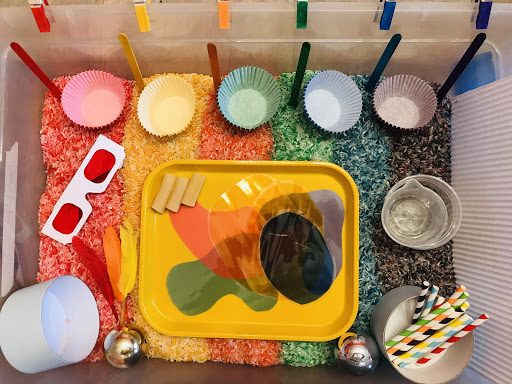
Rainbow rice sorting bins
Dye uncooked rice with food coloring and let it dry completely. Fill clear plastic bins with different colored rice and provide tongs, cups, or spoons. Children practice fine motor skills and color recognition by sorting the grains into specific containers. This tactile activity keeps little hands busy while developing hand-eye coordination through repetitive, satisfying sorting motions. -
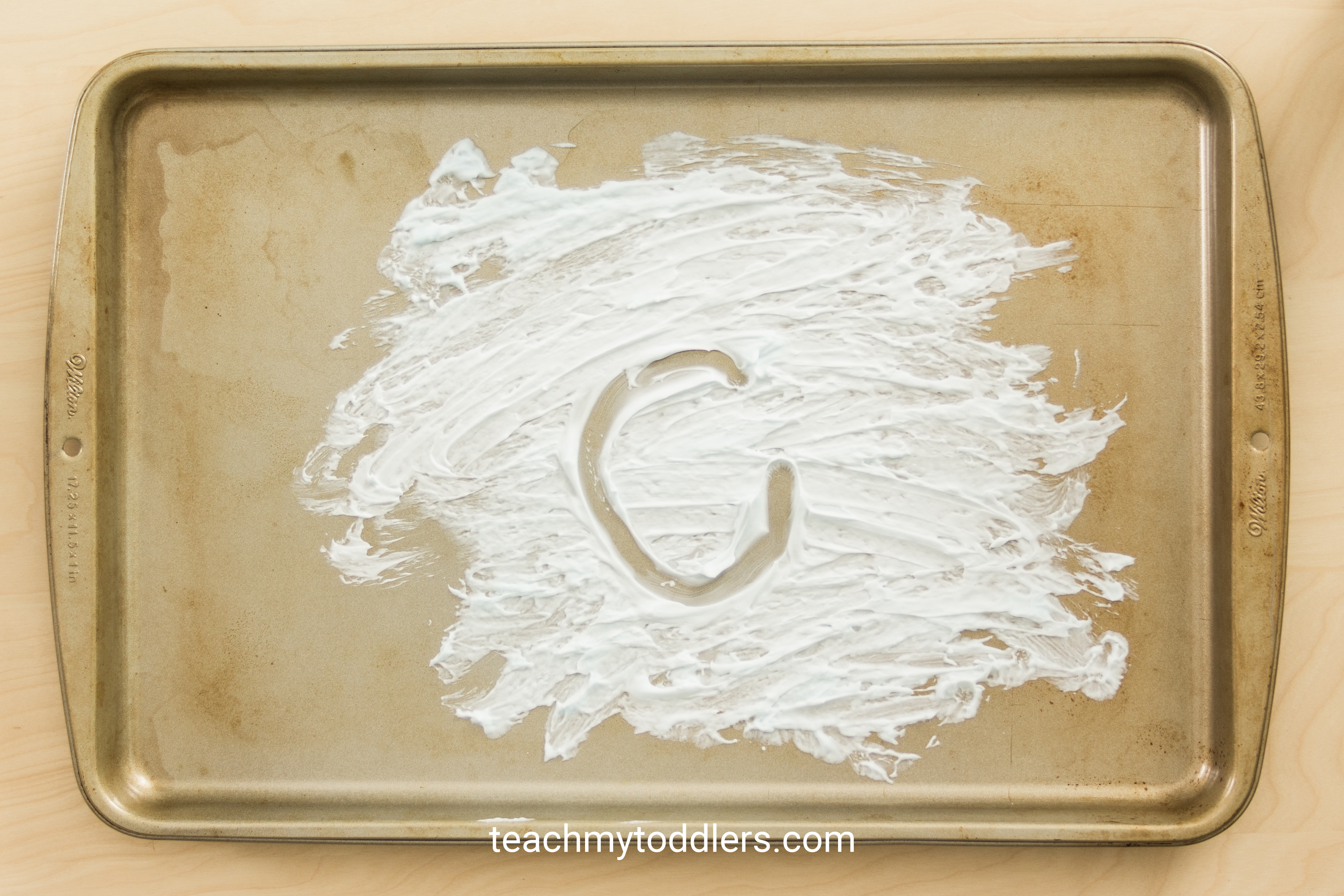
Shaving cream letter tracing
Spray a layer of shaving cream onto a tray or table. Guide your child to trace uppercase or lowercase letters using their index finger. The cool, fluffy texture provides immediate sensory feedback, making letter formation memorable without the pressure of pencil grip. Wipe clean with a damp cloth when finished, turning messy play into a quick, educational writing exercise. -
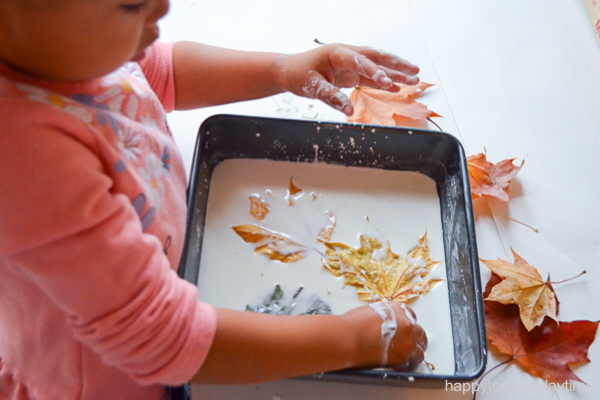
Oobleck texture exploration
Mix cornstarch and water in a two-to-one ratio to create a non-Newtonian fluid that acts like a solid under pressure but flows like a liquid otherwise. Let children squish and pour the mixture, observing how it changes behavior based on how fast they handle it. This unique scientific property captivates preschoolers while offering endless tactile exploration opportunities. -
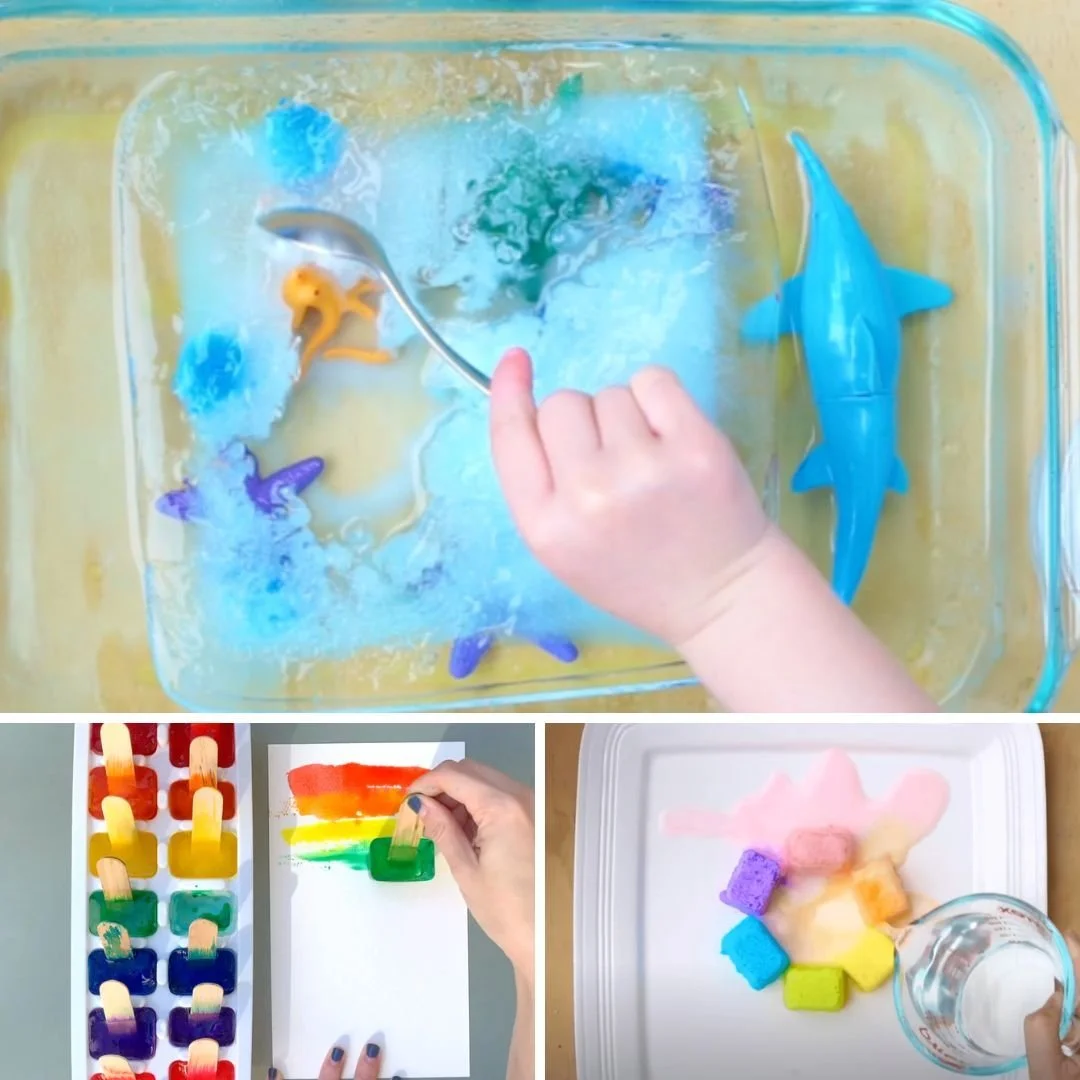
Freeze and thaw ice rescue
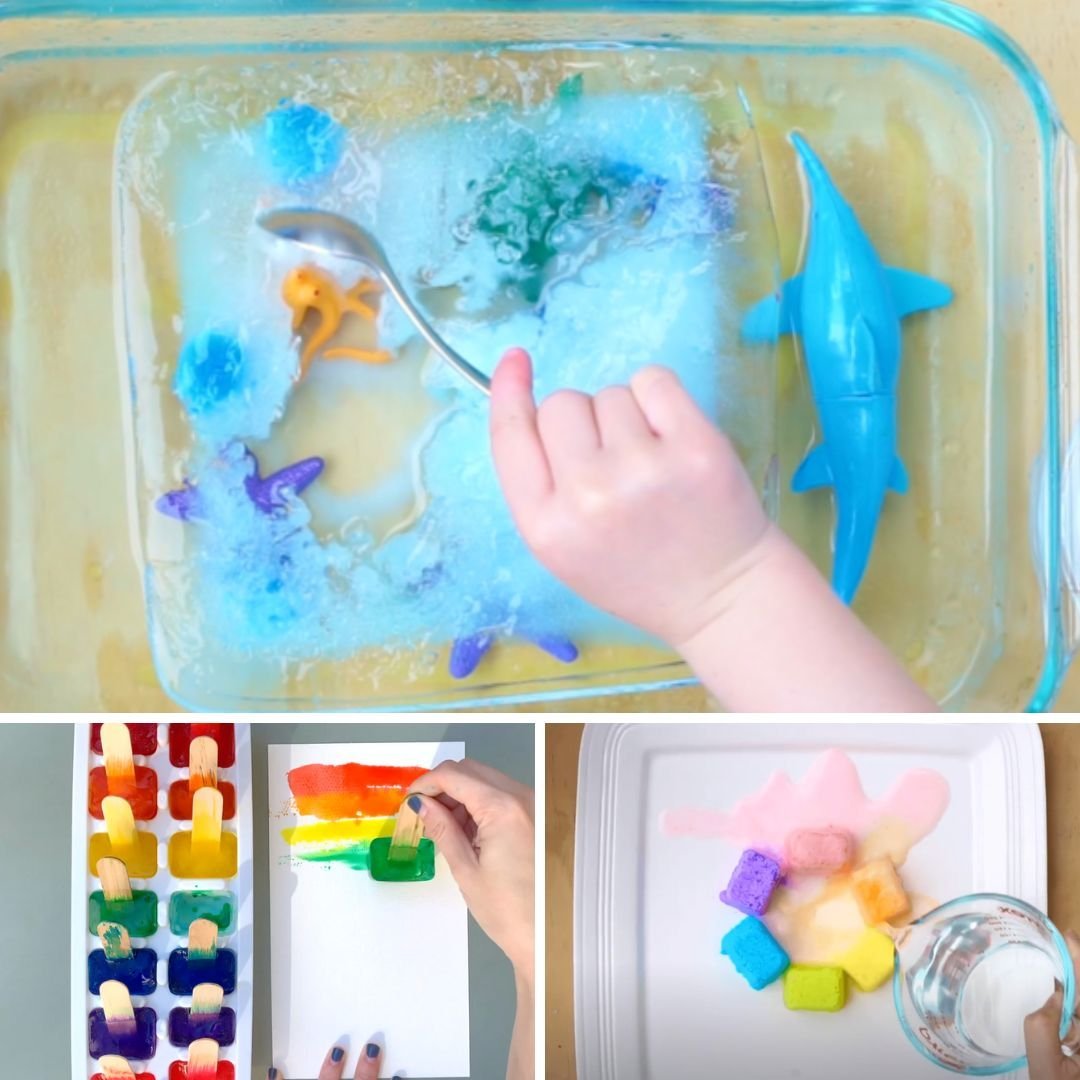
Hide small plastic animals or toys inside ice cubes using an ice tray. Provide warm water in spray bottles or small cups for children to melt the ice and free the trapped figures. This activity teaches cause-and-effect relationships as kids watch the solid transform into liquid. It also builds patience and fine motor control during the careful thawing process. -
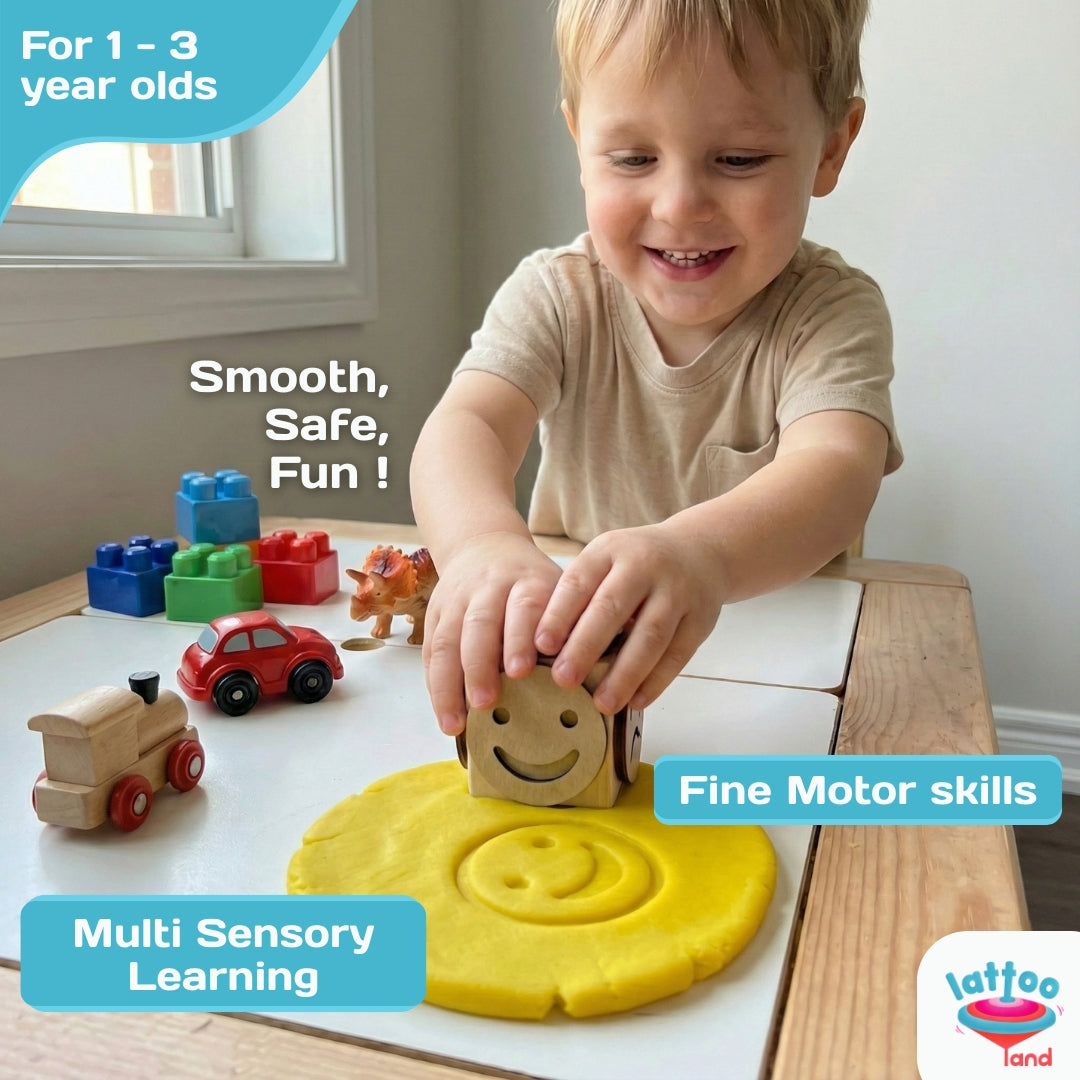
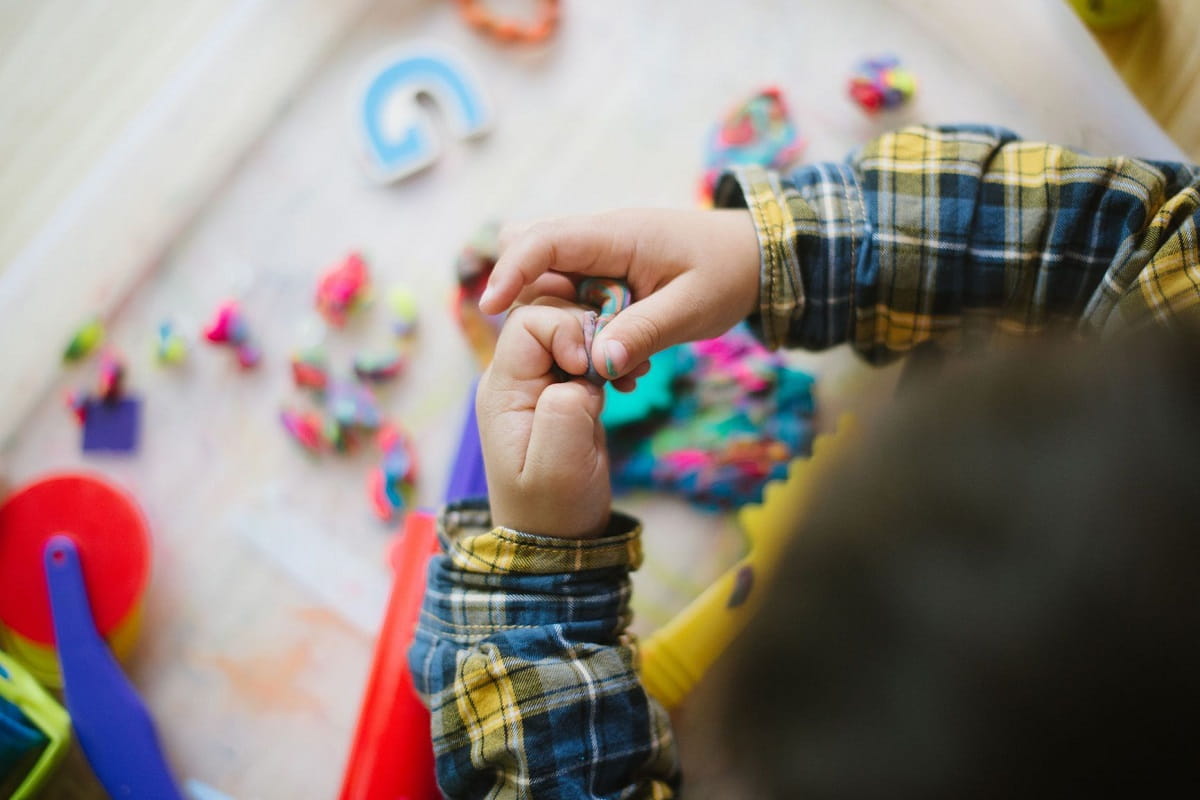
Playdough shape stamps
Roll out homemade or store-bought playdough on a flat surface. Press wooden stamps with geometric shapes or letters into the dough to create imprints. Children can then use tools to trace around the stamped edges or fill them in with markers. This combines tactile molding with early geometry recognition, reinforcing shape identification through physical manipulation and visual pattern creation. -

Sensory bottle calming jars
Fill clear plastic bottles with water, clear glue, and glitter to create visual anchors for anxious moments. The slow-falling particles mimic falling snow, offering a soothing focus point. Seal lids tightly with hot glue to prevent leaks. These DIY calming jars help children regulate emotions by providing a tangible, quiet activity that encourages deep breathing and visual tracking during stressful transitions. -
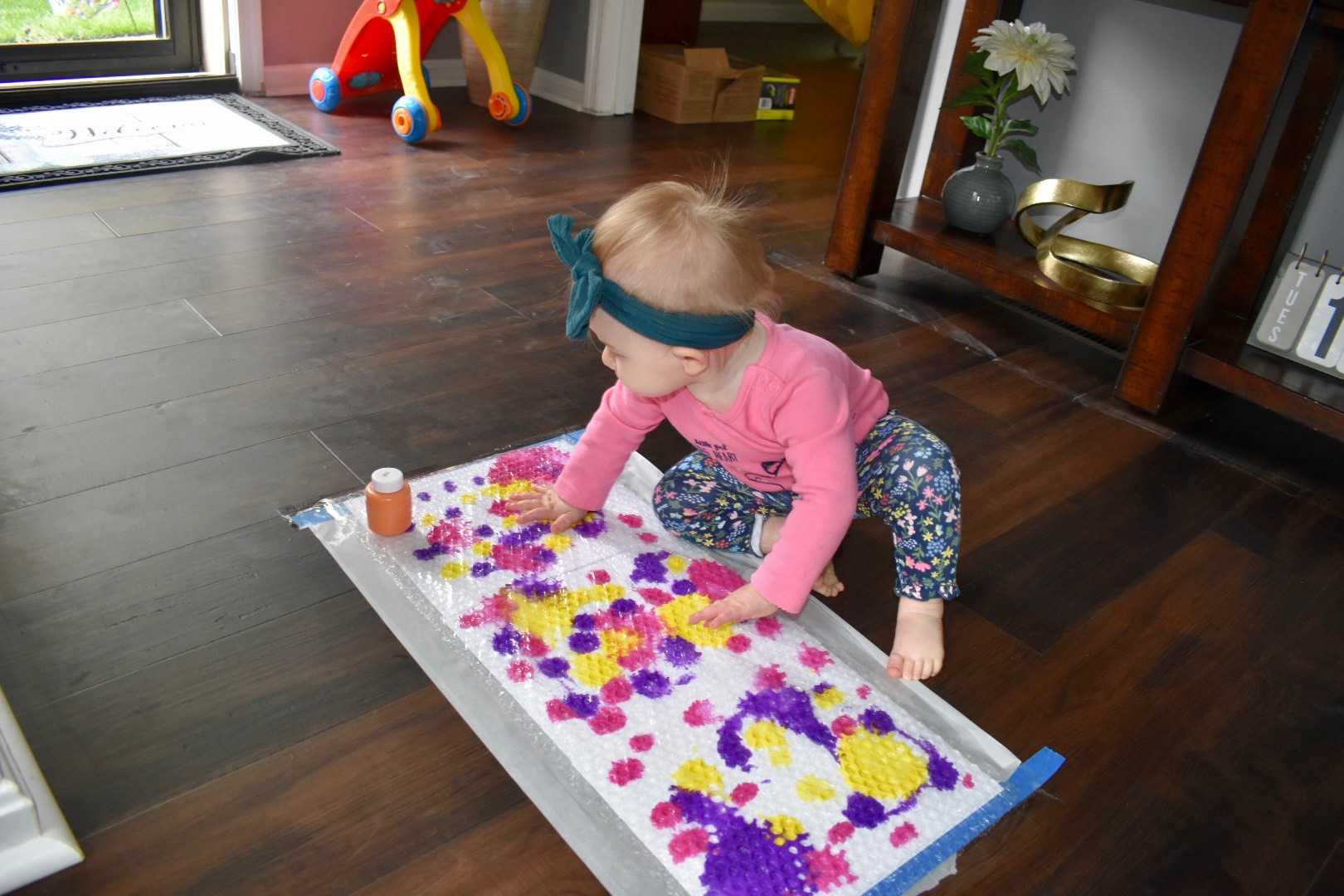
Bubble wrap painting
Lay sheets of bubble wrap bubble-side up on a table and apply washable paint with rollers or brushes. Children press their hands or feet directly onto the painted bubbles to create textured prints. This tactile experience combines auditory pops with visual patterns, encouraging fine motor control. Clean up is simple with a damp cloth, making it a low-mess creative outlet for little artists. -
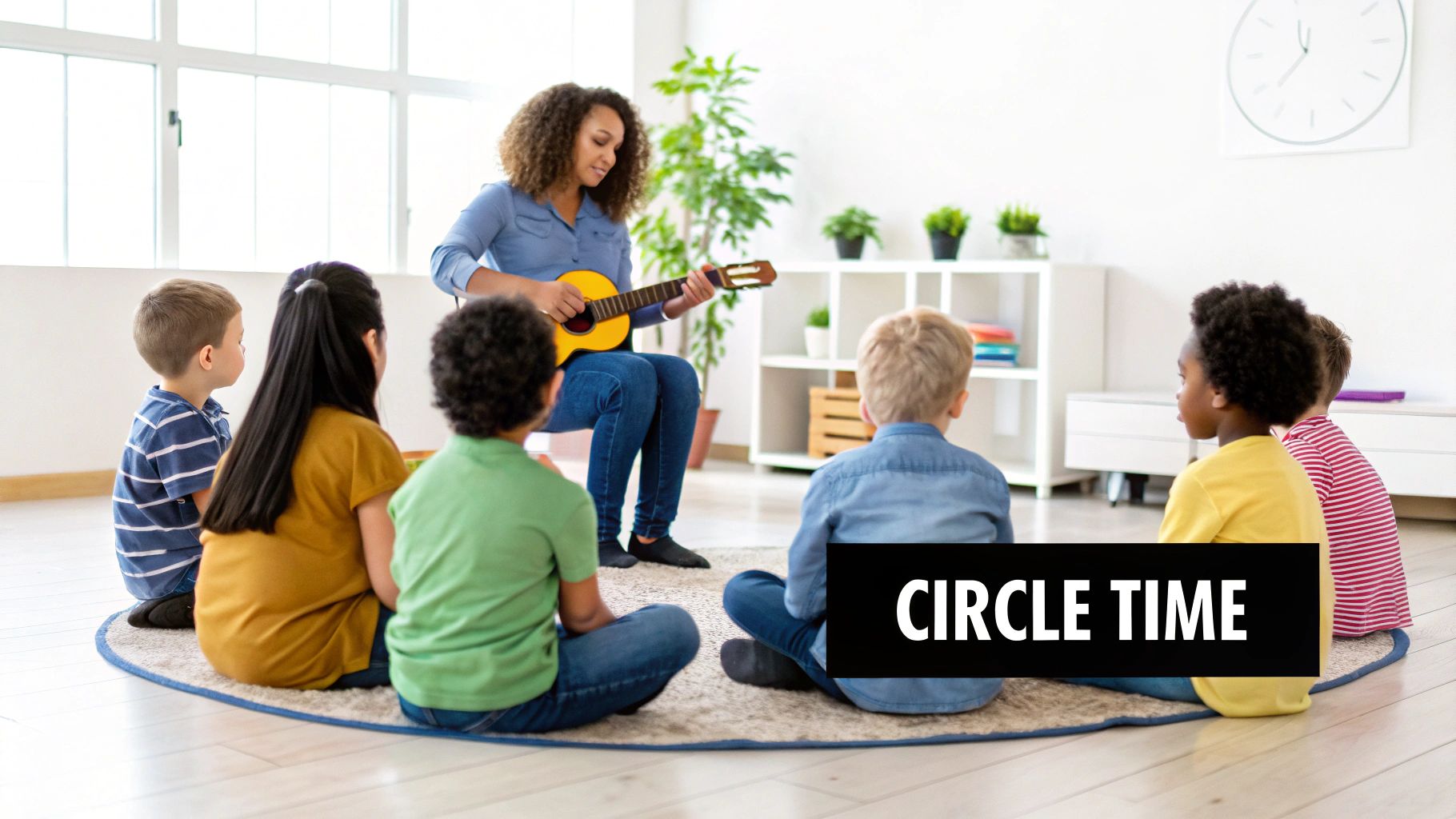
Action song movement games
Play upbeat nursery rhymes that require specific physical responses, like hopping or spinning. Use visual cue cards to demonstrate actions before singing, helping children connect auditory cues with motor planning. Activities like "Freeze Dance" teach impulse control as kids must stop moving instantly when the music pauses. This dynamic play builds gross motor skills and coordination while burning off excess energy in a structured way. -

Nature scavenger hunt
Create a simple picture-based list of outdoor items like pinecones, smooth rocks, or yellow leaves. Hand each child a small bag to collect found objects during a guided walk. This activity sharpens observational skills and connects children with natural textures and colors. Discuss findings afterward to build vocabulary. Ensure the search area is safe and free of hazardous plants or insects before starting the exploration. -
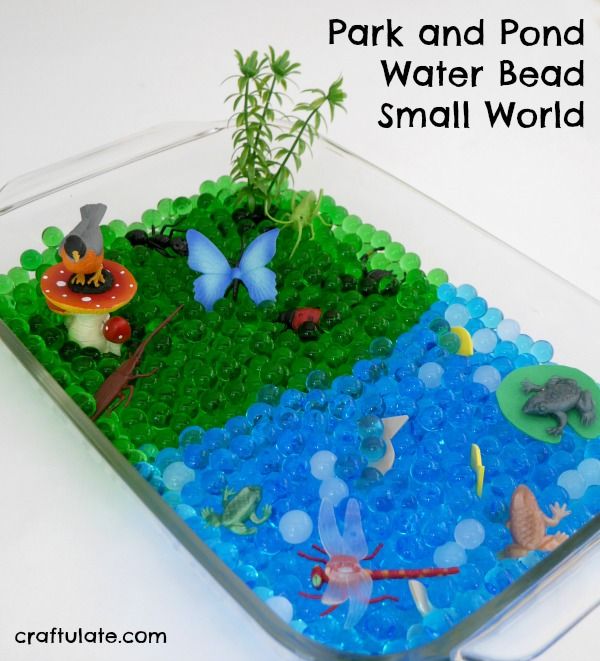
Water bead sensory tub
Soak hydrogel beads in water until they swell to the size of grapes, then place them in a shallow bin. Children scoop, pour, and squeeze the cool, slippery beads using tongs or cups. This activity enhances fine motor precision and hand-eye coordination. Always supervise closely to prevent ingestion, as these beads pose a choking hazard. Clean up by sifting beads into a sealed container for reuse.
Setup checklist for parents
Preparing the space is half the fun. A quick setup keeps the energy high and the mess manageable. Gather your materials before you call your child over. This prevents the "I need something" interruptions that break the flow of play.
Start with safety and containment. Use shallow plastic bins or baking sheets to define the play area. This makes cleanup as simple as dumping the bin into a drawer. Ensure all materials are non-toxic and free of small parts that could pose a choking hazard.
Here is a quick reference for what you need:
- Containers: Shallow bins, muffin tins, or baking sheets.
- Base materials: Rice, beans, water, or kinetic sand.
- Tools: Tongs, spoons, funnels, and droppers.
- Cleaning supplies: Paper towels, wet wipes, and a small vacuum.
Once the items are on the table, you are ready to begin. The structure helps children focus on the sensory experience rather than the logistics.
Common Questions About Safety and Cleanup
Sensory play is messy, but it doesn't have to be dangerous or overwhelming. Parents often worry about non-toxic materials and the aftermath of a play session. Here are straightforward answers to the most practical concerns.
Keeping play areas contained makes cleanup manageable. Using a large plastic bin or a designated floor mat helps limit the spread of mess. With a little preparation, sensory play remains a fun, low-stress activity for both you and your child.
Put Trending Preschool Activities into practice
No comments yet. Be the first to share your thoughts!