

5 Fall Sensory Activities for Preschoolers: Easy Crafts and Songs
Transform ordinary household items into engaging fall sensory bins and crafts that delight preschoolers. These low-cost, safe activities prioritize non-toxic materials and clear, visual steps to keep little hands busy and safe.
-

Create a leaf rubbing collage
Gather smooth, dry leaves and plain white paper. Place a leaf vein-side up under the paper, then gently rub a crayon sideways over the surface. The wax picks up the texture, revealing intricate patterns. This tactile exercise strengthens fine motor muscles needed for writing. Ensure leaves are clean and free of sap to keep hands sticky-free during this simple, low-cost artistic exploration. -
Mix a crunchy oat sensory bin
Fill a shallow bin with dry rolled oats for a safe, chew-resistant texture. Add wooden spoons and large cups for scooping practice. The soft crunch provides gentle auditory feedback without choking risks. Encourage children to sift and pour, exploring volume and weight. This household-item activity promotes open-ended play while keeping mess contained and materials non-toxic for little hands. -
Make homemade playdough pumpkins
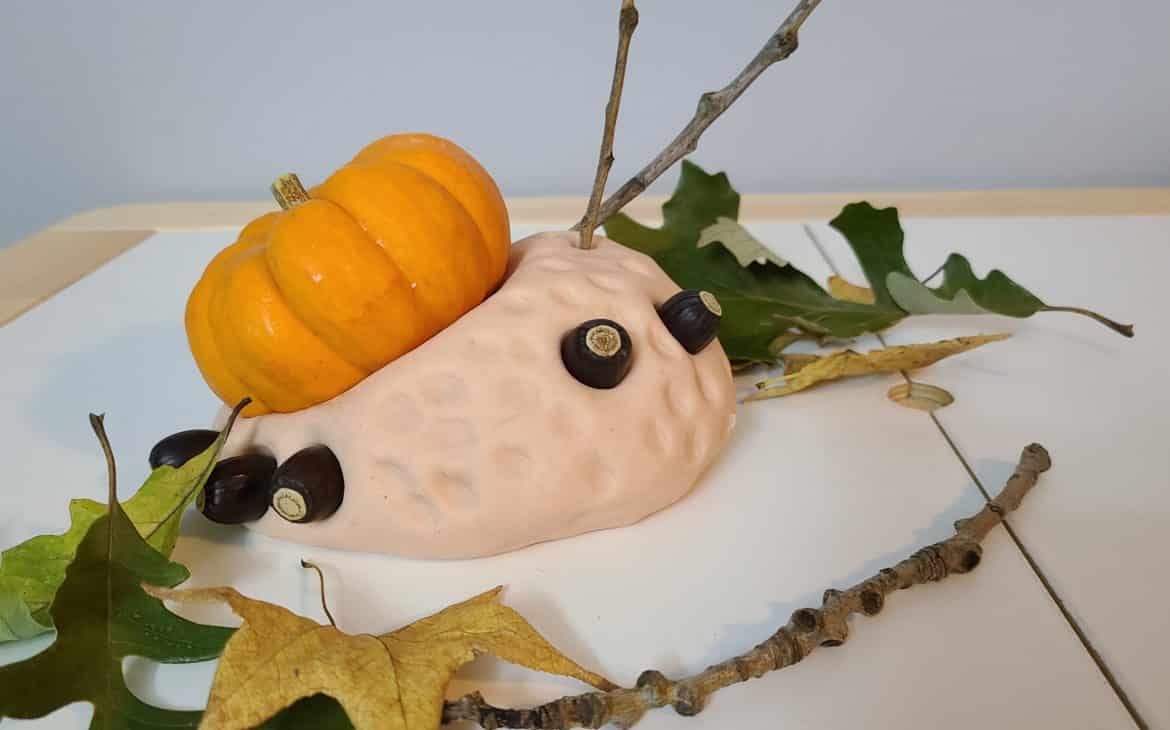
Combine flour, salt, water, and orange food coloring to create soft, pliable dough. Knead until smooth, then let children shape small pumpkin forms. Add pipe cleaners for stems to enhance fine motor control. This scented, edible-safe mixture (if monitored) offers a safe sensory experience. The warm orange hue captures autumn spirit while building hand strength through repetitive squeezing and rolling motions. -

Sing simple autumn movement songs
Play upbeat, rhythmic tracks like "The Leaves Are Falling Down" to encourage gross motor movement. Guide children to stomp feet like crunching leaves or sway arms like blowing wind. Music naturally motivates physical activity, helping burn energy. Keep lyrics repetitive and actions simple so three-year-olds can easily mimic movements. This auditory-kinesthetic link supports cognitive development through joyful, active participation in seasonal themes. -
Sort pinecones by size and color
Collect fallen pinecones from safe, pesticide-free areas. Rinse and dry them thoroughly to remove insects. Provide two baskets, labeling one for large and one for small, or separate by color tones. Children practice classification skills while handling natural textures. Supervise closely to prevent mouth exploration. This quiet, focused task enhances observational skills and introduces basic mathematical concepts like comparison and grouping through tangible, real-world objects.
Welcome fall with sensory play
Autumn changes the world outside your window, and sensory play brings those changes into your home. Fall offers natural textures, colors, and sounds that preschoolers can touch, smell, and hear. Using seasonal items like dry leaves, pinecones, and apples turns ordinary moments into learning experiences.
Sensory play is more than just fun. It helps young children build fine motor skills, practice problem-solving, and explore cause and effect. When kids squish, pour, or sort, they are learning the basics of science and math through their hands. This type of play supports brain development in a way that screens or passive toys cannot.
You do not need expensive kits to get started. Most materials are already in your kitchen or backyard. The goal is simple exploration, not a perfect craft project. As you set up these activities, remember to supervise closely. Small items like dried beans or pine needles can be choking hazards for children under three.
The activities below use household items you likely have on hand. They are designed to be low-prep for you and high-engagement for your child. Each activity focuses on one or two senses, making it easy to match your child’s interests.
Questions About Fall Learning
Parents often worry about keeping little ones safe and engaged during autumn activities. Here are answers to common questions about fall sensory play, age appropriateness, and material sourcing.
Prepare your fall activity kit
Gather these household items before you start. Keeping everything in one bin saves time and keeps little hands safe.
- Natural finds: Dry leaves, pinecones, and acorns. Inspect pinecones closely; remove any with tiny holes to avoid bugs.
- Kitchen staples: Rolled oats, cornmeal, or dried beans. Use oats or cornmeal for younger children to prevent choking.
- Craft supplies: Washable crayons, glue sticks, and large sheets of paper.
- Playdough base: Flour, salt, water, and cream of tartar. Store in airtight containers.
Most items come from your pantry or a walk outside. If you run low on oats, dried rice works just as well for sensory bins.
Put 5 Sensory Play Ideas for Fall into practice
No comments yet. Be the first to share your thoughts!