
Start with simple science and math
STEM preschool activities don't require expensive kits or a lab coat. They rely on curiosity and the household items you already own. A cardboard box becomes a bridge for engineering; a bowl of water teaches density. The goal is to let children explore how things work through play.
Research from the National Association for the Education of Young Children supports this approach. When learning feels like discovery rather than instruction, retention improves. You are building foundational thinking skills, not just teaching facts.
Every activity below follows a simple structure: observe, test, and discuss. We focus on the hands-on process so you can see exactly how to guide a child through the experiment. No special tools needed.
15 Hands-On STEM Preschool Activities for 2026
Transform abstract concepts into tangible learning with these 15 hands-on STEM activities designed specifically for preschoolers. Each guide breaks down the process into clear, visual steps, empowering parents and educators to facilitate discovery through play.
-

Build a rainbow density tower
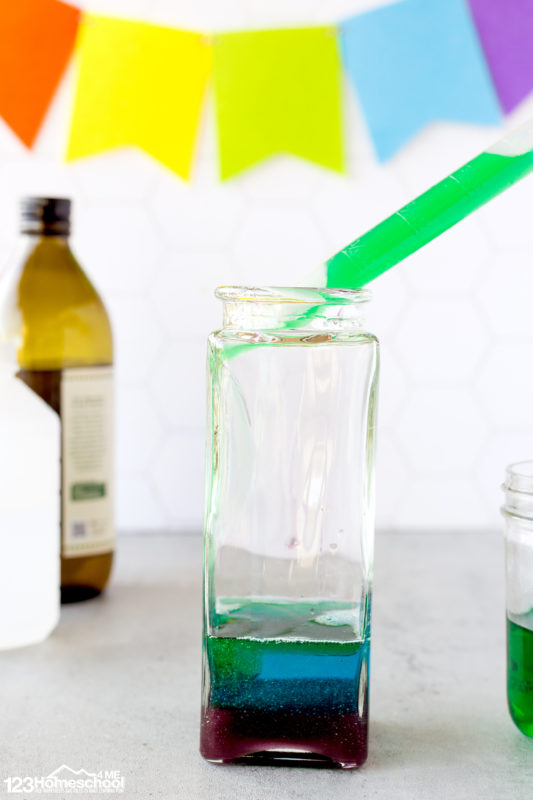
Layer honey, dish soap, water, oil, and rubbing alcohol in a clear glass to demonstrate density. Pour each liquid slowly down the side of the glass to prevent mixing. Watch as the liquids separate into distinct colorful bands based on their weight. This visual experiment helps preschoolers understand that heavier liquids sink while lighter ones float, creating a vibrant science tower. -

Create a baking soda volcano
Shape a small mound of playdough into a volcano cone and place a plastic cup inside the crater. Add two tablespoons of baking soda and a few drops of red food coloring. Pour in vinegar mixed with dish soap to trigger a foamy eruption. This classic reaction teaches chemical changes while providing messy, exciting sensory play that captivates young learners immediately. -

Sort objects by color and size
Gather a bowl of mixed buttons, pom-poms, or large beads. Provide separate containers labeled with color swatches or size categories. Guide children to pick up each item and place it in the correct bin. This tactile sorting activity strengthens fine motor skills and introduces foundational classification concepts used in mathematics and logical reasoning. -
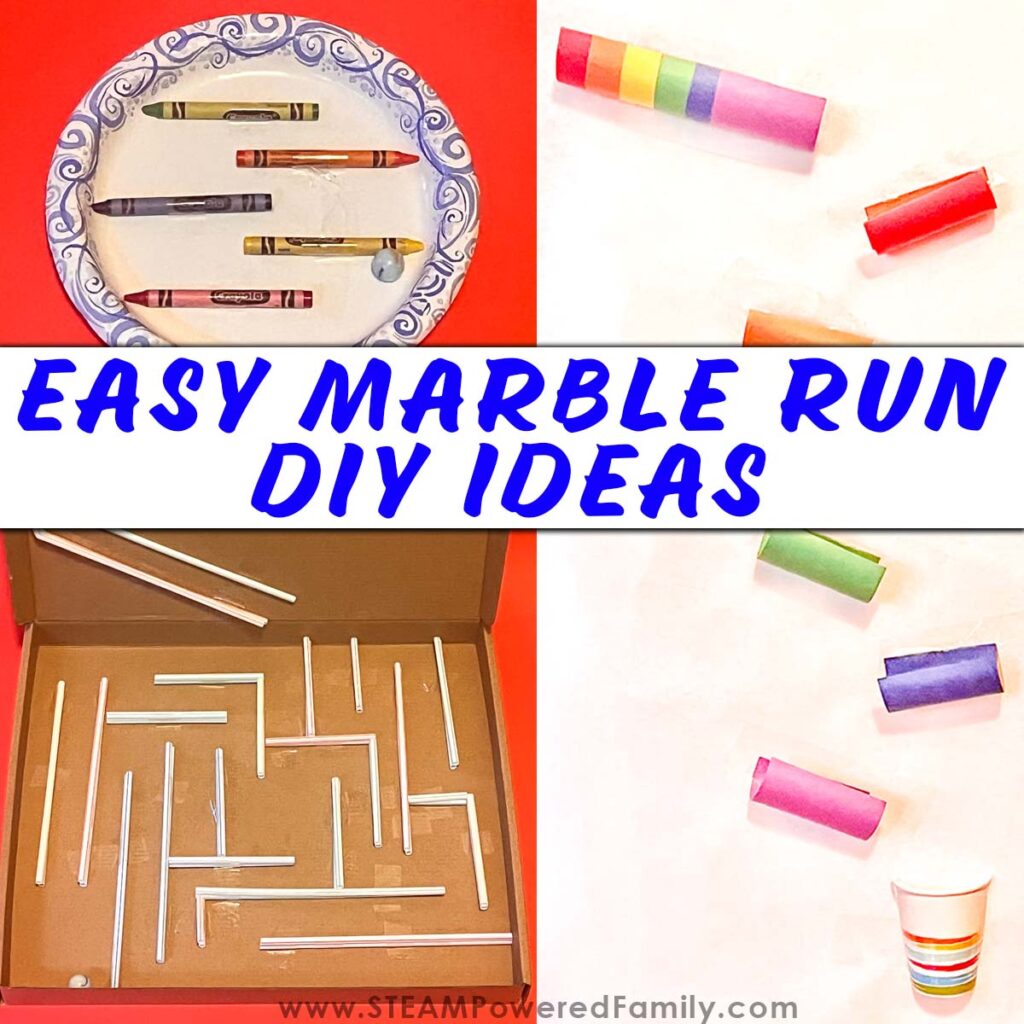
Build a marble run with tubes
Cut cardboard toilet paper rolls into varying lengths and tape them to a wall or large board. Create a zigzag path by connecting the tubes at different angles. Drop a marble from the top and watch it follow the course. Adjust the slope and connections to see how gravity and angle affect the marble’s speed and trajectory. -
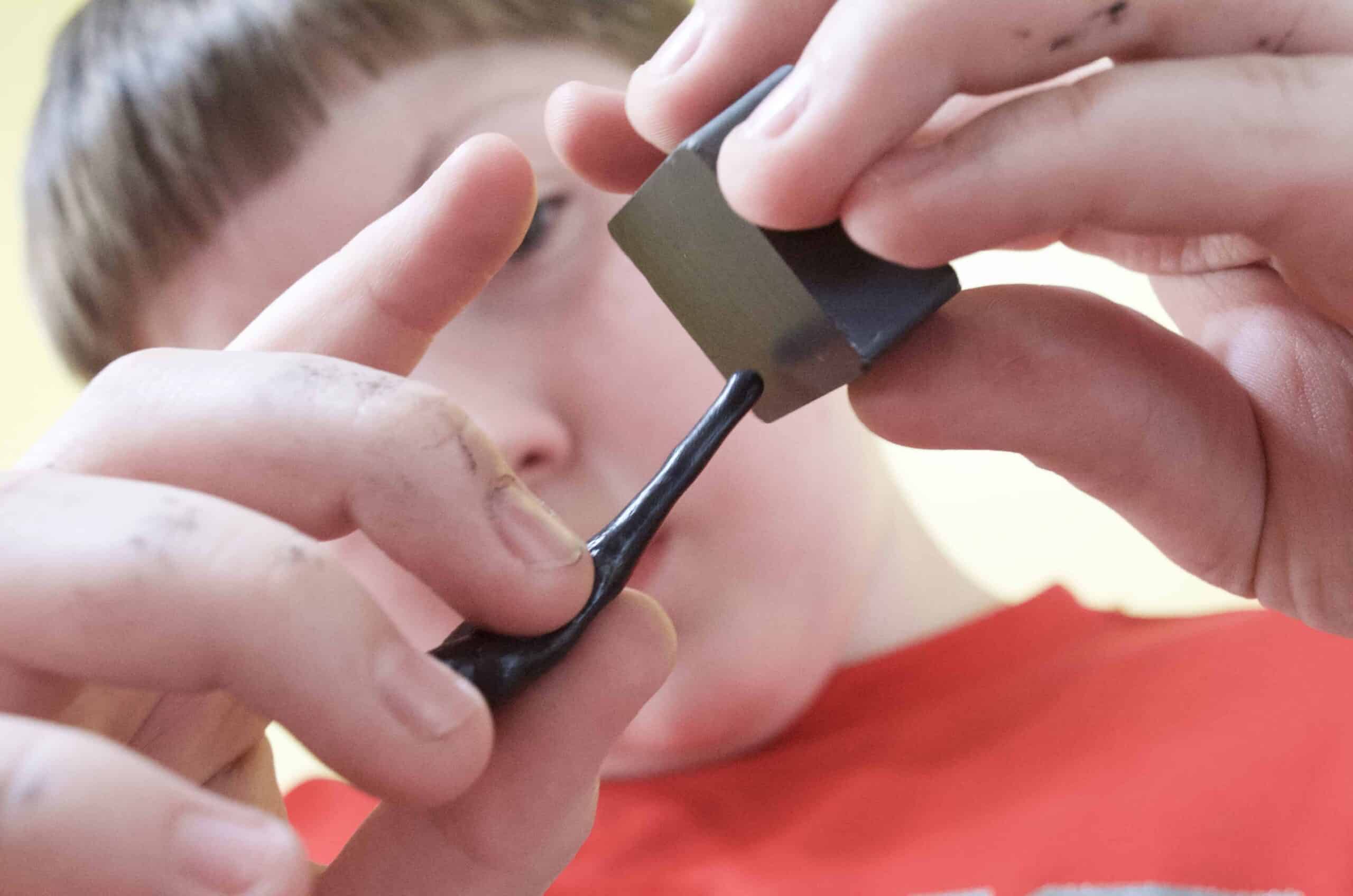
Make magnetic slime at home
Mix white glue with iron filings or black iron oxide powder in a bowl. Add a small amount of borax solution to activate the slime texture. Use a strong magnet to manipulate the slime from outside the container, making it stretch and twist toward the magnetic field. This hands-on activity demonstrates invisible magnetic forces in a fun, tactile way. -
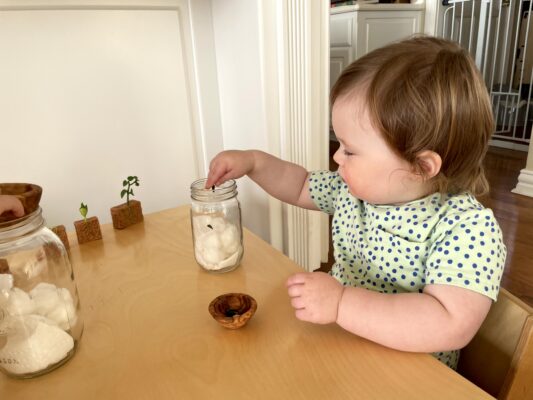
Grow beans in a jar
Line a clear glass jar with paper towels and tuck three dried kidney beans between the glass and the damp fabric. Keep the towels moist but not soaked, watching daily as roots push down and sprouts reach up. This simple setup turns a kitchen staple into a living science lab, teaching patience and observing germination without any messy soil or complex tools. -
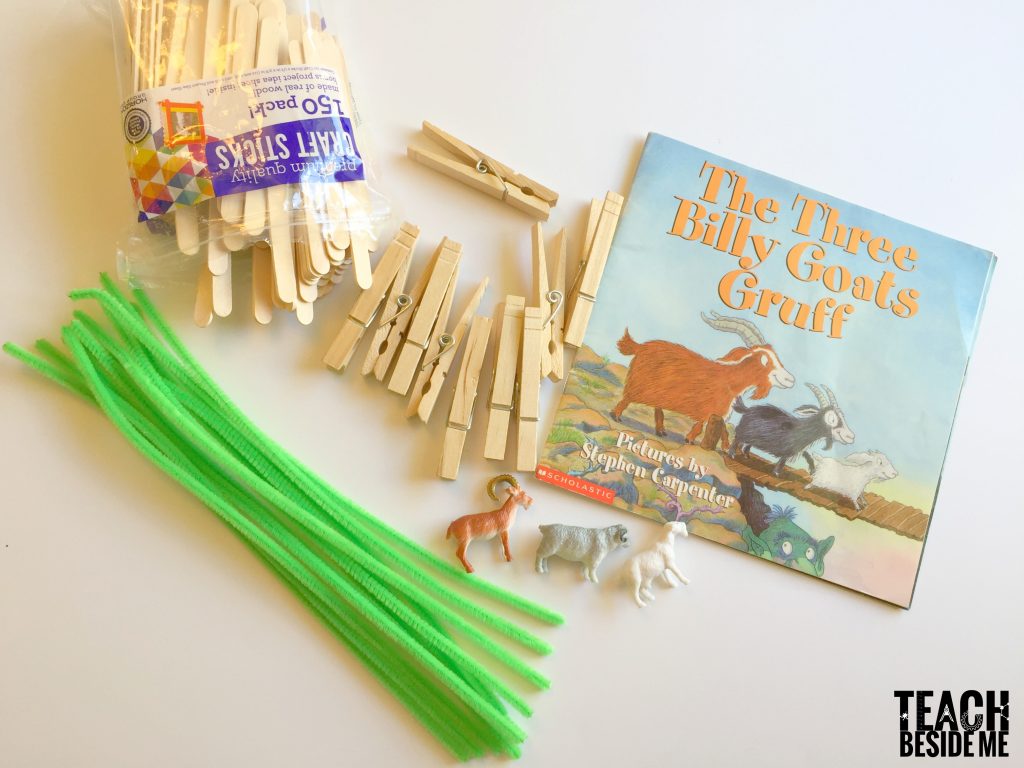
Construct a bridge from sticks
Gather twigs from the yard and use washers or clay as connectors to span a small gap between two chairs. Challenge children to test weight capacity by placing blocks on the structure. This tactile engineering task introduces basic physics concepts like tension and support, encouraging trial-and-error problem-solving as they redesign their spans for greater stability. -

Explore shadows with flashlights
Dim the room lights and shine a flashlight against a white wall, holding various textured objects between the beam and the surface. Ask children to predict how the shadow changes when they move the object closer or farther away. This hands-on experiment visualizes light behavior, helping preschoolers understand the relationship between object size, distance, and shadow shape. -
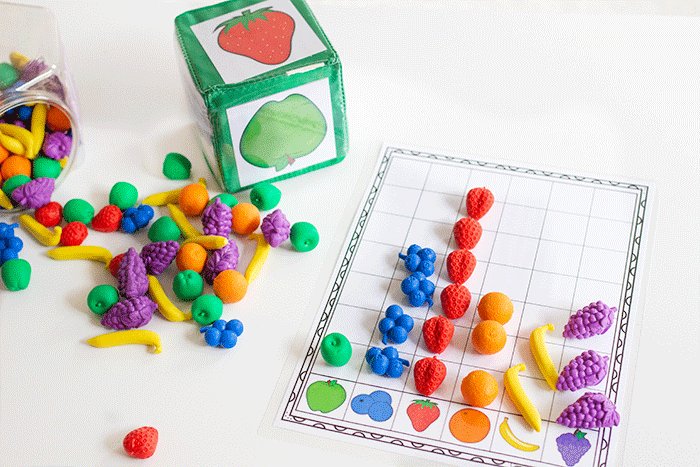
Count and graph favorite fruits
Collect small fruit slices or plastic fruit toys and ask each child to vote for their favorite. Use sticky notes or magnets to place their choice on a simple bar graph drawn on paper. This activity combines counting skills with data visualization, turning abstract numbers into tangible columns and introducing early statistical thinking through playful, edible data. -
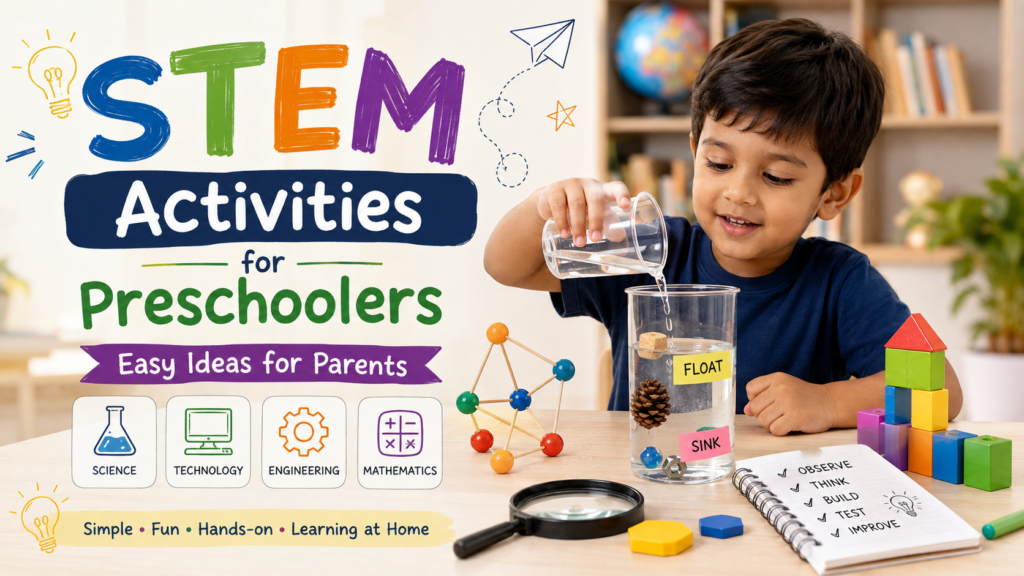
Test which objects float or sink
Fill a large basin with water and gather smooth stones, plastic toys, and cork pieces. Before dropping each item in, have children guess the outcome, then observe the result. This classic buoyancy experiment makes physics visible, allowing kids to categorize objects by density and understand why some materials displace enough water to stay afloat while others sink. -
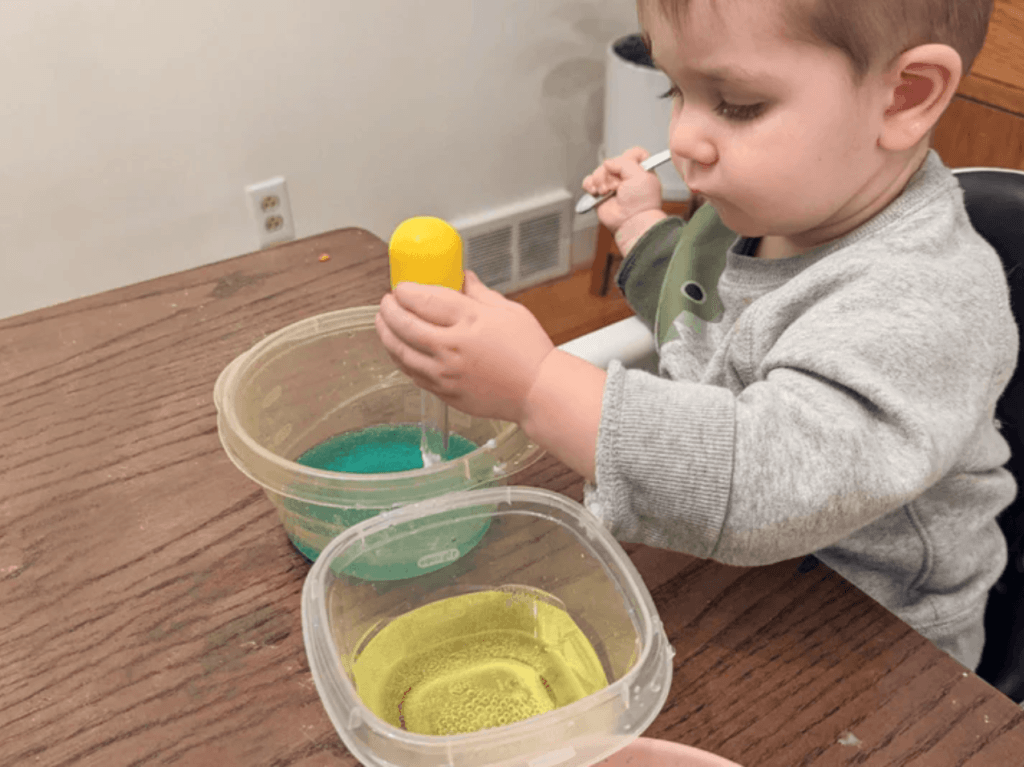
Mix primary colors for new hues
Set out red, yellow, and blue paints alongside clear cups of water. Invite your child to mix two primary colors to discover secondary hues like orange or green. This tactile experiment teaches color theory through direct observation. Encourage them to predict outcomes before stirring, turning a simple art session into a foundational chemistry lesson about light and pigment interaction. -
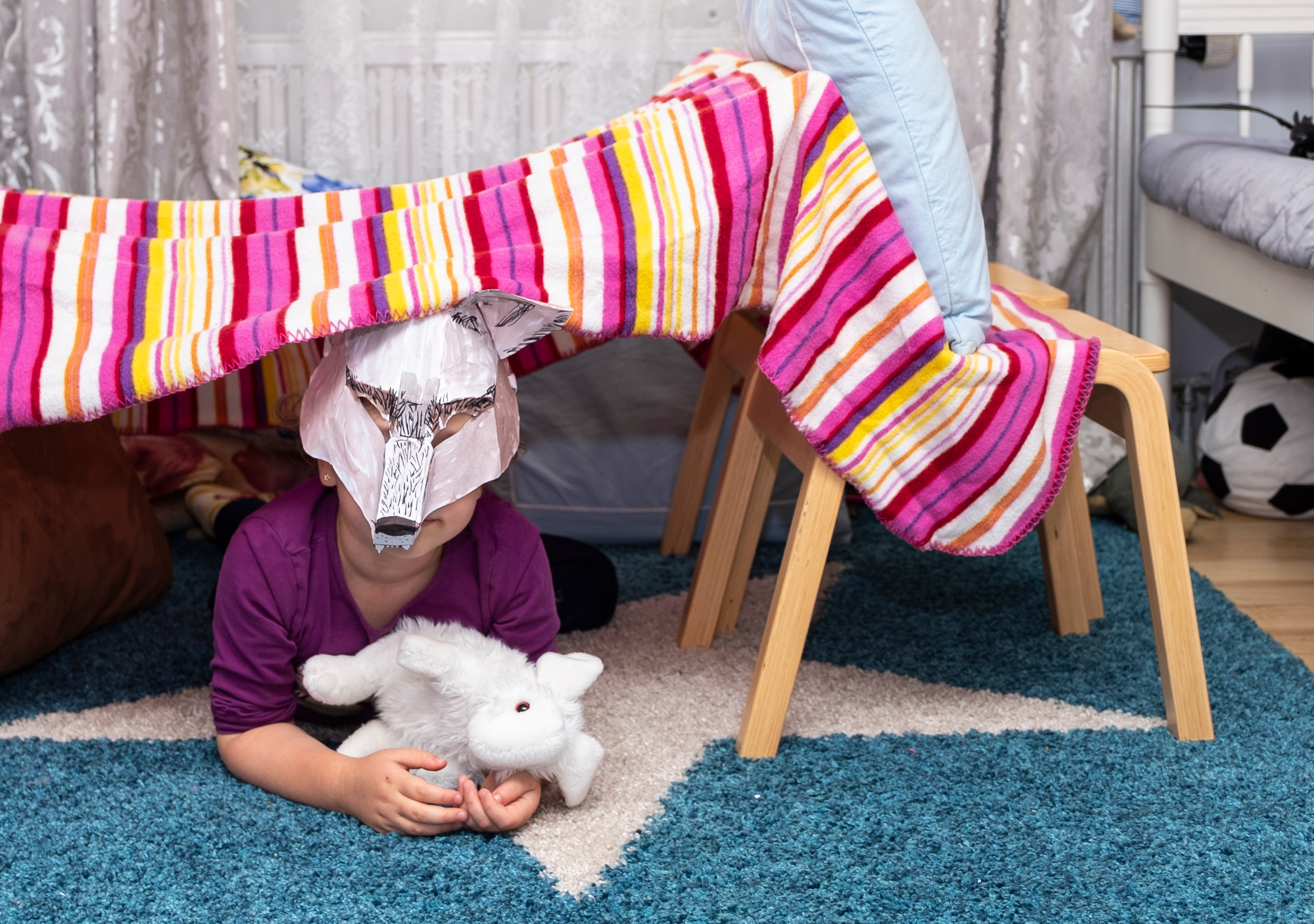
Build a fort with cushions
Gather large floor cushions, blankets, and sturdy chairs to construct an enclosed space. This activity explores structural engineering principles like balance and tension. Ask your child to test stability by gently pushing walls. The resulting den provides a cozy reading nook, reinforcing spatial awareness and cooperative problem-solving as they negotiate design choices together. -
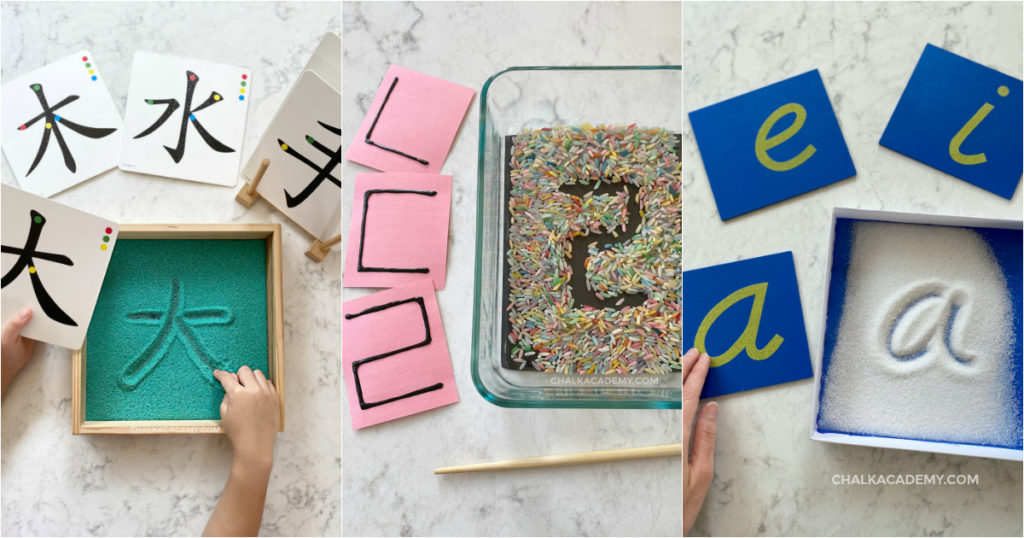
Trace letters in sand or salt
Fill a shallow tray with fine sand or table salt. Guide your child’s finger to trace uppercase letters slowly, feeling the resistance of the grains. This multisensory approach strengthens fine motor skills and letter recognition without the pressure of pen and paper. The tactile feedback helps cement neural pathways for early literacy development. -
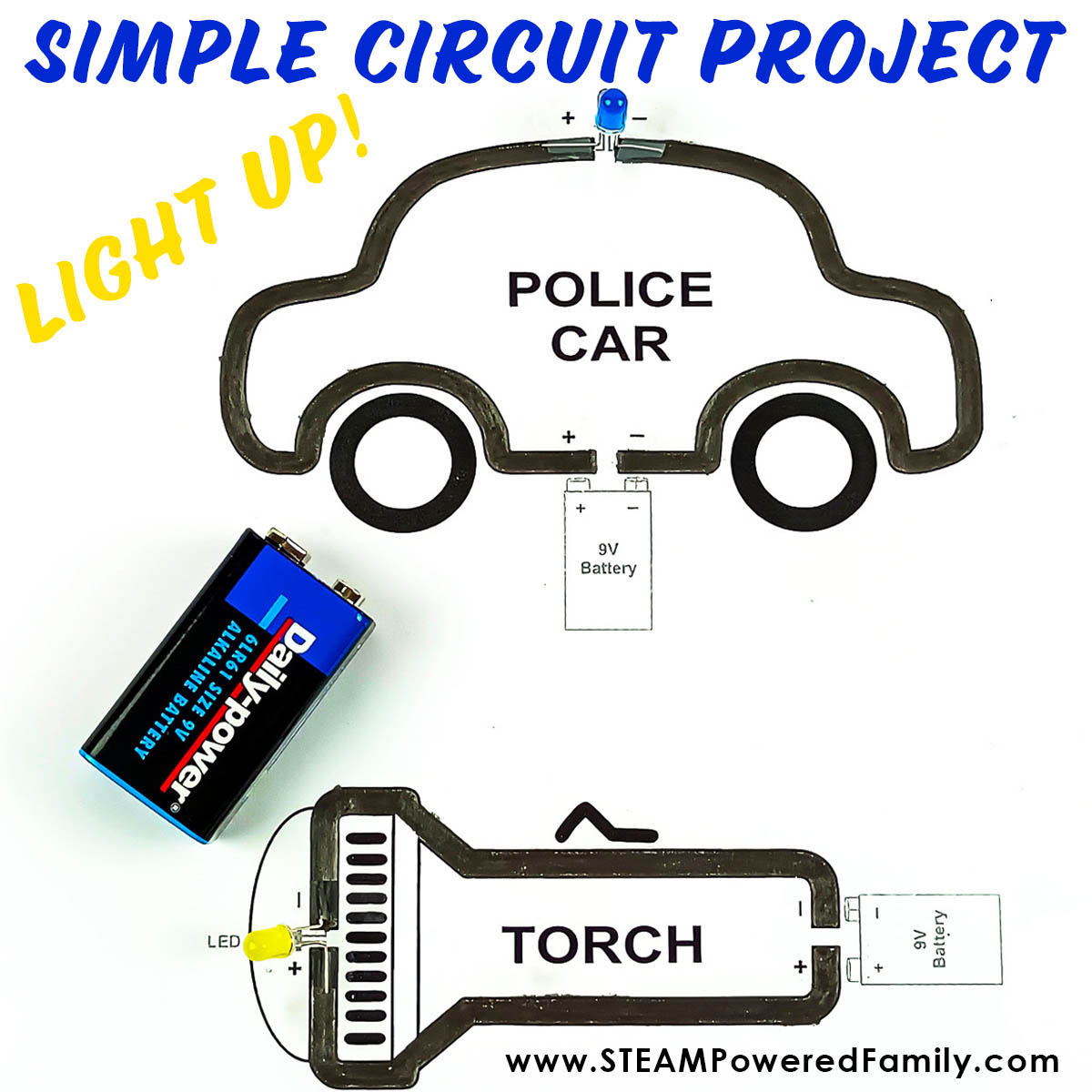
Create a simple circuit with a battery
Use a single AA battery, a small LED bulb, and a piece of copper wire. Connect the wire from the battery’s negative terminal to the bulb’s base, then touch the other end to the positive terminal. The light illuminates, demonstrating a closed electrical loop. This hands-on demo makes abstract physics concepts tangible and visible for young learners. -

Observe insects with a magnifying glass
Take a sturdy magnifying glass outside to a garden or park. Encourage children to locate small bugs on leaves or soil, examining their legs and wings up close. This activity fosters scientific observation skills and respect for nature. Discuss how different insects move or hide, turning a casual walk into an engaging field study of local biodiversity.
Common questions about preschool STEM
Parents often ask how to turn everyday moments into learning opportunities without buying expensive kits. The answer lies in using household items for sensory exploration and simple building tasks. You do not need specialized tools to teach early engineering or math concepts; a box of blocks or a bowl of water is sufficient.
Below are answers to frequent questions about integrating these activities into your daily routine.
These questions highlight that preschool STEM is less about formal lessons and more about guided curiosity. By focusing on the process rather than the product, you help children build a foundation for lifelong learning.
Preschool STEM activity checklist
Start every hands-on session with a quick material sweep. Having supplies ready reduces setup time and keeps little hands focused on the science rather than hunting for pieces. Group these common items in a clear bin or drawer so they are easy to grab for any of the 15 activities.
- Building blocks: Snap cubes, wooden blocks, or large LEGOs for engineering and counting.
- Sensory bases: Play-dough, kinetic sand, or water beads for tactile exploration.
- Measuring tools: Tape measures, kitchen scales, or clear jars for volume and weight.
- Art supplies: Paper, crayons, and non-toxic glue for documenting observations.
- Natural items: Sticks, leaves, or rocks for outdoor sorting and pattern making.
Sort your supplies into bins labeled "Building," "Sensory," and "Measuring." This visual organization helps children find what they need independently.
Inspect small parts like snap cubes or marbles for cracks. Ensure all materials are age-appropriate and free of sharp edges.
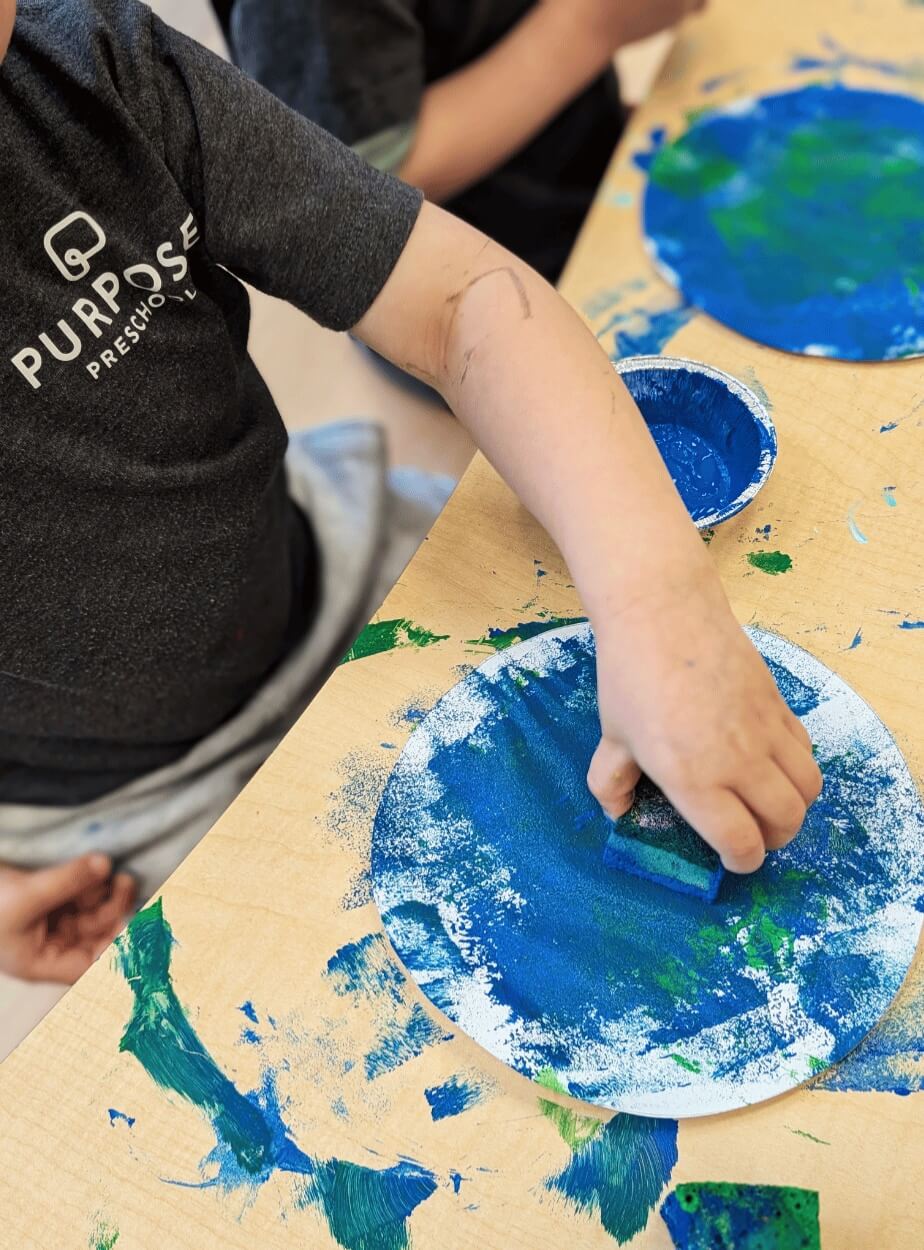
Lay out a washable mat or tray. Place only the items needed for the current activity to minimize distractions and clutter.
No comments yet. Be the first to share your thoughts!