

Start with preschool activities
Sensory bins and STEM crafts offer more than just quiet time for toddlers and preschoolers. They are hands-on tools that build fine motor control, early math concepts, and problem-solving skills. We selected these ten activities based on educational value, ease of setup, and the ability to grow with your child’s development.
Each item balances fun with learning. The list includes low-cost sensory bins using household items and structured STEM crafts that introduce basic engineering principles. We prioritized projects that use safe, accessible materials and avoid small parts that might pose a choking hazard. The goal is to provide activities that keep children engaged while quietly reinforcing early childhood milestones.
10 Sensory Bins & STEM Crafts for Preschoolers in 2026: Engaging Learning Activities
These 10 sensory bins and STEM crafts blend tactile play with early engineering concepts, designed specifically for preschoolers in 2026. Each item includes concrete material lists and step-by-step setup guides to ensure safe, hands-on learning without the guesswork.
1. Kinetic Sand Castle Building Kit
This kit transforms messy play into structured engineering by providing 2.5 pounds of moldable sand that holds intricate shapes without sticking to hands. It encourages fine motor development and spatial reasoning as children sculpt towers and walls. The contained nature of the sand makes cleanup effortless, allowing for repeated construction sessions that build confidence and tactile sensitivity in a controlled environment.

2. Magnetic Tiles Pattern Matching Set
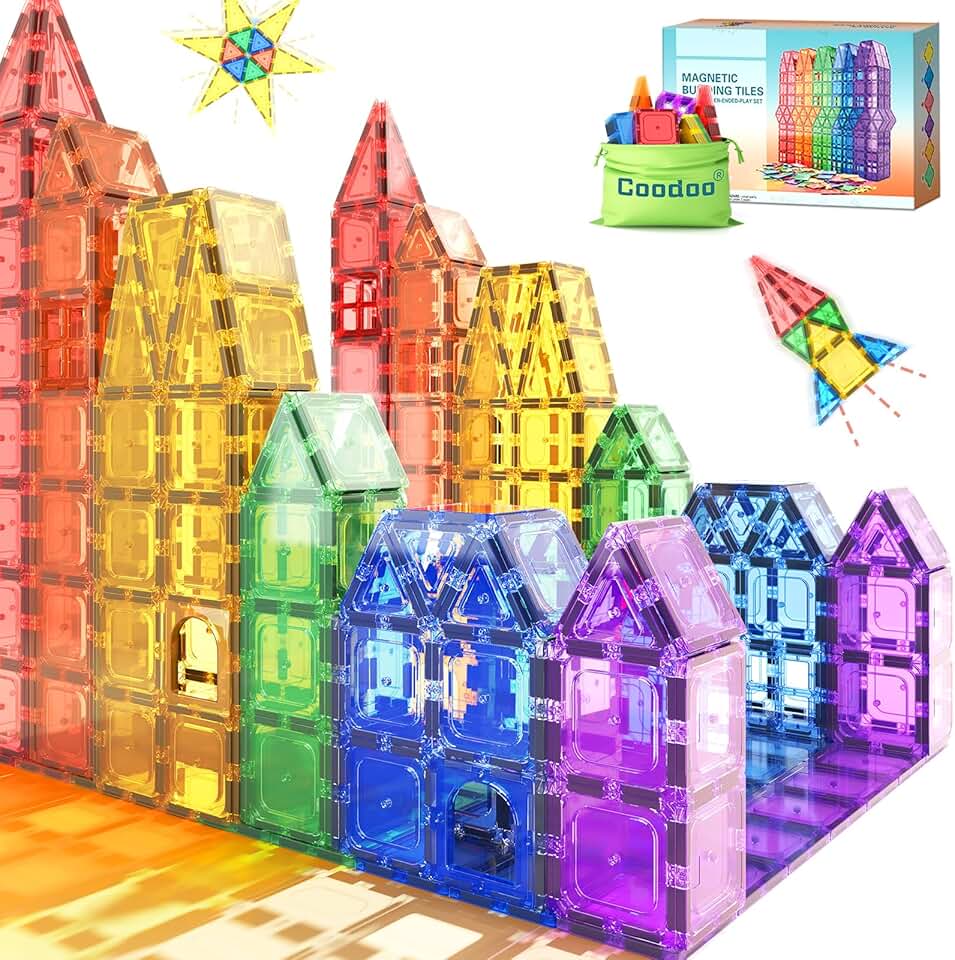
Magnetic tiles offer immediate visual feedback, helping preschoolers grasp basic geometry and symmetry through hands-on manipulation. This set supports pattern recognition and early engineering concepts as children connect shapes to form stable structures. The magnetic connection provides satisfying tactile resistance, reinforcing cause-and-effect understanding while promoting collaborative play and shared problem-solving among peers.

3. Water Bead Sensory Tub
Water beads provide a unique, cool-to-the-touch sensory experience that stimulates nerve endings and promotes hand-eye coordination. Children practice scooping, pouring, and sorting these translucent spheres, which enhances grip strength and dexterity. The visual appeal of the beads captures attention, encouraging prolonged engagement and mindful observation of texture changes as the beads expand or contract with moisture.

4. Ice Cube Tray Color Mixing
Using ice cube trays for color mixing introduces basic chemistry concepts through simple, safe experiments. Preschoolers combine primary colors to discover secondary hues, fostering curiosity and scientific inquiry. This activity requires precise pouring and observation skills, helping children understand volume and transformation. The structured format of the tray guides their focus, making abstract color theory tangible and memorable through direct manipulation.

5. Playdough Measurement Scoop Set
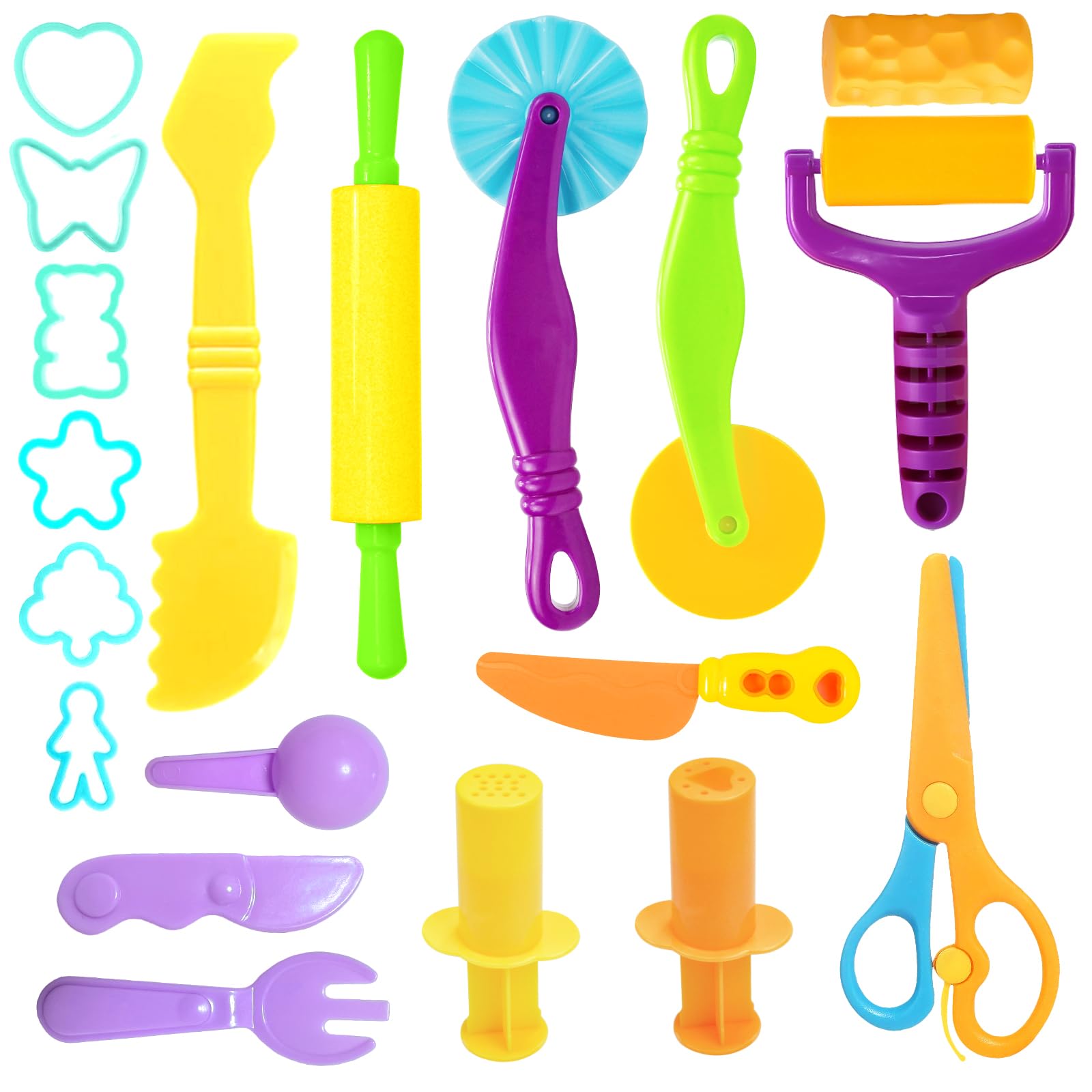
This set combines tactile play with early math skills by allowing children to measure and compare playdough quantities. Using standardized scoops helps them understand concepts like more, less, and equal through physical manipulation. The activity strengthens hand muscles necessary for writing while introducing foundational measurement principles. It transforms abstract numerical ideas into concrete, sensory experiences that are easy for young learners to grasp.
6. Rainbow Rice Sorting Jars
Brightly dyed rice offers a vibrant visual and tactile experience that doubles as a fine motor exercise. Children use funnels or small cups to transfer colored grains between clear jars, reinforcing color recognition and hand-eye coordination. The loose texture provides satisfying sensory feedback while encouraging focused, independent play.

7. Foam Shape Stacking Tower
Soft foam shapes eliminate the frustration of wobbly blocks while introducing basic geometry concepts. Kids stack large, colorful geometric pieces to build tall towers, learning about balance and spatial relationships. The lightweight material is safe for little hands and easy to clean, making it ideal for rapid, repetitive building sessions.

8. Scented Dough Herb Garden
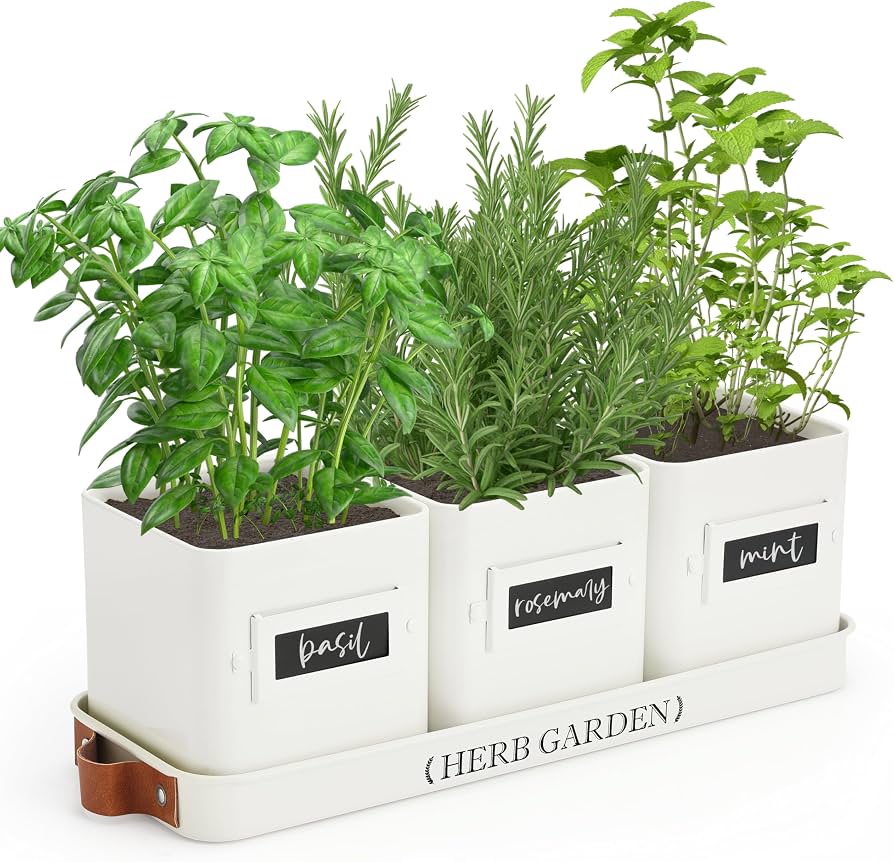
This activity combines tactile dough play with aromatic discovery. Mix natural herbs like mint or basil into playdough to create a fragrant sensory experience. Children mold the scented dough around small plastic plants, engaging their sense of smell alongside touch. It’s a calming, earthy activity that introduces botanical concepts.
9. Pom Pom Tongs Sorting Game
Using kitchen tongs to pick up colorful pom poms strengthens the pincer grasp essential for writing. Sort the fluffy balls into colored bowls or muffin tins for a game that blends fine motor practice with color matching. The soft texture is gentle on fingers, reducing frustration during skill-building exercises.

10. Mystery Box Texture Guessing
A simple box with a hole cut in the side becomes a guessing game for tactile exploration. Place objects with distinct textures—like sandpaper, cotton, or pinecones—inside for children to identify by touch alone. This blindfold-friendly activity sharpens sensory perception and descriptive language skills without relying on visual cues.

Pick the right fit
Sensory bins and STEM crafts for preschoolers are not one-size-fits-all. Some activities focus on fine motor skills, while others introduce early engineering concepts. Choosing the right materials depends on your child’s current interests and your available cleanup time.
Check the age range
Preschoolers range from three to five years old. A bin designed for toddlers with large beads may frustrate a five-year-old, while complex STEM kits might overwhelm a three-year-old. Look for products labeled for ages 3-5 to ensure the pieces are safe yet challenging enough to hold attention.
Consider cleanup and mess
Water-based sensory bins are messy but excellent for cooling off. Dry materials like rice, beans, or kinetic sand are easier to manage indoors. If you are short on time, opt for closed-system STEM crafts that require minimal loose parts. The goal is engagement, not a spotless living room.
Match the learning goal
Identify what skill you want to develop. Need to improve handwriting? Choose tweezers and pom-pom bins. Want to teach basic physics? Opt for simple pulley or balance kits. Aligning the activity with a specific outcome makes play more purposeful without feeling like schoolwork.


As an Amazon Associate, we may earn from qualifying purchases.
No comments yet. Be the first to share your thoughts!