

Why the 2026 Preschool Playbook matters
Early childhood education has shifted away from rigid worksheets toward active, hands-on discovery. In 2026, the most effective way to introduce STEM concepts to young children is through play. This approach transforms abstract ideas like gravity, chemistry, and engineering into tangible experiences that preschoolers can touch, mix, and build.
The Preschool Playbook serves as a curated guide for this transition. It bridges the gap between educational theory and the classroom or living room floor. Instead of searching for scattered resources, parents and educators can rely on a structured collection of sensory songs and crafts designed to spark curiosity.
This guide focuses on concrete tools and activities rather than abstract categories. By highlighting specific products and proven methods, it ensures that every craft and song serves a clear educational purpose. The result is a playful, engaging environment where young minds naturally begin to understand the world around them.
10 Trending STEM Crafts & Sensory Songs
The 2026 Preschool Playbook highlights ten trending STEM crafts and sensory songs that turn playtime into hands-on learning. These concrete activities use specific, commercially available products to build early scientific and musical skills without the fluff.
-
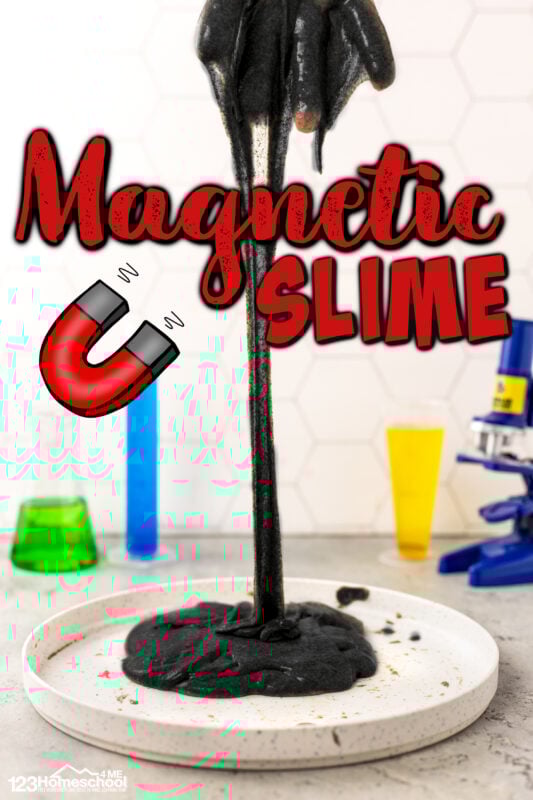
magnetic slime science experiments
This tactile activity merges chemistry with magnetism, creating a gooey substance that reacts to magnetic fields. Children mix iron filings into polymer slime, observing how the material stretches and recoils when brought near a strong magnet. The sensory feedback helps preschoolers grasp invisible forces while developing fine motor skills through kneading and pulling motions during this hands-on exploration. -
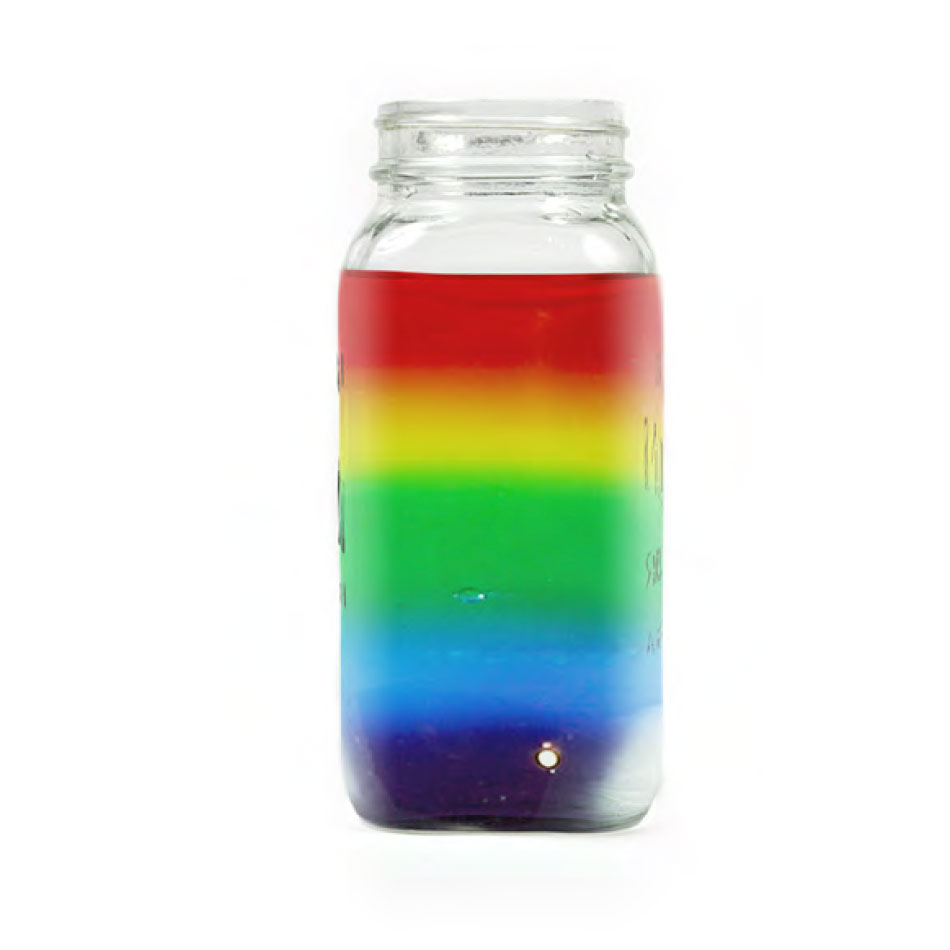
rainbow density jar layers
Pouring liquids of varying specific gravities creates distinct, colorful strata within a clear container. Using honey, dish soap, water, oil, and alcohol, children witness how heavier substances sink while lighter ones float. This visual demonstration introduces foundational physics concepts about density and volume, allowing kids to predict outcomes and carefully layer ingredients to achieve a stable, vibrant rainbow effect. -
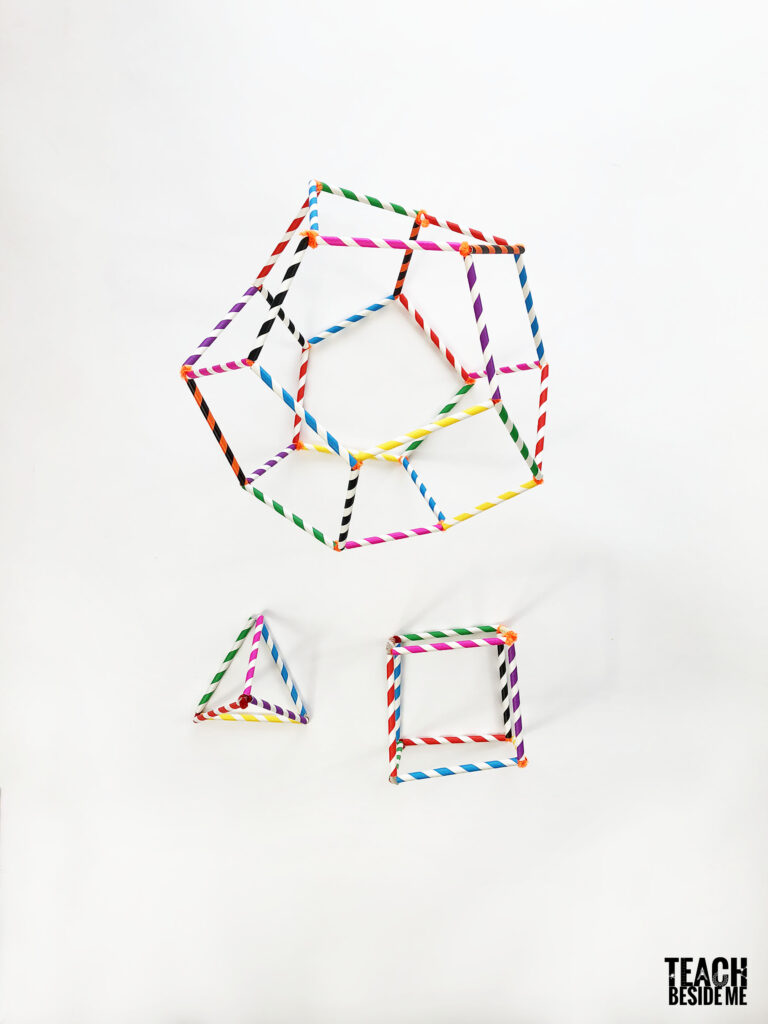
pipe cleaner geometric shapes
Twisting flexible wire around straws allows children to construct three-dimensional forms like cubes and pyramids. This craft reinforces spatial reasoning and geometry basics as kids connect vertices and edges. The tactile nature of bending pipe cleaners helps small hands understand structural integrity and symmetry, turning abstract mathematical concepts into tangible, buildable objects that stand on their own. -
ice cube melting race
Children race to see which ice cube melts fastest using different household materials like salt, sand, or warm water. This simple experiment teaches thermal conductivity and phase changes through direct observation. By testing various accelerants, preschoolers learn how environmental factors affect matter, developing early scientific inquiry skills while engaging in playful, competitive discovery that makes learning about temperature and states of matter exciting. -

cardboard box engineering
Repurposing shipping boxes encourages structural design and problem-solving without digital screens. Kids cut, fold, and tape cardboard to create vehicles, houses, or robots, learning about balance and support. This open-ended play fosters creativity and engineering mindsets, as children iterate on their designs to make them sturdy enough to hold weight or function as imaginative play spaces for their toys. -

vinegar and baking soda volcanoes
The classic eruption experiment remains a staple for teaching chemical reactions. Mixing baking soda with vinegar creates carbon dioxide gas, resulting in a foamy overflow that captivates young learners. Adding red food coloring enhances the visual impact, helping children connect cause and effect while practicing measurement and pouring skills. -

shadow tracing art
Using sunlight and chalk, children trace their own shadows or those of toys on pavement. This activity introduces the concept of light sources and obstruction. As the sun moves, shadows change length and direction, offering a natural lesson in time and geometry that encourages outdoor movement and observation. -

homemade kaleidoscope tubes
Constructing kaleidoscopes from toilet paper rolls and mirrored plastic introduces basic optics and symmetry. Children arrange colorful beads or sequins inside, observing how reflection creates intricate patterns. This craft combines fine motor precision with an introduction to light behavior and geometric repetition. -

sink or float prediction game
Gathering various household objects like coins, leaves, and plastic toys, children predict whether each will sink or float before testing them in a water bin. This simple experiment reinforces hypothesis testing and buoyancy concepts. Recording results on a chart helps develop early data literacy and classification skills. -
rainstick sound maker
Creating rainsticks from paper towels tubes and rice teaches about sound production and gravity. As the rice falls through the internal zig-zag pattern, it mimics the sound of rain. This sensory song activity links auditory stimulation with physical movement, encouraging rhythm and listening skills while exploring how materials affect sound.
Essential Preschool Playbook supplies
Building a functional STEM and sensory station requires materials that are durable, safe, and versatile. The best supplies act as open-ended canvases, allowing children to experiment with textures, shapes, and cause-and-effect without strict instructions. When selecting items for your Preschool Playbook, prioritize quality over quantity to ensure longevity and repeated engagement.
The following grid highlights specific, high-performing products that support hands-on learning. These selections focus on core tools needed for sensory exploration and basic engineering concepts, ensuring you have the right foundation for every activity.


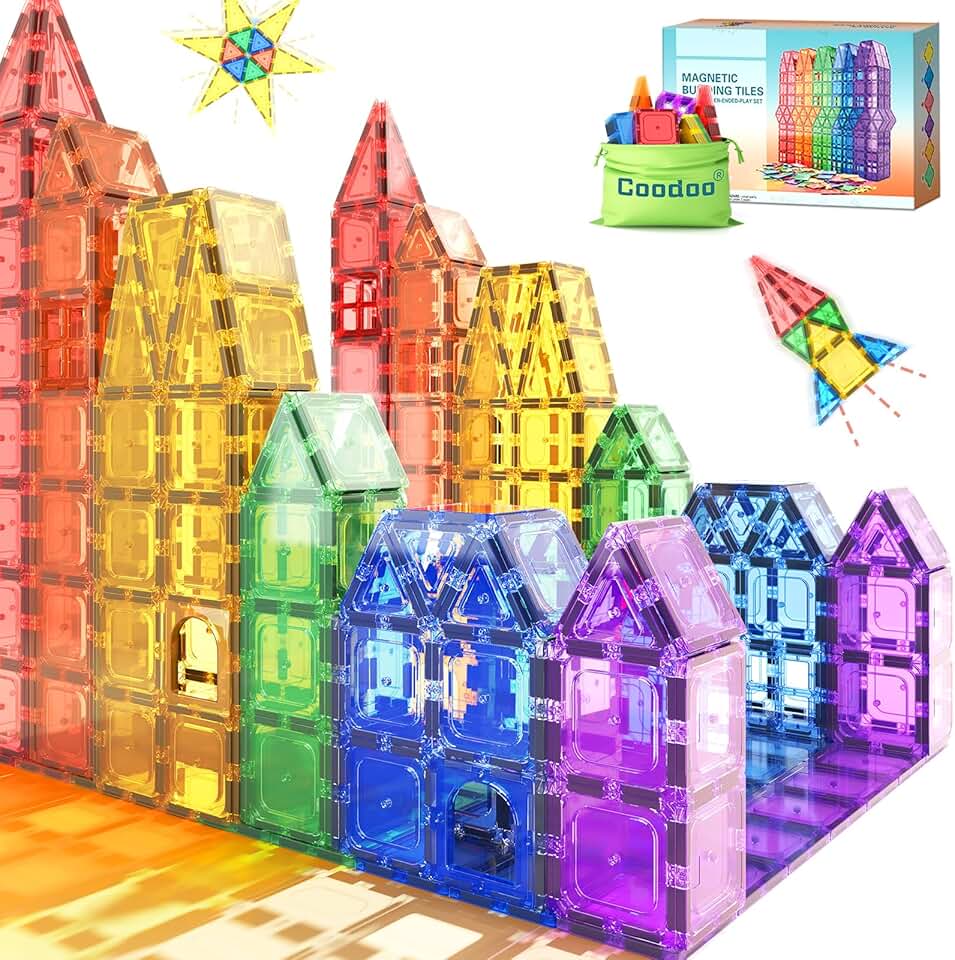
As an Amazon Associate, we may earn from qualifying purchases.
To help you choose the right kit for your specific learning goals, compare the key features of these top-rated preschool activity supplies below. This breakdown highlights durability, age appropriateness, and primary skill focus to simplify your decision.
| Product Type | Primary Skill | Durability | Age Range |
|---|---|---|---|
| Sensory Bins | Tactile Exploration | High | 2-5 years |
| Wooden Blocks | Spatial Reasoning | Very High | 3-6 years |
| Washable Paints | Creative Expression | Medium | 2-4 years |
| Magnetic Tiles | Engineering Basics | High | 3-6 years |
No comments yet. Be the first to share your thoughts!