
Why sensory-friendly crafts matter
Summer heat can make standard art supplies feel overwhelming for young children. Traditional projects often involve messy glues, strong scents, or loud tools that trigger sensory overload in sensitive preschoolers. By choosing low-mess, high-engagement activities, you create a calm environment where learning happens naturally without the stress of cleanup or sensory distress.
These sensory-friendly preschool crafts focus on tactile exploration rather than perfect outcomes. Activities like playdough stamping, water painting, or large-scale collage work build fine motor skills and hand-eye coordination. According to early childhood education resources, these simple tasks help children develop the dexterity needed for writing while reinforcing color and shape recognition through play.
When children are comfortable, they engage more deeply. This engagement is essential for summer learning, which should feel like exploration rather than instruction. By removing barriers like sticky residues or complex instructions, you allow preschoolers to focus on the joy of making, building confidence in their abilities one small step at a time.
5 Sensory-Friendly Summer Crafts for Preschoolers
Prepare these five hands-on activities to keep little ones engaged while developing fine motor skills. Each project uses safe, accessible materials suitable for summer playdates.
Fill a shallow tub with brightly colored gelatin cubes. Add plastic spoons, cups, and small toys for scooping. The cool, jiggly texture offers gentle tactile input without the mess of loose water. Let children explore squishing and pouring. This activity keeps hands cool on hot days while providing a safe, edible-friendly sensory experience for preschoolers who enjoy exploring textures with their hands.
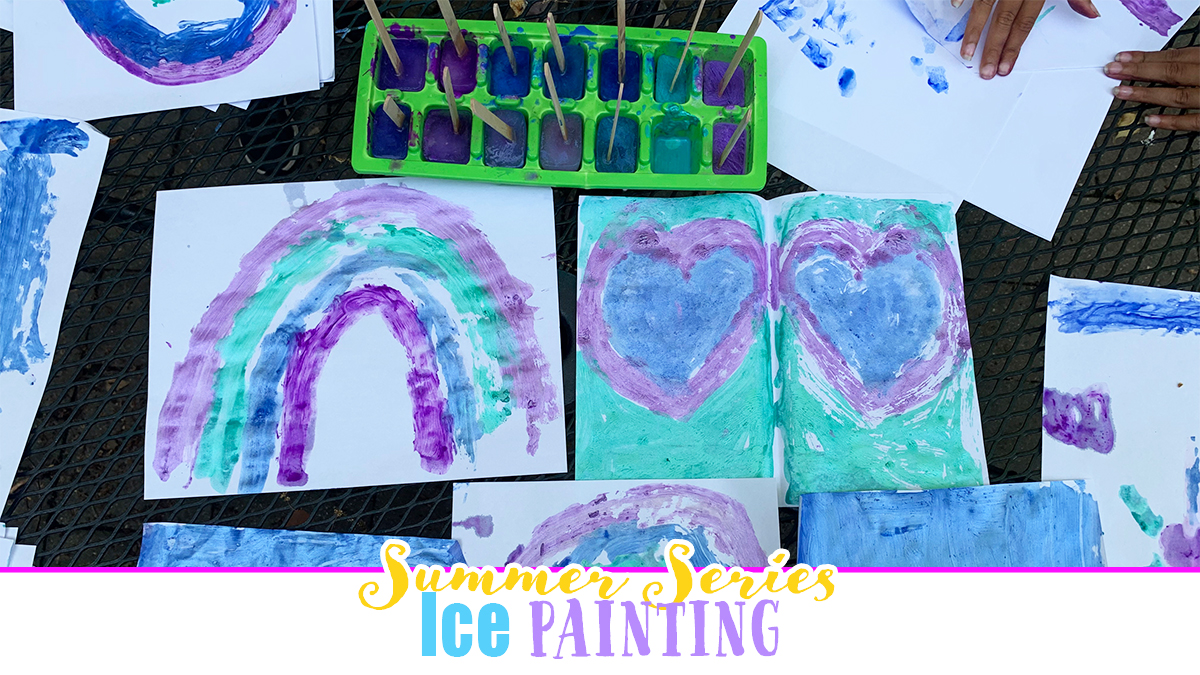
Freeze water mixed with washable paint in small containers. Hand the frozen blocks to children with damp paintbrushes. They watch the color melt and spread across paper. The slow melting process teaches patience and cause-and-effect. This method controls paint flow, reducing spills while offering a unique, cold tactile sensation that feels refreshing during warm summer afternoons.
Fill water balloons with diluted tempera paint. Place them on a large drop cloth outside. Let preschoolers throw or stomp on the balloons to create colorful splatters. The popping action provides exciting auditory feedback and gross motor engagement. This messy but contained activity encourages creative expression and physical movement, turning simple paint into a dynamic, interactive summer experience.
Set up a table with dry sand, water, and various containers. Encourage children to mix sand and water to create mud or dry piles. They can build structures or simply observe how the texture changes. This open-ended play supports fine motor skills and scientific curiosity. The tactile contrast between dry and wet materials offers rich sensory input suitable for various developmental levels.
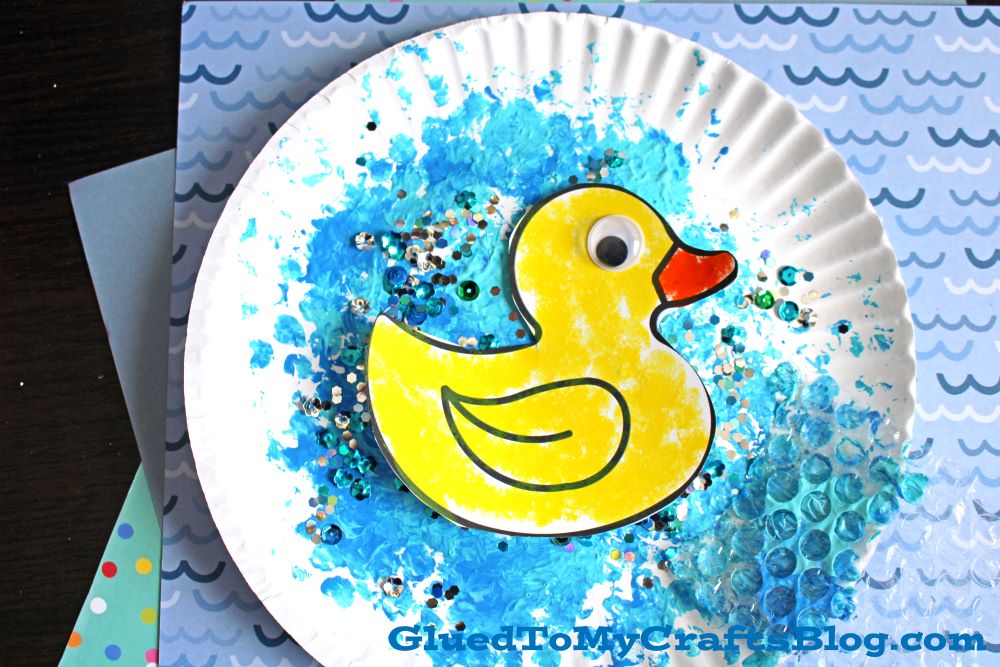
Tape bubble wrap to a table or floor. Let children roll paint-covered bottles or press their hands into the bubbles. Lift to reveal a textured print. The popping sensation provides satisfying tactile and auditory feedback. This activity is easy to clean and allows for large-scale creative expression. It transforms a common household item into a fun, sensory-rich preschool craft tool.
Set up a mess-free craft station
Keeping preschool crafts tidy starts before you hand out the first glue stick. A well-organized station reduces sensory overload and keeps small items from rolling under furniture. You don’t need a fancy table; a plastic bin or a large tray works just as well. The goal is to contain the mess and make cleanup effortless.
Choose the right surface
Lay down a washable plastic tablecloth or a large sheet of butcher paper. These materials catch spills instantly and can be rolled up and tossed or rinsed off afterward. Avoid fabric tablecloths, which absorb paint and hold onto sticky residues. If you are working on a carpet, use a waterproof shower curtain liner to protect the fibers.
Pre-sort your supplies
Preschoolers thrive on predictability. Pre-portion glue sticks, crayons, and scissors into small cups or muffin tins. This prevents overuse and keeps the main supply pile neat. Group materials by activity type so children can easily find what they need without asking for help. Labeling bins with pictures helps early readers identify their tools.
Manage the cleanup flow
Place a dedicated "mess bin" nearby for trash, used napkins, and empty glue sticks. This keeps the main workspace clear and teaches children where waste belongs. Keep a damp cloth or wet wipes within arm’s reach for quick finger cleans. When the activity ends, simply roll up the protective sheet and dump the mess bin—no scrubbing required.
-
Washable tablecloth or butcher paper
-
Pre-portioned supplies in small cups
-
Dedicated trash bin nearby
-
Damp cloth or wet wipes
Adapting crafts for different ages
The same craft activity can grow with your child by adjusting the materials and expectations. Younger toddlers need pre-cut shapes and simple gluing to succeed, while older preschoolers can handle scissors and detailed coloring. This approach keeps preschool crafts engaging for ages 2 through 5 without needing entirely new projects.
| Feature | Ages 2–3 (Toddlers) | Ages 4–5 (Preschoolers) |
|---|---|---|
| Cutting | Pre-cut shapes provided | Practice cutting straight lines |
| Adhesives | Glue sticks or large dots | Liquid glue with precision tips |
| Fine Motor | Large stickers, stamping | Threading beads, detailed coloring |
| Complexity | 2–3 simple steps | 4–5 sequential instructions |
For toddlers, focus on tactile exploration. Let them press stickers onto paper or dip sponges into paint. The goal is sensory experience, not a perfect result. For older children, introduce tools that build strength. Scissors, tweezers, and small beads help refine the pincer grasp needed for writing later on.
No comments yet. Be the first to share your thoughts!