

Why sensory play matters in summer
Summer offers a unique window for sensory play. Without the rigid schedules of the school year, preschoolers have the time to explore textures, temperatures, and sounds at their own pace. This unstructured exploration builds fine motor skills and strengthens neural pathways for future writing and self-care tasks.
You do not need expensive toys or specialized classrooms to facilitate this growth. Everyday household items like kitchen utensils, fabric scraps, and natural materials found in the yard provide rich sensory input.
5 Sensory-Based Preschool Activities for Summer 2026
Start with water play to cool down, then transition to tactile sand molding, and finish with sound exploration using recycled containers. These five sensory-based preschool activities for summer 2026 build fine motor skills through immediate, hands-on tasks.
-
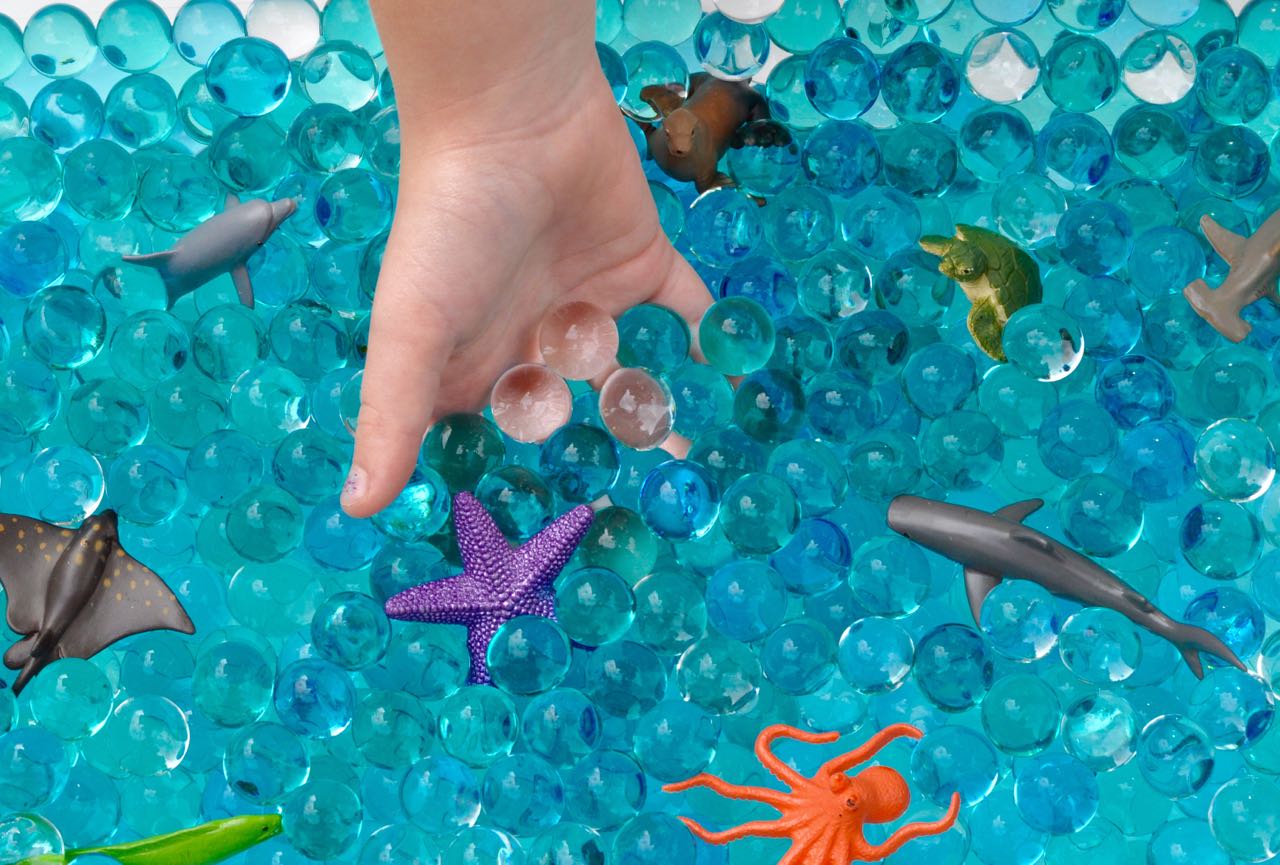
Cool water bead sensory bin
Fill a shallow bin with hydrogel beads soaked in cold water and ice. Add ocean-themed scoops, nets, and plastic sea creatures for tactile exploration. The cool, squishy texture stimulates nerve endings while the visual contrast of blue beads encourages color recognition. This activity keeps little hands engaged and cool during hot summer days, promoting fine motor skills through scooping and pouring actions without the mess of traditional sand. -

Ice cube tracing with food coloring
Freeze water mixed with vibrant food coloring into ice cubes. Provide chalk or sidewalk crayons and let children trace the melting shapes on pavement. As the ice melts, it leaves colorful trails that fade slowly, teaching cause and effect. This outdoor activity combines fine motor control with early writing practice, using the natural cooling effect of melting ice to keep play sessions refreshing and visually engaging for toddlers. -
Shaving cream shaving art station
Spread a thick layer of white shaving cream on a plastic tablecloth or tray. Let preschoolers use their fingers to draw shapes, write letters, or create abstract patterns in the foam. The cool, airy texture provides unique tactile feedback that differs from paint or clay. This mess-contained activity encourages sensory exploration and artistic expression, allowing children to manipulate the material with their whole hand rather than just fingertips. -
Sand and shell tide pool dig
Fill a large container with damp sand and bury various seashells, small stones, and plastic marine animals. Provide small shovels, sieves, and tweezers for excavation. Children dig to discover hidden treasures, enhancing hand-eye coordination and spatial awareness. The gritty texture of sand against smooth shells offers contrasting sensory input, while the digging motion strengthens wrist and finger muscles essential for future writing tasks. -
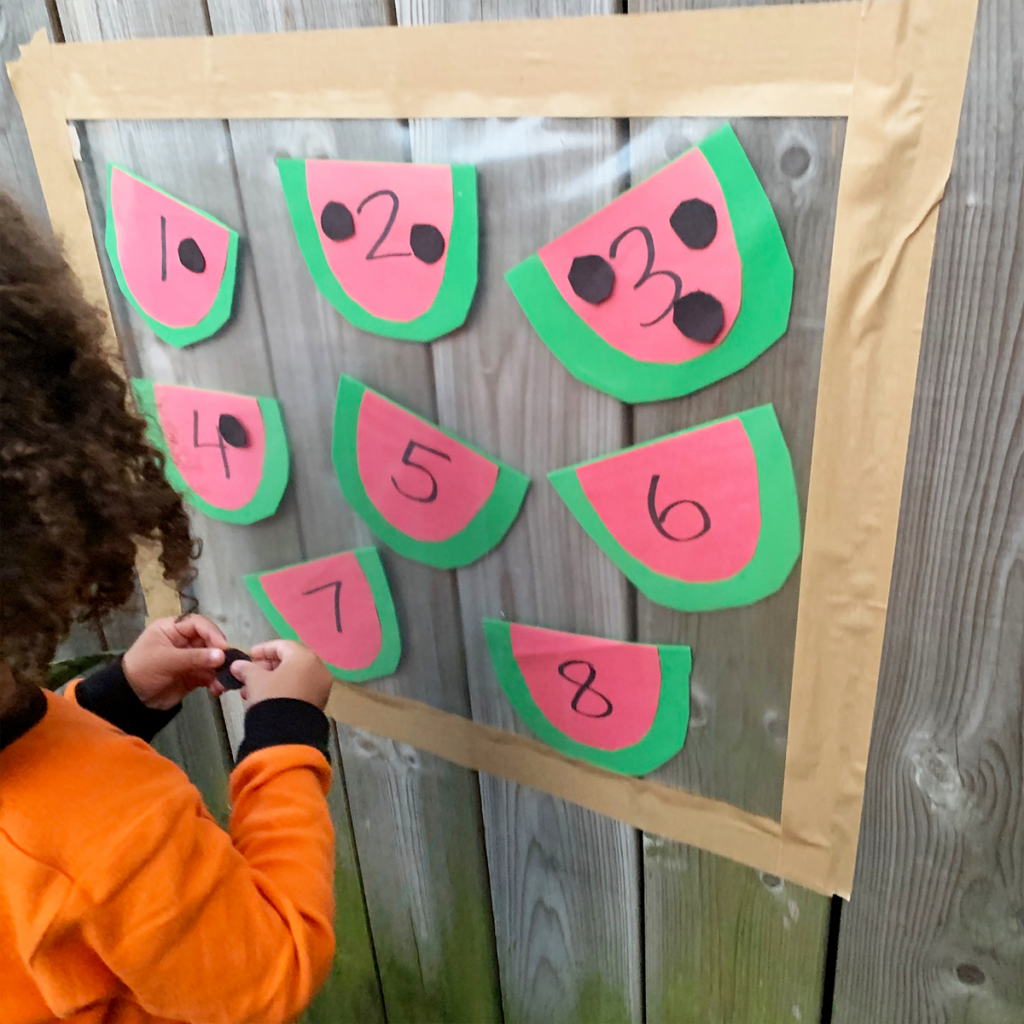
Fruit and vegetable stamp painting
Cut apples, pears, and bell peppers in half to reveal natural star or flower patterns. Dip the cut ends into washable paint and press firmly onto paper. The bumpy, organic texture of the produce provides distinct tactile feedback compared to traditional foam stamps. This activity introduces children to natural materials and shapes, encouraging creativity while developing the pressure control needed for effective stamping and early artistic composition.
Cool water bead sorting
Water beads absorb liquid and swell into soft, slippery spheres that stay cool to the touch. This cooling effect makes them ideal for summer sensory play, providing a tactile experience that feels refreshing on hot days. The activity doubles as a practical exercise for developing fine motor control and color recognition.
Children must use tweezers, tongs, or large spoons to sort the beads. This requirement forces a pincer grasp, strengthening the small muscles in the fingers and hands needed for future writing tasks. The slippery nature of the beads adds a layer of challenge, requiring focus and steady hands to complete the sorting task.
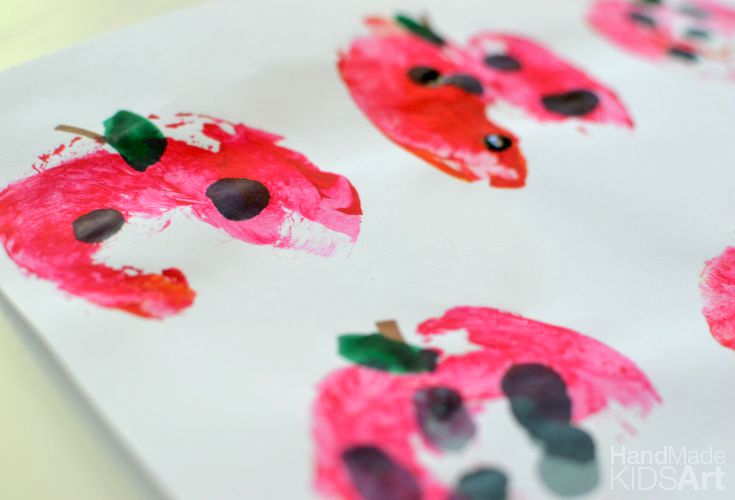
Fill a shallow bin with cool water. Add a handful of dry water beads and let them soak for the time specified on the package, typically 4 to 8 hours. Once expanded, rinse the beads thoroughly to remove excess slime. Place the bin in the refrigerator for 20 minutes before play to ensure they are pleasantly cool.
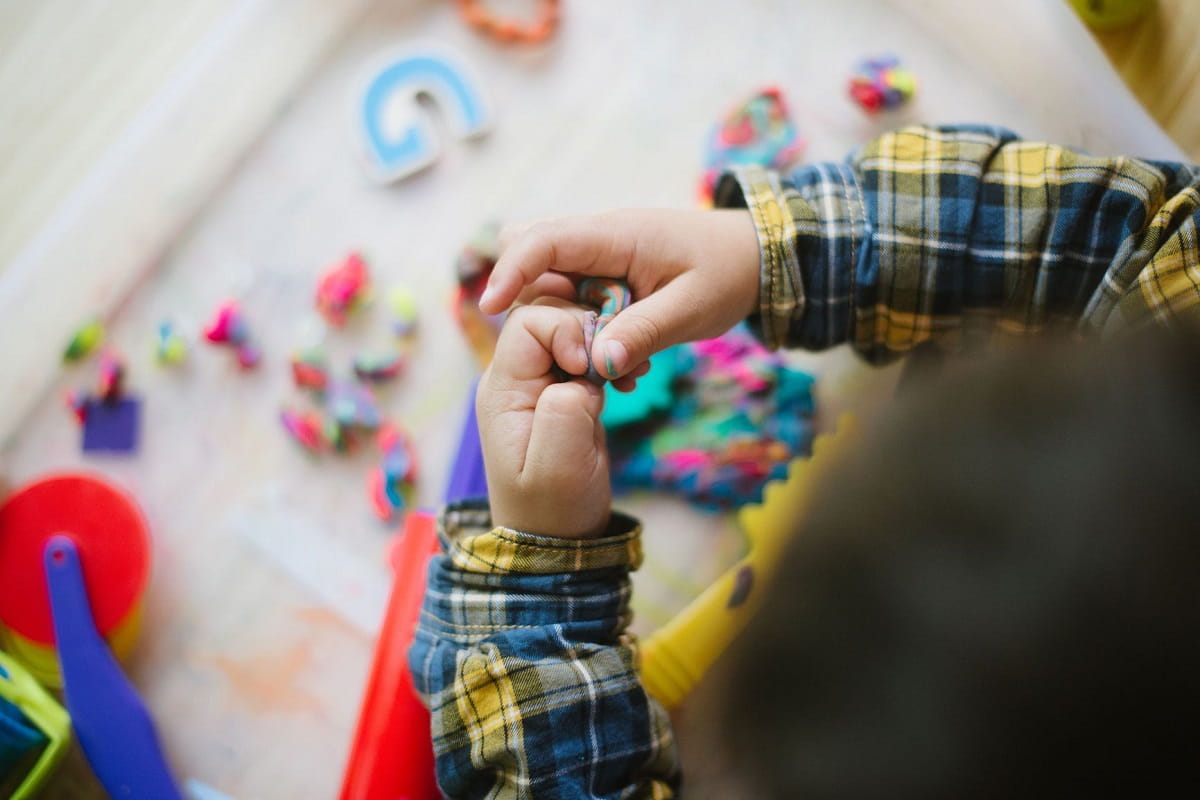
Arrange small bowls or cups on a table. If teaching color recognition, label each bowl with a colored sticker or write the color name. Place a pair of child-safe tweezers, kitchen tongs, or large plastic spoons within easy reach. Ensure the workspace is on a surface that can get wet, or place a towel underneath the sorting area.
Show the child how to pick up a single bead using the chosen tool. Encourage them to identify the color before moving it to the correct bowl. For younger children, start with two distinct colors to keep the task simple. Model the slow, deliberate movement required to prevent the beads from slipping out of the tweezers.
Let the child practice sorting the beads into their respective bowls. As they sort, count the beads aloud together. This adds a mathematical element to the sensory play, reinforcing number recognition. Praise their effort and precision, noting how their fingers are working hard to handle the slippery objects.
After play, scoop the beads back into a storage container with a fine mesh strainer to prevent them from going down the drain. Water beads are a choking hazard and toxic if ingested, so always supervise closely and store them out of reach of younger siblings or pets when not in use. Wash hands thoroughly after handling.
This activity keeps little hands occupied and cool while building essential developmental skills. The tactile feedback from the wet beads provides a unique sensory input that helps regulate the nervous system.
Shaving Cream Texture Painting
Shaving cream painting is a safe, washable medium that turns sensory art into a lesson on texture and temperature. It requires minimal cleanup and encourages open-ended exploration. Spread the cream onto a flat tray or large baking sheet to create a soft, white canvas.
Set Up the Canvas
Spray a generous layer of shaving cream onto a rimmed baking sheet or plastic tray. Use a spoon or your hand to spread it evenly, creating a smooth, cloud-like surface. The cool temperature of the cream provides immediate sensory feedback, making it engaging for young hands.
Paint with Fingers or Tools
Use fingers to draw lines, swirl patterns, or simple shapes. For more defined marks, introduce tools like paintbrushes, cotton swabs, or plastic spoons. Children can press down to create indentations or drag tools to make ridges. This tactile exploration helps develop fine motor skills and hand-eye coordination.
Add Color (Optional)
For a visual twist, add drops of food coloring or liquid watercolors onto the shaving cream. Gently swirl the colors with a tool or finger to create marbled effects without fully mixing them. The cream holds the pigment in place, allowing children to see how colors blend and spread in a unique, tactile way.
Clean Up
Once the activity is complete, wipe the shaving cream onto a paper towel or scrape it back into the can. The remaining residue washes off skin and surfaces easily with water. This simplicity makes it an ideal summer activity for home or classroom settings without the stress of paint stains.
Rice bin letter tracing
This activity turns letter formation into a tactile game. Your child presses their finger into dry rice to feel the shape of each letter. The loose grains provide immediate feedback, helping them understand the direction and flow of strokes. This method is excellent for building the muscle memory needed for writing.
How to set up the sensory bin
- Fill a shallow plastic bin with uncooked white rice. A depth of two inches is enough to cover letters but shallow enough for small fingers to reach the bottom.
- Add a few measuring spoons or small shovels. These tools help children scoop rice to cover mistakes or reveal hidden letters.
- Optional: Add a few plastic letters or letter magnets. These serve as visual guides or "tracing templates" for the child to follow.
Guiding the tracing process
Place a plastic letter in the rice or write one directly into the grains. Ask your child to trace the letter with their index finger. Encourage them to say the letter sound aloud as they trace. This connects the visual shape with the auditory cue and the physical movement.
If they make a mistake, they can simply smooth the rice back over and try again. This low-pressure environment reduces frustration and encourages experimentation with different stroke orders.
Extending the literacy practice
Once your child masters individual letters, move on to simple words. Write "CAT" or "DOG" in the rice and have them trace each letter in sequence. You can also hide letters in the bin and ask them to find specific ones, reinforcing letter recognition before formation.
This activity works well for summer learning because it requires minimal prep and uses common kitchen items. It keeps little hands busy while quietly reinforcing early literacy skills.
Summer movement songs
Summer movement songs turn living rooms into active play spaces. These interactive tracks combine gross motor skills with seasonal themes to keep preschoolers engaged. The rhythm encourages jumping, reaching, and balancing while the lyrics introduce vocabulary about the season.
Start with a simple warm-up. Have the children stand up and stretch their arms high like sunflowers. Then, transition into the main activity. Choose a song with clear action words. "Head, Shoulders, Knees, and Toes" works well for body awareness, while "The Hokey Pokey" adds coordination challenges.
Add summer-specific moves to the routine. Teach the kids to "shake the rain off" their feet or "swim like a fish" across the room. These motions help release energy while reinforcing the summer theme. Repeat the song three to four times, gradually increasing the speed to challenge their reflexes.
Setup checklist for sensory stations
Prep is the difference between chaotic play and focused learning. Gather your materials before the children arrive. This approach keeps the flow smooth and lets you supervise rather than scramble for supplies.
Start with the base containers. You will need four shallow bins or large plastic tubs. Wash and dry them thoroughly. Place each bin on a towel or mat to catch spills. This simple step protects your floors and makes cleanup instant.
Next, sort the household items into piles. Group dry goods like rice and beans separately from wet materials like water and shaving cream. Keep tools like tongs, spoons, and cups in a separate basket. Having everything within arm’s reach speeds up the transition into play.
Finally, set up a cleaning station nearby. Keep sponges, a bucket of soapy water, and paper towels close by. This allows children to wash hands or wipe surfaces during the activity. It turns maintenance into part of the sensory experience.
Common questions about sensory play
Parents often worry about the logistics of messy activities. The goal is safe exploration, not perfection. Here are the practical answers to the most frequent concerns.
Visual guide to summer sensory setups
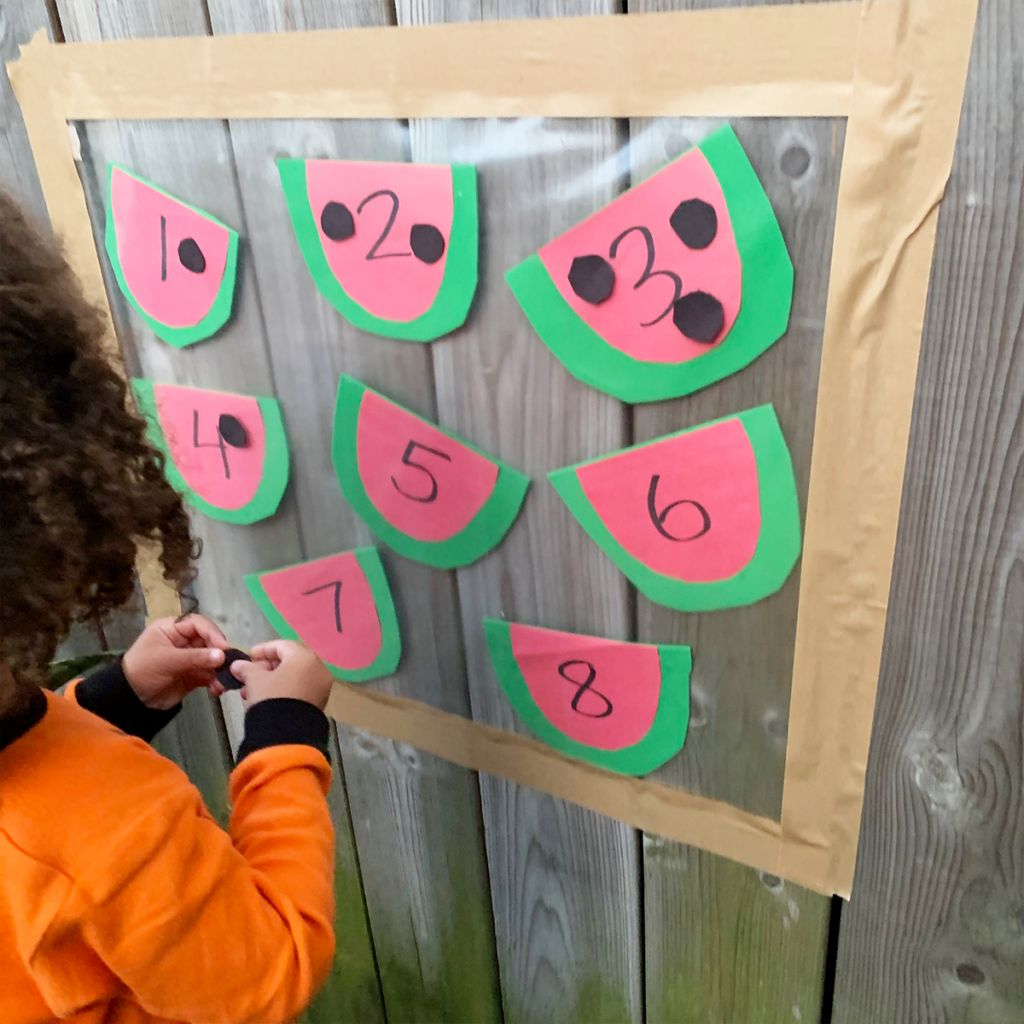
A well-organized sensory station minimizes stress for both parent and child. The following image illustrates an effective layout for a water-based sensory bin, demonstrating how to arrange tools and materials for optimal access and containment.
No comments yet. Be the first to share your thoughts!