

Start with simple science and song
Combining tactile crafts with auditory learning anchors early STEM concepts in memory. When children sing about a process while manipulating materials, they engage multiple senses simultaneously. This multisensory approach transforms abstract ideas like gravity, patterns, or chemical reactions into concrete experiences.
Think of the activity as a loop: the song provides the rhythm and structure, while the craft provides the physical proof. For example, singing a song about sinking and floating while testing objects in water makes the concept of density undeniable. The melody acts as a mnemonic device, helping children recall the scientific principle long after the craft is finished.
This method works best with low-cost, everyday items. You do not need expensive kits to teach science. Simple household objects like pasta, water, and paper can become powerful tools for exploration when paired with a catchy tune. The goal is to make learning feel like play, ensuring that curiosity drives the activity rather than rigid instruction.
10 Fun STEM Crafts and Songs
Transform everyday household items into engaging learning tools with these 10 hands-on STEM crafts and songs. Using low-cost materials and simple step-by-step visual guides, you can spark curiosity and build foundational science skills without the need for expensive kits.
-

Rainbow milk color swirls
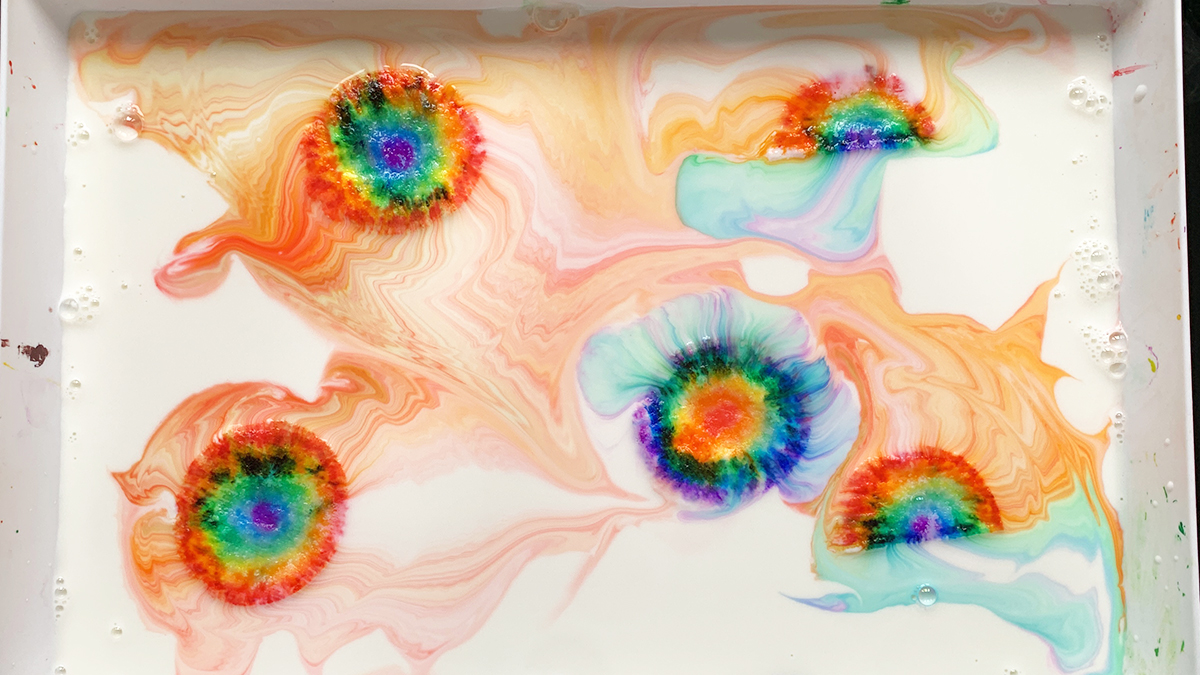
Pour whole milk into a shallow dish and add drops of food coloring. Touch the center with a cotton swab dipped in dish soap. The colors burst outward in vibrant, swirling patterns as the soap breaks the milk’s surface tension. This simple chemistry demo captivates preschoolers while illustrating molecular movement. Use the provided image to show the initial color placement before the soap triggers the reaction. -

Sink or float boat challenge
Cut small squares from aluminum foil and shape them into tiny boats. Place each boat in a basin of water to test buoyancy. Ask children to predict whether the foil will sink or float before testing. This activity introduces basic physics concepts like displacement and weight distribution through hands-on experimentation with everyday materials. -

Sensory bin with magnetic items
Fill a shallow bin with rice or kinetic sand and hide small magnetic objects like paperclips or buttons. Provide child-safe magnetic wands for retrieval. This tactile activity strengthens fine motor skills while introducing magnetism. Children learn to identify magnetic materials through play, combining sensory exploration with early scientific discovery in a contained, mess-friendly environment. -
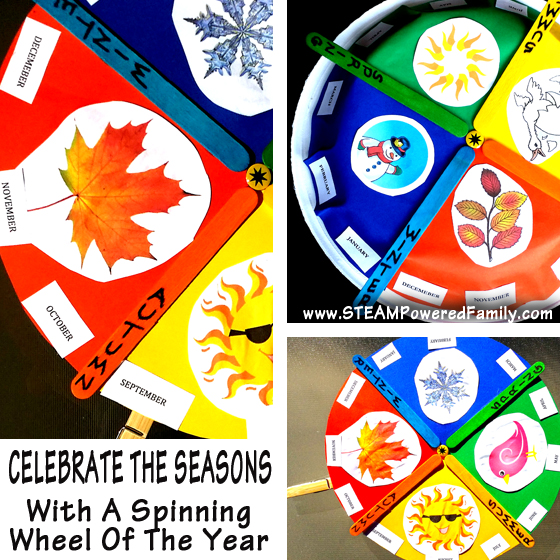
Paper plate spinner wheels
Punch a hole in the center of a paper plate and attach a pencil with a rubber band. Spin the plate to observe motion and friction. Children can decorate the plate before testing how different weights affect spin speed. This craft demonstrates rotational energy and balance, turning simple household items into an engaging physics lesson. -

Pipe cleaner shape builders
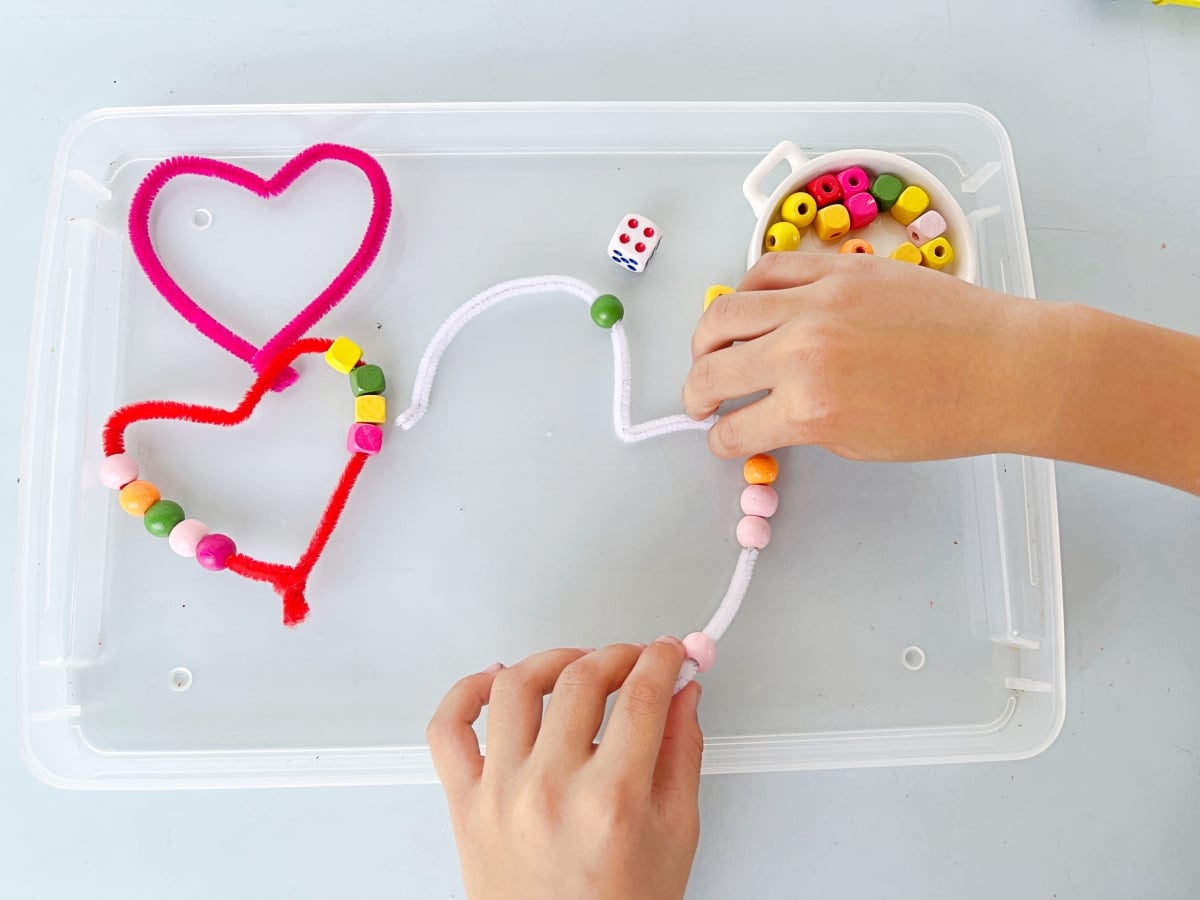
Provide colorful pipe cleaners and ask children to twist them into basic geometric shapes like triangles or squares. Discuss the properties of each shape, such as corners and sides. This flexible medium encourages creativity while reinforcing geometry concepts. The tactile nature of bending and twisting supports hand-eye coordination and spatial reasoning skills. -

Ice cube melting race
Fill two trays with colored water and freeze them into cubes. Place one cube on a smooth tile and another on a textured towel. Sprinkle salt on the towel cube to accelerate melting. Observe which surface conducts heat faster as the ice disappears. This tactile experiment teaches thermal conductivity through direct, visible comparison using simple household items. -

Counting beanbag toss game
Draw numbered circles on a large sheet of paper or cardboard. Give children soft beanbags to toss into the target zones. After each throw, have them announce the number hit and add it to a running total. This active game combines gross motor skills with basic arithmetic, turning physical play into an engaging counting exercise for early learners. -
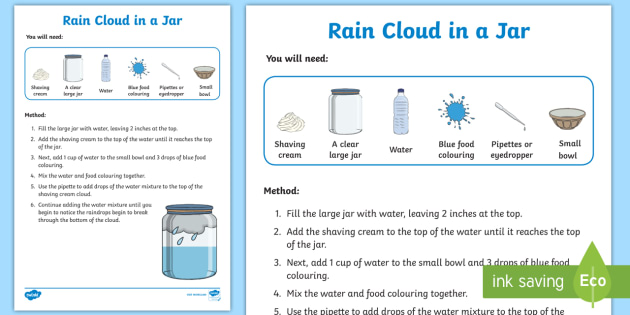
Rain sound jar craft
Fill a clear plastic jar with water, then add shaving cream on top to mimic clouds. Dye water blue and drip it onto the cream. Watch as the "rain" falls through the cloud layer into the jar below. This visual simulation explains the water cycle simply, allowing children to observe precipitation dynamics in a contained, messy-free environment. -

Nature leaf printing art
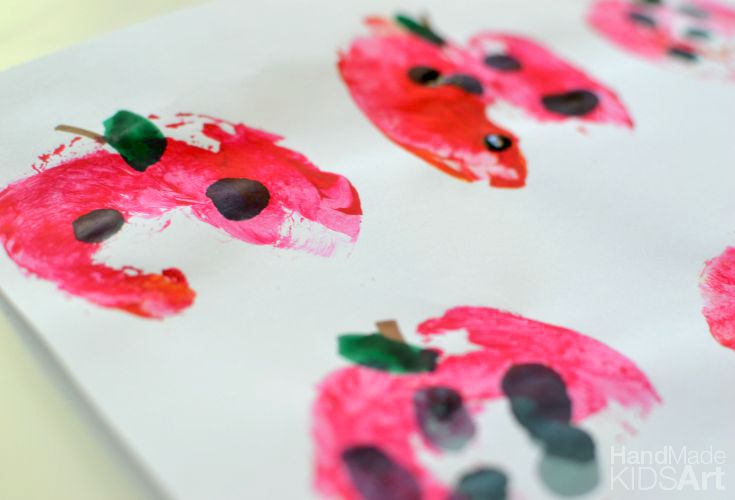
Collect various leaves from the yard and paint their textured backs with washable paint. Press them firmly onto paper to transfer the vein patterns. Discuss how each leaf shape differs based on the tree type. This craft connects art with biology, helping children recognize natural structures while developing fine motor control through pressing and lifting motions. -

Balloon rocket car race
Attach a straw to a cardboard box car and thread a string through it. Inflate a balloon, tape it to the straw, and release the air. The escaping air propels the car forward along the string track. This hands-on project demonstrates Newton’s third law of motion, showing how action and reaction forces create movement in a fun, competitive race.
Preschool STEM songs for movement
Music and motion turn abstract STEM concepts into physical experiences. When children sing about counting, sorting, or the water cycle, they internalize patterns through rhythm and repetition. These songs serve as active breaks between crafts, reinforcing what they just built or observed.
Counting and Pattern Songs
Start with "Five Little Monkeys Jumping on the Bed" to practice subtraction and number recognition. Have the children jump on a soft mat or cushion for each monkey, then sit down one by one as the lyrics count down. This physical action makes the concept of "less than" tangible. Follow this with "The Ants Go Marching" to introduce simple AB patterns (e.g., march-step, march-step) or color-based sequences.
Science and Nature Verses
"The Hokey Pokey" is a classic for teaching body parts and directional language, which supports spatial awareness in engineering tasks. For earth science, sing "It’s Raining, It’s Pouring" while mimicking raindrops with finger movements, then transition into a discussion about where water goes. Use "Head, Shoulders, Knees, and Toes" to reinforce anatomy basics before discussing how plants (or children) grow.
Engineering and Structure Themes
Sing "If You’re Happy and You Know It" but change the actions to build structures (e.g., "stomp your feet" to lay a foundation, "clap your hands" to place bricks). This helps children visualize the step-by-step process of construction. Pair these songs with simple props like blocks or cardboard tubes to bridge the gap between auditory learning and hands-on engineering.
Track your preschool STEM journey
Running a home preschool doesn't have to feel like managing a chaotic construction site. Sometimes the hardest part is just keeping track of what you've already tried so you don't repeat the same glittery pasta craft for the third time this month.
This checklist organizes the 10 activities from this article into a simple, printable format. You can print it out and tape it to the fridge, or use it digitally on your tablet while your child works. Check off each item as you complete it to see your weekly progress at a glance.
-
Pasta Necklace Patterns (Math)
-
Sink or Float Experiment (Science)
-
Recycled Cardboard Robots (Engineering)
-
Color Mixing Paints (Art)
-
Baking Soda Volcano (Chemistry)
-
Shape Sorter Hunt (Math)
-
Nature Collage (Art)
-
Balloon Rocket Race (Physics)
-
DIY Drum Set (Music)
-
Rainbow Rice Sensory Bin (Science)
Common questions about preschool STEM
Parents often worry that science and engineering concepts are too complex for early learners. The truth is that preschool STEM is simply about curiosity. It involves asking "why" and "how" while manipulating everyday objects. You do not need expensive kits to spark this interest.
Safety is the main concern when using small parts or household materials. Always supervise children during activities involving water, clay, or small beads. Choose non-toxic paints and washable markers to keep messes manageable and safe for young hands.
Put Preschool Activities into practice
No comments yet. Be the first to share your thoughts!