

Start with simple summer themes
Summer preschool activities work best when they lean on what children already see and touch. Nature, water, and bright colors provide low-stress, high-engagement learning without complex planning. These themes are easy to source, inexpensive, and naturally hold a child’s attention during the long, hot days of July and August.
Think of these themes as the scaffolding for your week. You do not need to build a new activity from scratch every day. Instead, pick one theme and rotate through a few simple variations. This approach keeps the routine predictable for the child while allowing you to adapt to weather changes or energy levels on the fly.
Start by observing the season. A walk outside might reveal the specific shades of green in the leaves or the texture of dry grass. Bring those elements inside for sorting, painting, or sensory bins. Water play is another cornerstone of summer learning; it introduces concepts of volume, temperature, and cause-and-effect through simple pouring and splashing.
Colors serve as an easy entry point for literacy and sorting skills. Ask children to find objects that match a red cup or a blue block. This simple task reinforces vocabulary and visual discrimination without feeling like a formal lesson. By grounding activities in these broad, familiar themes, you create a relaxed environment where learning happens naturally.
10 Summer Preschool Activities: Crafts, Songs, and Sensory Play
Start with a simple paper fan craft to cool down, then transition into a sensory bin filled with water beads for tactile exploration. Follow this with a classic summer song to keep energy high, and conclude the routine with a safe, outdoor scavenger hunt to burn off remaining energy.
-

Bubble wrap stamping art project
Tape a sheet of bubble wrap to a table. Let children dip it in washable paint and press paper on top. The bubbles create unique circular patterns. This tactile activity builds fine motor skills while exploring texture. It transforms messy paint into structured, playful art. The popping sensation adds a sensory layer to the creative process, keeping little hands engaged and focused on the stamping motion. -
Nature leaf rubbing technique
Gather smooth leaves from the yard. Place one vein-side up under a thin sheet of paper. Use the side of a crayon to rub gently over the surface. The texture transfers, revealing intricate leaf patterns. This quiet outdoor activity encourages observation and patience. Children learn about plant structures while creating textured art. It connects them to nature through simple, tactile exploration. -
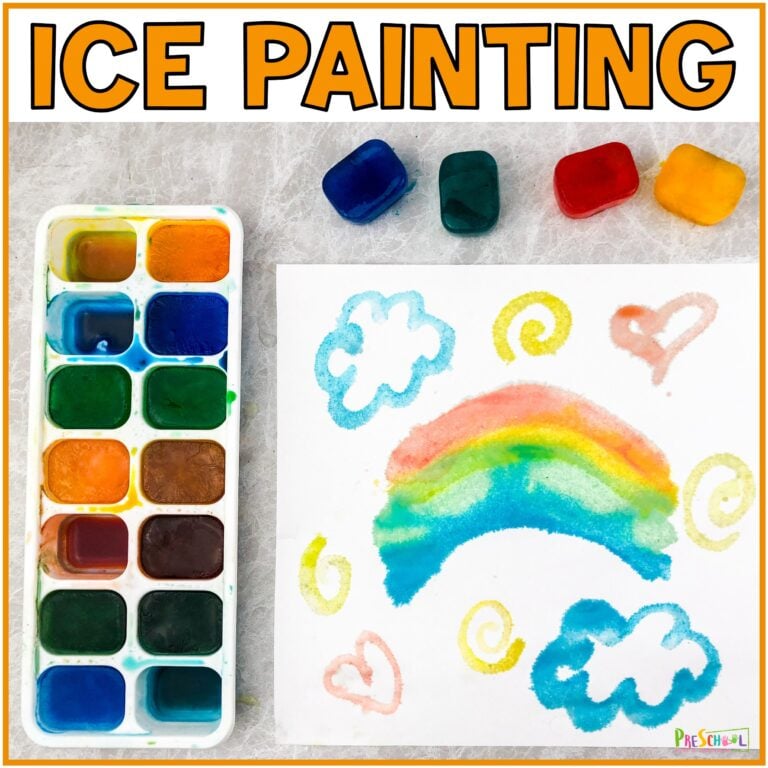
Ice cube color mixing experiment
Freeze water with food coloring in ice cube trays. Place colored cubes in a shallow bin. Watch them melt and blend into new hues. This simple science experiment teaches color theory through play. Children observe cause and effect as solid turns to liquid. It provides a cool, refreshing sensory experience perfect for hot summer days. The melting process is mesmerizing for young learners. -
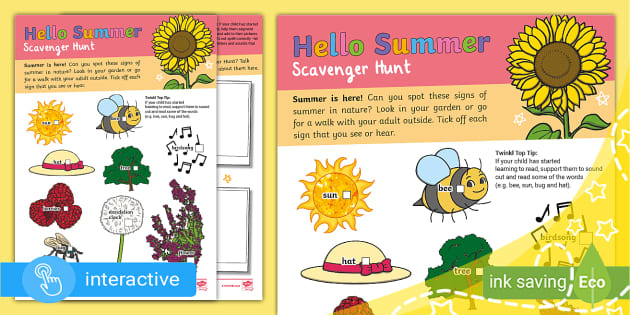
Summer shape scavenger hunt
Create a list of simple shapes like circles or squares. Hand each child a clipboard. Walk outside to find objects matching those shapes in the environment. This active game boosts observational skills and spatial awareness. It turns a regular walk into an educational adventure. Children learn to see geometry in everyday objects around them. The physical movement keeps energy levels high and focused. -
Head shoulders and toes remix song
Sing the classic nursery rhyme but change the pace or add actions. Speed up the tempo or add clapping beats. This musical variation keeps children engaged and moving. It supports memory retention through rhythm and repetition. Kids practice coordination while having fun with familiar tunes. The remix aspect allows for creative expression within a structured framework. It is an easy way to burn energy indoors. -

wheels on the bus summer edition
Rewrite classic lyrics to match the season. Replace "wipers" with "sunscreen" or "ice cream" for giggles. Sing while marching in place to burn energy. This musical remix builds vocabulary and rhythm skills. It transforms a familiar tune into a fresh summer anthem that keeps little ones engaged and moving. -

sand and water sensory bins
Mix damp sand with water in a shallow tub for tactile exploration. Add plastic sea creatures or shells to spark imaginative ocean play. Let children scoop, pour, and squish the mixture freely. This sensory bin develops fine motor control and scientific curiosity through hands-on discovery. -
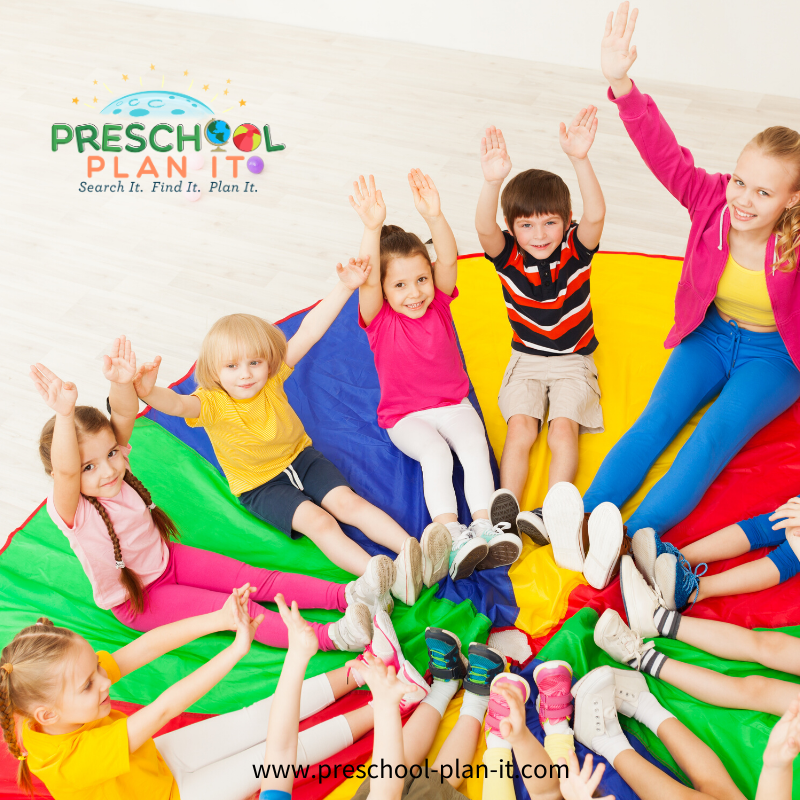
diy parachute play activity
Grab a large circular parachute or bedsheet for group coordination. Toss soft balls underneath and watch them pop up like mushrooms. Have children sit in a circle and shake the fabric gently. This cooperative game strengthens gross motor skills and teaches turn-taking in a joyful, active setting. -

storytime shadow puppet show
Use a flashlight and hands to create silhouettes on a wall. Act out simple animal shapes like rabbits or birds during circle time. This dimly lit activity captures attention and boosts storytelling confidence. It turns a standard reading session into an interactive visual performance that preschoolers adore. -

water balloon toss game
Fill small balloons with water for a gentle tossing activity. Stand a few feet apart and toss the balloon back and forth. Step back with each successful catch to increase difficulty. This outdoor game builds hand-eye coordination and social bonding through playful physical challenge.
1. Watercolor sun catchers
This classic craft turns sunlight into a moving painting. It teaches color mixing while keeping little hands busy. You only need contact paper, tissue paper, and watercolors.
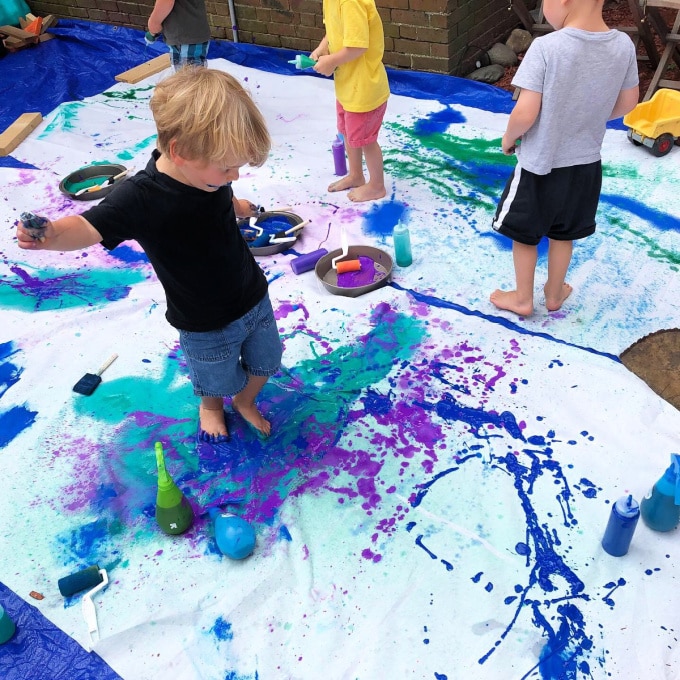
Cut a sheet of clear contact paper. Peel the backing off one side and tape it sticky-side up to a window or table. This creates your sticky canvas for the design.
Tear small pieces of colored tissue paper. Let children arrange them on the sticky surface. Overlapping colors will create new shades when painted.
Use watercolors to paint over the tissue paper. The paper will dissolve slightly, spreading the pigment into a soft, stained-glass effect. Let it dry completely.
Cover the design with a second sheet of contact paper, sticky side down. Trim the edges and punch a hole to hang it in a sunny window.
The result is a lightweight decoration that glows in the sun. It’s a perfect way to bring summer light indoors.
Quick checklist for summer prep
Use this section to make the 10 Summer Preschool Activities decision easier to compare in real life, not just on paper. Start with the reader's actual constraint, then separate must-have requirements from details that are merely nice to have. A practical choice should survive normal use, maintenance, timing, and budget. If a recommendation only works in an ideal situation, call that out plainly and give the reader a fallback path.
The simplest way to use this section is to write down the must-have criteria first, then compare each option against those criteria before weighing nice-to-have features.
Common questions about preschool play
Parents often worry about how to balance fun with safety and learning goals during the summer months. Here are answers to the most frequent questions about summer preschool activities.
These guidelines help ensure that summer learning remains both safe and beneficial for your child's growth.
No comments yet. Be the first to share your thoughts!