

Start with summer learning goals
Summer learning doesn't require flashcards or rigid schedules. The best preschool activities for summer learning happen when play leads the way. Children absorb language, math concepts, and social skills naturally through exploration rather than formal instruction. This low-pressure approach keeps curiosity alive without the burnout that often comes from structured classroom routines.
Focus on building fine motor skills and sensory engagement. Simple tasks like pouring water, stacking blocks, or mixing paints strengthen hand muscles needed for future writing. These activities feel like games to children but provide essential developmental foundations. When learning feels like play, children stay engaged longer and retain more information.
Set a loose intention for the season rather than a strict curriculum. You might aim for more outdoor time, new sensory experiences, or creative projects. This flexible framework allows you to follow your child's interests while ensuring they stay mentally active. The goal is to maintain momentum without making every moment feel like school.
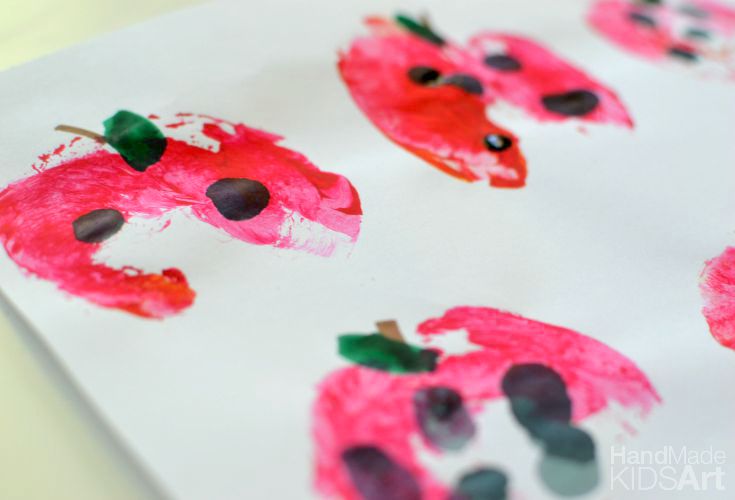
Choose broad themes like nature, water, or colors that can adapt to your child's daily interests. Let their questions guide the specific activities within that theme.
Collect everyday items like cardboard tubes, recycled containers, or natural objects from your yard. These low-cost materials often spark more creativity than expensive toys.
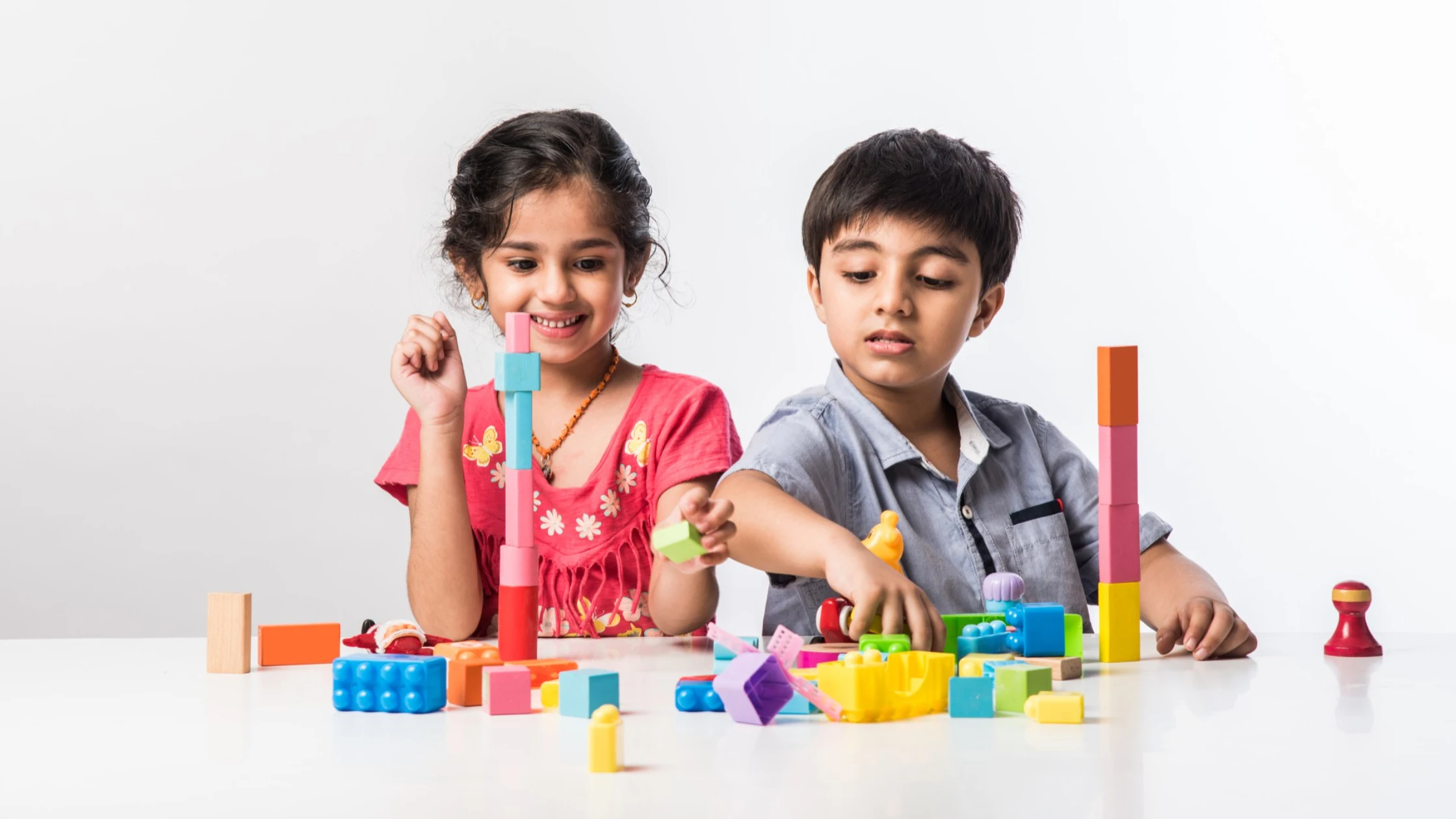
Set up stations where children can explore freely. A table with water and cups, a bin with blocks, or a wall with washable markers invites sustained engagement.
15 Preschool Activities for Summer Learning: Crafts, Songs, and Play
Start with these 15 preschool activities for summer learning to keep young minds engaged without the pressure of formal lessons. Each step blends crafts, songs, and play into simple, visual tutorials designed for quick setup and maximum fun.
-
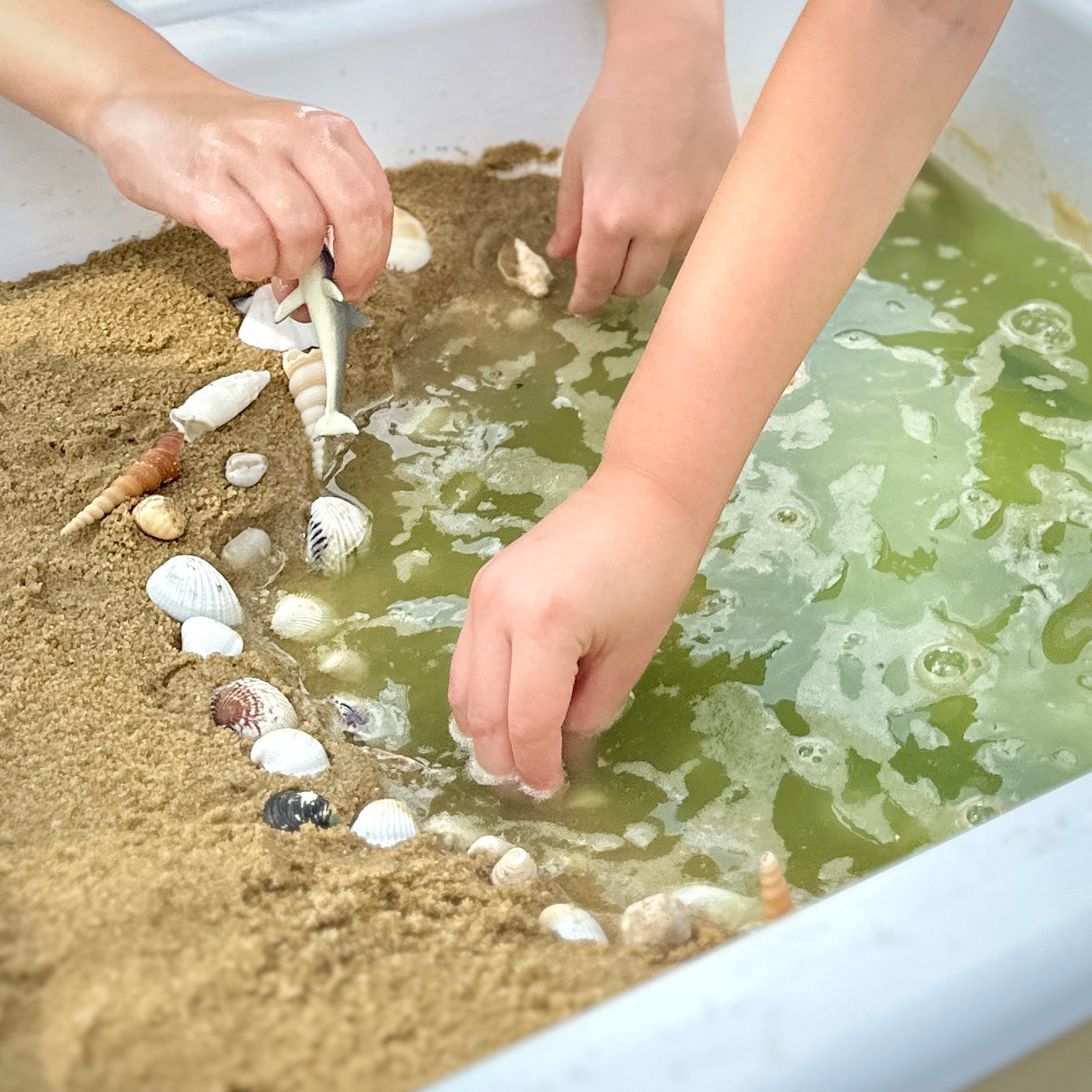
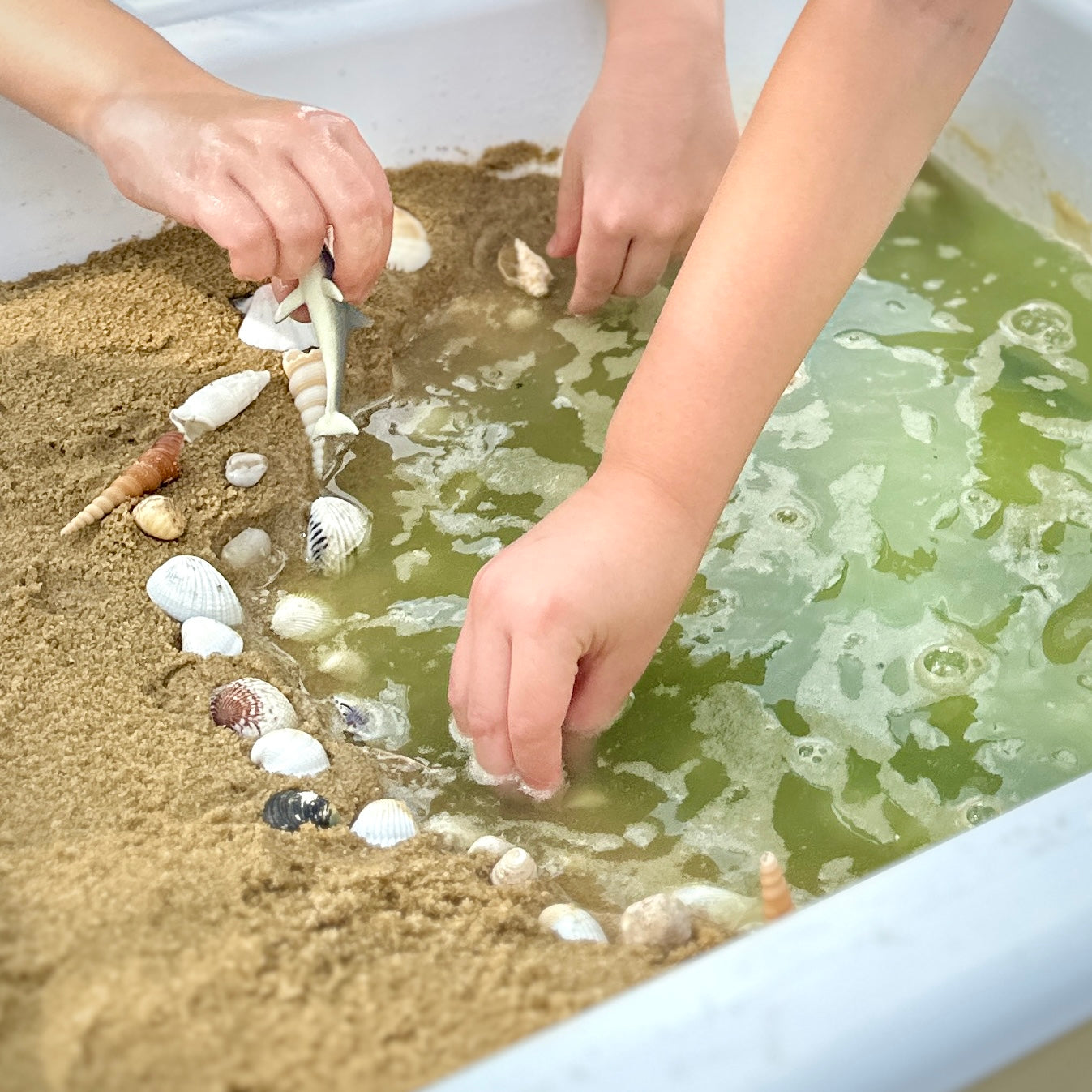
sand and water sensory bin exploration
Create a calming sensory station using a shallow bin filled with damp sand and water. Let preschoolers use cups, spoons, and funnels to pour, scoop, and observe how the materials interact. This tactile play supports fine motor development and introduces early concepts of volume and displacement. The cool, wet texture provides soothing feedback on hot summer days, encouraging prolonged engagement and focused attention during independent play sessions. -

leaf rubbing nature art project
Collect smooth, veined leaves from your yard and secure them under thin paper with masking tape. Using the side of a crayon, gently rub over the leaf surface to reveal its intricate texture. This activity connects children with nature while refining their hand-eye coordination and pressure control. The resulting artwork serves as a tangible memory of summer walks, allowing kids to explore patterns and colors found in their immediate outdoor environment. -
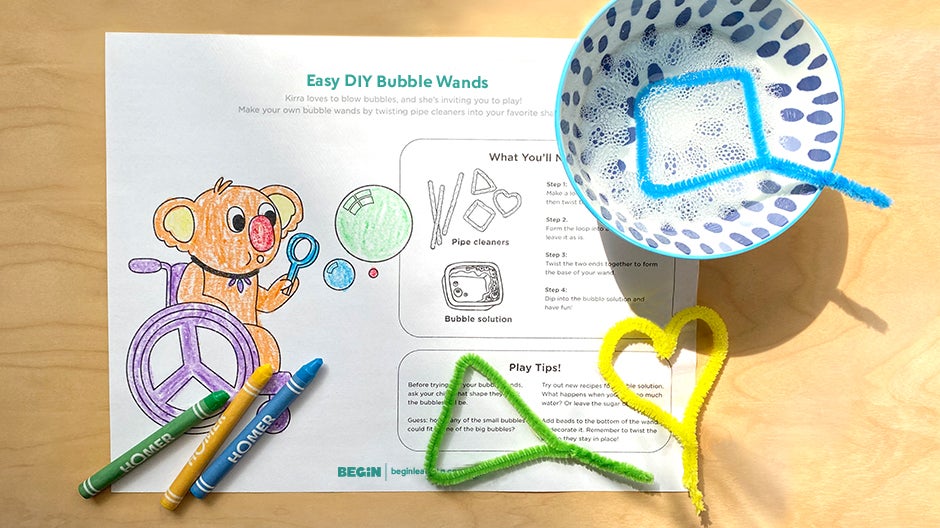
homemade bubble solution and wand crafting
Mix dish soap, water, and a touch of corn syrup to create a durable bubble mixture. Cut pipe cleaners into various shapes like stars or spirals to serve as custom wands. This craft blends simple chemistry with creative design, teaching kids how ingredients affect bubble strength. Blowing through unique wand shapes produces unexpected forms, fostering curiosity and problem-solving skills as they experiment with different angles and blowing techniques. -
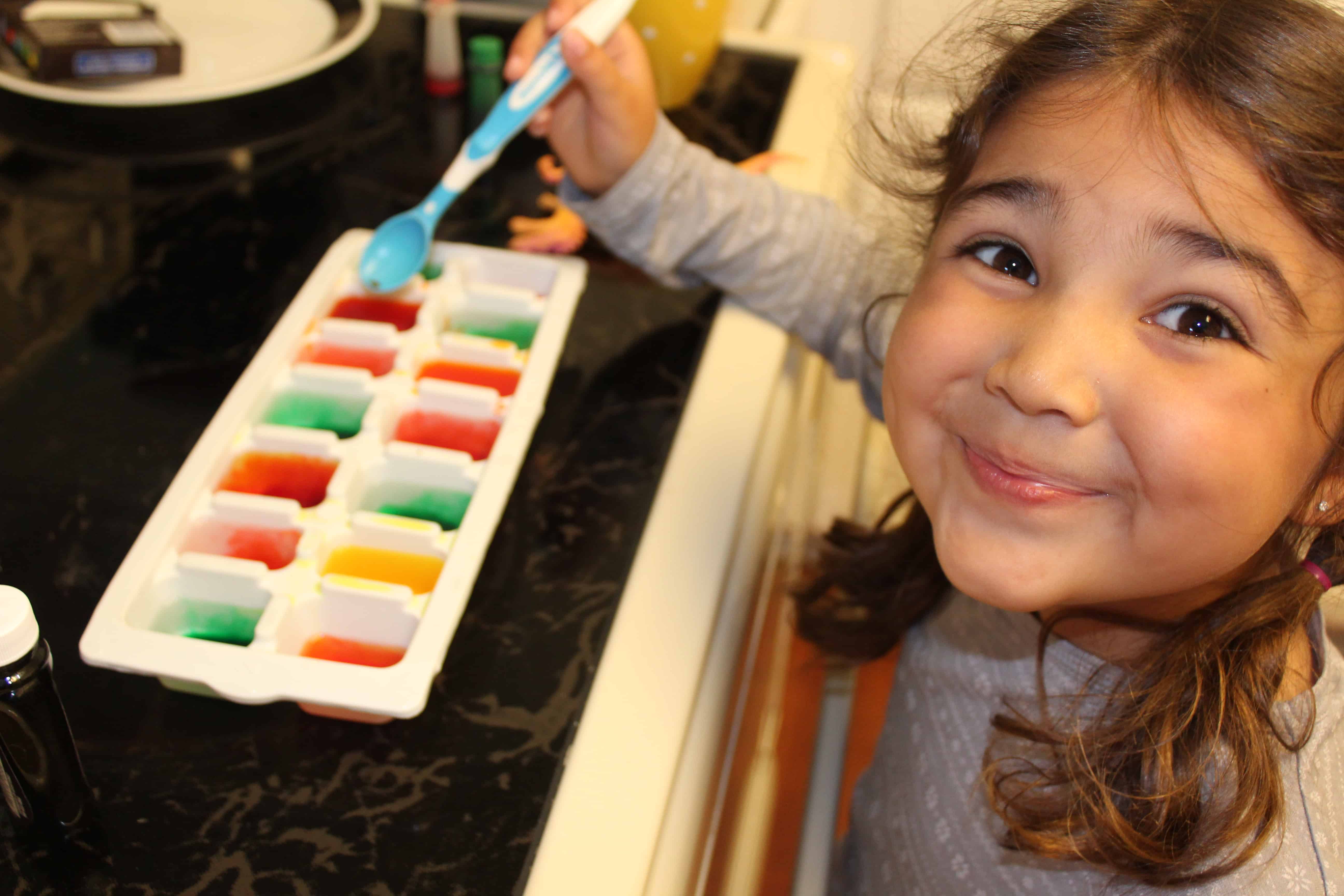
ice cube tray color mixing experiment
Fill an ice cube tray with primary colored water and freeze it solid. Once set, let children combine the colored ice cubes in a bowl to observe secondary colors forming as they melt. This hands-on science experiment makes abstract color theory concrete and visible. The cold temperature offers a refreshing summer activity, while the gradual melting process encourages patience and careful observation of chemical changes in a controlled, safe environment. -

chalk sidewalk shape tracing game
Draw large geometric shapes on the driveway using bold sidewalk chalk. Invite children to trace the outlines with their fingers or walk along the lines to practice balance. This active game reinforces shape recognition and spatial awareness through physical movement. The temporary nature of chalk allows for endless variations, encouraging creativity as kids add details to their shapes or invent new patterns for friends to follow during outdoor playtime. -
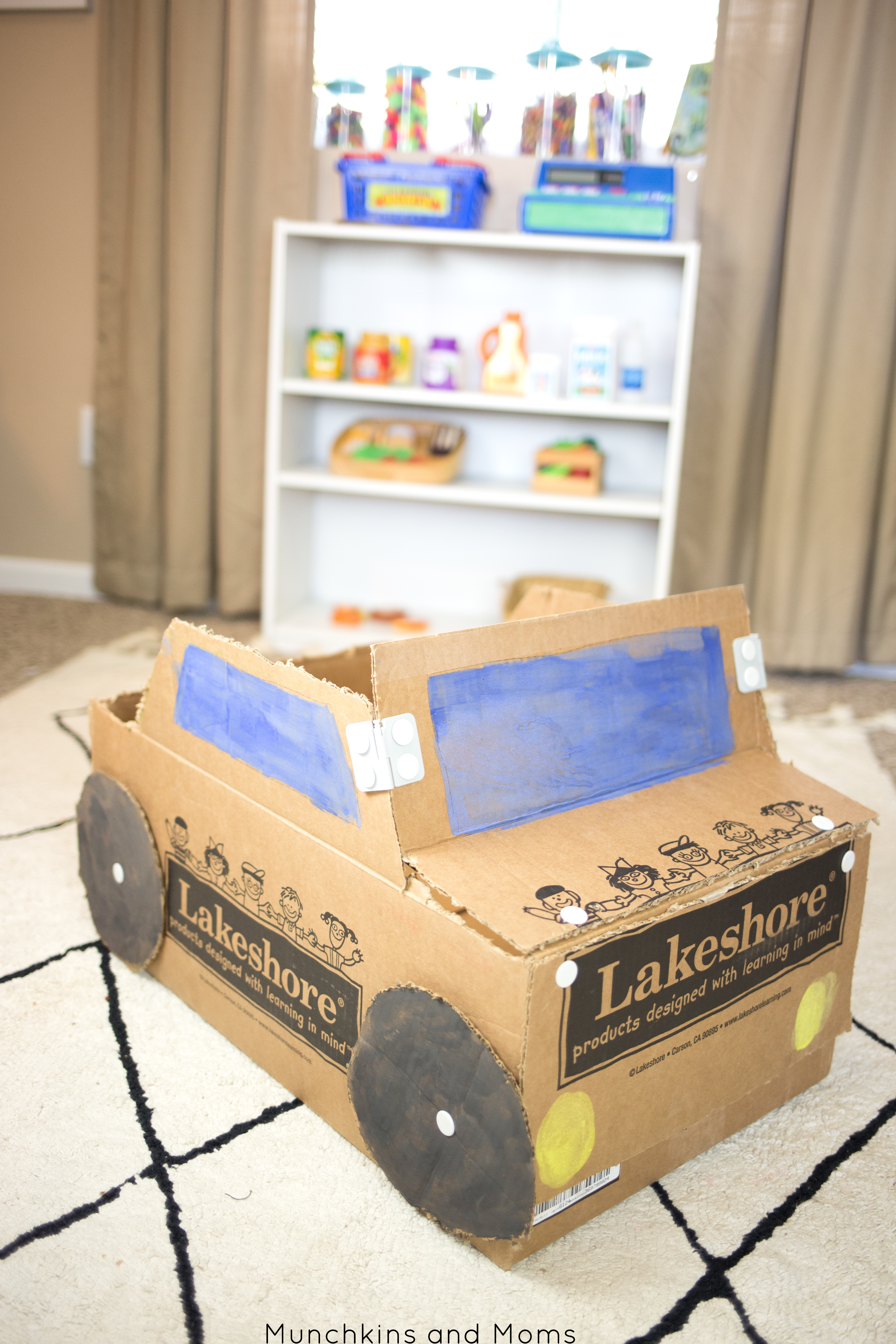
cardboard box vehicle construction activity
Transform large delivery boxes into drivable race cars or futuristic spaceships. Cut out wheel arches and steering wheels, then let your child decorate the exterior with markers and stickers. This open-ended project builds spatial reasoning and fine motor skills as they handle the cutting and taping process. It turns ordinary recycling into an imaginative adventure that encourages cooperative play and creative problem-solving during hot summer afternoons. -
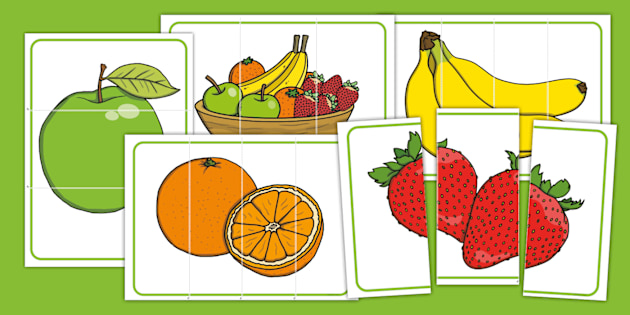
fruit skewer pattern sorting task
Thread colorful fruit pieces onto blunt-tipped skewers to create repeating color sequences. Guide your child to alternate strawberries and blueberries, or arrange melon chunks in size order. This edible activity strengthens pincer grasp and hand-eye coordination while introducing basic pattern recognition. The sweet reward serves as positive reinforcement for completing the sequence, making abstract mathematical concepts tangible and delicious for young learners. -

yarn wrapped rock painting craft
Select smooth river stones and wrap them with colorful yarn to create textured, tactile art pieces. Apply glue to the rock surface, then guide small hands to wind the yarn tightly around the stone. This repetitive motion calms restless fingers and enhances focus. The resulting objects serve as unique paperweights or garden decorations, offering a satisfying sense of completion and a concrete reward for sustained attention. -

musical instrument shaker assembly
Fill empty plastic bottles with dried beans, rice, or pasta to create homemade shakers. Seal the lids securely with tape, then decorate the exterior with stickers or paint. Shake the instruments to different beats, exploring tempo and volume control. This activity introduces basic physics concepts like sound vibration and mass, while encouraging rhythmic movement and auditory discrimination through playful musical experimentation. -

pasta necklace bead threading exercise
Use uncooked penne or rigatoni pasta as beads for threading necklaces. Help your child push a large-eye needle through the pasta holes, creating colorful patterns with dyed or plain noodles. This task requires intense concentration and precise hand movements, significantly improving fine motor control. The finished jewelry provides a wearable accomplishment, boosting self-esteem and offering a tangible reminder of their growing dexterity and patience. -
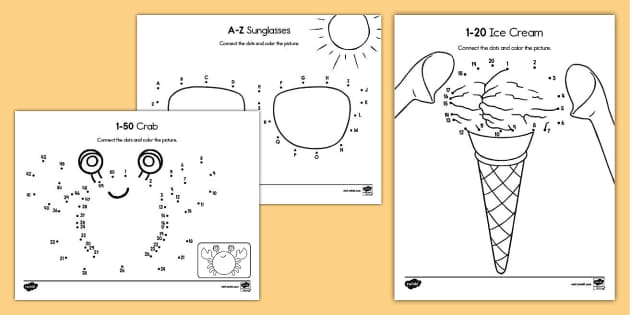
Watercolor paper towel tie dye
Fold white paper towels into squares and secure them with rubber bands. Apply liquid watercolors directly onto the folded bundles, allowing the pigment to bleed through the layers. Let the colors dry completely before removing the bands. This process reveals symmetrical, tie-dye patterns that teach color blending while providing a tactile, mess-minimized art experience for young children. -
Sticker dot art number matching
Place large number cards on a flat surface and scatter dot stickers nearby. Ask the child to place the exact quantity of stickers onto each corresponding number card. This activity reinforces one-to-one correspondence and early numeracy skills through fine motor practice. The visual feedback of filling the space helps solidify number recognition in a playful, low-stress environment. -
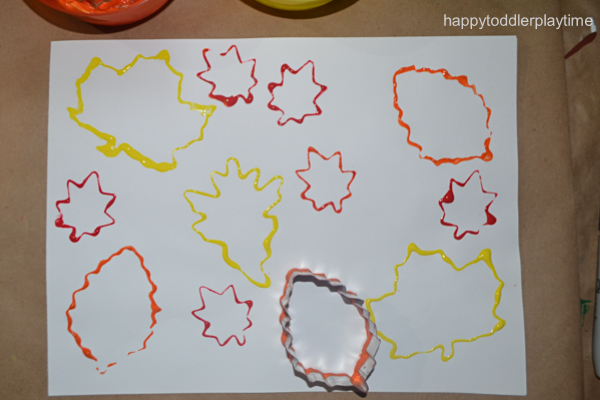
Playdough cookie cutter shape hunt
Roll out a sheet of playdough and press various cookie cutters into it to create impressions. Hide small plastic animals or beads inside the cut-out shapes before removing the excess dough. Children then use the cutters to locate and extract the hidden items. This game enhances spatial awareness and shape recognition while encouraging focused, sensory-based problem-solving. -

Nature scavenger photo checklist
Create a simple checklist with images of common outdoor items like pinecones, smooth rocks, or yellow flowers. Give the child a camera or tablet to photograph each found item rather than collecting them. This approach respects natural habitats while building observation skills. Reviewing the photos afterward reinforces vocabulary and connects visual recognition with real-world exploration in a respectful manner. -
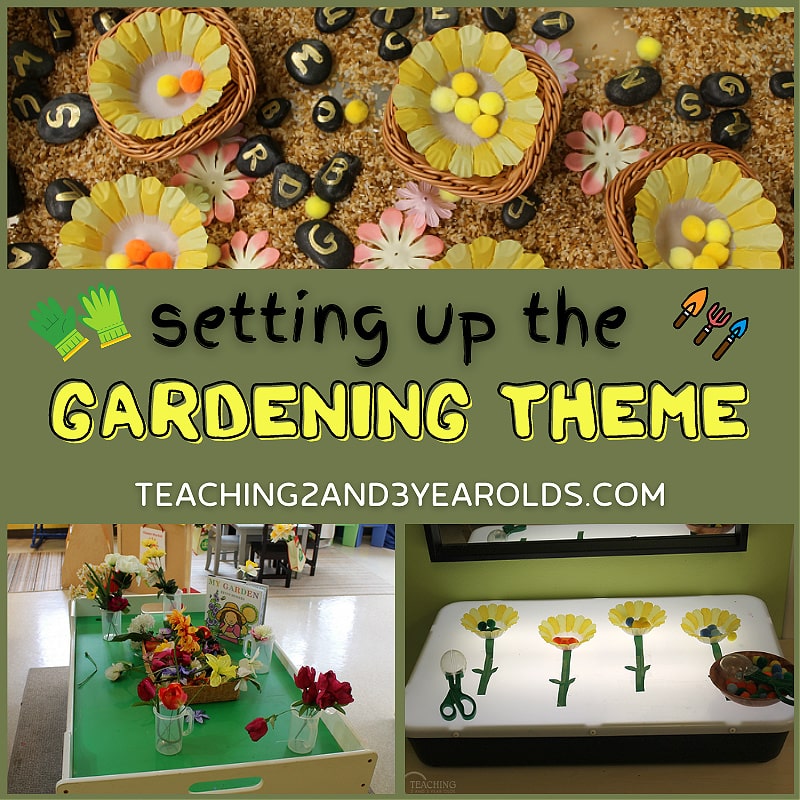
Garden seed planting pot decoration
Decorate small biodegradable pots with non-toxic markers or stickers before adding potting soil. Guide the child to plant fast-growing seeds like radishes or beans at the correct depth. Water the pots gently and place them in sunlight. This routine teaches responsibility and the life cycle of plants, offering a tangible connection to growth and seasonal changes through hands-on care.
15 preschool activities for summer
Summer learning doesn't require worksheets or rigid schedules. The best preschool activities for summer blend crafts, songs, and play into natural moments. These 15 ideas use everyday materials to build motor skills, early literacy, and curiosity while keeping the heat outside or in the shade.
Fill an ice cube tray with warm water and a few drops of liquid watercolor or food coloring. Freeze until solid, then hand the cubes to your child with a large sheet of heavy paper. Watch the colors bleed and mix as the ice melts. This activity teaches color theory and cause-and-effect while cooling hands down. Wipe up spills as they go.
Fill a shallow bin with dry rice, dried beans, or water. Hide plastic animals, large beads, or waterproof toys inside. Provide scoops, tongs, and cups. Let your child dig, sort, and transfer items. This builds fine motor strength and vocabulary for words like full, empty, heavy, and light. Add a few drops of food coloring to water bins for a rainbow effect.
Tape a sheet of bubble wrap to a table or the floor. Place a piece of paper on top. Let your child step on it or press their hands into the bubbles. The popping sound and visual texture engage both hearing and touch. You can also dip the bubbles in washable paint and press paper onto them for a unique stamp pattern. This is a great way to burn off energy indoors on hot days.
Create a simple picture list of items to find outside: a smooth rock, a yellow leaf, a pinecone, a feather. Hand your child a basket or bag. Walk around the yard or a local park. When they find an item, let them inspect it closely before adding it to the collection. This encourages observation skills and physical movement. Discuss textures and colors as you collect.
-
Paint with chalk on pavement. Use sidewalk chalk to draw large shapes or letters. Spray a little water over the chalk to make it run and blend like watercolors. This is messy but easy to rinse away with a hose. It encourages large arm movements which help with future writing skills.
-
Homemade playdough station. Mix flour, salt, water, and cream of tartar to make safe, edible dough. Add food coloring for bright hues. Provide cookie cutters, rolling pins, and plastic knives. Playing with dough strengthens hand muscles needed for holding pencils. Let them make "food" or snakes to coil into shapes.
-
Cardboard box creation. Save large delivery boxes. Let your child cut windows (with supervision), paint the exterior, and imagine a new purpose. It could be a rocket ship, a castle, or a car. This open-ended play boosts creativity and problem-solving. Add cushions and blankets for a cozy fort inside.
-
Water balloon toss. Fill balloons with water and play catch in the yard. Start close together and step back as you succeed. This teaches turn-taking and gentle motor control. If the balloons pop, it adds a fun splash of cool water. Use biodegradable balloons to minimize environmental impact.
-
Shadow tracing at different times. Go outside in the morning, noon, and late afternoon. Trace the shadow of a tree, a fence post, or your child's body with chalk. Compare the lengths and directions. This introduces basic concepts of time and light. It also gets kids moving and observing their environment closely.
-
Sing-along action songs. Play nursery rhymes like "Head, Shoulders, Knees, and Toes" or "The Wheels on the Bus." Encourage your child to act out the lyrics with big movements. Singing supports language development and memory. Add simple instruments like shakers or drums to keep rhythm.
-
Leaf rubbing art. Collect different types of leaves from outside. Place them vein-side up under a thin sheet of paper. Use the side of a crayon to rub over the paper. The texture of the leaf appears clearly. Sort the leaves by shape or color afterward. This connects art with nature study.
-
Magnetic tile building. Use magnetic tiles to construct towers, bridges, or simple houses. Discuss stability and balance as you build. Ask questions like "What happens if we put the big piece on top?" This introduces basic engineering concepts. Clean up is easy since the pieces snap together and apart quickly.
-
DIY obstacle course. Use pillows, chairs, and tape to create a path. Crawl under chairs, jump over pillows, and walk along a tape line. Time your child or just let them explore the sequence. This improves coordination and spatial awareness. Change the course every few days to keep it fresh.
-
Storytelling with puppets. Make puppets from paper bags or socks. Create a simple story and act it out together. This encourages verbal expression and imagination. You can also use this to discuss emotions or daily events. It’s a quiet activity that works well for wind-down time.
-
Garden planting. Give your child a small pot, soil, and fast-growing seeds like beans or sunflowers. Let them dig, plant, and water. Discuss what plants need to grow. Check on them daily. This teaches responsibility and biology basics. Harvest and eat the vegetables if you grow edibles.
These preschool activities for summer keep learning playful and stress-free. You don't need expensive kits or perfect weather. Just a little time and some common household items are enough to spark curiosity.
Set up the learning space
Creating a dedicated area for summer learning activities helps preschoolers transition into a focused mindset without the pressure of a formal classroom. A well-organized space reduces distractions and makes cleanup easier, turning potential chaos into a smooth routine. Start by clearing a low table or a large rug area where materials are visible and within reach. This physical setup supports the development of fine motor skills and independent exploration, which are core components of early childhood education.
Keep supplies in clear, labeled bins or baskets. When children can see exactly what is available—whether it’s washable markers, playdough, or puzzle pieces—they are more likely to engage with the materials. Group items by activity type to streamline the process. For example, place all crafting tools in one bin and sensory items in another. This organization encourages self-direction and helps maintain order during play.
Ensure the area is well-lit and free from high-traffic zones. Natural light is ideal for arts and crafts, while a quieter corner may be better for reading or quiet puzzles. The goal is to create an inviting environment that feels safe and accessible, encouraging your child to initiate activities on their own.
Frequently asked questions about preschool summer activities
What activities do kids do in preschool?
Preschoolers learn through hands-on exploration and physical movement. Teachers provide opportunities for children to run, jump, climb, throw, and catch. Inside the classroom, kids use their hands to explore materials like paints, playdough, puzzles, sand, and writing tools. These activities build fine and gross motor skills while encouraging curiosity.
How can I keep my preschooler learning over the summer?
Summer learning doesn't require a structured curriculum. Focus on playful interactions that mirror classroom themes. Read books together, visit the library, or create simple crafts using household items. Short, daily bursts of activity—like sorting laundry by color or counting steps—keep cognitive skills sharp without feeling like school.
What are the best summer crafts for preschoolers?
The best crafts are low-mess and process-oriented rather than product-focused. Finger painting, nature collages, and watercolor scribbling allow children to experiment with textures and colors. Avoid activities that require precise cutting or complex instructions; instead, choose projects that let them explore materials freely.
No comments yet. Be the first to share your thoughts!