
Why screen-free summer play matters
Summer offers a rare window to slow down. Without the rigid structure of school or the constant pull of digital devices, preschoolers can explore their environment at their own pace. This unstructured time is not just idle; it is where foundational skills like problem-solving, creativity, and emotional regulation take root.
Tactile play serves as the primary engine for this development. When a child molds clay, digs in sand, or stacks blocks, they are engaging their senses in ways screens cannot replicate. This physical interaction strengthens fine motor skills and builds neural connections that support later learning.
The goal of these ten activities is to provide simple, accessible ways to facilitate this kind of deep, focused play. By removing screens and introducing open-ended materials, you create space for your child to lead their own discovery. This approach shifts the dynamic from passive consumption to active creation, making summer a season of genuine growth rather than just a break.
10 Screen-Free Preschool Activities for Summer 2026
Keep your preschooler engaged this summer with these ten hands-on, screen-free activities designed to spark creativity and motor skills. Each task requires minimal prep and uses common household items, making it easy to transition from play to learning without digital distractions.
-
:upscale()/2020/07/12/894/n/46776487/545c5fc25f0b72605363d3.82620746_.jpg)
Build a backyard obstacle course
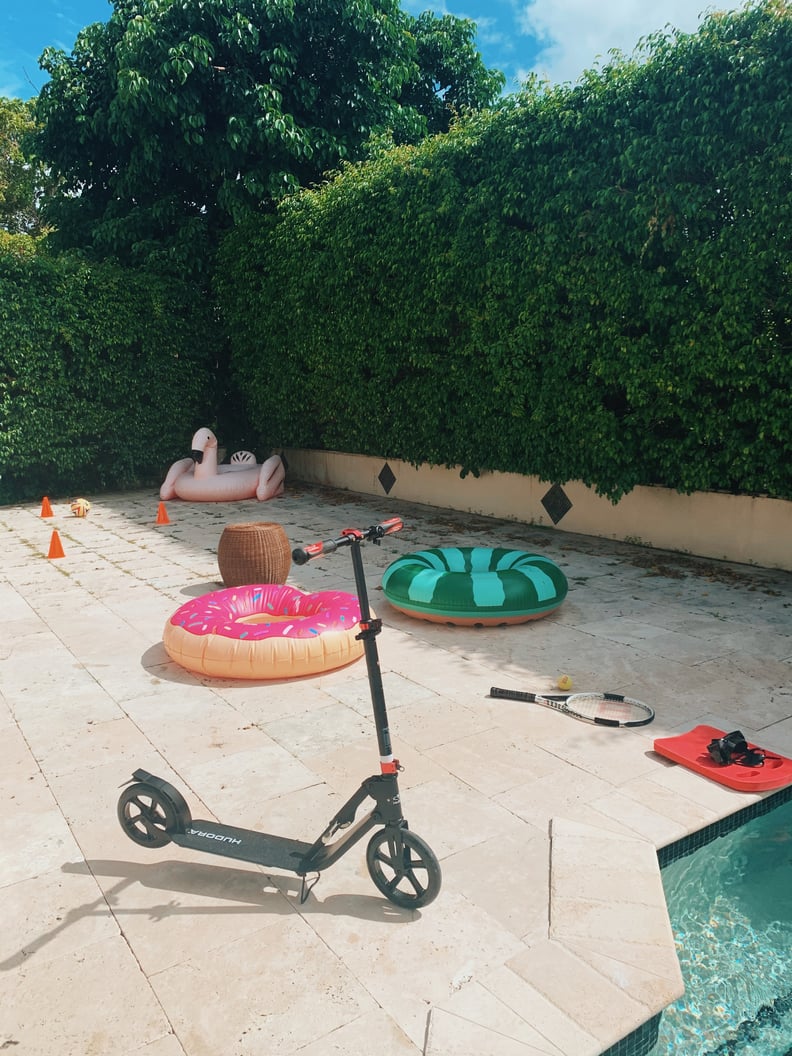
Transform your yard into an adventure zone using hula hoops, garden hoses, and pool noodles. Lay out hoops for jumping, stretch a hose for balancing, and weave noodles under for crawling. This physical challenge builds gross motor skills and coordination while letting kids burn off summer energy. The open-ended layout encourages creativity as they invent their own routes and rules for each run. -
Create a sensory rice bin
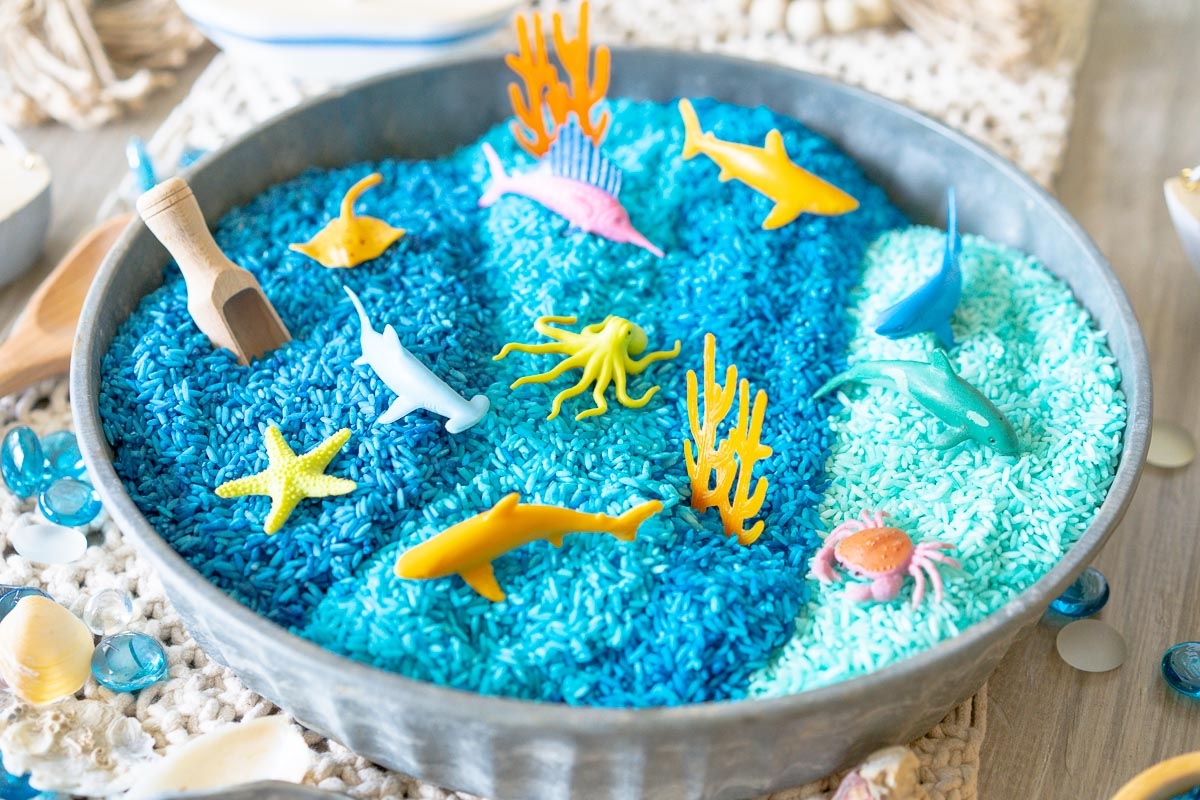
Fill a large plastic tub with dry rice and bury hidden treasures like plastic animals or colorful beads. This tactile experience stimulates fine motor development as little hands sift, scoop, and dig. The loose texture provides calming sensory input, perfect for focused play. Add measuring cups and funnels to extend the activity, turning simple exploration into a lesson in volume and capacity. -
Paint with shaving cream
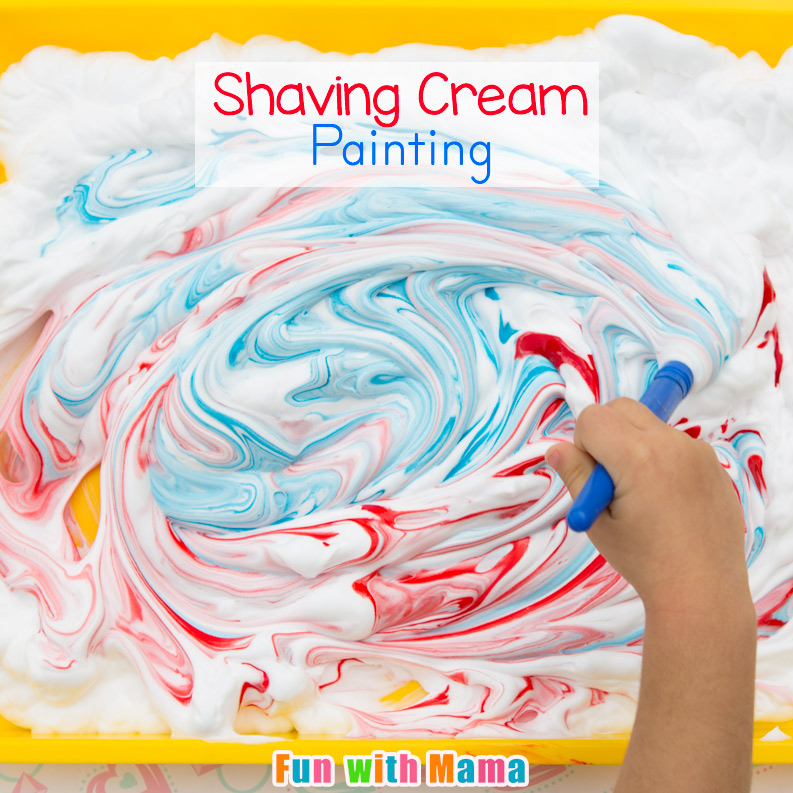
Spread fluffy shaving cream on a tray and add drops of food coloring. Let preschoolers swirl colors together with their fingers or brushes, creating vibrant marbled patterns on paper. This mess-free painting method introduces color mixing concepts without the stickiness of traditional paints. The cool, soft texture engages touch senses, making the artistic process enjoyable and accessible for young artists. -
Make homemade play dough
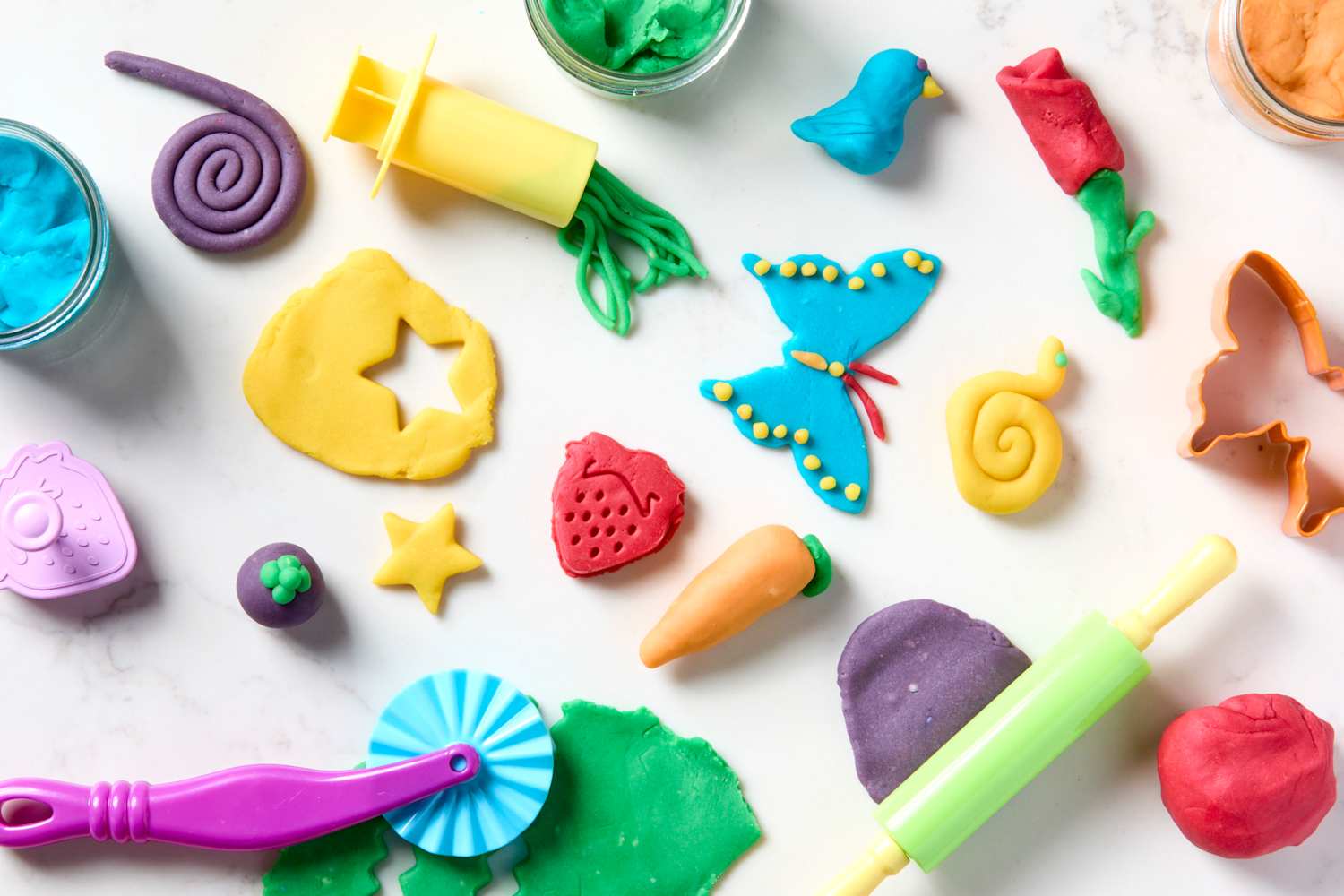
Combine flour, salt, water, and cream of tartar to create a pliable, safe dough for molding. This classic activity strengthens hand muscles essential for writing while encouraging imaginative storytelling through sculpted shapes. Kids can roll, pinch, and cut the dough with cookie cutters. The tactile feedback helps refine fine motor control, providing a satisfying, hands-on creative outlet during hot summer afternoons. -
Sing action songs and rhymes
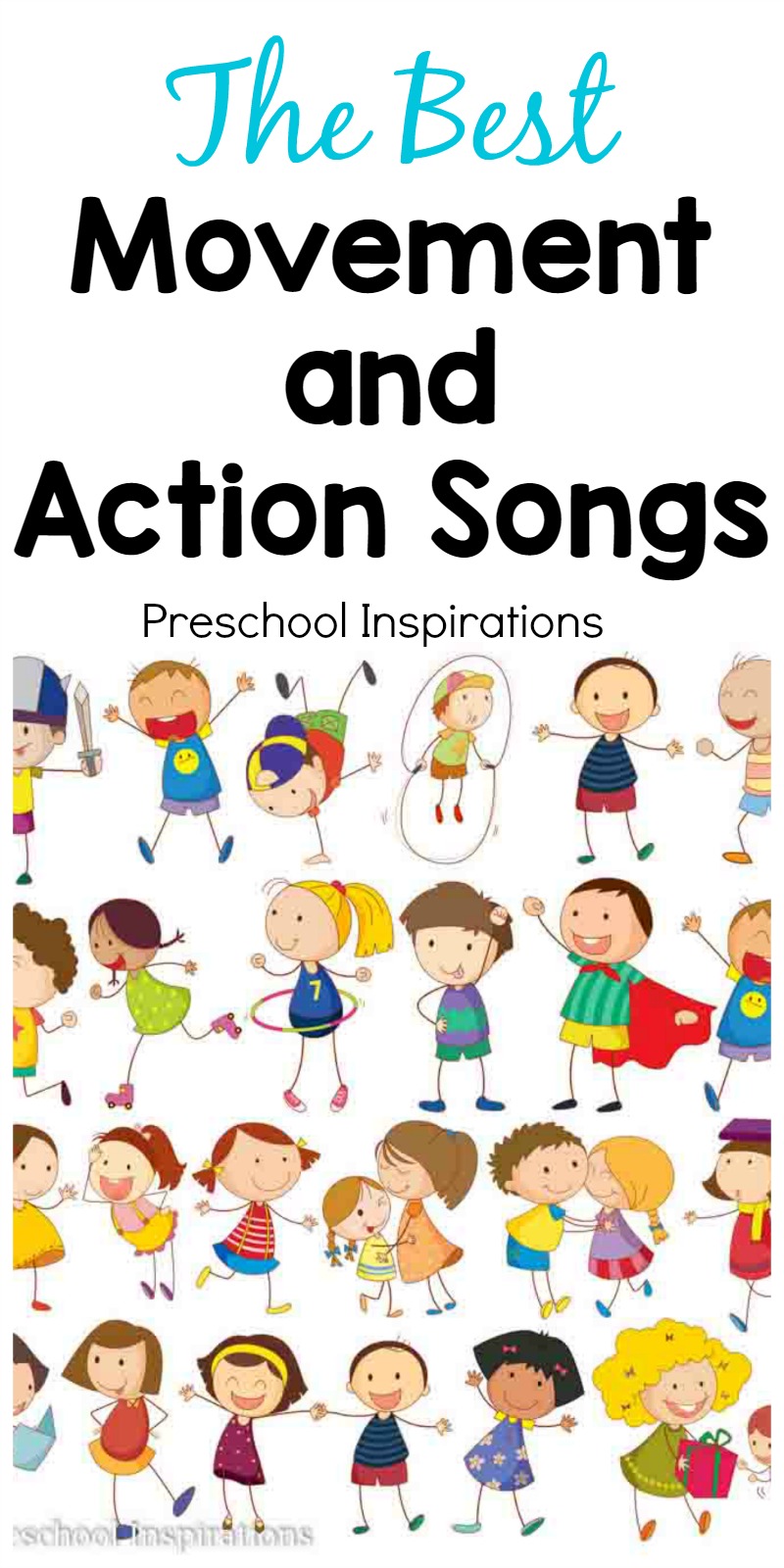
Gather the family for lively nursery rhymes that require movement, like "Head, Shoulders, Knees, and Toes." These songs boost memory and language skills while getting wiggles out. Encourage kids to create their own gestures for familiar tunes, fostering creativity and confidence. The rhythmic nature of rhymes supports phonological awareness, making learning feel like joyful play rather than structured education. -
Go on a nature color hunt
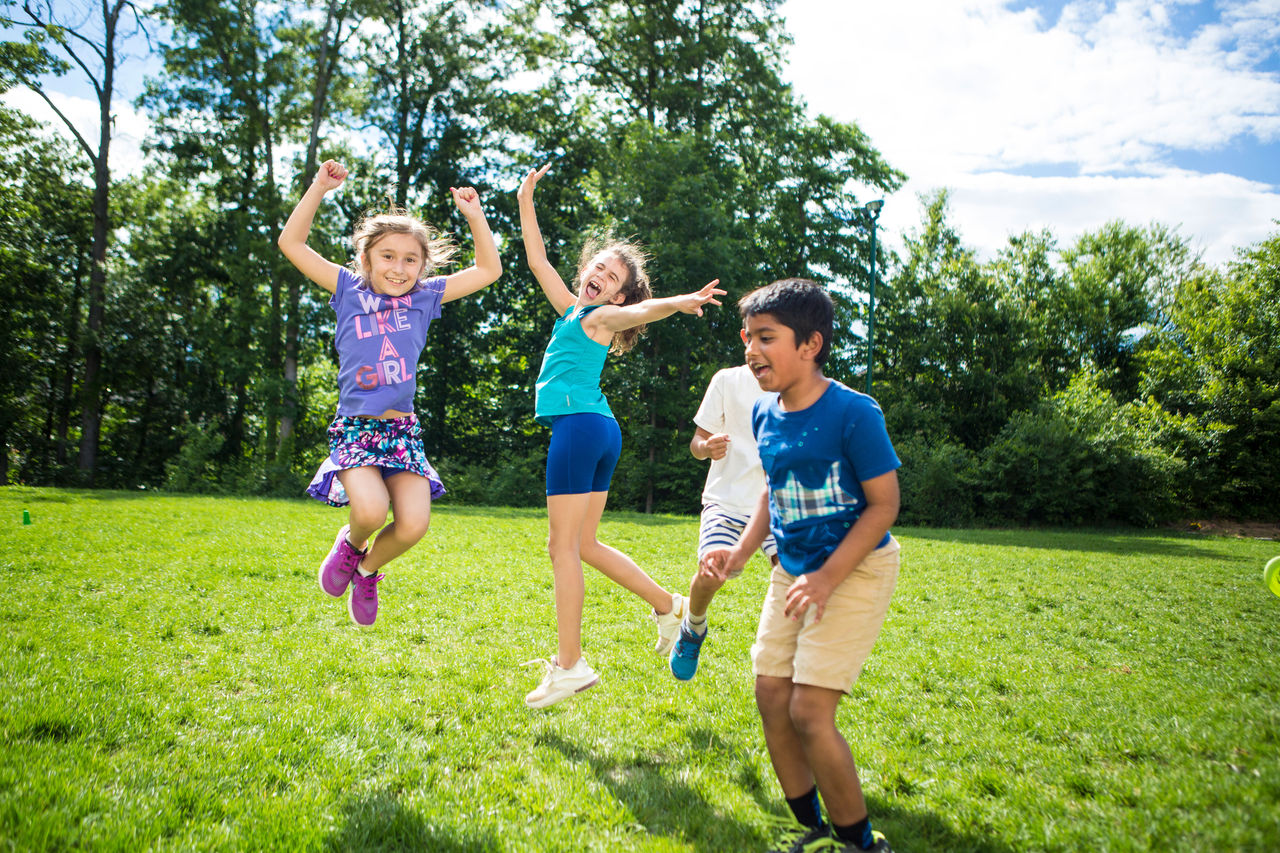
Grab a basket and challenge your preschooler to find specific items matching a set color card. Start with primary colors like red leaves or blue stones, then progress to subtle shades like moss green or sky blue. This outdoor scavenger hunt builds observational skills and vocabulary while keeping little legs moving in the fresh air. It turns a simple walk into an engaging educational game that connects children directly with their natural surroundings. -
Set up a domino run
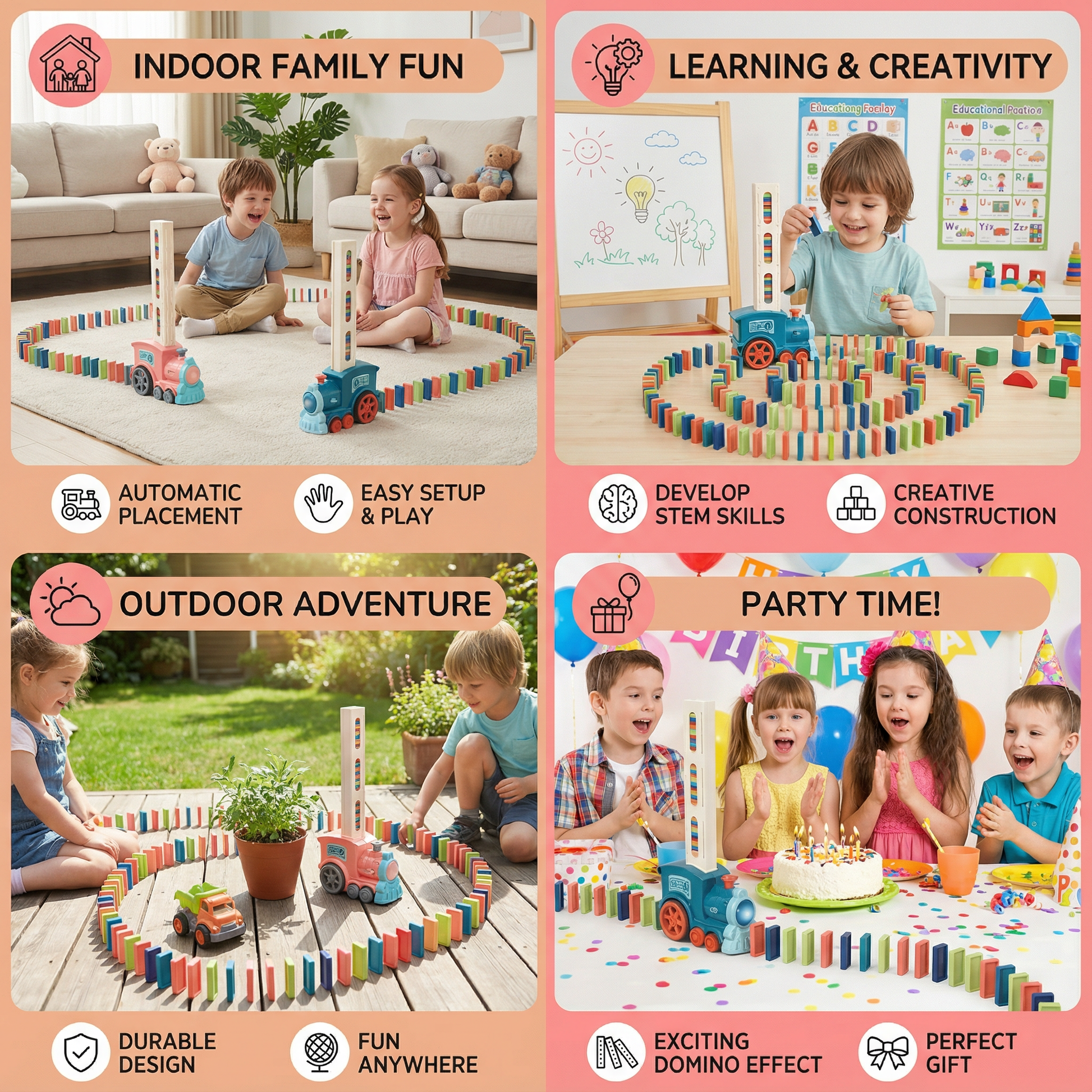
Arrange colorful plastic dominoes in winding paths across the driveway or living room floor. Encourage your child to plan the route, ensuring each piece is spaced correctly for a smooth chain reaction. This activity enhances fine motor control and patience as they carefully place each tile. When the final piece falls, celebrate the satisfying cascade together, reinforcing cause-and-effect concepts through playful, tactile engineering. -

String beads for patterns
Lay out large wooden beads and sturdy string to create repeating sequences like red-blue-red. Guide your preschooler to identify and continue the pattern, fostering early math logic and hand-eye coordination. Use natural elements like pinecones or smooth stones for a tactile twist. This quiet, focused activity calms restless energy while sharpening concentration and providing a tangible sense of accomplishment as each pattern grows longer. -
Build a blanket fort
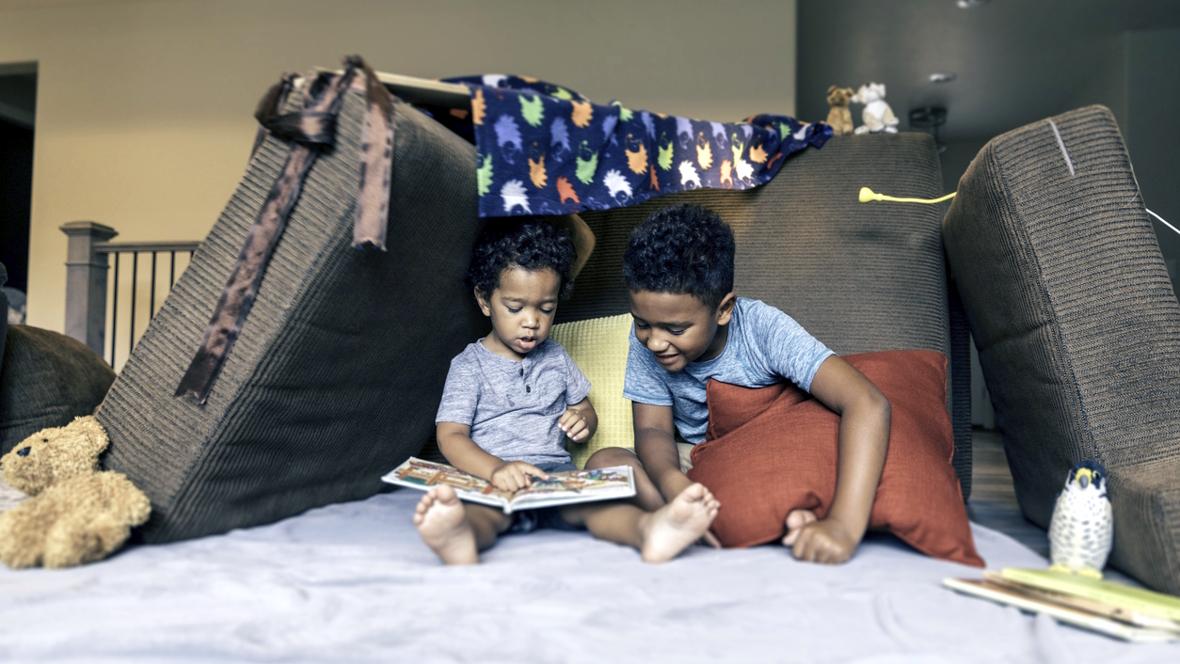
Drape large blankets over chairs, tables, or sofa cushions to create a cozy private hideaway. Let your child arrange pillows for comfort and string battery-operated lights for ambiance. This imaginative construction project boosts spatial reasoning and problem-solving as they figure out how to keep the structure stable. The enclosed space offers a perfect retreat for reading books or sharing secrets, fostering independence and creative play. -

Play store with pretend money
Set up a mock shop using household items as merchandise and play coins as currency. Assign your child roles as cashier or shopper, practicing counting and basic addition during transactions. This role-play scenario teaches social etiquette, turn-taking, and the fundamental concept of exchange. It transforms everyday objects into learning tools, making abstract math concepts concrete and enjoyable through interactive, real-world simulation.
Frequently Asked Questions About Summer Screen-Free Play
Parents often worry that keeping preschoolers engaged without screens requires expensive toys or constant entertainment. The reality is simpler: unstructured play with everyday objects builds the same cognitive and motor skills as structured lessons. Below are answers to the most common concerns about safety, duration, and engagement.
Plan Your Summer Screen-Free Activities
Preparing a few core activities in advance keeps summer mornings calm and engaging. You don’t need to reinvent the wheel every day; a simple rotation of familiar favorites works best.
Start by gathering your supplies. Fill sensory bins with rice or water beads, print out simple play money for store games, and check the weather forecast to decide between indoor crafts or outdoor water play. Having these items ready means you can pivot quickly if your child’s interest shifts.
Once everything is set up, focus on the sequence of play. Let your child lead the activity while you facilitate. This approach builds independence and keeps the experience fun rather than structured like a classroom lesson.

Collect sensory bins, printable games, and art materials before the day begins. This prevents mid-activity frustration and keeps the flow going.
Decide if you’ll stay inside or head outdoors. Rainy days call for messy play like shaving cream painting, while sunny days are perfect for sidewalk chalk or water balloons.
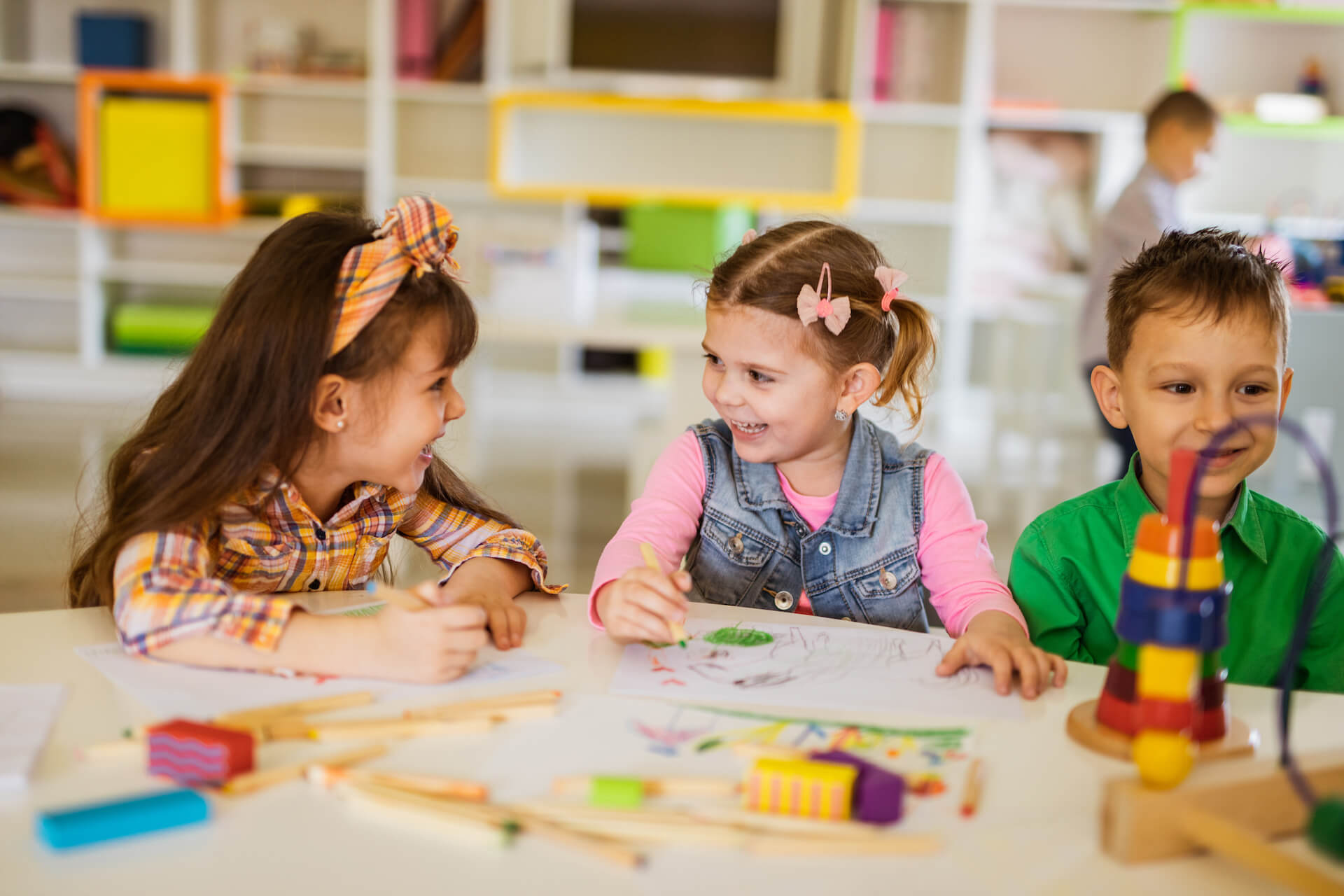
Lay down a tarp or newspaper for easy cleanup. Arrange materials within your child’s reach so they can start playing independently without constant supervision.
No comments yet. Be the first to share your thoughts!