

Why sensory play matters
Sensory play is more than just getting messy; it is a fundamental way young children process information from their environment. When toddlers interact with materials of different textures, temperatures, and consistencies, they stimulate the neural pathways that support cognitive development and emotional regulation. This hands-on exploration helps them build connections between what they see, touch, and hear, laying the groundwork for complex learning skills later in life.
For many preschoolers, especially those who are sensitive to overstimulation, structured sensory activities provide a safe outlet for exploring their world without overwhelming their nervous systems. These low-mess, concrete experiences allow children to practice focus, problem-solving, and fine motor control in a playful, pressure-free setting. By engaging with specific materials, children learn to regulate their responses to sensory input, which can reduce anxiety and improve attention spans during other daily routines.
The Preschool Playbook curates a selection of activities designed with these developmental benefits in mind. Rather than offering generic advice, we focus on practical, home-friendly crafts that target specific sensory needs. Each activity is chosen to support neural growth and emotional balance through accessible, low-mess materials that are easy to set up and clean up. This approach ensures that parents and teachers can provide meaningful sensory experiences that are both effective and manageable in a busy household.
10 Sensory-Friendly Preschool Activities & Crafts for 2026
Navigating sensory needs in early childhood requires activities that engage the senses without overwhelming them or creating chaos. This curated selection of low-mess, home-friendly crafts prioritizes concrete developmental benefits, offering practical, step-by-step guidance for parents and teachers seeking effective sensory support.
-
Sensory bin with kinetic sand
Kinetic sand offers a unique, moldable texture that holds shape without the stickiness of traditional sand, making it ideal for low-mess tactile exploration. Children can sculpt towers or dig tunnels, engaging their proprioceptive senses through resistance. This activity supports fine motor development and calming sensory input, allowing kids to focus on form and structure without the cleanup hassle of loose grains. -
Water beads for fine motor skills
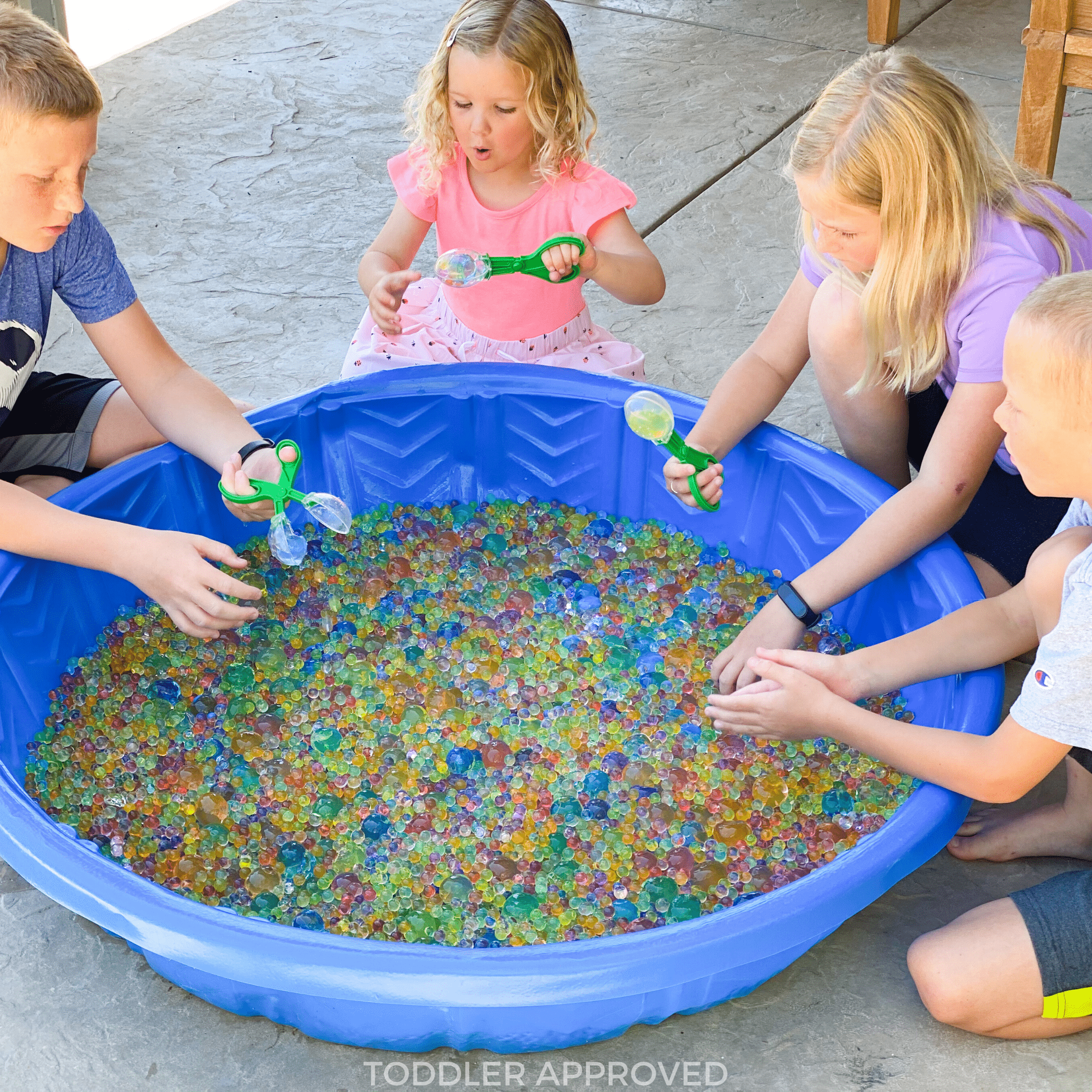
Soaked water beads provide a cool, slippery surface that challenges grip strength and hand-eye coordination. Squeezing them into small containers or sorting by size refines pincer grasp and tactile discrimination. The visual appeal of translucent spheres draws attention, while the varying resistance helps children understand pressure control. This activity is perfect for developing the precise hand movements needed for future writing tasks. -
Playdough with textured tools
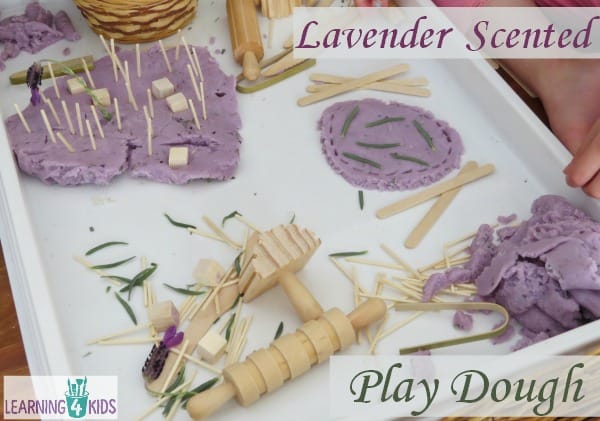
Incorporating tools with varied surfaces, like ridged rollers or bumpy stamps, adds layers of tactile feedback to standard playdough. Pressing these textured implements into the dough creates distinct patterns, enhancing sensory processing and visual tracking. This approach moves beyond simple rolling, encouraging children to explore cause-and-effect relationships while strengthening hand muscles through repetitive pressing and twisting motions. -
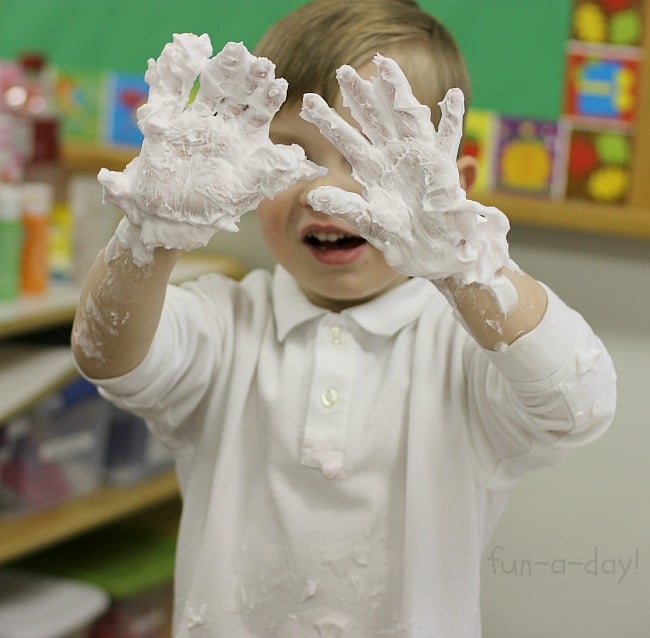
Shaving cream drawing mats
A thin layer of shaving cream on a tray offers a cool, airy medium for finger painting that evaporates quickly, minimizing mess. Children can trace letters or draw shapes, feeling the resistance and smoothness of the foam. This activity supports early literacy and artistic expression through tactile feedback, allowing for easy erasure by simply wiping the surface clean with a cloth. -
Rice bin with hidden treasures
A bin of dry rice provides a flowing, granular texture that responds to digging and sifting. Hiding small, safe objects encourages tactile search skills and sustained attention as children use scoops or their hands to uncover the items. This activity promotes hand-eye coordination and sensory regulation, offering a calming, repetitive motion that helps children focus and process tactile information effectively. -
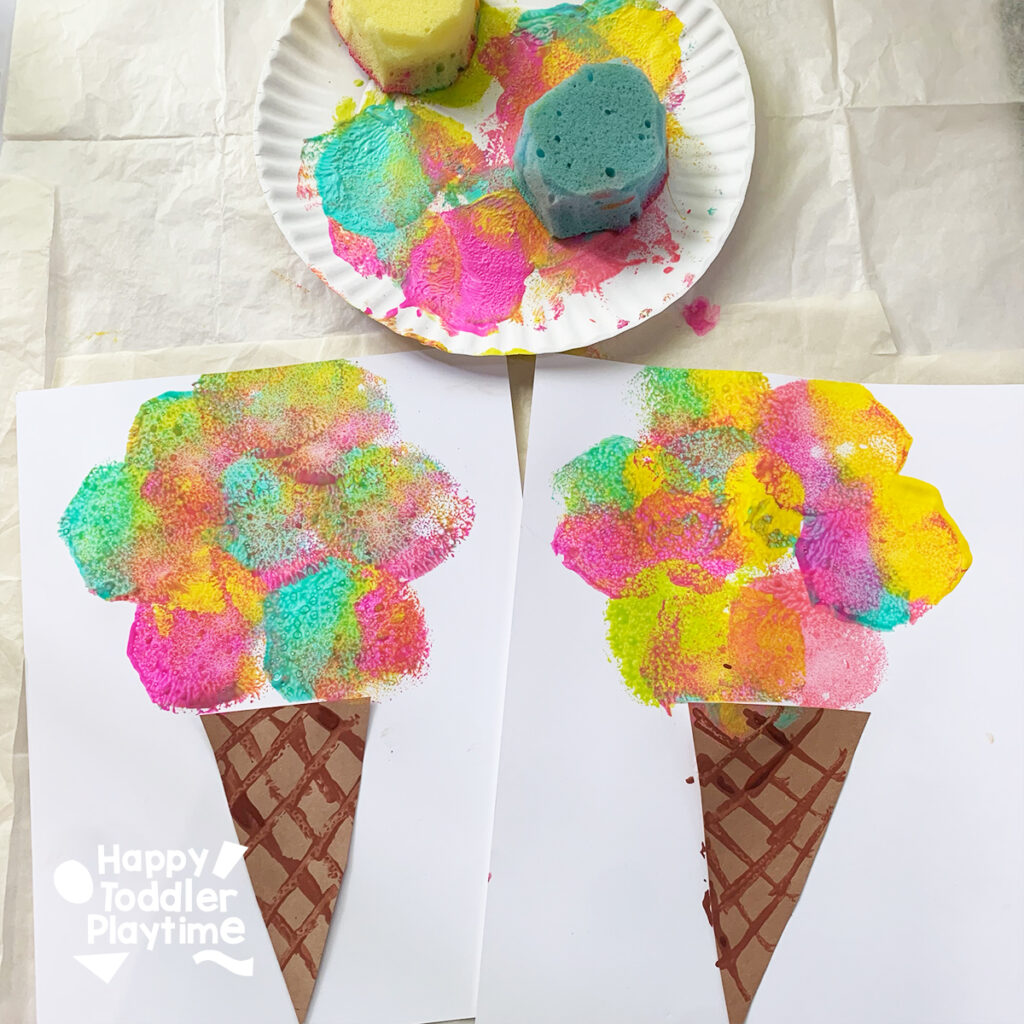
Tactile painting with sponges
Swap brushes for kitchen sponges cut into shapes, allowing preschoolers to press and dab paint onto paper. This method reduces hand fatigue while offering deep pressure input through firm pressing motions. The porous texture of the sponge creates unique, soft-edged patterns that are visually stimulating without being overwhelming. It is an excellent low-mess entry point for children who find traditional brush strokes too precise or controlling, fostering creativity through simple absorption and release. -

Magnetic tile sensory boards
Mount magnetic tiles onto a flat, upright board to create a vertical sensory station. This setup engages proprioceptive input as children reach, push, and pull heavy tiles into place against magnetic resistance. The distinct clicking sound provides immediate auditory feedback, reinforcing cause-and-effect learning. Unlike loose floor tiles, the board contains the activity, reducing visual clutter and helping focused children concentrate on spatial relationships and color matching without the distraction of scattered pieces. -

Fabric scrap sorting games
Provide small bins and assorted fabric scraps with distinct textures like velvet, denim, and fleece. Ask children to sort these materials by feel, color, or texture type, turning abstract concepts into tangible tasks. The varied tactile sensations help desensitize touch aversions while developing fine motor precision during pinching and placing. This quiet, structured activity supports emotional regulation by offering a predictable, repetitive motion that grounds anxious children in a calm, focused environment. -
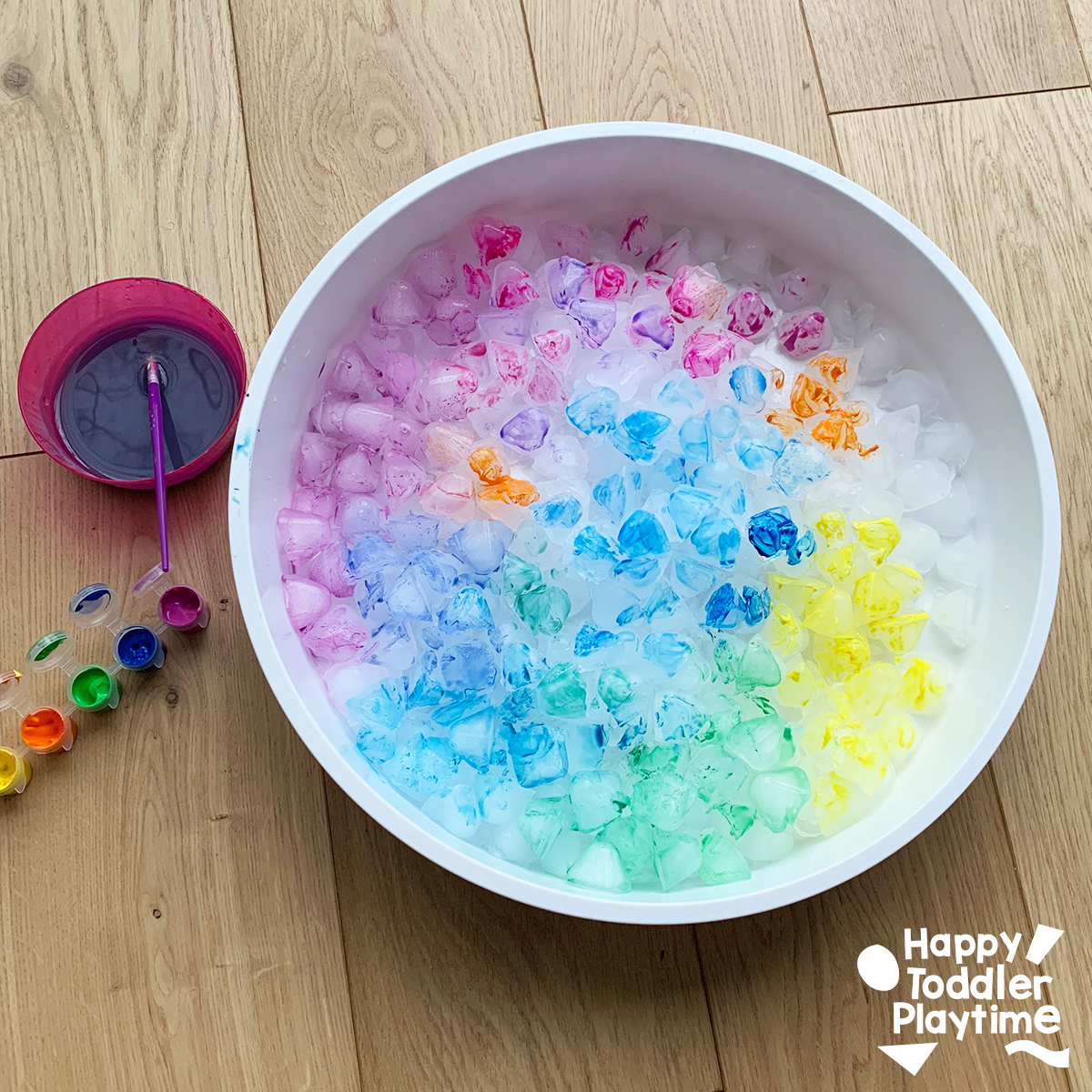
Ice cube tray color mixing
Fill clear ice cube trays with primary watercolors and let children mix secondary colors as the ice melts. This slow-reveal process builds anticipation and patience, as the vibrant hues blend gradually over time. The cold temperature of the melting ice provides a soothing sensory contrast to the warm visual experience of color expansion. Using trays keeps the mess contained, allowing children to observe chemical changes and color theory in a controlled, repeatable format suitable for home tables. -
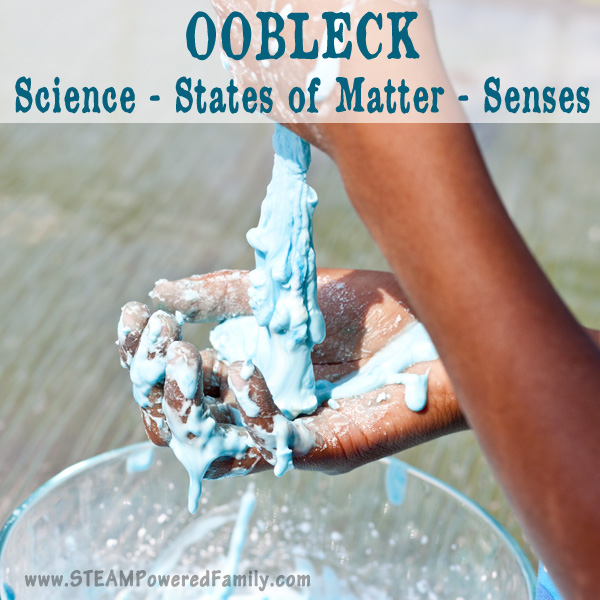
Oobleck science experiments
Create oobleck by mixing cornstarch and water, offering a unique non-Newtonian fluid experience. Children can punch, squeeze, and pour the substance, learning how pressure changes its state from solid to liquid. This hands-on exploration of states of matter engages multiple senses simultaneously, including touch, sight, and sound. While slightly messy, it is easily contained in a large bin and provides intense proprioceptive input through the resistance felt when squeezing the thick mixture.
Start your sensory play routine
You have the activities and the crafts; now it is time to set the stage. Sensory play works best when the environment is predictable and the materials are within reach. A simple bin or tray can transform any corner of your home into a safe learning space. Keep messes contained and use low-mess materials like dry beans or water beads to make cleanup easy for parents and teachers.
Before you begin, gather a few basic supplies. You do not need expensive equipment to support sensory development. A small scoop, a sturdy bin, and safe, age-appropriate materials are all you need to start. Check out The Preschool Playbook for more structured guides and printable resources to keep your routine consistent.
- Plastic storage bins with lids for easy cleanup
- Scoops, spoons, and tongs for fine motor practice
- Safe sensory materials like rice, water, or kinetic sand
- Wipes or a damp cloth for quick mess management
Once your supplies are ready, introduce one activity at a time. Watch how your child interacts with the materials and adjust the setup based on their comfort level. Consistency matters more than complexity. Let the child lead the exploration, and let the sensory experience unfold naturally.


As an Amazon Associate, we may earn from qualifying purchases.
No comments yet. Be the first to share your thoughts!