


Why summer learning feels different
Summer break shifts the rhythm of early childhood education. Without the structure of a daily classroom routine, maintaining engagement requires a different approach. The goal isn't to replicate school, but to keep young minds active through activities that fit naturally into family life.
The challenge lies in balancing unstructured play with intentional learning. Preschoolers thrive on routine, so introducing new activities needs to feel like an extension of play rather than a lesson. This is where The Preschool Playbook becomes essential. It offers a structured yet playful framework designed specifically for parents and teachers navigating this seasonal shift.
Rather than overwhelming caregivers with complex setups, the playbook emphasizes simple, accessible resources. Whether it’s a quick craft using household items or a short outdoor scavenger hunt, these activities are designed to hold attention without requiring extensive preparation. This approach ensures that learning remains joyful and sustainable throughout the warmer months.
By adopting these strategies, you can create a summer environment that supports cognitive and social development while respecting the need for relaxation and freedom. The Preschool Playbook provides the tools to make this balance achievable, turning potential boredom into opportunities for growth.
10 Summer Preschool Activities: The Preschool Playbook Guide
Summer heat calls for activities that keep little minds active without overwhelming your schedule. The Preschool Playbook offers structured play solutions, featuring concrete tools like sensory bins and water beads to turn downtime into developmental learning.
-

Water table sensory bins
Transform a simple plastic tub into a cooling oasis with water beads and floating cups. This setup encourages fine motor skills as children scoop and pour, keeping hands busy while the heat rises. The tactile feedback of squishy beads offers soothing sensory input, making it an ideal indoor-outdoor bridge activity that requires minimal cleanup yet provides maximum engagement for restless summer energy. -

Sidewalk chalk alphabet games
Turn the driveway into a learning lab by drawing giant letter outlines for kids to fill in with chalk. This outdoor activity combines gross motor movement with early literacy, helping children recognize shapes and strokes in a fun, physical way. It is a zero-cost resource that turns a blank concrete surface into an interactive classroom, perfect for burning off energy while reinforcing foundational reading skills. -
Garden planting stations
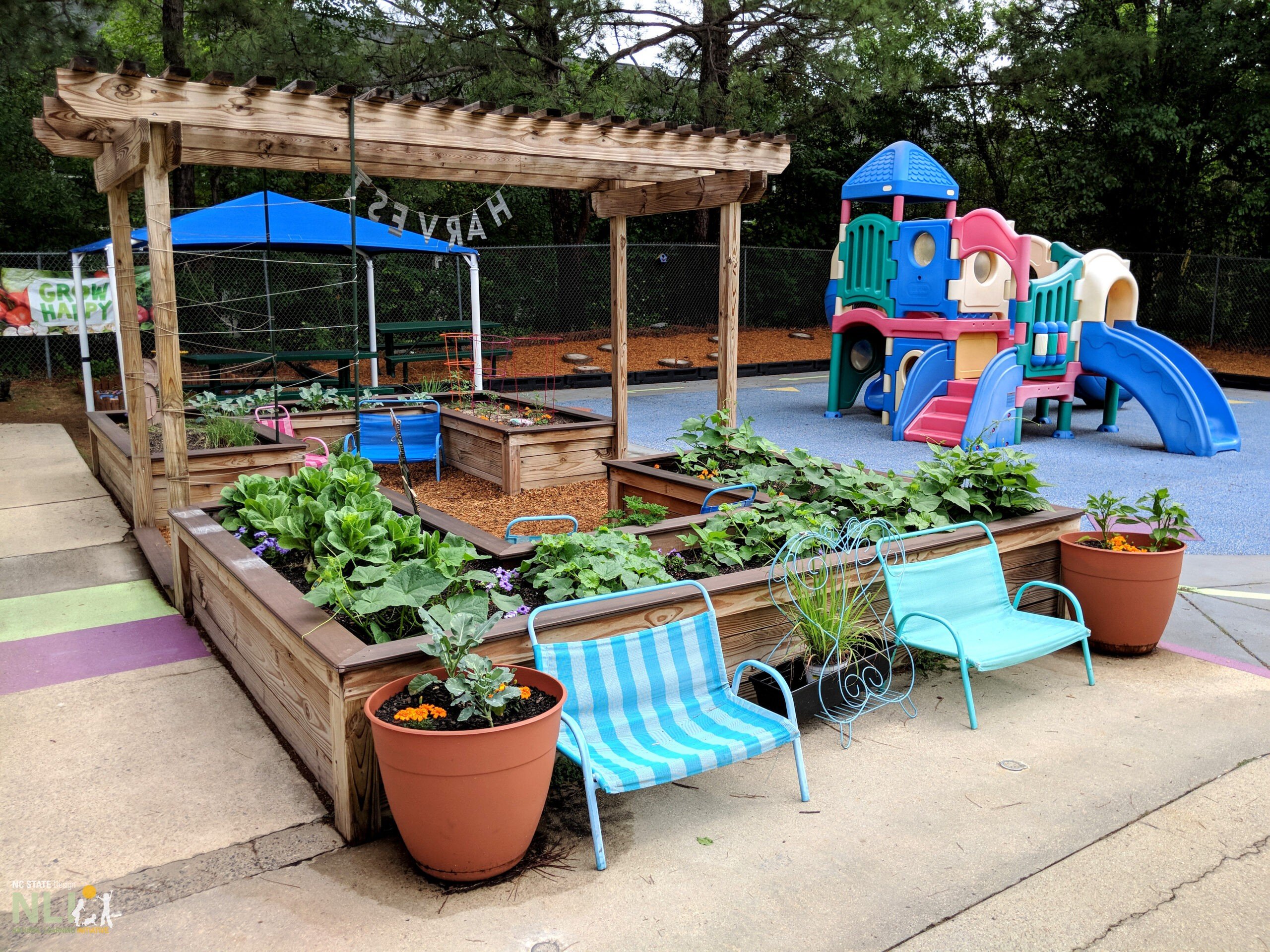
Set up small pots with fast-growing seeds like radishes or sunflowers to teach responsibility and biology. Assigning each child a specific plant to water and watch creates a tangible connection to nature’s growth cycles. This hands-on approach fosters patience and care, turning a simple gardening task into a daily ritual that connects preschoolers with the earth and the changing seasons of summer. -
Nursery rhyme movement songs
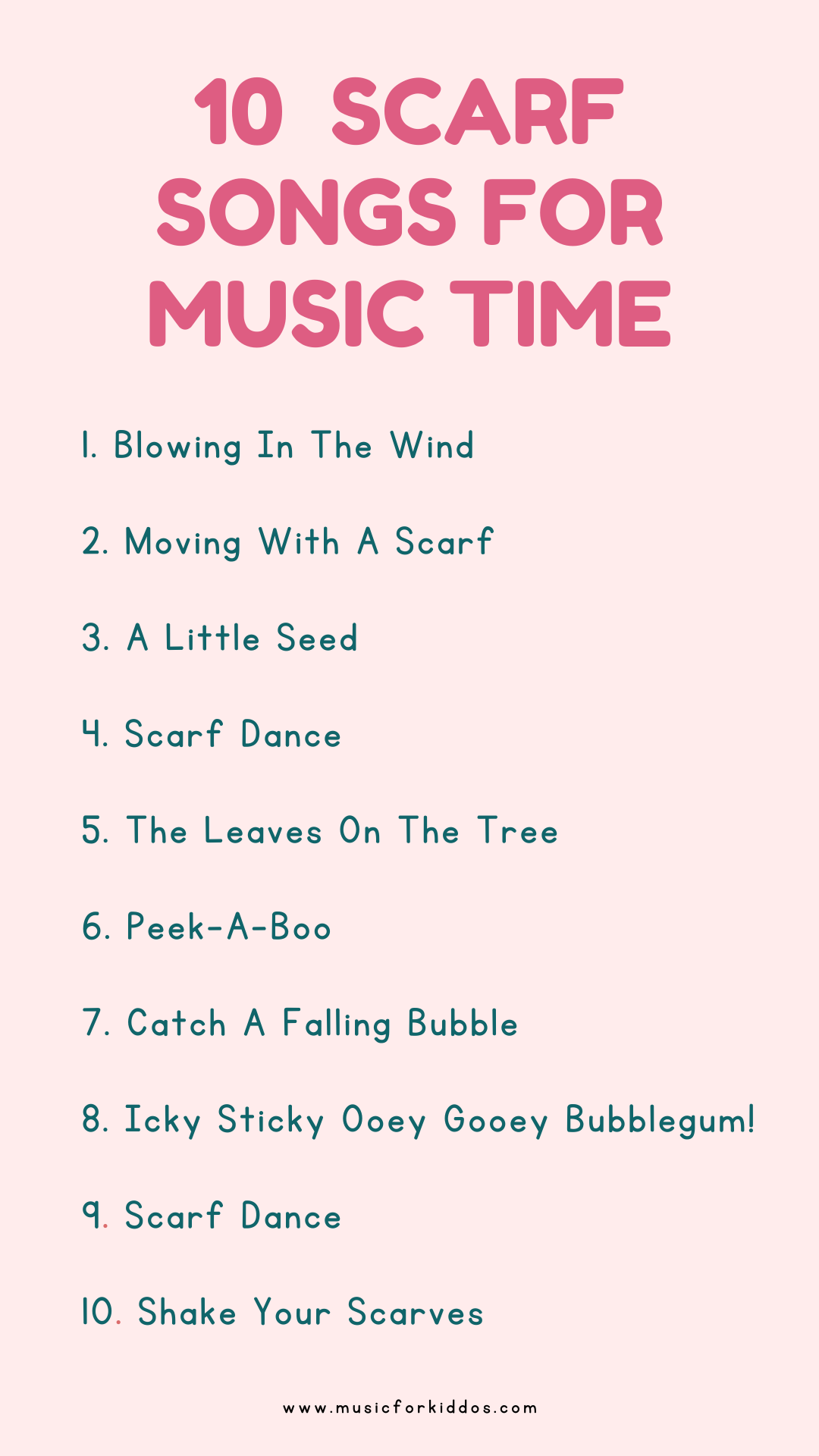
Use colorful scarves to act out classic rhymes like "Itsy Bitsy Spider" or "Row, Row, Row Your Boat." This dynamic activity blends music with physical coordination, helping children develop rhythm and body awareness. The visual aid of the scarf makes abstract concepts concrete, allowing little ones to express themselves through dance while strengthening the neural pathways associated with language and memory. -
DIY nature scavenger hunts
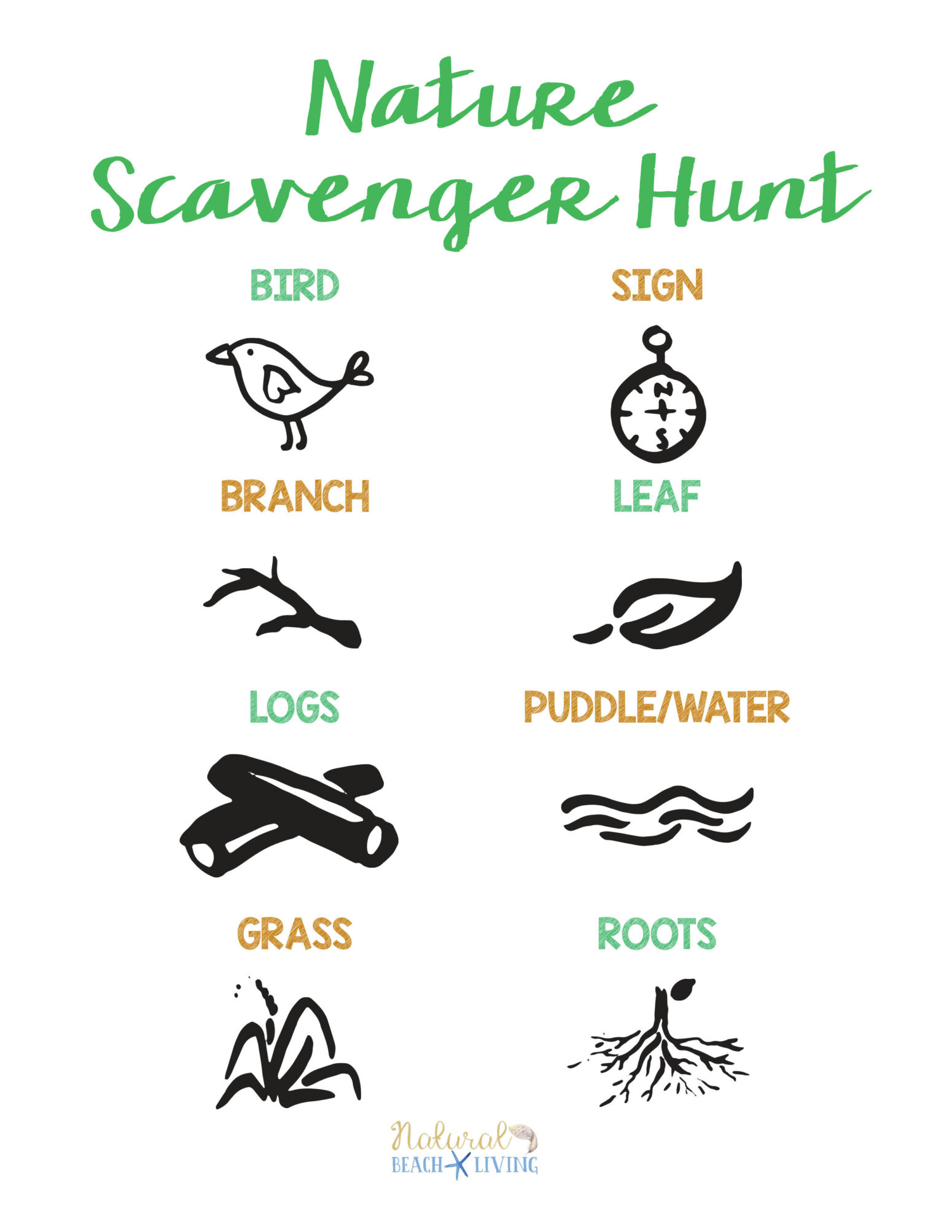
Create simple picture-based lists for kids to find leaves, rocks, or pinecones during a backyard walk. This guided exploration encourages observation skills and curiosity about the natural world without requiring complex instructions. By focusing on specific items, children learn to look closer at their environment, turning a casual stroll into an educational adventure that builds vocabulary and attention to detail. -
Playdough summer themes
Transform standard modeling compound into seasonal adventures by embedding small plastic fruits, beach balls, or sun-shaped cutters into the dough. This tactile extension of The Preschool Playbook’s sensory philosophy encourages fine motor development while keeping little hands cool. Parents can mix in food coloring for vibrant orange pumpkin or bright yellow lemon themes, creating a safe, edible-safe creative space that requires zero cleanup beyond a quick wash. -

Digital storytime apps
Leverage interactive storytelling platforms like Epic! or Storyline Online to bring summer tales to life during hot afternoons. These apps offer read-along features with animated illustrations that keep preschoolers engaged without excessive screen time. Pair a digital read with a related offline craft, such as drawing the main character, to bridge the gap between passive consumption and active creativity, ensuring learning remains balanced and purposeful. -

Musical instrument crafting
Turn empty tissue boxes and rubber bands into simple guitars, or fill plastic bottles with dried rice for shakers. This hands-on project aligns with The Preschool Playbook’s emphasis on open-ended play, allowing children to explore rhythm and sound production. As they decorate their instruments with stickers or paint, they develop spatial awareness and auditory discrimination, turning ordinary household recyclables into personalized concert tools for backyard performances. -
Preschool Playbook activity kits
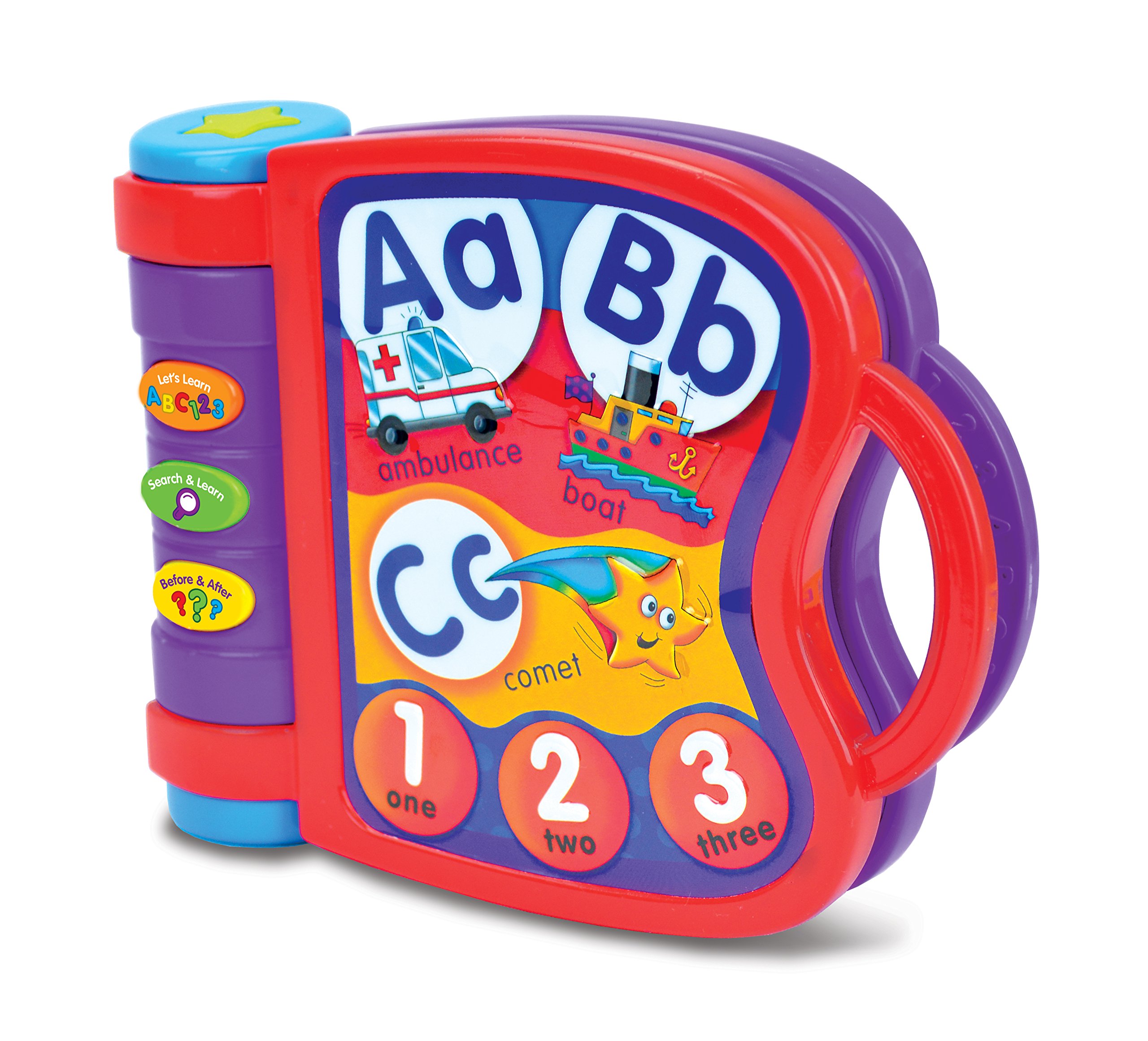
Utilize structured activity kits from The Learning Journey to provide guided, curriculum-aligned play without the planning stress. These kits often include themed worksheets, manipulatives, and clear instructions that support early literacy and numeracy skills. By following the preset activities, parents ensure their children are building foundational cognitive skills through play, making it an ideal solution for maintaining educational momentum throughout the summer break. -
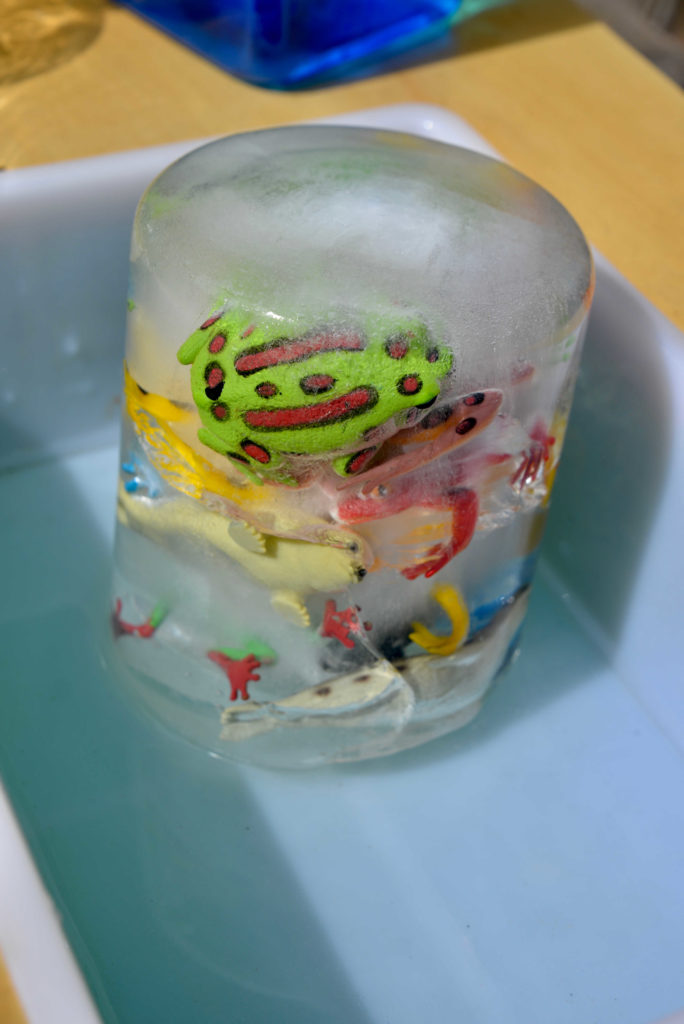
Ice cube rescue science
Freeze small plastic animals or beads inside large ice blocks and provide warm water, droppers, and salt for excavation. This sensory science activity teaches basic concepts of melting points and states of matter while developing problem-solving skills. Children must strategize how to release their trapped treasures, turning a simple physics lesson into an exciting treasure hunt that keeps them focused and engaged for extended periods on warm days.
Summer learning checklist
Keep the momentum going all season with a simple tracking system. The Preschool Playbook offers a printable summer checklist designed to help you monitor progress across the ten key activities. This tool ensures your child hits every milestone without adding stress to your summer routine.
How to use the checklist
- Print and place: Put the checklist on the fridge or a visible wall space. Visual cues help toddlers remember what’s next.
- Mark off daily: Let your child use a sticker or crayon to check off completed activities. This builds a sense of accomplishment.
- Review weekly: Use the checklist to spot gaps. Did we skip sensory play? Plan a rainy-day backup activity to fill the void.
This structured approach turns free play into intentional learning, keeping kindergarten readiness on track while you enjoy the summer.


As an Amazon Associate, we may earn from qualifying purchases.
Common preschool summer: what to check next
Summer break often brings a mix of excitement and worry for parents. It is natural to wonder if your child will lose ground academically or if they will stay engaged without a structured school day. The Preschool Playbook is designed to bridge this gap, offering a trusted resource for structured play that feels like fun rather than homework. By focusing on activities that are easy to set up and highly engaging, you can maintain learning momentum while keeping the summer spirit alive.
Will my child forget what they learned?
Learning loss is a real concern, but it does not have to happen. Consistent, short bursts of play-based learning are far more effective than long, forced study sessions. The Preschool Playbook provides hands-on activities aligned with Kindergarten readiness standards, ensuring that literacy and numeracy skills remain sharp through natural exploration rather than rote memorization.
How often should we do activities?
You do not need to schedule every hour of the day. Aim for 15 to 20 minutes of focused activity a few times a week. The goal is consistency, not intensity. Using printable curriculum resources allows you to quickly set up engaging tasks that fit into your daily routine, whether it is a morning craft or an afternoon sensory bin.
What if I don't have time to plan?
Planning is the biggest barrier for many parents. The Preschool Playbook removes this hurdle by providing ready-to-use lesson plans and activity kits. Instead of searching for ideas or gathering random supplies, you have a clear path forward. This structured approach ensures you are supporting your child’s development without spending hours preparing materials.
No comments yet. Be the first to share your thoughts!