

Why sensory-friendly crafts matter
Sensory-friendly preschool crafts are designed to be low-stress and high-engagement, supporting fine motor development and sensory regulation during the summer months. These activities provide a structured way for children to explore textures, colors, and shapes without the pressure of perfection.
During the summer, when routines can loosen, these crafts offer a grounding anchor. They help children refine the small muscle movements needed for writing and self-care while simultaneously calming an overactive nervous system. The tactile nature of materials like playdough, sand, or water beads encourages focus and patience.
Research from resources like No Time For Flash Cards highlights that such crafts work on fine motor development and skills like color and shape recognition. This dual benefit makes them ideal for summer learning, bridging the gap between play and educational growth in a way that feels effortless to the child.
5 Sensory-Friendly Preschool Crafts for Summer
These five hands-on activities use tactile materials like sand, water, and playdough to engage young learners without overwhelming sensitive senses. Each craft includes clear, step-by-step visuals to help parents and teachers guide children through safe, seasonal fun.
-

Torn paper sunflowers
Tear yellow construction paper into small, irregular strips to mimic sunflower petals. Glue these pieces onto a brown paper circle, allowing preschoolers to practice fine motor control without the frustration of cutting. The tactile sensation of tearing paper is calming and builds hand strength. This activity encourages creative expression while developing the pincer grasp essential for writing. It’s a simple, mess-free way to celebrate summer blooms with young children. -

Sponge painting watermelons
Cut sponges into wedge shapes to paint red watermelon slices on white paper. Use green markers for rinds and black dots for seeds. The soft sponge texture provides gentle sensory input, ideal for children sensitive to stiff brushes. This method allows for easy color mixing and large motor movements. Children can explore pressure control while creating vibrant, summer-themed artwork that is both visually appealing and tactilely satisfying for little hands. -
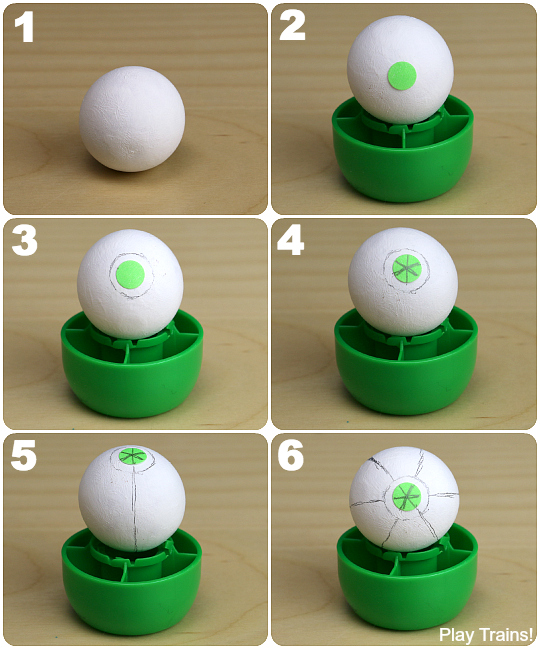
Pipe cleaner beach balls
Twist colorful pipe cleaners around a small styrofoam ball to create textured beach balls. This activity strengthens finger muscles through twisting and bending motions. The fuzzy texture offers distinct sensory feedback, helping children regulate their tactile responses. It’s a quiet, focused craft that encourages color sorting and pattern recognition. The resulting balls can be used as sensory tools or decorative summer items, blending fine motor practice with creative play. -
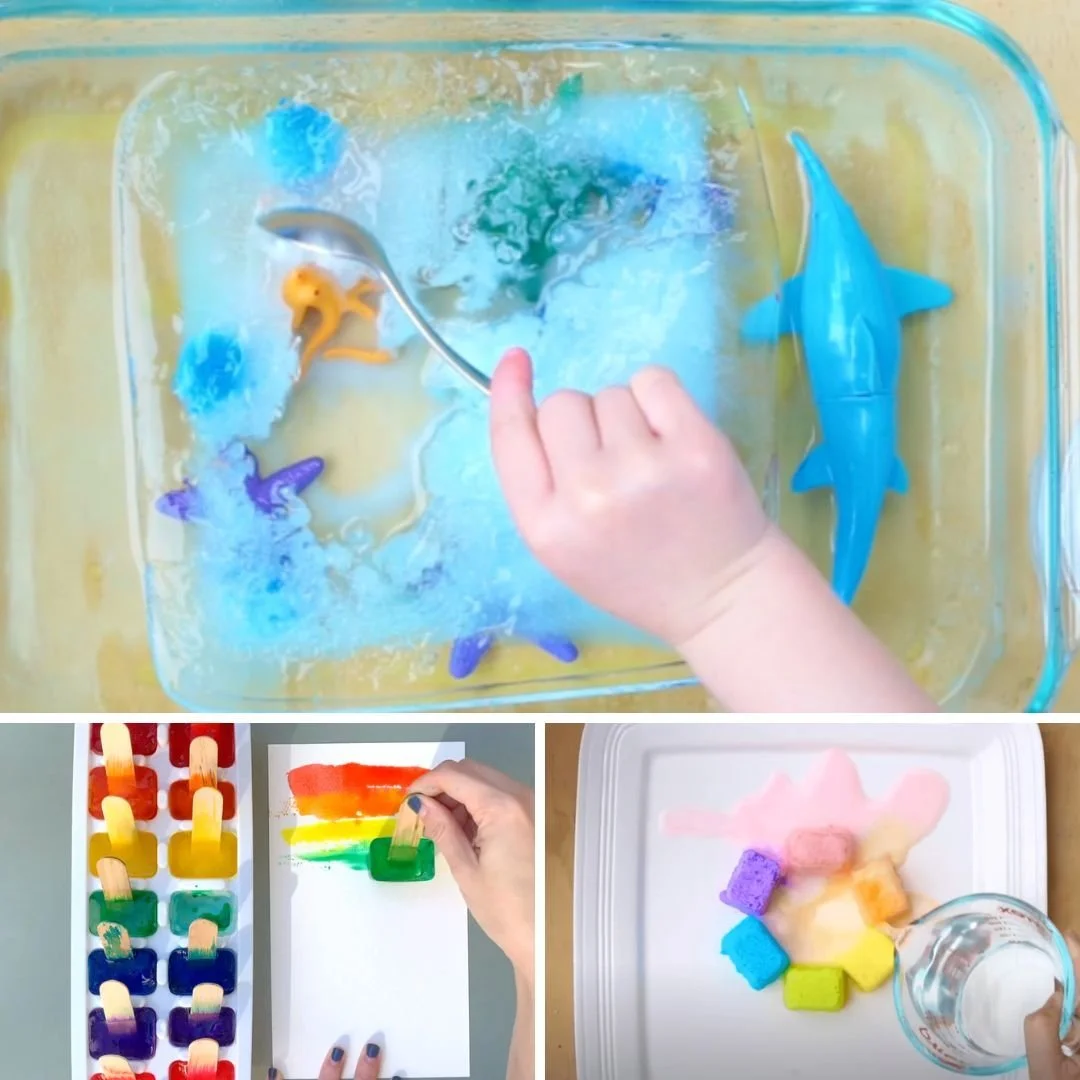
Ice cube tray sensory bins
Fill ice cube trays with water beads, small shells, or colored rice for tactile exploration. This setup organizes sensory materials into manageable portions, reducing overwhelm for sensitive children. Using tweezers or spoons to transfer items enhances fine motor skills and hand-eye coordination. The repetitive nature of filling and emptying trays is calming and promotes focus. It’s a versatile activity that can be adapted for different sensory preferences while keeping play contained and organized. -
Scribble art ice cream cones
Draw ice cream cone outlines on cardstock and let children fill them with colorful scribbles using crayons or markers. This open-ended activity removes the pressure of staying within lines, encouraging free expression. The repetitive motion of scribbling is soothing and helps develop wrist flexibility. It’s a quick, low-mess craft that celebrates summer treats. Children can experiment with color combinations and pressure, creating unique ice cream designs that reflect their individual artistic styles.
Supplies checklist for summer
Before starting any of the five sensory-friendly crafts, gather these common household and classroom items. Having everything ready reduces frustration and keeps young children focused on the creative process rather than waiting for materials.
The core kit includes colored construction paper, washable glue sticks, child-safe scissors, and pipe cleaners in bright summer colors. For tactile activities, keep sponges, cotton balls, and q-tips on hand. Washable markers and non-toxic finger paints complete the basic palette.
A few special items will elevate specific projects. For the sand art jar, use fine sand or salt and clear plastic bottles. For the sun catcher, you will need clear contact paper and tissue paper scraps. For the beach ball pinball, a deflated beach ball and push pins are essential.
Check your stash for recyclables like cardboard tubes, egg cartons, and plastic yogurt cups. These free materials add texture and structure to crafts while teaching early sustainability habits. Wash and dry all items before use to ensure clean, safe play.
Helpful videos for crafting
Visual support helps adults master fine motor tasks like twisting paper or precise tearing. Watching a demonstration clarifies the technique better than text alone.
This one-hour compilation shows various preschool crafting techniques in real time. It is a useful reference for teachers and parents who need to see how to guide small hands through summer projects.
Common questions about sensory crafts
Sensory-friendly preschool crafts are designed to be safe, engaging, and developmentally appropriate, but parents often have practical concerns before starting. Here are answers to the most frequent questions about managing mess, choosing the right age, and ensuring the activities support your child’s needs.
These questions address the core concerns of parents and teachers looking to create a supportive, low-stress crafting environment. By planning for mess and selecting age-appropriate materials, you can make sensory crafts a positive and enriching part of your child’s summer routine.
Put 5 Sensory-Friendly Preschool Crafts for Summer into practice
No comments yet. Be the first to share your thoughts!