Why sensory play matters
Sensory play is the foundation of early cognitive development. When preschoolers touch, smell, and manipulate different textures, their brains build essential neural pathways. These experiences help them understand cause and effect, improve fine motor skills, and develop language through descriptive vocabulary.
The Preschool Playbook approach focuses on accessibility. You do not need expensive educational toys to foster this growth. Everyday household items like rice, water, and cardboard boxes offer rich sensory experiences that rival commercial products. This philosophy removes the barrier of cost, allowing parents and teachers to create engaging learning environments anywhere.
By integrating these simple activities into daily routines, you support your child’s natural curiosity. The goal is not perfection but engagement. Letting children explore safe, familiar items encourages creativity and problem-solving without the pressure of structured lessons.
Household items for sensory exploration
Ready-to-use materials make sensory play easy. Here are five common household items that work perfectly for preschool activities.
Essential household sensory items
-
Kinetic Sand Alternative
Use fine sand mixed with a little dish soap or cornstarch for a moldable, non-messy texture. -
Water Beads Substitute
Frozen grape halves offer a safe, icy texture for summer sensory bins without the choking risk of small beads. -
Textured Recyclables
Cardboard tubes, bubble wrap, and egg cartons provide distinct shapes and surfaces for tactile discovery. -
Natural Elements
Pinecones, smooth stones, and dried beans bring outdoor variety into indoor play spaces. -
Cooking Staples
Uncooked rice, pasta, and dried lentils are lightweight, colorful, and safe for scooping and pouring.
These items are inexpensive and readily available. They encourage open-ended play, allowing children to create their own rules and scenarios. This flexibility is key to maximizing the educational benefits of sensory play.
Setting up a sensory station
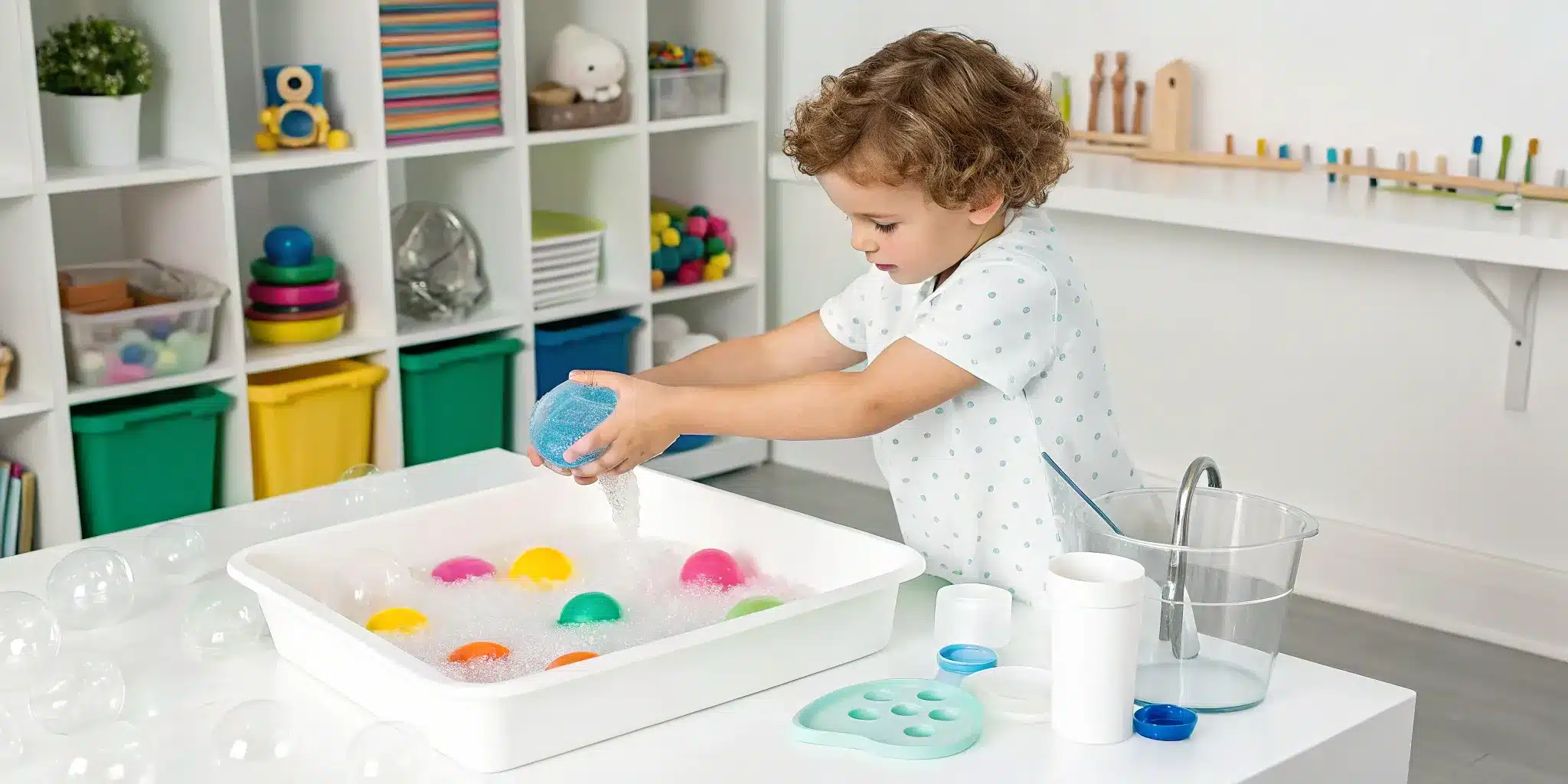
Creating a dedicated space for sensory play helps children focus. Choose an area that is easy to clean, such as a kitchen counter, a bathroom floor, or an outdoor patio. Use a large bin or tray to contain the materials. This boundary helps children understand where the play zone begins and ends.
Rotate the items weekly to maintain interest. Introducing a new texture or color can spark fresh curiosity. Keep the setup simple: provide scoops, cups, and spoons for manipulation. Avoid overwhelming the child with too many options at once.
Safety considerations
Safety is the top priority in any sensory activity. Always supervise young children closely. Check for small parts that could pose a choking hazard. Ensure all materials are non-toxic and clean. Avoid using items that are sharp, breakable, or difficult to clean.
By following these simple guidelines, you can create a safe and enriching sensory play environment. The focus remains on learning and exploration, with safety always in mind.
5 Preschool Playbook Activities Using Household Items
Transform everyday household items into engaging learning tools with these five preschool playbook activities. Each suggestion pairs specific objects with developmental goals, ensuring simple setup and immediate educational value for your little ones.
-
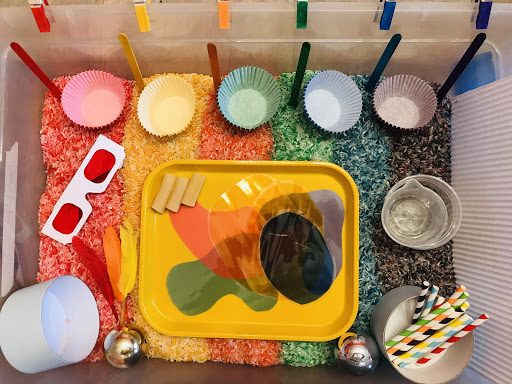
Rainbow rice sorting bins
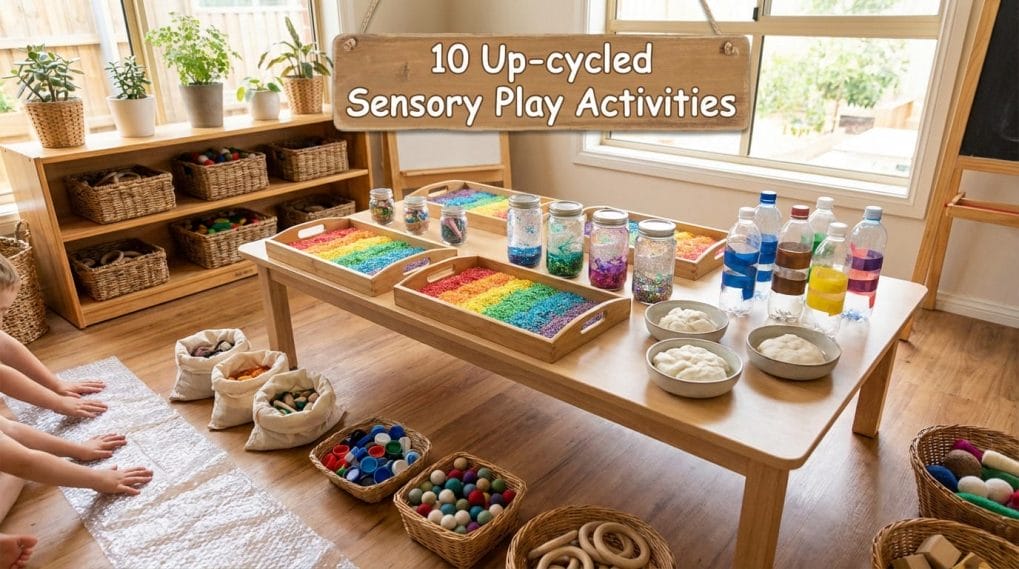
Fill clear plastic containers with dyed rice to create vibrant sensory bins. Toddlers use tweezers or spoons to sort colors into separate cups, building fine motor precision and color recognition. The tactile crunch of the grains provides calming proprioceptive input while encouraging focused, independent play that strengthens hand-eye coordination without screens. -

Ice cube tray painting
Pour washable paint into clean ice cube trays for mini, manageable art sessions. Children dip brushes or cotton swabs into individual color wells, reducing mess and preventing color mixing chaos. This setup teaches portion control and color theory basics while keeping small hands engaged in a contained, easy-to-clean creative process that sparks curiosity. -
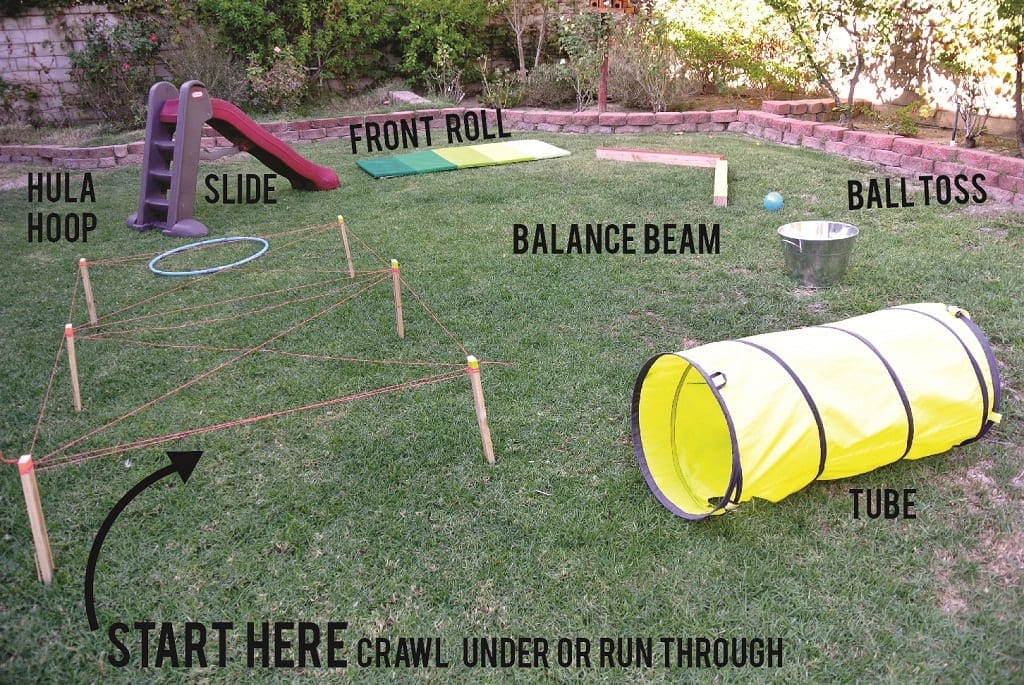
Cardboard tube obstacle course
Arrange empty paper towel rolls and toilet paper tubes into tunnels, bridges, and balance beams. Preschoolers crawl through tubes and step over stacked rolls, developing gross motor skills and spatial awareness. This dynamic setup transforms living room clutter into an adventurous playground that encourages physical movement, problem-solving, and imaginative exploration in a safe home environment. -
Kitchen utensil sound shakers
Seal dried beans or rice inside empty plastic bottles to create DIY maracas. Pair these with metal spoons and wooden spoons for rhythmic percussion sessions. Children explore cause and effect by shaking different materials, learning about volume and tempo. This auditory activity enhances listening skills and coordination while turning everyday kitchen tools into musical instruments. -
Sock puppet storytelling
Transform mismatched socks into characters using googly eyes and fabric markers. Preschoolers manipulate these puppets to retell favorite books or invent new narratives, boosting language development and social-emotional skills. This tactile storytelling method encourages expressive speech and imaginative play, allowing children to explore emotions and scenarios through the safe, detached medium of a puppet.

Essential preschool supplies
The best preschool activities rely on accessible, tactile materials that encourage open-ended play. You don't need expensive toys to build a rich learning environment; simple household items and a few durable tools are often the most effective. This section highlights specific products that serve as the foundation for sensory bins, art projects, and fine motor skill development.
Sensory and Storage Solutions
Sensory bins are central to preschool play, requiring containers that are sturdy and easy to clean. Below is a comparison of common storage solutions used for activities involving rice, water, or sand.
Recommended Tools
These specific items appear frequently in successful preschool playbooks because they bridge the gap between household clutter and educational tools.


![Crayola Washable Finger Paints (6ct), Teacher Classroom Must Haves, Toddler Paint Set, Nontoxic Finger Paint for Kids, Arts & Crafts Supplies for Toddlers [Amazon Exclusive]](https://m.media-amazon.com/images/I/81wJg3kH33L._AC_UL960_QL65_.jpg)
As an Amazon Associate, we may earn from qualifying purchases.
Having the right supplies on hand makes it easier to pivot between activities. Whether you are setting up a rice sensory bin or a paint station, these items provide the structure needed for independent play.
Frequently asked: what to check next
Your activity checklist
Before you start the next session, grab the essentials. This quick list keeps the setup fast and the cleanup easier.
Look for cardboard boxes, empty plastic bottles, or clean kitchen utensils. These everyday objects are the core of the Preschool Playbook.
Lay down a towel or use a baking sheet. This contains spills from paint, water, or sensory bins and speeds up the transition to the next activity.
Pick a single task like sorting buttons or building a tower. Focusing on one goal prevents overwhelm and keeps the child engaged longer.
Start with one texture or color to avoid sensory overload. Let the child explore at their own pace before adding more elements to the bin.
Turn cleanup into a game by sorting items back into their containers. This reinforces categorization skills and teaches responsibility for the play space.

As an Amazon Associate, we may earn from qualifying purchases.
No comments yet. Be the first to share your thoughts!