


Why sensory bins work for preschoolers
Sensory bins are more than just a way to keep little hands busy; they are structured learning environments that support critical developmental milestones. Tactile play allows preschoolers to explore textures, weights, and temperatures, which helps build neural pathways associated with fine motor skills, hand-eye coordination, and cognitive processing. When a child scoops, pours, or sifts through materials, they are practicing the precise muscle movements required for writing and self-care tasks.
The Preschool Playbook serves as a structured resource for these activities, offering curated ideas that balance fun with educational value. Instead of guessing what materials might work, parents can rely on the playbook’s framework to create bins that target specific developmental goals. This approach transforms simple play into intentional engagement, ensuring that every sensory experience contributes to your child’s growth.
To make these activities accessible, The Preschool Playbook often recommends specific tools and containers that are durable and safe for young children. Using the right equipment can make the difference between a chaotic mess and a structured learning opportunity. For parents looking to start, finding the right supplies is the first step.


As an Amazon Associate, we may earn from qualifying purchases.
10 Sensory Bin Ideas from The Preschool Playbook for 2026
The Preschool Playbook curates 10 sensory bin ideas designed to engage young learners through tactile exploration. These selections feature concrete, age-appropriate materials that support developmental milestones while keeping playtime structured and mess-manageable.
-
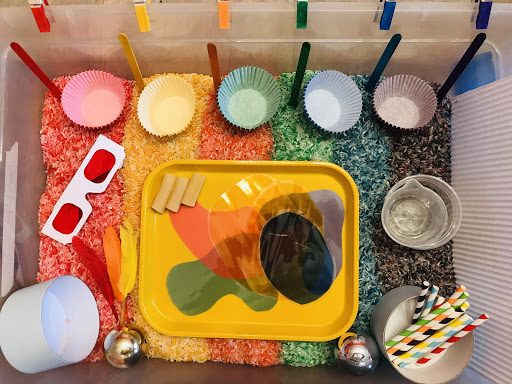
Rainbow rice color sorting
Create a vibrant learning station using dyed rice to practice fine motor skills and color recognition. Children use tweezers or small scoops to separate mixed hues into designated containers. This tactile activity from The Preschool Playbook enhances hand-eye coordination while introducing basic categorization concepts. The bright visual contrast keeps young learners engaged, making it an ideal sensory bin for early childhood development. -
Dry oatmeal letter tracing
Spread dry oatmeal in a shallow tray to offer a soft, forgiving surface for early writing practice. Toddlers use their fingers to trace uppercase letters, feeling the texture as they form shapes. This low-cost idea from The Preschool Playbook supports pre-literacy skills without the pressure of permanent ink. It is perfect for quiet indoor play that builds muscle memory for future handwriting tasks. -

Water beads counting station
Hydrated water beads provide a cool, slippery medium for practicing number recognition and counting skills. Children scoop beads into numbered cups, linking quantity with numerals in a hands-on way. This engaging setup from The Preschool Playbook combines math concepts with sensory exploration. Ensure adult supervision is present due to choking hazards, making it a safe yet stimulating educational tool for preschoolers. -
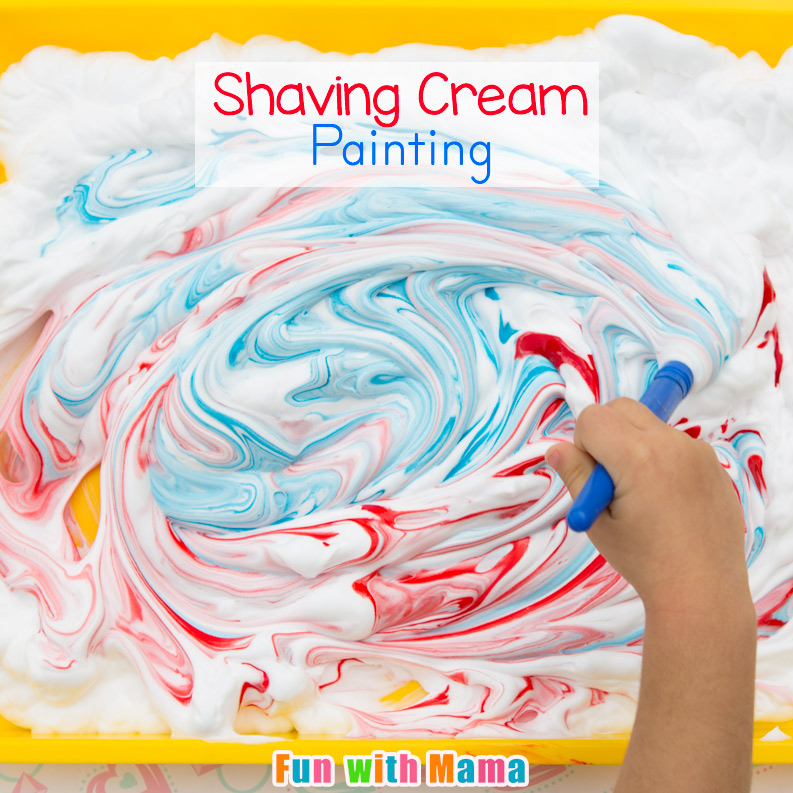
Shaving cream texture painting
Spread a layer of shaving cream on a tray for open-ended artistic expression. Children use tools or fingers to draw pictures, feeling the cool, fluffy texture as they create. This messy-free painting option from The Preschool Playbook encourages creativity and sensory discovery. It is an excellent indoor activity for rainy days, allowing kids to explore cause and effect through tactile art. -

Bean bag shape matching
Use large, soft bean bags in various colors to match against corresponding shape cutouts. Children lift and place the bags onto the correct outlines, developing gross motor skills and spatial awareness. This sturdy activity from The Preschool Playbook is durable and easy to clean. It offers a physical component to shape recognition, making it a dynamic addition to any sensory play routine. -

Ice cube melting science
This activity turns simple ice cubes into a dynamic chemistry lesson. Fill a bin with water and freeze blocks containing small plastic animals or gems. Children observe how temperature changes solid ice into liquid water, revealing hidden treasures. It builds patience and fine motor skills as they use droppers or warm water to accelerate the process. This hands-on experiment makes abstract scientific concepts tangible and exciting for young learners. -

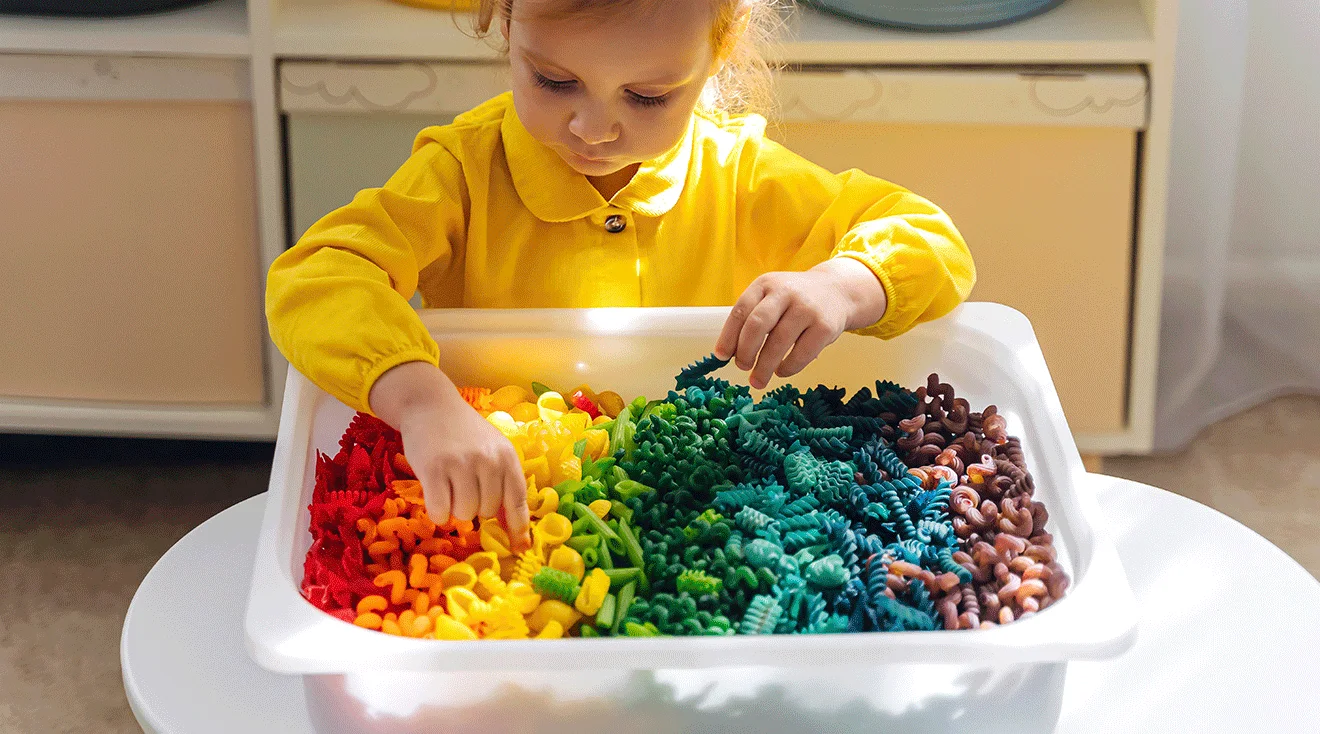
Pasta necklace threading
Large, dyed penne or rigatoni noodles provide the perfect textured medium for threading practice. Offer pipe cleaners or sturdy yarn to help children develop hand-eye coordination and bilateral hand use. Sorting pasta by color or shape adds a cognitive layer to the tactile experience. This classic sensory bin activity strengthens the small muscles in fingers and hands, preparing them for the precise movements required for writing and buttoning clothes later. -
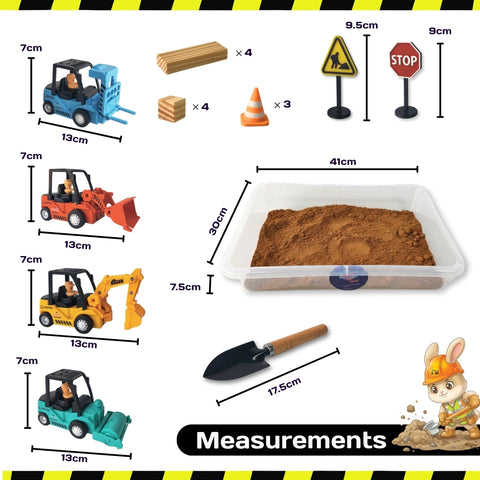
Sand and shovel digging
Create a miniature construction site using coarse sand, plastic dump trucks, and shovels. Children engage in heavy work, digging and transporting materials to build structures or fill trucks. This activity promotes gross motor development and spatial awareness as they gauge volume and weight. The gritty texture provides deep sensory input, helping to regulate the nervous system while encouraging imaginative play scenarios involving building, excavation, and transportation logistics. -
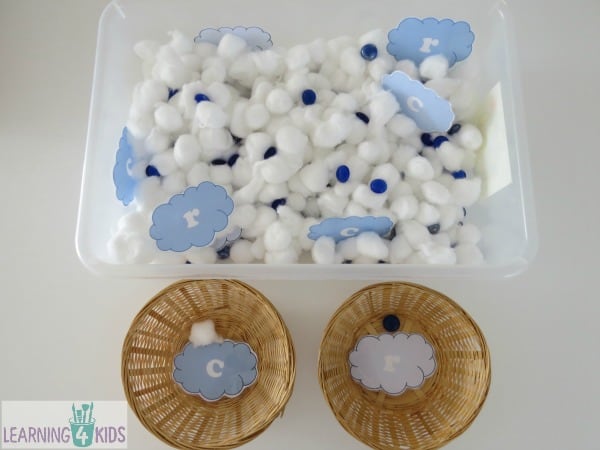
Cotton ball cloud sorting
Fill a bin with fluffy white cotton balls to simulate soft clouds. Add blue pom-poms or paper cutouts for rain and stars. Children practice fine motor control by picking up individual cotton balls and sorting them into categories or creating weather patterns. The soft, yielding texture is soothing and calming, making this an ideal activity for quiet play. It encourages descriptive language as kids discuss weather concepts and tactile sensations. -

Kinetic sand sculpting
Kinetic sand offers a unique moldable texture that holds shape without sticking. Provide cookie cutters, small molds, and tools for sculpting. Children explore cause and effect as they press, roll, and shape the sand into various forms. This activity supports sensory integration and creative expression. The satisfying resistance of the sand helps build hand strength and coordination, providing a calming, focused experience that keeps little hands busy and minds engaged in creative construction.
Essential supplies for sensory play
You don’t need a professional supply closet to run the activities in The Preschool Playbook. Most sensory bins rely on inexpensive base materials and a few durable tools. The curriculum is designed to work with items you likely already have or can grab at a local dollar store, keeping the focus on the child’s exploration rather than the cost of materials.
Base materials and tools
The foundation of any sensory bin is the base material. Whether it’s dry rice, kinetic sand, or water beads, the texture drives the sensory experience. You’ll also need containers large enough for hands to move freely and tools like tongs or scoops to build fine motor skills. These supplies are the backbone of the hands-on learning approach found in The Preschool Playbook.


As an Amazon Associate, we may earn from qualifying purchases.
Comparing sensory supply options
Choosing the right supplies depends on your space and cleanup preferences. Wet bins require waterproof bins and towels, while dry bins allow for more mess tolerance but need vacuuming. The table below helps you decide which setup fits your routine best when following The Preschool Playbook.
| Bin Type | Base Material | Cleanup Level | Best For |
|---|---|---|---|
| Dry Bin | Rice, Beans, Sand | Medium | Fine motor practice |
| Wet Bin | Water, Oil, Foam | High | Sensory exploration |
| Shaving Cream | Shaving Cream, Food Dye | Low | Mess-free art |
| Ice Play | Ice Blocks, Salt | Medium | Temperature learning |
Safety and storage tips
Always supervise children during sensory play, especially with small items like dried beans or beads that pose a choking hazard. Store base materials in airtight containers to keep them fresh and pest-free. When you follow the structured approach of The Preschool Playbook, you’ll find that organizing supplies by activity makes setup and cleanup much faster.
How to use The Preschool Playbook
The Preschool Playbook structures these sensory bin activities to bridge the gap between free play and intentional learning. Rather than treating sensory bins as simple pastimes, the curriculum organizes them around developmental milestones, ensuring that every handful of rice or scoop of water builds foundational skills in fine motor control, color recognition, or counting.
The series provides a three-part framework: lesson plans, printable worksheets, and writing journals. This structure allows you to introduce a concept through tactile exploration, reinforce it with guided practice on paper, and then encourage early literacy through journaling. For example, a winter-themed bin might lead into a worksheet focusing on snowflake symmetry before moving to a writing prompt about favorite cold-weather activities.
Using The Preschool Playbook turns open-ended play into a structured educational experience. It gives parents and teachers a clear roadmap for sequencing activities, so you can track progress and adapt lessons to your child’s specific interests and pace.

As an Amazon Associate, we may earn from qualifying purchases.
No comments yet. Be the first to share your thoughts!