
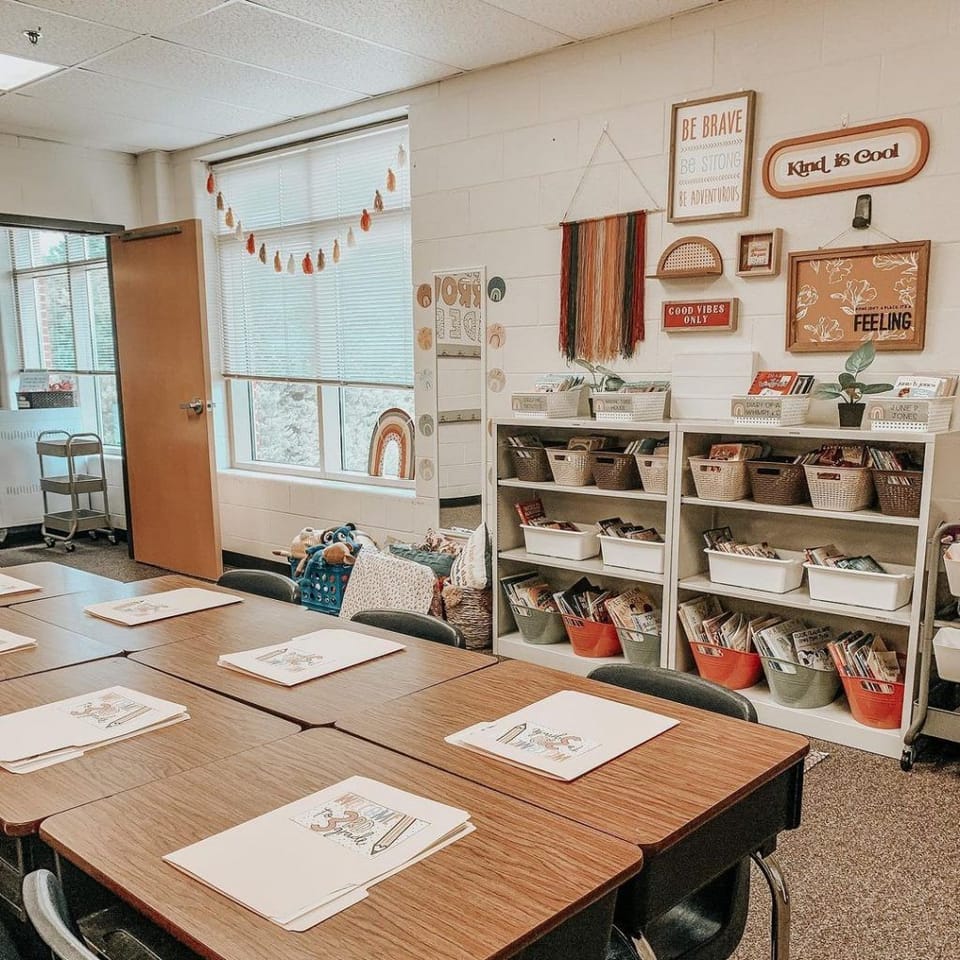

Starting Off Right: The Magic of Preschool Classroom Design 🎨
Picture this: a room brimming with color, laughter echoing off the walls, little hands eagerly reaching for books, paintbrushes, and building blocks. This isn't just any room—it's a carefully designed, engaging preschool classroom. But why does classroom setup for preschool matter so much?
Think of the classroom as a silent teacher, a canvas that can either inspire creativity or stifle it. An engaging classroom design can turn the ordinary into extraordinary, transforming mundane lessons into magical learning experiences. It's not just about preschool classroom decoration or layout ideas—it's about creating a space that stimulates curiosity, fosters social interaction, and encourages exploration.
Ever wondered how the arrangement of a preschool classroom setup impacts a child's learning? Or how the inclusion of educational materials can make learning fun and interactive? Dive in as we unveil the secrets of designing an engaging preschool classroom that sparks joy, imagination, and a love for learning.
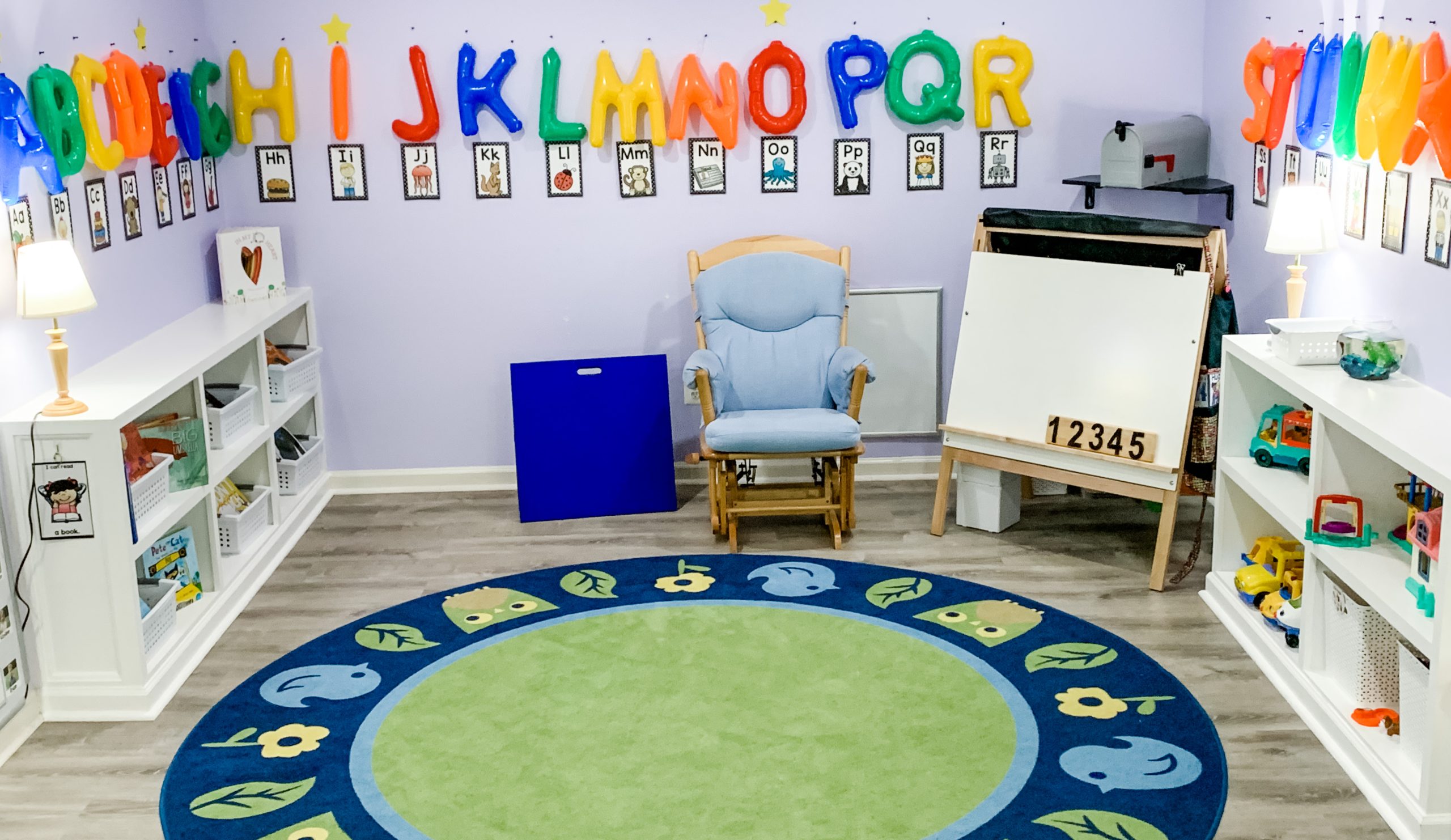
The Building Blocks: Must-Know Principles for Preschool Classroom Setup 🏗️
Childproofing 101: Ensuring Safety in Your Preschool Classroom 🛡️
Imagine a bustling preschool classroom where little feet scurry around, exploring an environment designed for their growth and learning. Now, picture this - amidst all the excitement and discovery, safety is the cornerstone of this space. In your classroom setup for preschool, safety should be a top priority.
Why, you ask? The answer is simple - a safe classroom fosters confidence. It allows children to explore freely, knowing that their environment is designed to protect them. Clear pathways for movement, furniture with rounded edges to prevent injuries, and secure fixtures that can't easily tip over are all crucial elements of a safe, engaging classroom design.
But, how can you ensure safety while also keeping the room engaging? By integrating safety measures within your preschool classroom layout ideas and decoration. For instance, colorful mats can outline clear pathways, and furniture with rounded edges can have playful designs. This way, safety doesn't compromise the fun and learning in your preschool classroom.
Remember, a safe classroom isn't just about preventing accidents - it's about creating a space where children feel secure enough to explore, learn, and grow. And isn't that the ultimate aim of any preschool education?
Within Reach: Making Your Classroom Accessible for Little Learners 🙌
Imagine a world where everything seems out of reach, literally! That's the reality for our pint-sized preschoolers in a classroom not designed with accessibility in mind. An essential element of an engaging classroom design is ensuring materials are easily accessible to little hands. Gone are the days of towering shelves and unreachable storage bins. Instead, consider the classroom setup preschool style—where materials are within a child's grasp.
Open shelves at a preschooler's height, labeled bins on the floor, and low-hanging wall displays are just a few preschool classroom layout ideas that promote self-guided exploration. The beauty of this approach? It encourages independence and fosters a sense of ownership in the learning process. Remember, an accessible preschool classroom setup isn't just about reaching—it's about empowering little learners to reach for the stars!
So, how can you transform your preschool classroom decoration to support this accessibility? Stay tuned for practical tips and inspiring ideas in the next section!
Shape-Shifting Spaces: The Power of Flexibility in Preschool Classroom Layout 🔄
Have you ever noticed how a simple change in scenery can spark a fresh wave of creativity and excitement? The same principle applies to the preschool classroom setup. By incorporating movable furniture into your classroom design, you're not just rearranging chairs and tables; you're creating a dynamic, adaptable space that encourages varied types of play and social interaction.
Imagine a group of preschoolers building a makeshift spaceship from tables and chairs, or creating a puppet theater behind a flipped-over couch. Such flexibility fosters a sense of exploration and cooperation, as children learn to negotiate with peers, share resources, and solve problems together. It's all part of the magic of an engaging classroom design.
And don't forget about the educational benefits. Movable furniture can be used to create different zones for specific activities, like storytime or art, providing a tangible context for transitions between tasks. It's a simple yet powerful way to enhance learning and engagement.
So next time you're considering your preschool classroom decoration, think beyond fixed arrangements. Embrace the power of flexibility, and watch as your classroom transforms into a vibrant hub of creativity and collaboration.
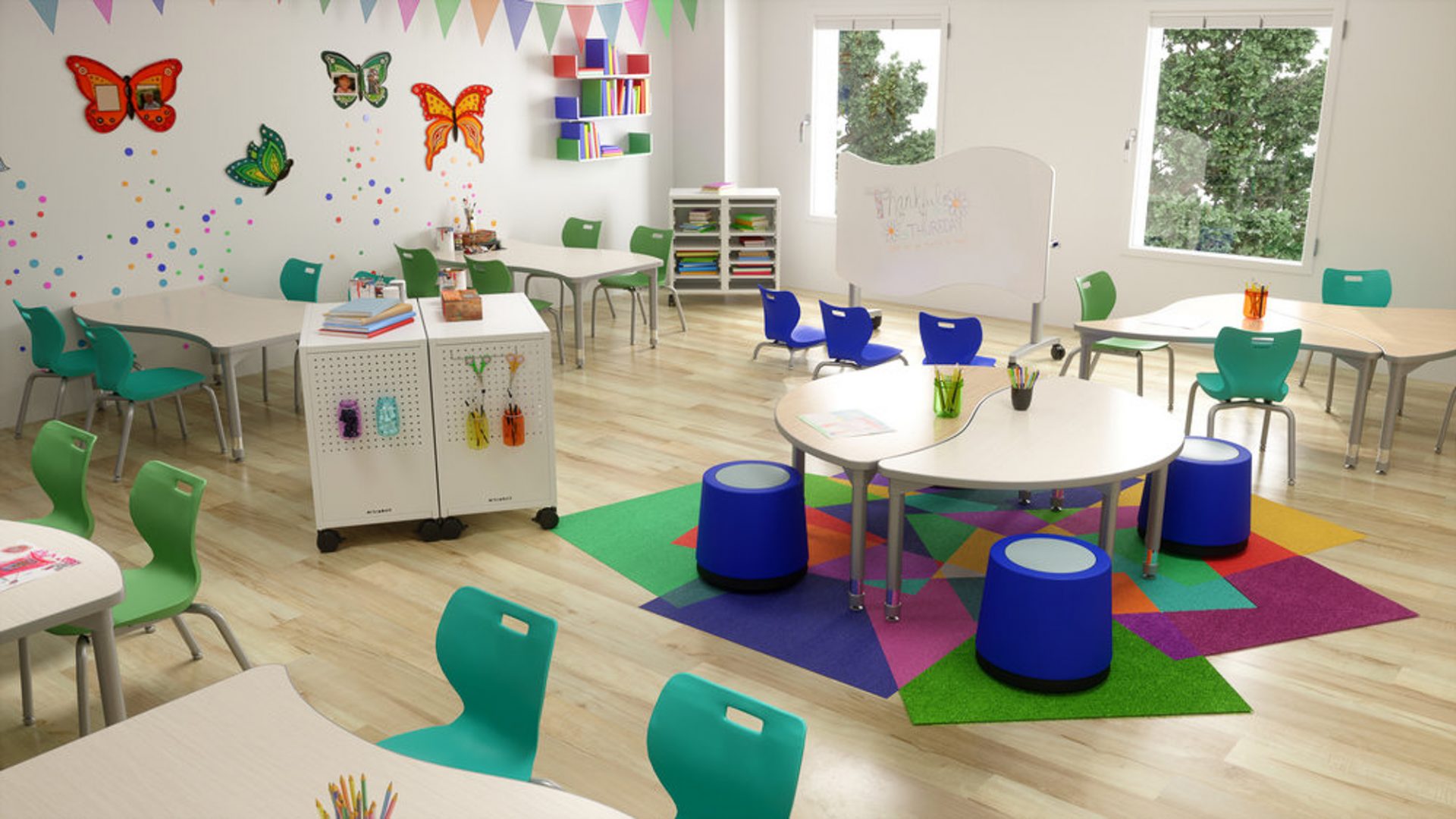
Crafting Mini-Worlds: Designing Engaging Spaces in the Classroom 🌍
Bookworm's Paradise: Setting Up a Cozy Reading Nook 📚
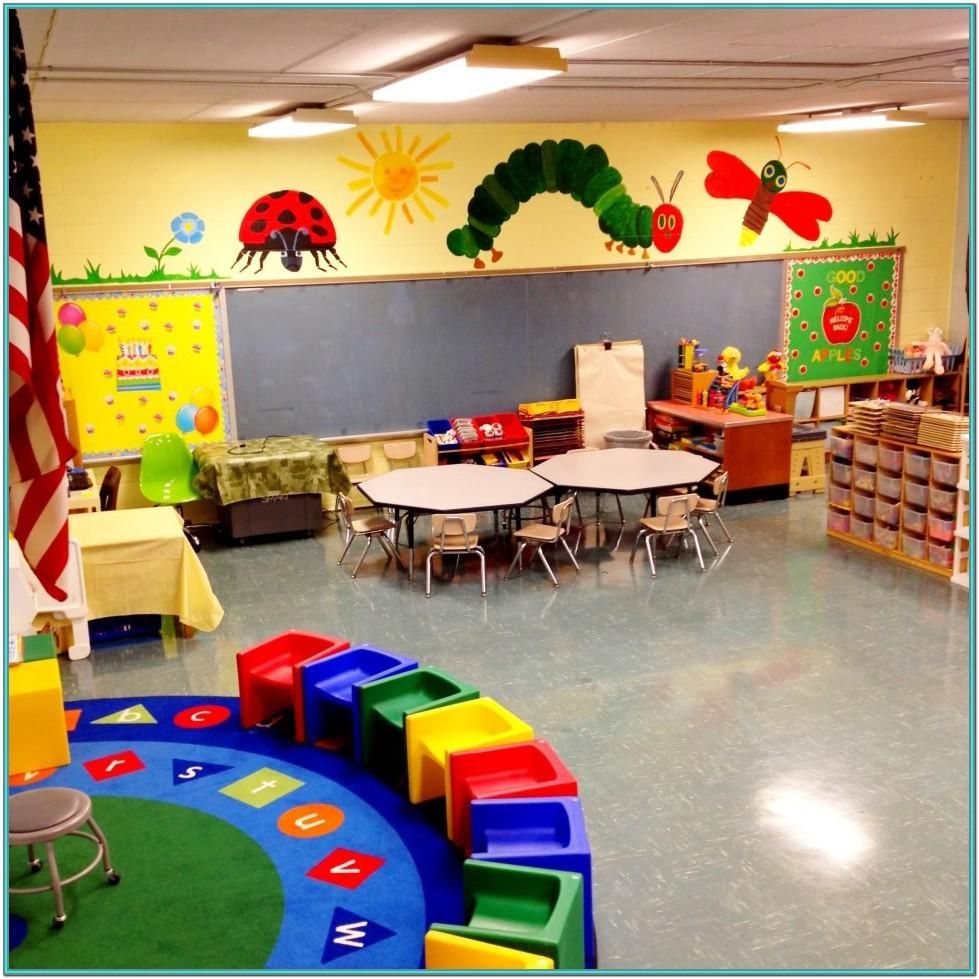
Imagine a corner of your preschool classroom transformed into a haven for little bookworms. Picture soft pillows piled high, a plush rug underfoot, and a quiet ambiance that invites children to explore the magical world of stories. This is the essence of an engaging classroom design for a reading area.
Firstly, book displays play a pivotal role in this setup. A well-organized, visually appealing book display can spark curiosity, encouraging children to reach out and immerse themselves in a new adventure. Remember, the goal is not just to teach children how to read, but to foster a love for reading.
Next, think about the seating. Comfort is key here. Opt for soft cushions, bean bags, or even a mini-sofa. The cozier it is, the more likely children will want to settle down with a good book.
Lastly, the ambiance. A quiet, cozy corner can make a world of difference in creating a conducive reading environment. Perhaps a small lamp for that warm, inviting glow, or a canopy to create a sense of privacy and a little 'secret' space for the children.
With these preschool classroom layout ideas, you're well on your way to creating a reading nook that is as enchanting as the tales that will be discovered within its confines. Now, aren't you excited to see your little learners' eyes light up as they step into their new reading haven?
Unleashing Creativity: Your Guide to an Inspiring Art and Crafts Corner 🎨
Imagine a space where little hands reach for vibrant paints, glitter, and googly eyes, where creativity is ignited and masterpieces are born. Welcome to the art and crafts corner of your preschool classroom setup! This haven for creativity isn't just about fun; it's also a powerful tool for cognitive development. The key? An engaging classroom design that caters to the chaos and charm of preschool artistry.
Start with easy-to-clean surfaces, because, let's face it, creativity can get messy. A wipeable tablecloth or a laminated tabletop can be your best friend. Next, stock up on a variety of art materials. From watercolors to clay, the more options, the better. You can find a plethora of educational resources and toys that are perfect for preschoolers.
But where will all these masterpieces go? Create a display area for children's art. Not only does this celebrate their work, but it also boosts their self-esteem. Perhaps you could even introduce a first day of preschool tradition where every child contributes to a collaborative art piece. Remember, a well-thought-out preschool classroom layout can make all the difference in sparking creativity and making learning engaging.
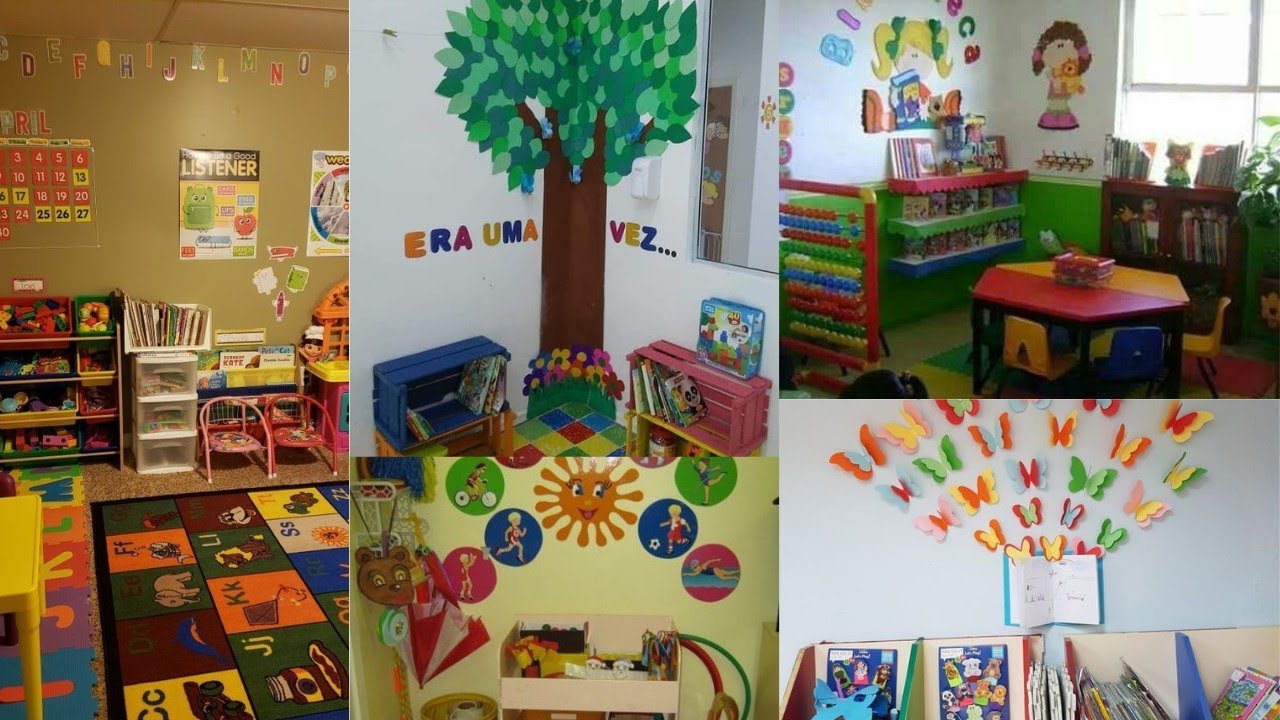
Learning by Design: Integrating Educational Materials in Your Classroom Setup 🎲
Imagine walking into a preschool classroom where every corner is a journey of discovery. This is the magic of integrating educational materials into your classroom design. It's not just about aesthetics; it's about creating an engaging, interactive learning environment that sparks curiosity and fosters cognitive development.
Think about it. What if the alphabet chart on the wall wasn't just a decoration, but a vibrant tool for language learning? Or if the number display was part of a fun, hands-on counting game? By blending educational materials into your classroom setup, you can transform the space into an active learning hub.
From interactive games and puzzles to sensory bins, the possibilities are endless. With a bit of creativity, even the simplest materials can become powerful learning tools. Remember, the goal is to stimulate their young minds, fuel their imagination, and make every moment in the classroom a fun learning experience.
Ready to revamp your preschool classroom? Explore these preschool classroom layout ideas and bring your educational vision to life!
Examples of Educational Materials for an Engaging Preschool Classroom
- Alphabet and Number Displays: Visual aids like colorful alphabet and number charts can help children learn and recognize letters and numbers easily.
- Interactive Games: Games that promote learning and interaction can be a fun way to teach various concepts. These could be board games, card games, or even digital games on a tablet.
- Shape and Color Charts: Charts displaying different shapes and colors can enhance a child's ability to identify and distinguish between them.
- World Map: A large, colorful world map can introduce children to geography and cultures around the world.
- Thematic Bulletin Boards: These can be used to display themes being explored, such as seasons, animals, or holidays. It's a great way to make learning thematic and comprehensive.
- Story Cards: Cards with pictures and words can help children build their vocabulary and storytelling skills.
- Science Kits: Simple science kits can introduce children to basic scientific concepts in a hands-on and engaging way.
- Music Instruments: Small, child-friendly musical instruments can foster a love for music and enhance motor skills.
Bringing the Outdoors In: The Benefits of Natural Elements in Classroom Design 🌿
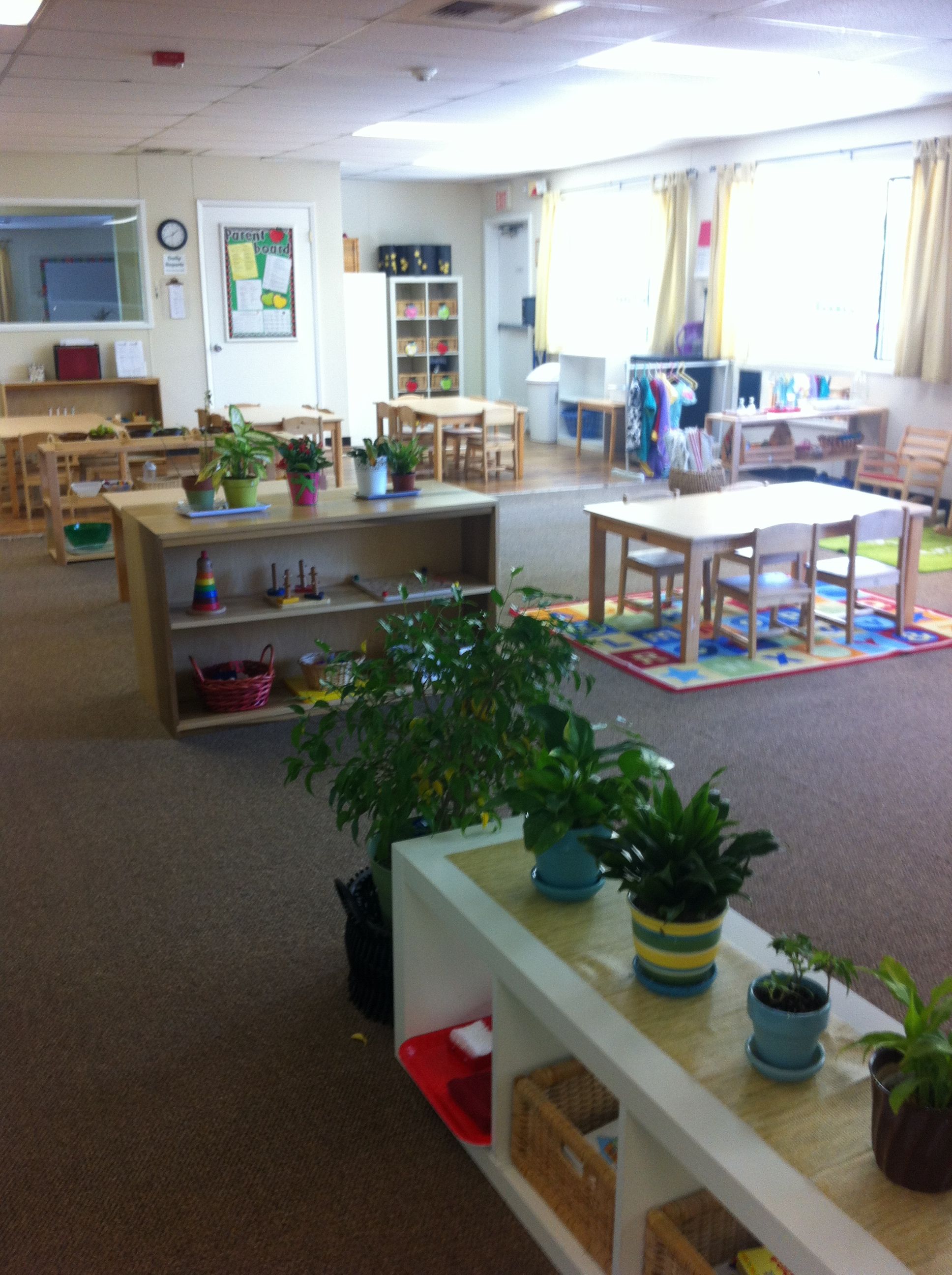
Imagine stepping into a classroom that feels like a breath of fresh air. That's the magic of incorporating natural elements in your classroom setup preschool. The soft, calming hues of wooden toys, the vibrant green of indoor plants, and the gentle, warm glow of natural light can transform an ordinary space into a soothing learning environment.
Why does this matter? Research suggests that nature-based elements in a classroom can reduce stress and improve concentration in children. A classroom filled with natural light not only reduces reliance on artificial lighting but also fosters a positive mood and better sleep patterns. Indoor plants can improve air quality and teach children about nature and responsibility. Wooden toys, apart from being durable and safe, offer a tactile experience that stimulates sensory development.
So, when you're brainstorming preschool classroom layout ideas or picking out preschool educational materials, why not consider adding a touch of nature? It could be as simple as positioning desks near windows, adding a few potted plants, or choosing wooden blocks over plastic ones. The result? A more engaging classroom design that not only looks good but feels good too!
The Finale: Crafting a Classroom that Fosters Learning and Growth 🌱
As we've journeyed through the maze of preschool classroom design, we've discovered a trove of knowledge, from understanding the core principles of safety, accessibility, and flexibility in classroom setup, to unearthing the potential of every corner with a reading area and an art and crafts spot. We've seen how educational materials can be woven seamlessly into the fabric of the classroom, and how nature can be invited in to foster a soothing space for learning.
But what if we viewed this not simply as a classroom, but as a microcosm of the world we want our children to grow in? A world where safety is a given, resources are within reach, and the environment bends to accommodate their growth. A world where every corner is a chance for exploration, and where knowledge and nature coexist harmoniously. Isn't this the essence of an engaging classroom design?
Now, take a moment to look around your own preschool classroom. What elements do you see that reflect this world? What can you add or change to make it even better? As we've learned, the power to create an engaging, safe, and exciting learning environment lies in your hands.
Before we part ways, remember, every choice you make in your classroom setup has the potential to inspire a child, to spark a curiosity that could lead them on a lifelong journey of learning. Who knew that a classroom could hold so much power? So, what story will your preschool classroom tell?
Preschool Classroom Design Quiz
Test your understanding of designing an engaging and effective preschool classroom with this interactive quiz.
Learn more about 📚 Preschool Classroom Design Quiz 🎨 or discover other Preschool Playbook quizzes.
No comments yet. Be the first to share your thoughts!