

15 Winter-Themed Preschool Activities to Keep Kids Engaged During Cold Days - Part 1
When winter weather keeps preschoolers indoors, maintaining their engagement and learning momentum becomes a creative challenge for parents and teachers. The key to successful winter preschool activities lies in combining seasonal themes with educational objectives that support early childhood development. These carefully selected activities not only entertain but also enhance fine motor skills, creativity, and cognitive development during the colder months.
The Benefits of Winter-Themed Learning
Winter preschool activities offer unique opportunities to explore seasonal concepts while developing essential skills. These activities help children understand weather patterns, practice patience during longer indoor periods, and develop social skills through collaborative projects. Additionally, winter-themed crafts and activities provide excellent opportunities for vocabulary building with words like 'snowflake,' 'hibernate,' and 'mittens.'
Essential Winter Activity Planning Checklist
Activity 1: Paper Snowflake Creation
Paper snowflake crafts remain one of the most beloved winter preschool activities, combining art with science as children learn about symmetry and patterns. This activity develops fine motor skills through cutting and folding while encouraging creativity and individual expression.
The beauty of snowflake crafts lies in their simplicity and the fact that no two snowflakes are alike, just like in nature. Children can explore different folding techniques and cutting patterns to create unique designs. Display finished snowflakes on windows or bulletin boards to create a winter wonderland atmosphere in your classroom or home.
Activity 2: Cotton Ball Snowman Assembly
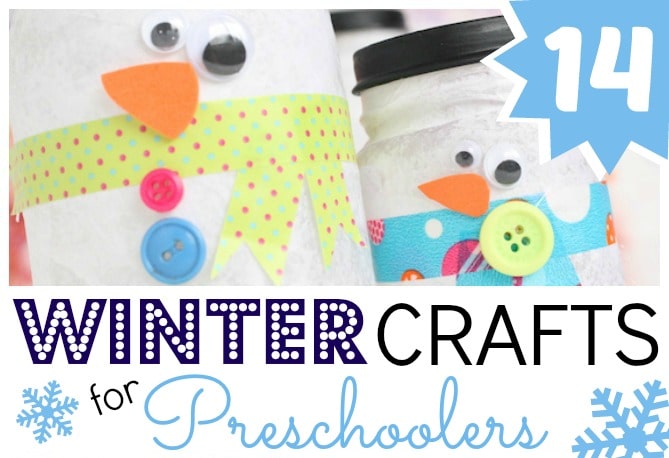
Building snowmen indoors becomes possible with this engaging craft that uses cotton balls, construction paper, and basic art supplies. This activity enhances hand-eye coordination and teaches children about shapes, sizes, and proportions while creating adorable winter decorations.
Cotton ball snowmen can be customized with various accessories like paper hats, scarves made from fabric scraps, or buttons created with markers. This activity encourages storytelling as children create personalities for their snowmen and engage in imaginative play.
Activity 3: Winter Sensory Bin Exploration
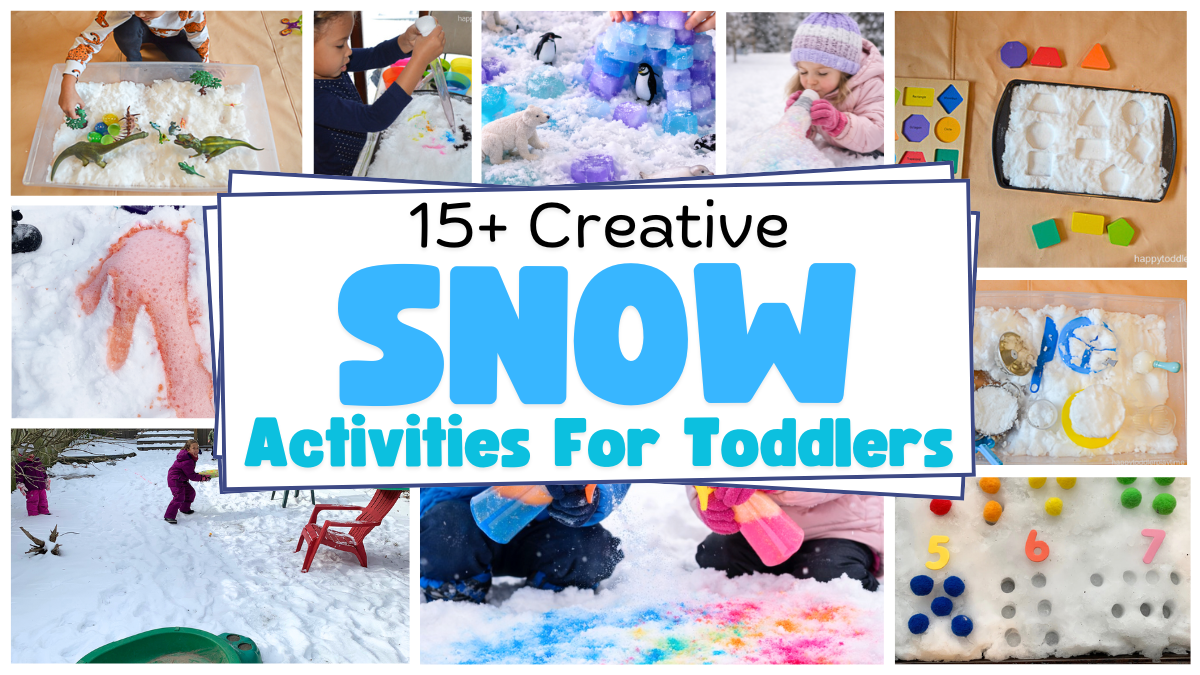
Sensory bins provide excellent opportunities for hands-on learning and are particularly valuable during winter months when outdoor sensory experiences are limited. Winter-themed sensory bins can include materials that mimic snow, ice, and other winter elements while promoting tactile exploration and fine motor development.
Create engaging winter sensory bins using white rice, cotton batting, or homemade snow dough. Add winter-themed toys, measuring cups, and scoops to encourage exploration and mathematical concepts like volume and measurement. These bins can be themed around Arctic animals, winter sports, or seasonal weather patterns.
Activity 4: Mitten Matching Games
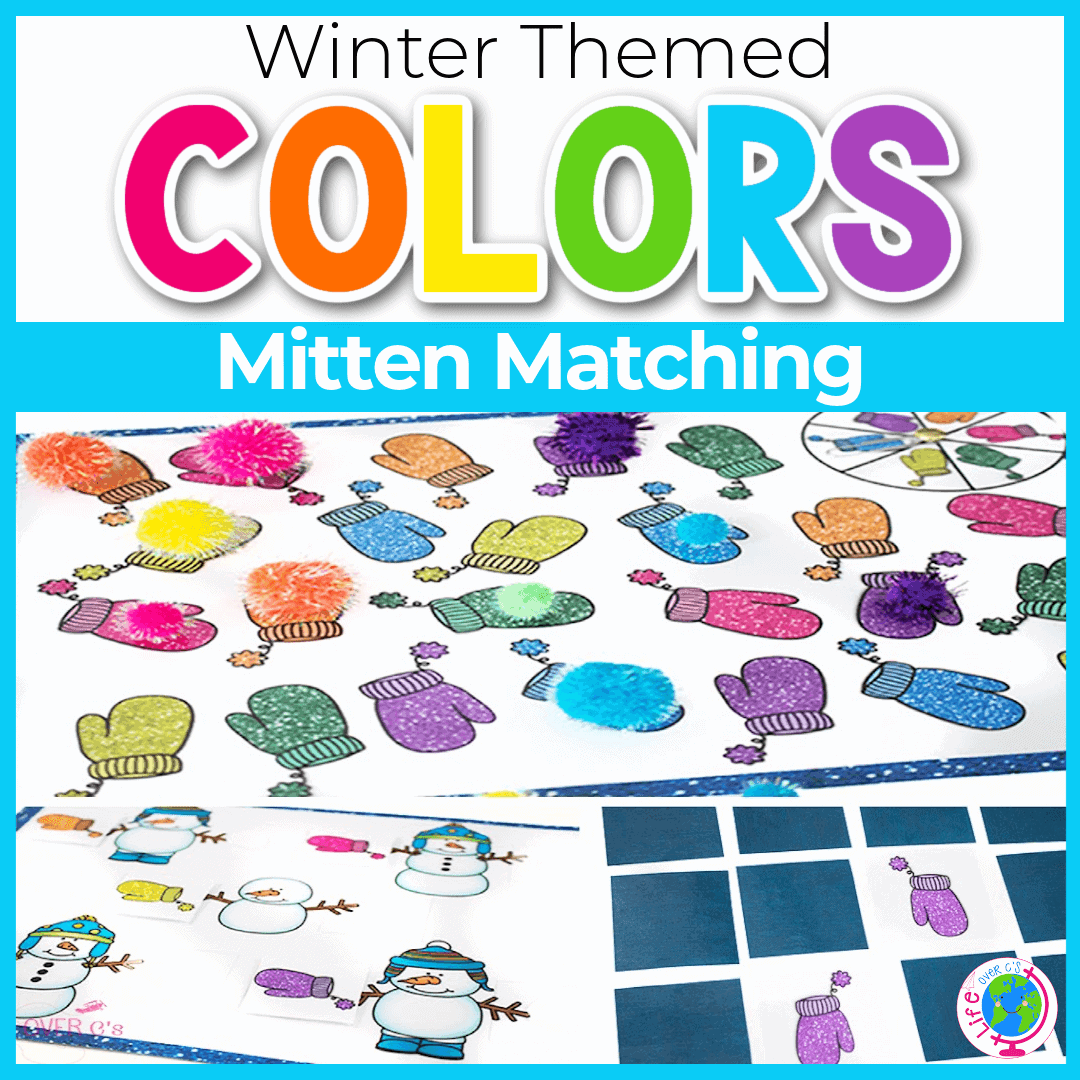
Mitten matching activities combine winter themes with important cognitive skills like pattern recognition, color identification, and problem-solving. These games can be adapted for various skill levels and provide excellent opportunities for independent or group play.
Create mitten pairs using construction paper in different colors, patterns, and sizes. Children can practice matching identical pairs, sorting by color or pattern, or even creating their own mitten designs. This activity supports mathematical thinking and visual discrimination skills essential for reading readiness.
Activity 5: Winter Animal Habitat Learning
Exploring how animals survive winter provides fascinating learning opportunities that combine science with creativity. Children can learn about hibernation, migration, and adaptation while creating habitats for winter animals using various craft materials.
This activity introduces children to important scientific concepts while encouraging research skills and creative expression. Students can create bear caves using cardboard boxes, bird nests using natural materials, or Arctic scenes with polar bears and penguins. These projects support vocabulary development and understanding of animal behavior and environmental adaptation.
These first five activities provide a strong foundation for winter-themed learning that keeps preschoolers engaged while supporting their developmental needs. Each activity can be modified to accommodate different skill levels and interests, ensuring that all children can participate successfully in winter learning adventures.
Activities 8-15: Advanced Winter Learning Adventures
Building on the foundational winter preschool activities from Part 1, these advanced activities focus on deeper learning experiences that combine multiple developmental skills. These indoor preschool activities are perfect for extending learning sessions and creating memorable winter experiences.
8. Winter Science Experiments
Transform your classroom into a winter laboratory with these engaging seasonal preschool crafts that double as science lessons. Create artificial snow using baking soda and shaving cream, then let children explore its properties through touch and measurement. This activity develops scientific thinking while maintaining the winter theme.
9. Arctic Animal Research Projects
Encourage curiosity about winter wildlife through simple research activities. Provide picture books about polar bears, penguins, and arctic foxes, then have children draw their favorite arctic animal and share one fact they learned. This combines literacy with science exploration.
10. Winter Weather Tracking
Create a daily weather chart where preschoolers can record temperature, precipitation, and cloud observations. Use simple symbols and colors to make data collection accessible for young learners. This activity builds math skills while connecting to the winter season.
11. Hibernation Dramatic Play
Set up a cozy corner with blankets and stuffed animals to simulate animal hibernation. Children can pretend to be bears preparing for winter sleep, learning about animal behavior while engaging in imaginative play. This activity supports social-emotional development and science learning.
12. Winter Cooking Activities
Prepare simple winter treats like hot chocolate or snowball cookies (powdered sugar-covered balls). Cooking activities develop following directions, measuring skills, and provide sensory experiences that connect to the winter theme.
13. Ice Painting Art
Freeze paint in ice cube trays with popsicle sticks as handles. As the ice melts during painting, children observe state changes while creating beautiful winter artwork. This combines art, science, and sensory exploration in one engaging activity.
14. Winter Story Creation
Provide story prompts about winter adventures and encourage children to create their own tales. Use picture cards or story cubes to inspire creativity. This activity develops language skills, imagination, and storytelling abilities.
15. Winter Olympics for Preschoolers
Organize indoor winter sports activities like cotton ball snowball tosses, skating on paper plates, or building block igloos. Create simple medals or certificates to celebrate participation and effort.
Making Winter Learning Stick
These winter preschool activities provide comprehensive learning opportunities that address multiple developmental areas. By incorporating science, art, literacy, and physical movement, children remain engaged while building essential skills during the colder months.
Remember that the best indoor preschool activities are those that can be adapted to different skill levels and interests. These seasonal preschool crafts and activities provide a foundation that teachers and parents can modify based on their specific group's needs and available resources.
Winter weather no longer needs to limit learning opportunities. With these engaging activities, preschoolers can explore, create, and discover throughout the coldest months while developing crucial academic and social skills in a warm, nurturing indoor environment.
No comments yet. Be the first to share your thoughts!