

Why sensory play matters now
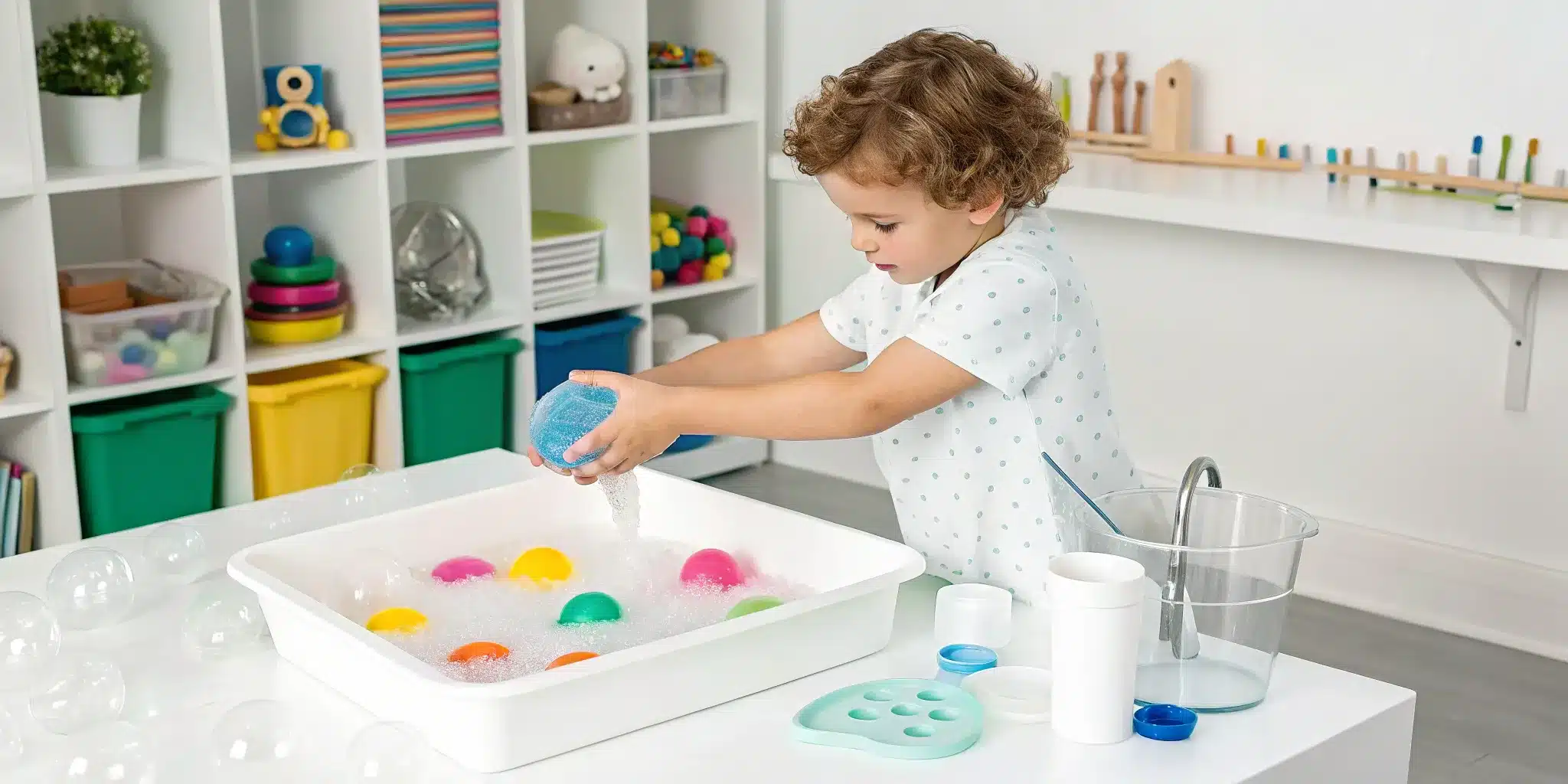
Sensory play is more than just mess and fun; it is the foundation of early brain development. When young children engage their senses, they are actively building neural pathways that support language acquisition, fine motor control, and cognitive processing. For parents and educators, this means that every handful of rice or splash of water is a structured learning opportunity that directly supports Kindergarten readiness.
The Preschool Playbook treats sensory activities as essential tools for early learning rather than mere distractions. By integrating hands-on, play-based learning into a structured curriculum, the resource ensures that sensory experiences align with developmental milestones. This approach helps children transition smoothly from exploratory play to more formal academic tasks, giving them the confidence and skills needed for the classroom.
Rather than relying on abstract concepts, The Preschool Playbook ties every activity to a specific developmental skill. Whether it is sorting colored beans to practice categorization or molding dough to strengthen hand muscles, these activities provide concrete evidence of growth. This structured method allows adults to observe tangible progress, ensuring that playtime contributes meaningfully to a child’s educational journey.
10 Sensory Activities for Early Learning
These 10 sensory activities bridge the gap between unstructured play and structured Kindergarten readiness by targeting specific developmental milestones. Each exercise leverages essential tools from The Preschool Playbook ecosystem, such as the Kinetic Sand Studio and Tactile Texture Boards, to turn hands-on exploration into concrete early learning outcomes.
-
Water bead sorting stations
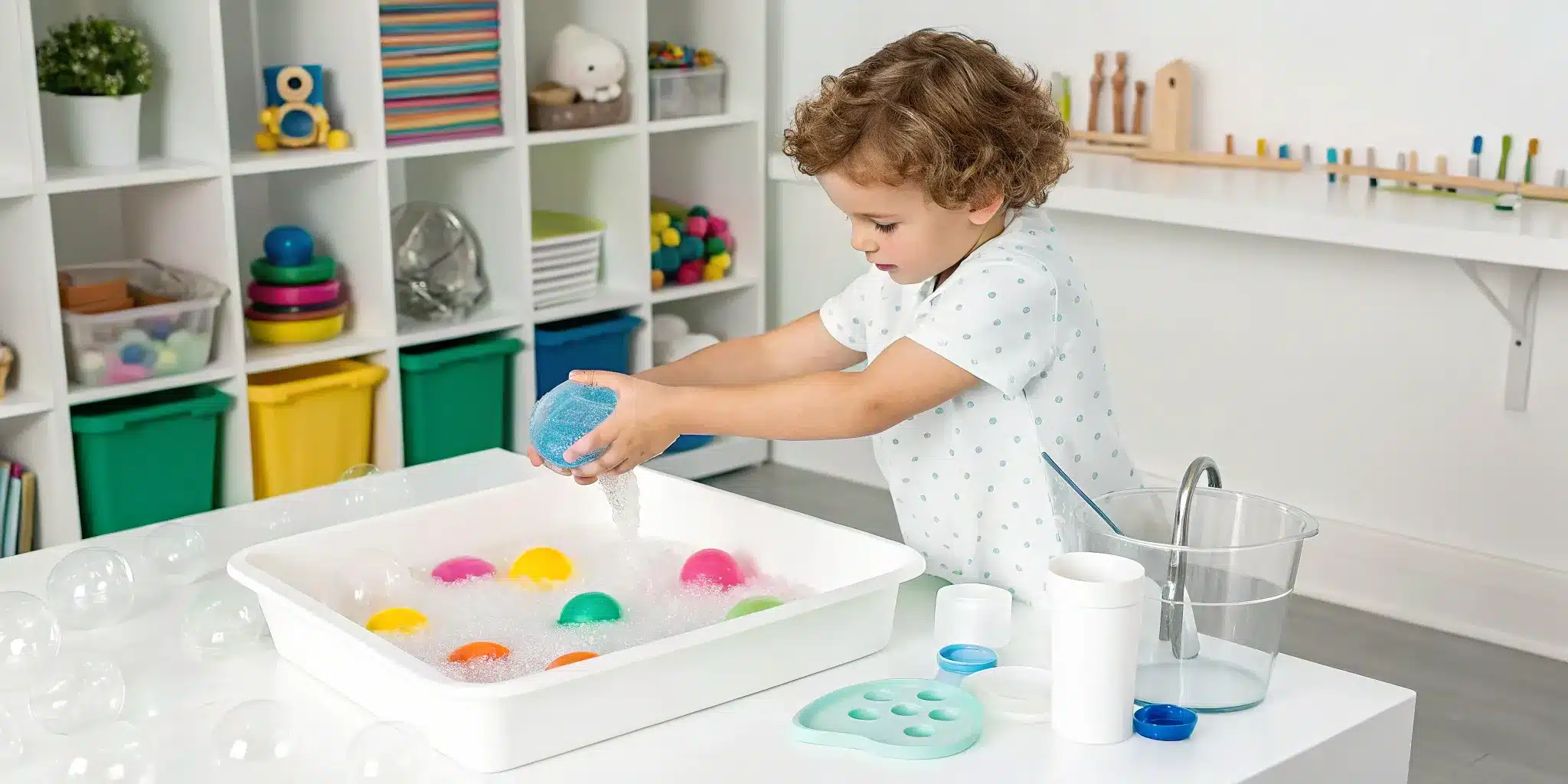
The Preschool Playbook’s water bead sorting stations transform simple color matching into a fine motor workout. Children use tweezers to transfer hydrated beads into labeled cups, strengthening the pincer grasp essential for pencil control. This tactile engagement keeps little hands busy while reinforcing early math concepts like categorization and one-to-one correspondence, laying a sturdy foundation for kindergarten readiness through playful, hands-on exploration. -
Textured paint finger painting
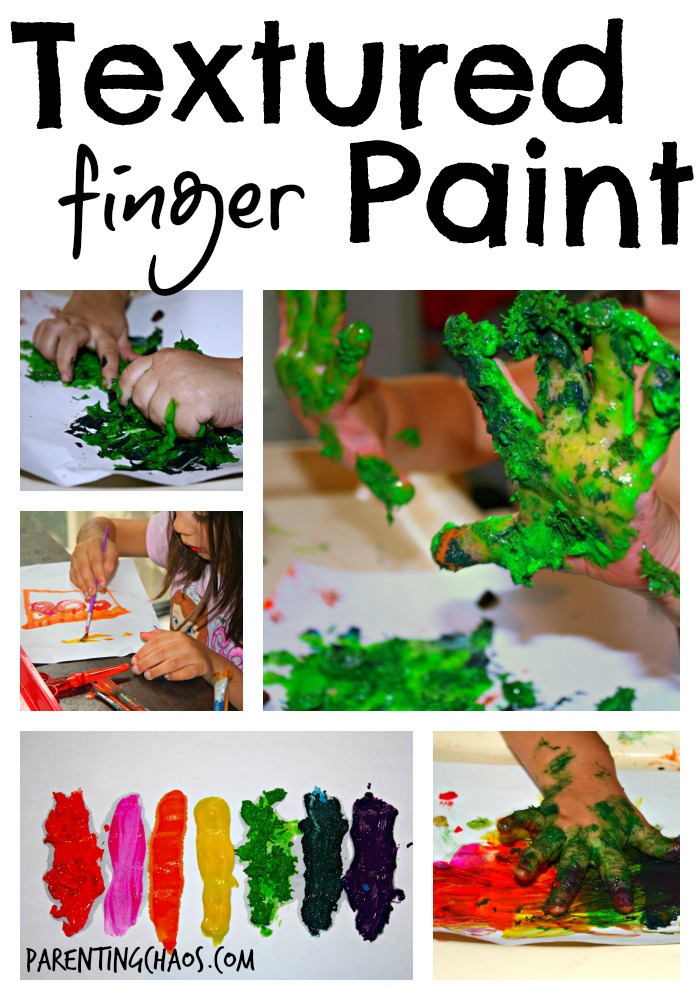
Switching from standard brushes to textured paints invites deeper sensory exploration. The Preschool Playbook recommends using sponges or crumpled foil to create varied surface patterns, enhancing tactile discrimination. As children press their fingers into thick, cool paint, they build hand strength and spatial awareness. This messy, joyful process supports creative expression while developing the sensory processing skills needed for focused learning environments in early childhood settings. -

Playdough shape tracing
Tracing 2D shapes in playdough bridges the gap between abstract geometry and concrete understanding. Using the Preschool Playbook’s Farm Shape Center mats, children press dough into chicken or cow outlines, feeling the contours of circles and squares. This kinesthetic approach reinforces shape recognition and hand-eye coordination. The resistance of the dough provides proprioceptive feedback, helping preschoolers internalize geometric forms through touch rather than just visual identification. -
Scavenger hunt texture bags
Sealed texture bags offer a mess-free way to explore diverse materials safely. The Preschool Playbook suggests filling ziplock bags with items like cotton balls, dried beans, or gel beads, then sealing them tightly. Children squish and manipulate these bags to identify textures by touch alone. This activity sharpens tactile discrimination and vocabulary development, allowing preschoolers to compare smooth versus rough surfaces without the distraction of loose items, supporting focused sensory integration. -

Rice bin letter digging
Digging for letters in a rice bin turns literacy practice into an exciting treasure hunt. The Preschool Playbook’s sensory bins feature buried plastic letters that children uncover using scoops or their hands. This tactile search reinforces letter recognition and fine motor control simultaneously. The resistance of the rice grains provides valuable sensory input, while the discovery element boosts engagement, making early alphabet learning a memorable, play-based experience that prepares children for classroom reading tasks. -
Musical instrument shakers
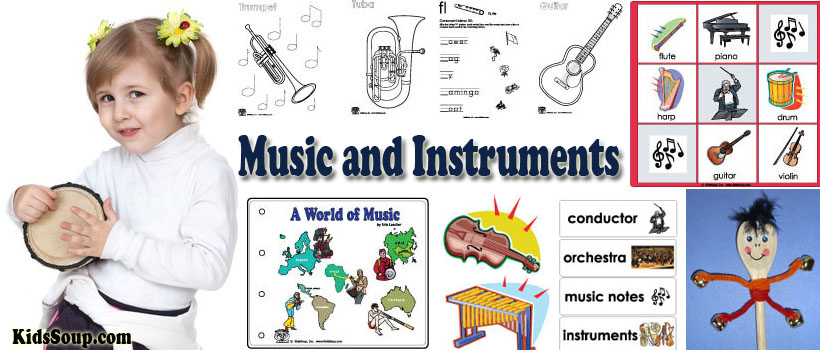
Craft DIY maracas using dry beans and plastic eggs to build fine motor control and auditory discrimination. Shaking rhythms helps toddlers internalize beat and tempo, laying groundwork for later musical literacy. The tactile resistance of filling the shell strengthens hand muscles needed for writing. This activity transforms simple household items into effective tools for kindergarten readiness, blending physical coordination with early cognitive pattern recognition in a playful, noisy format. -
Scented slime mixing
Combine clear glue with essential oils like lavender or citrus to create sensory slime that engages olfactory processing. Mixing ingredients enhances hand-eye coordination and visual tracking as children observe color changes and texture transformations. The stretchy consistency provides proprioceptive feedback, calming the nervous system while encouraging focus. This multi-sensory experience supports executive function skills, helping preschoolers practice patience and sequential steps during open-ended creative play sessions. -

Fabric swatch matching
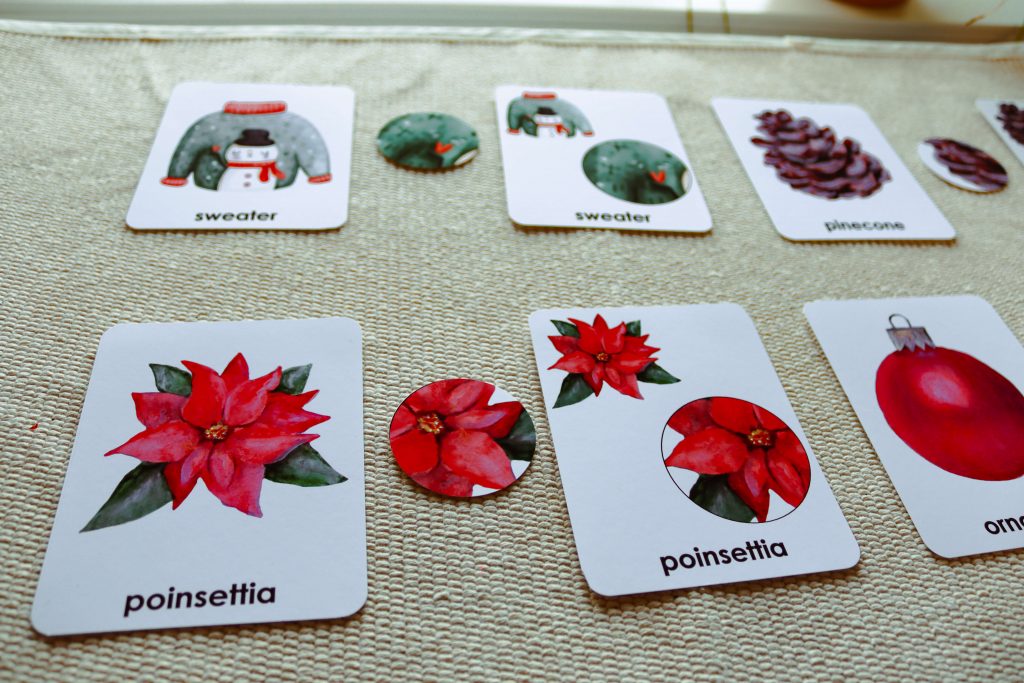
Cut uniform squares from velvet, silk, and burlap to create tactile matching cards. Children pair identical textures, refining visual discrimination and vocabulary related to material properties. This quiet activity promotes sustained attention and categorization skills, essential for early math concepts. Handling diverse fabrics builds sensory integration, allowing toddlers to distinguish subtle differences in touch. The structured yet flexible nature of the game supports independent problem-solving and cognitive flexibility in a low-stress environment. -

Ice cube melting science
Freeze small toys in ice cubes and provide salt, warm water, and droppers for excavation. This experiment teaches states of matter and cause-and-effect relationships through hands-on discovery. Children develop problem-solving strategies as they test which tools melt ice fastest, fostering scientific inquiry. The cold temperature offers unique sensory input, while the gradual process builds patience and observational skills. This activity bridges concrete play with abstract scientific concepts, preparing young minds for formal STEM learning. -
Singing with hand motions
Pair popular nursery rhymes with specific gestures, like "Head, Shoulders, Knees, and Toes," to link auditory and kinesthetic learning. Coordinating movements with lyrics enhances memory retention and bilateral coordination. This rhythmic activity supports language development by reinforcing vocabulary through physical association. Children learn to follow directions and anticipate sequences, building foundational skills for classroom participation. The joyful nature of song encourages social engagement and emotional expression, key components of holistic early childhood development.
Resources for your preschool playbook
Building a structured learning environment doesn't require expensive classroom supplies. The Preschool Playbook ecosystem offers a complete, print-based curriculum designed for ages 3-5. By focusing on hands-on, play-based learning, these materials help children develop fine motor skills and cognitive foundations while preparing for kindergarten readiness.
The core curriculum is divided into three main components: The Lesson Plan Book, The Worksheets and Templates, and The Writing Journal. This three-book series provides a logical progression for early literacy and numeracy. You can purchase the digital bundle directly from The Preschool Playbook or find the Kindle edition on Amazon.
To help you choose the right bundle, here is a comparison of the available options:
| Product | Format | Primary Focus | Best For |
|---|---|---|---|
| The Preschool Playbook Bundle | Digital Printables | Complete K-Prep Curriculum | Parents wanting a full year of structured play |
| The Lesson Plan Book | Digital Guide | Daily Activity Plans | Teachers needing ready-made lesson structures |
| The Writing Journal | Physical/Digital | Handwriting Practice | Developing fine motor skills and letter recognition |
| The Worksheets/Templates | Digital Printables | Skill Reinforcement | Targeted practice in math and literacy |

As an Amazon Associate, we may earn from qualifying purchases.
These resources are designed to be flexible. Whether you are a parent looking for weekend activities or a teacher seeking supplemental materials, the playbook provides the structure needed to turn play into meaningful learning. Start with the lesson plan book to understand the flow, then use the worksheets to reinforce specific skills.
Frequently asked questions about sensory play safety and setup
Sensory play is a cornerstone of play-based learning, helping children build fine motor skills and cognitive connections that support Kindergarten readiness. However, parents often have practical concerns about safety, materials, and cleanup. Here are the most common questions we receive from families using The Preschool Playbook ecosystem.
No comments yet. Be the first to share your thoughts!