

Why spring suits sensitive learners
Spring offers a natural rhythm that calms overstimulated nervous systems through predictable changes in light and temperature. For sensitive preschoolers, the muted greens of new leaves and quiet sounds of rain provide visual clarity and sensory grounding. These elements create a low-stimulus environment where children can focus better and feel secure.
By using natural, quiet elements, we can create spaces that are both engaging and soothing for preschoolers, setting the stage for activities that support these needs.
10 Sensory-Friendly Preschool Activities for Spring
Spring offers a gentle backdrop for nurturing young minds through soft textures and quiet, natural exploration. These 10 sensory-friendly activities prioritize visual clarity and tactile comfort, providing a supportive framework for preschoolers to engage with the season at their own pace.
-

Gentle Wind Chime Listening Circle
Gather children in a quiet corner with a small, soft-toned wind chime. Invite them to close their eyes and listen as you gently strike the metal tubes, focusing on the fading echoes. This activity builds auditory processing skills without overwhelming noise levels. The provides a calm, structured way to practice attention and self-regulation through gentle sound exploration. -
Soft Moss Texture Exploration Tray
Fill a shallow tray with fresh, damp moss harvested from a shaded garden area. Allow children to touch, squish, and spread the soft material with their fingers, noticing the cool, earthy texture. This tactile experience offers grounding sensory input without the visual clutter of bright toys. It encourages mindful observation and fine motor development through simple, natural manipulation. -
Quiet Water Color Mixing Station
Set up small cups of clear water with single drops of food coloring. Provide droppers or sponges for children to mix colors slowly, watching hues blend without splashing. This low-stimulation activity focuses on visual tracking and cause-and-effect relationships. The gentle movements required help regulate energy levels while introducing basic color theory in a calm, controlled environment. -
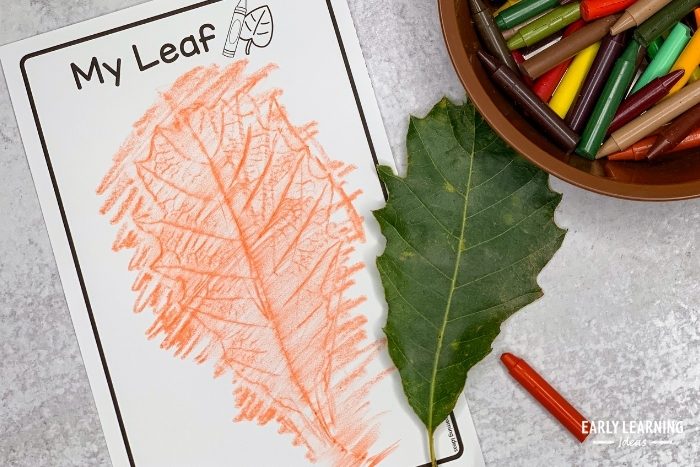
Natural Leaf Rubbing Art Project
Place crisp, dry leaves under thin paper and have children gently rub crayons over the surface. The textured veins emerge clearly, creating unique patterns from nature. This activity combines tactile feedback with visual discovery, offering a quiet, focused task. The highlights how simple materials can spark creativity and sensory engagement. -

Soothing Spring Scents Sensory Bottle
Fill clear bottles with water, baby oil, and a few drops of lavender or vanilla extract. Seal tightly and let children shake or tilt the bottles to watch the scented oils swirl slowly. This visual and olfactory combination promotes calmness and focus. The demonstrates how these simple tools can serve as effective self-regulation aids during busy spring days. -
Gentle Butterfly Wing Pattern Matching
Lay out large, soft cards featuring symmetrical butterfly wings in pastel hues. Invite children to pair matching halves, focusing on the visual rhythm of colors and shapes. This quiet activity supports early cognitive skills without overwhelming noise or bright flashes. The tactile smoothness of the cards provides a calming sensory input, helping little ones concentrate on visual discrimination in a gentle, low-stress environment. -
Soft Clay Spring Shape Molding
Provide small portions of pliable, unscented modeling clay in pastel greens and pinks. Encourage children to press their fingers into the material to form simple spring shapes like buds or leaves. The resistance of the clay offers deep pressure input, which can be grounding for sensitive nervous systems. This tactile exploration allows for creative expression through touch, fostering fine motor development in a quiet, focused setting. -

Quiet Bird Song Identification Game
Create a calm listening station with high-quality recordings of common spring birds. Display simple illustrations of each bird alongside the audio source. Children listen intently to the distinct melodies, trying to match the sound to the picture. This activity sharpens auditory discrimination skills while promoting patience and quiet focus. The gentle nature of bird songs creates a soothing atmosphere, ideal for sensory-sensitive learners seeking calm engagement. -

Natural Twig and Stone Sorting
Gather smooth river stones and slender twigs collected from a local park. Ask children to sort these natural items by size, texture, or color on a soft felt mat. The cool, hard surfaces of the stones contrast with the rough, organic twigs, offering varied tactile feedback. This sorting task encourages mindfulness and attention to detail, allowing children to engage with nature’s textures in a structured, predictable, and calming way. -
Soft Fabric Spring Costume Dress Up
Set up a bin filled with lightweight, breathable fabrics in spring colors like lavender and mint. Include simple accessories like flower crowns or wing attachments made from soft mesh. Children can drape and layer these materials, exploring textures without the weight of heavy costumes. The gentle movement of the fabric against the skin provides soothing sensory input, encouraging imaginative play in a comfortable, non-restrictive environment.
Ten spring activities for preschoolers
Spring brings a shift in light, sound, and texture that can be overwhelming for some young children, while offering rich sensory opportunities for others. These ten activities are designed to be gentle, predictable, and visually clear. They focus on natural materials and calm movements to help preschoolers process the season without sensory overload.
Each activity uses soft textures, quiet sounds, or simple visual cues. Parents and educators can adjust the intensity by reducing the number of items or lowering the volume of music. The goal is to invite exploration at a child’s own pace.
Fill a shallow bin with dried lavender, rose petals, or plain potting soil. Add a few fresh, soft spring flowers like tulips or daffodils (stems removed for safety). Let children sift through the soil with their hands or use large spoons. The gentle scent of lavender is calming, while the visual contrast of soft petals against dark soil provides clear, non-overwhelming sensory input. This activity supports tactile exploration in a quiet, controlled environment.
Place large sheets of white paper on a table. Provide watercolor paints and wide, soft brushes. Encourage children to make gentle, vertical strokes to mimic rain. The fluid movement of the paint on paper is visually soothing. Use cool blues and grays to keep the color palette calm. This activity allows for quiet, focused art-making without the mess of thick paints or loud music.
Create a simple list with pictures of soft items: a pinecone, a smooth stone, a yellow leaf. Take a slow walk outside. Let children pick up only one item at a time and place it in a small basket. The focus on texture and color helps ground children in their surroundings. Keep the group small to reduce noise and social pressure.
Seal zip-top bags filled with clear gel and a few soft fabric scraps (velvet, cotton, silk). Tape the bags to a window or table. Children can press their fingers against the smooth, cool surface. The visual clarity of the floating fabric is engaging but not chaotic. This activity is ideal for children who need a contained, predictable sensory experience.
Go to a quiet corner of the yard. Use a small bottle of bubble solution. Blow bubbles slowly and watch them float. The visual tracking of the bubbles helps with focus. Avoid loud music or energetic dancing. Let children pop the bubbles gently with their fingertips. The soft pop is a satisfying, low-intensity sensory event.
Fill clear plastic bottles with dried beans, rice, or small pebbles. Seal them tightly. Let children shake the jars gently to listen to the soft sounds. Compare the different textures by shaking them slowly. This activity helps children distinguish between quiet and louder sounds in a controlled way. It supports auditory processing without overwhelming volume.
Place a sheet of paper over a large, smooth leaf. Use a soft, white crayon to rub over the leaf. The texture of the leaf appears on the paper. This activity is quiet and requires minimal movement. The visual result is immediate and clear, giving children a sense of accomplishment without sensory stress.
Sit on the floor in a small circle. Use a large, soft foam ball. Roll it gently to one child at a time. The slow movement and soft touch are calming. This activity encourages turn-taking and social connection in a low-pressure setting. It helps children focus on one action at a time.
Lie on a blanket outside and look at the sky. Name the shapes of the clouds. The vast, open sky is visually expansive but not cluttered. This activity encourages stillness and quiet observation. It helps children relax and breathe deeply while enjoying the spring weather.
Sing simple, slow songs about spring, like "Here is the Church" or "The More We Get Together." Use soft instruments like shakers or tambourines. Keep the volume low. The repetition of the lyrics and melody is soothing. This activity builds community and language skills in a calm, predictable way.
These activities prioritize calm, clear sensory input to help preschoolers engage with spring in a supportive way. Adjust the environment to match each child’s needs, keeping lights soft and sounds gentle.
Setting up a calm spring space
Preparing a dedicated sensory-friendly area is the foundation for successful spring activities. A well-organized environment reduces anxiety and allows children to focus on the task at hand without being overwhelmed by visual or auditory distractions. The goal is to create a soft, quiet sanctuary that feels safe and inviting.
Start by choosing a corner away from high-traffic areas and loud noises. Natural light is ideal, but ensure it can be softened with sheer curtains or blinds to prevent glare. If possible, use rugs or mats to define the space, providing a tactile boundary that signals "work time" or "play time." This physical separation helps children transition mentally into the activity.
Declutter the immediate area. Keep only the necessary materials visible and within easy reach. Excessive toys or supplies can compete for attention and cause sensory overload. Use low, open bins or baskets to store items, allowing children to see and access what they need independently. This visual clarity promotes calm and autonomy.
Consider the sensory elements carefully. Incorporate soft textures like fleece blankets or cushioned seating. Introduce gentle, natural scents such as lavender or chamomile if the children are not sensitive to smells, but avoid strong artificial fragrances. The atmosphere should feel like a gentle spring breeze—light, airy, and soothing.
Managing sensory overload during play
Spring activities bring bright colors, loud music, and fast movements that can quickly overwhelm a sensitive preschooler. When the environment becomes too stimulating, look for soft, quiet cues to help your child reset.
Create a gentle escape route. If a game feels too intense, guide them to a calm corner with dimmed lights and soft textures. Let them hold a weighted blanket or squeeze a stress ball until their breathing slows.
Reduce visual noise. Turn off background music or lower the volume on any audio devices. Use natural light instead of bright artificial bulbs to soften the atmosphere and make the space feel safer.
Offer predictable transitions. Give a gentle warning before switching activities. Instead of abrupt changes, use a quiet signal like a hand wave or a soft chime to help them prepare for the next step.
Spring preschool activity checklist
Preparing for spring activities is about setting the stage for gentle exploration. A quiet, clutter-free space helps children focus on soft textures and natural sounds. Gather these essentials before you begin.
- Soft fabrics: Cotton scarves or muslin squares for sensory bin digging.
- Natural materials: Pinecones, smooth stones, or dried beans for sorting.
- Quiet tools: Wooden spoons, small brushes, or tweezers for fine motor work.
- Visual aids: Clear plastic bins to keep materials organized and visible.
Keep lighting low and noise minimal. This setup supports a calm, sensory-friendly environment where preschoolers can engage at their own pace.
Common questions about spring play
Parents and educators often look for ways to adapt standard spring activities for children who are sensitive to noise, bright lights, or tactile overload. The goal is to keep the gentle rhythm of the season while removing potential stressors.
These adaptations ensure that every child can enjoy the soft, quiet moments of spring without feeling overwhelmed.
No comments yet. Be the first to share your thoughts!