

Why sensory play matters in 2026
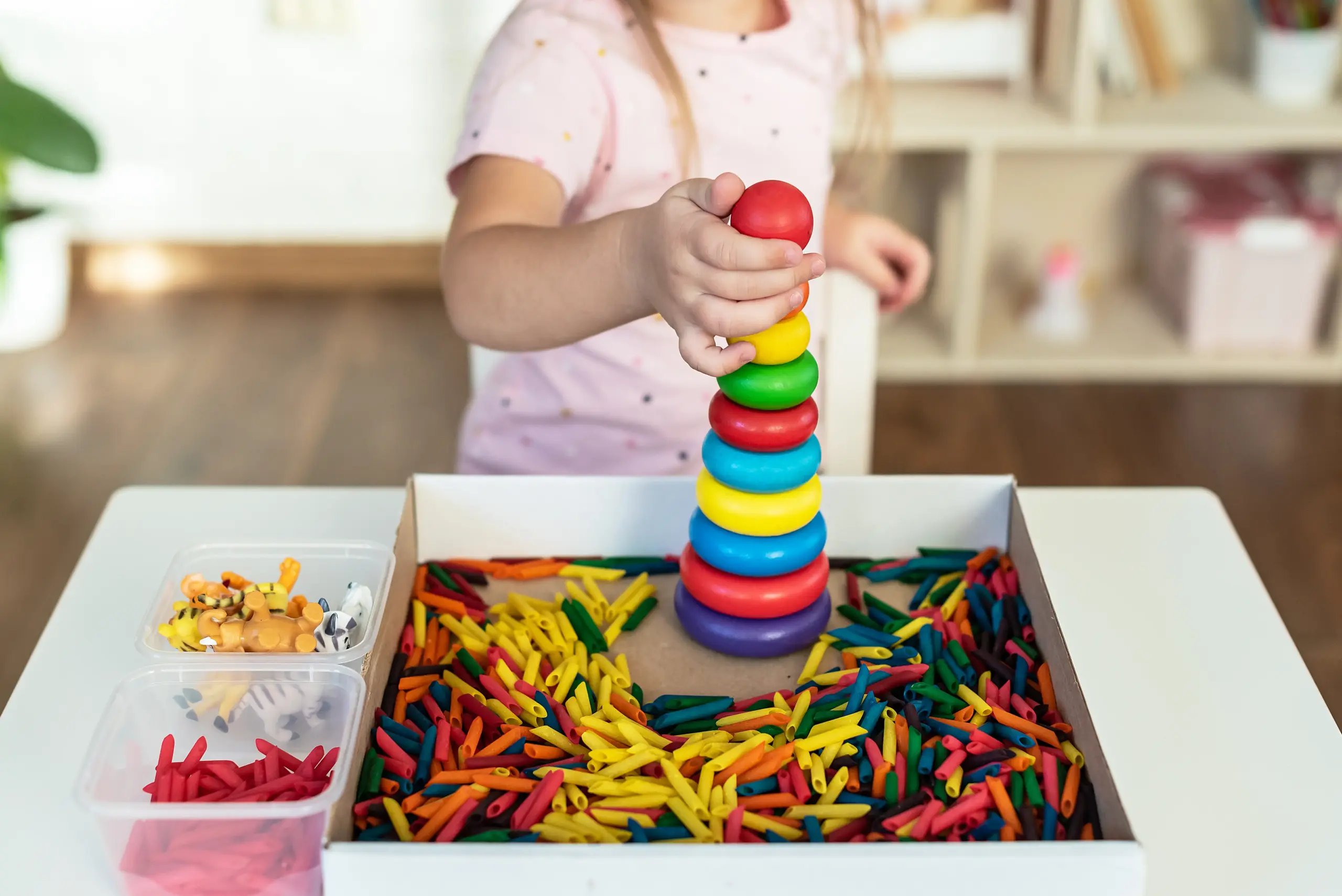
Sensory play is more than just a way to keep preschoolers occupied; it is a fundamental building block for early cognitive development. When children engage their senses, they are actively constructing neural pathways that support learning, problem-solving, and emotional regulation. In 2026, educators and parents are shifting focus from abstract theory to concrete, tactile experiences that directly stimulate brain growth.
The benefits extend beyond cognitive growth. Messy play encourages risk-taking and creativity in a safe space. It allows children to experiment with cause and effect—what happens when I squeeze this? How does this change when I add water? These small discoveries build confidence and independence.
While the mess can be daunting, the developmental payoff is significant. Sensory activities help children develop fine motor skills, improve hand-eye coordination, and enhance language development as they describe what they feel. By prioritizing these hands-on experiences, you are not just providing entertainment; you are supporting the holistic growth of your child.
5 Sensory Play Trends for 2026: Engaging Preschool Activities
Sensory play is evolving beyond simple bins, offering 2026’s preschoolers structured yet messy opportunities to build critical cognitive and motor skills. We’ve curated five concrete trends that balance developmental benefits with manageable cleanup, featuring specific products designed to maximize engagement.
-
Nature-based texture bins
Fill clear bins with dried beans, pinecones, and smooth stones to create an earthy sensory experience. These natural elements offer varied resistance and temperature, encouraging fine motor exploration without synthetic plastics. Children can sift, scoop, and sort, building tactile discrimination skills while connecting with the outdoors. This low-cost setup promotes calm, focused play and introduces organic textures that differ significantly from standard toy materials. -
Kinetic sand and slime variations
Introduce kinetic sand mixed with iridescent beads or slime infused with dried lavender for enhanced sensory input. These materials offer unique resistance and scent profiles, appealing to tactile seekers who crave deep pressure. The stretchiness of slime and the moldability of sand support hand strength and coordination. Keep containers sealed to manage mess while allowing children to explore squishy, pliable textures that hold their shape. -
Water and ice exploration stations
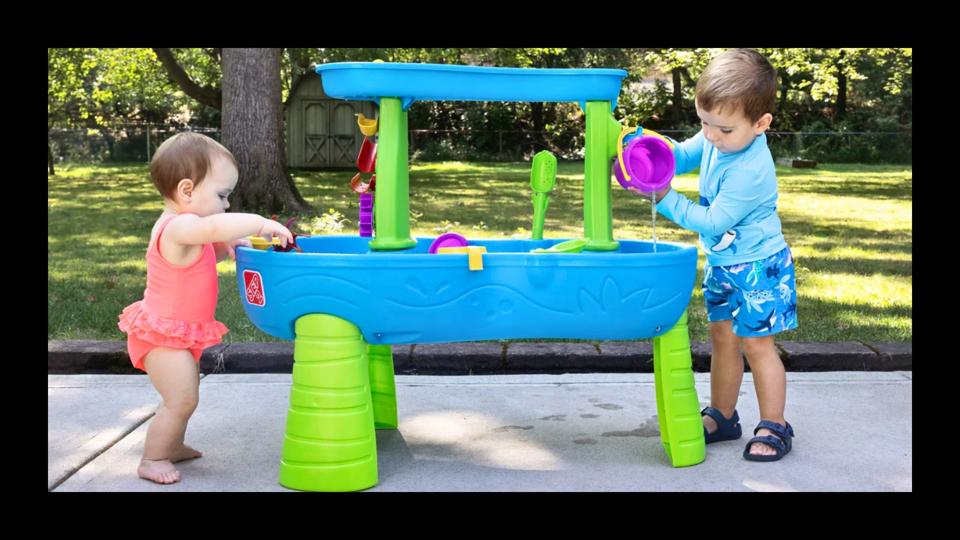
Set up frozen blocks containing colorful toys or leaves for children to melt using warm water and droppers. This temperature contrast engages thermal senses while encouraging problem-solving as ice slowly releases its treasures. The wet, slippery nature of water provides immediate feedback, supporting early scientific concepts like states of matter. Supervise closely to prevent spills, but embrace the splashing as a vital part of tactile learning and sensory regulation. -
Musical sound and vibration play
Attach small speakers or tuning forks to tables so children can feel vibrations through their hands while listening. Shakers filled with rice or dried pasta offer auditory feedback linked to movement, enhancing cause-and-effect understanding. This trend combines auditory and tactile inputs, supporting children who process information through multiple senses simultaneously. Encourage rhythmic tapping to explore how different materials produce distinct sounds and physical sensations. -
Tactile art and craft materials
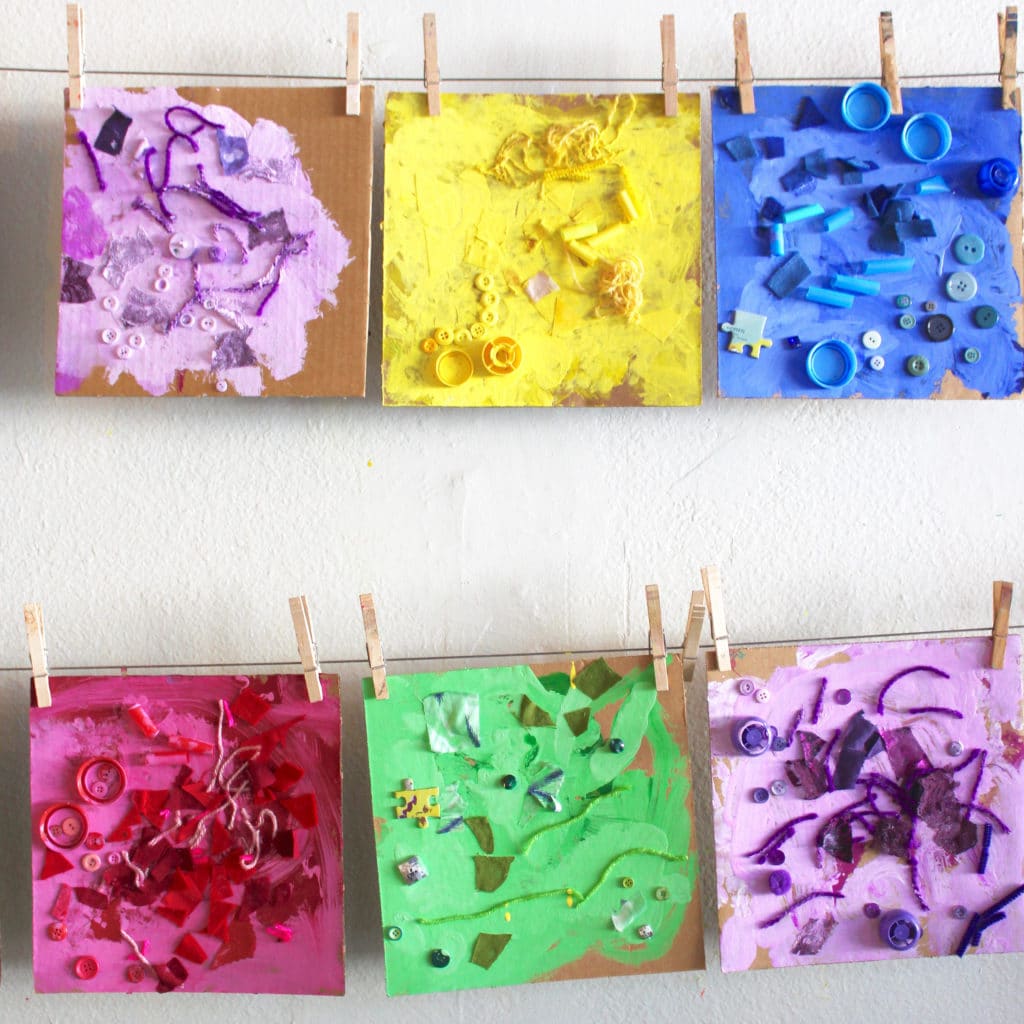
Use textured pastes, foam stickers, and coarse sandpaper for collages that demand physical engagement beyond traditional crayons. These materials require pressing, rubbing, and layering, building hand-eye coordination and sensory tolerance. The visual appeal of monochrome or high-contrast crafts keeps attention focused on the physical act of creation. This approach transforms art time into a rich sensory session, allowing children to express themselves through touch as much as sight.
Essential materials for 2026 sensory play
Choosing the right supplies depends on the specific developmental goal you have in mind. While some materials focus on fine motor precision, others encourage open-ended creativity or emotional regulation. Below is a breakdown of the core categories to help you match the mess with the milestone.
To get started, you don't need a professional supply kit. A simple bin of kinetic sand and a few plastic tools can keep a child engaged for an hour, while a large tray of washable paints offers a different kind of freedom. The key is to rotate these items to maintain novelty.


As an Amazon Associate, we may earn from qualifying purchases.
Setting up your sensory play space
A well-organized area makes sensory play less stressful for adults and more engaging for children. When the environment is predictable, kids can focus on the textures and sounds rather than navigating clutter. Start by choosing a location that is easy to wipe down, such as a kitchen corner or a tiled bathroom, to handle the inevitable mess without anxiety.
Choose a durable, washable surface
Protect your floors with a large plastic tablecloth or a washable vinyl mat. These materials create a barrier against spills and allow you to shake off debris or rinse the area with a hose if needed. This simple step transforms any room into a safe sensory zone that can withstand water, paint, or kinetic sand.
Gather cleanup supplies within reach
Keep a caddy nearby with paper towels, a small dustpan, and a bucket of soapy water. Having these tools ready reduces the friction of cleaning up, making it easier to reset the space for the next session. You can also store wet items in a mesh laundry bag to prevent drips on the way to the sink.
Rotate materials to maintain interest
Store sensory bins in labeled bins or clear containers and rotate them every few weeks. Fresh materials like dried beans, shredded paper, or water beads keep the activity novel and prevent boredom. This rotation strategy extends the life of your supplies and encourages consistent engagement with the space.
No comments yet. Be the first to share your thoughts!